What Americans Got Wrong About Portugal — And Why It’s Not the Deal It Was 5 Years Ago
We may earn money or products from the companies mentioned in this post. This means if you click on the link and purchase the item, I will receive a small commission at no extra cost to you ... you're just helping re-supply our family's travel fund.
Portugal was, for a decade, the word that every budget-conscious American Europe traveler knew. “Why pay Paris prices when you can pay Lisbon prices?” was the implicit pitch, and it was accurate. Lisbon, Porto, the Algarve — all genuinely spectacular, all significantly cheaper than Western European alternatives. In 2026, the story is more complicated, and travelers arriving with 2018 price expectations are being surprised in ways that are worth understanding before you book.
What Happened to Portugal’s Prices
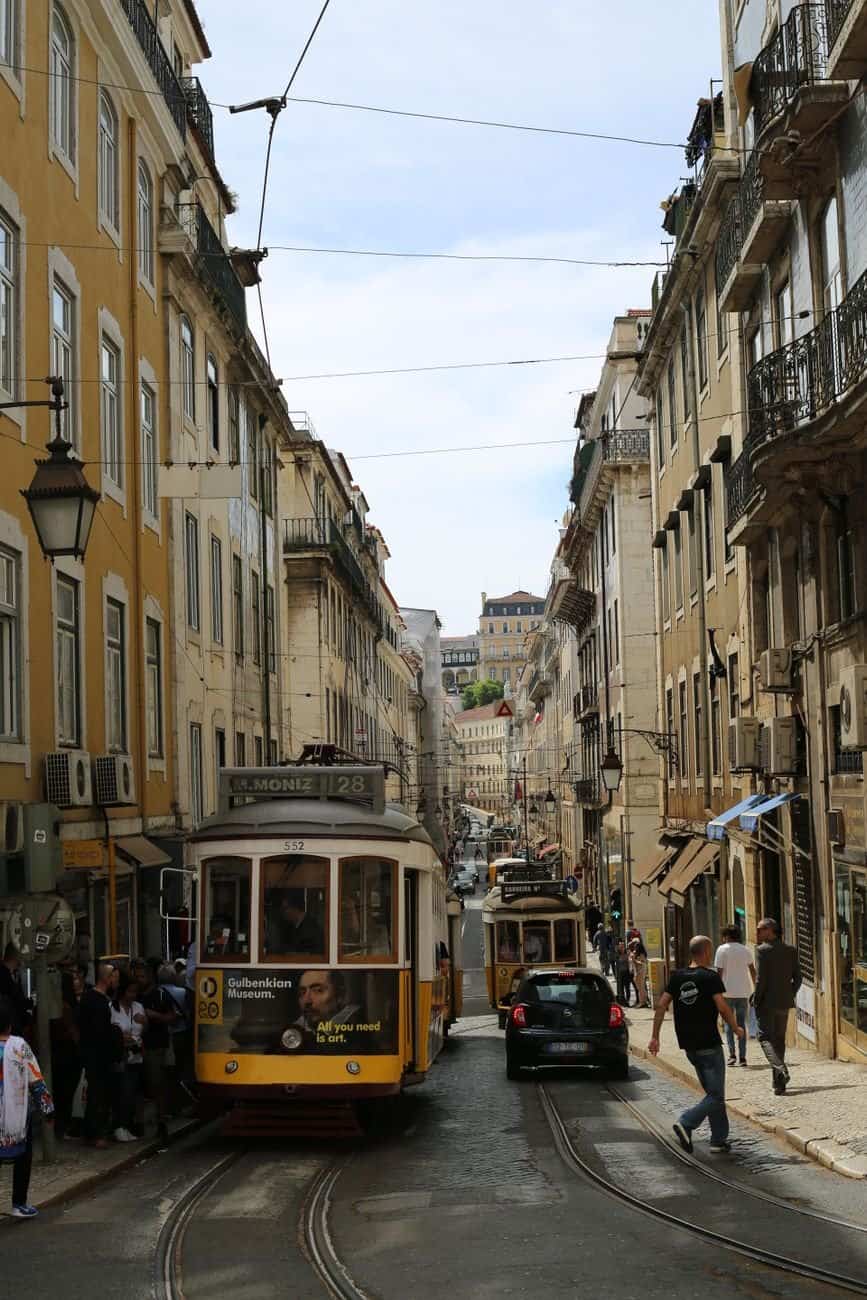
Lisbon and Porto’s housing markets experienced dramatic price increases starting around 2015 and continuing through 2024. The arrival of wealthy American and European remote workers (Portugal’s D7 and Digital Nomad visas made this particularly accessible), short-term rental proliferation in historic neighborhoods, and general tourist inflation combined to push food, accommodation, and experience prices significantly above where they were when Portugal first appeared in “underrated Europe” articles.
A mid-range dinner for two in Lisbon in 2019 cost €35–€50. The same experience in 2026 runs €60–€85. Hotel prices in Lisbon’s historic Alfama and Baixa neighborhoods during peak season have risen to levels comparable to Barcelona or Rome. The Algarve (Portugal’s southern coast) has been particularly affected — high summer season accommodation prices in the Algarve are now in line with or above the Italian Amalfi Coast for comparable properties.
Where Portugal Still Offers Real Value
Portugal’s overall cost level remains below Spain, France, and Italy in most comparisons — but the gap has narrowed significantly. Specific value pockets remain. The interior of Portugal — the Alentejo region, the Douro Valley wine country, the Minho in the north — is dramatically cheaper than Lisbon or the Algarve and offers experiences that are less crowded and more authentic. Food prices outside of tourist-oriented restaurants in Lisbon remain reasonable — the pastéis de nata at a neighborhood padaria, the daily lunch specials (prato do dia) at working-class restaurants, the local wine poured by the glass at lunch — all still make Portugal feel different from France or the UK.
What Portugal Does at Any Price
The things that made Portugal compelling haven’t changed: the architecture of Lisbon’s Alfama is irreplaceable, the Douro Valley’s terraced vineyards and the Port wine lodges of Vila Nova de Gaia are extraordinary, the Sintra palaces within 30 minutes of Lisbon compete with anything in Europe for fairy-tale visual impact. The food culture — the fresh seafood, the bacalhau preparations, the pastry tradition — is genuinely distinctive. The hospitality culture, which remains warmer and less transactional than Paris or Rome, survives the tourist pressure better than comparable cities.
The Honest 2026 Verdict
- Portugal remains cheaper than Paris, Amsterdam, Zurich, and most of Scandinavia
- Portugal is now comparable to Spain and southern Italy in major cities during peak season
- Budget travelers who used Portugal as a cheap-Europe hack are finding the gap smaller than expected
- The interior and smaller cities (Évora, Braga, Viana do Castelo) still offer the budget advantage that Lisbon once provided
- The quality of the experience remains high — the prices changed faster than the experience did
Portugal in 2026 is still one of the best European destinations for Americans. It just needs to be evaluated on what it currently costs rather than what it cost five years ago. The traveler who recalibrates their budget expectations and focuses on the regions and experiences where value remains strongest will find a country that delivers on every reason it first got famous — just at a somewhat higher price point than the articles that made it famous were quoting.
Portugal’s Specific Value Points in 2026
Portugal’s cost advantage over Spain has narrowed since 2020 as Lisbon and Porto became the destination names driving European travel interest. Lisbon hotel prices in peak season (June–September) now run $180–$280/night for mid-range properties — comparable to Madrid and Barcelona. The value advantage that remains is concentrated in the Alentejo region (south of Lisbon, cork forest and olive oil country with medieval towns and wine estates at Spain-2010 prices), the Silver Coast (the Atlantic shore north of Lisbon with uncrowded beach towns and inexpensive seafood), and the Douro Valley (the wine region east of Porto where quintas offer wine tourism at prices significantly below Napa).
The Portuguese food culture — bacalhau (salt cod with 365 traditional preparations, one for each day of the year), pastéis de nata (custard tarts from the Pastéis de Belém bakery in Lisbon that have been made to the same recipe since 1837), grilled sardines in June during the Santos Populares festivals, and the Alentejo’s wine and pork charcuterie traditions — is one of the most specific and rewarding in Europe. The food doesn’t require expensive restaurants: the pastel de nata at Pastéis de Belém costs €1.30. The grilled sardines at a Lisbon tasca in June cost €12 for six. The quality of the Portuguese food tradition is accessible at price points that reward street-level exploration rather than requiring destination restaurant reservations.