The Grand Canyon Sees 6 Million Visitors a Year. Here’s How to Have an Experience That Doesn’t Feel Like That
We may earn money or products from the companies mentioned in this post. This means if you click on the link and purchase the item, I will receive a small commission at no extra cost to you ... you're just helping re-supply our family's travel fund.
The Grand Canyon is one of the seven natural wonders of the world, and it deserves the reputation. It is also, on a July Saturday at Mather Point, a parking-lot-and-selfie experience that bears no resemblance to what the canyon actually is. The people who find the Grand Canyon they came for have learned something specific: the 277-mile-long, mile-deep canyon has alternatives to the South Rim overlooks that change the experience completely.
The Crowd Reality at the South Rim
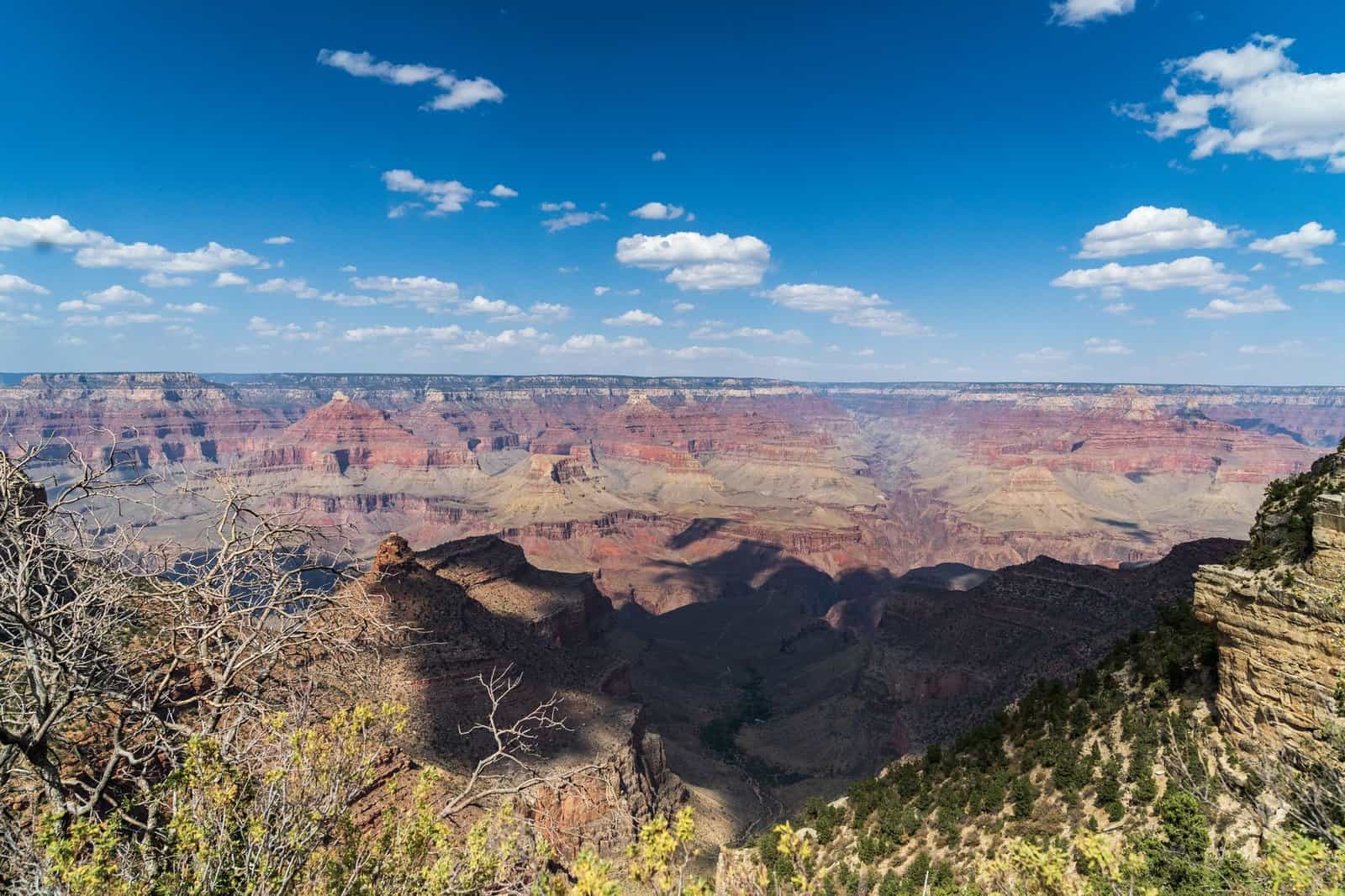
About 90% of Grand Canyon visitors go to the South Rim. Of those, the overwhelming majority visit the same six or seven viewpoints clustered near the Grand Canyon Village — Mather Point, Yavapai Point, Desert View — accessible by road and connected by the Rim Trail. These are genuinely spectacular, but they’re shared with thousands of other people simultaneously in peak season. Personal vehicles are not permitted in the main village area in summer; shuttles run constantly, and the experience is managed rather than wild.
The North Rim: The Canyon That Most Visitors Never See
The North Rim of the Grand Canyon sits at 8,000 feet elevation — 1,000 feet higher than the South Rim — and receives approximately 10% of the South Rim’s visitors. It’s 215 miles from the South Rim by road (4.5 hours) and is open only from mid-May through mid-October due to snow access issues. The North Rim Lodge, the Point Imperial overlook (highest point on either rim at 8,803 feet), and the Bright Angel Point trail offer a canyon experience that most park visitors never access. In 2026, showing up on a Tuesday in late September to the North Rim still feels like having the canyon largely to yourself.
The Havasupai and Diamond Creek Options
Havasupai Falls, on the Havasupai Tribal Nation land within the canyon, requires a 10-mile hike in each direction and reservations that open months in advance (and sell out in hours). The turquoise waterfalls are among the most photographed in the American Southwest. Diamond Creek Road on the Hualapai Nation allows vehicles to drive to the Colorado River at river level — the only road access to the canyon floor in the entire park system — and requires a permit and fee paid to the Hualapai Tribe. Both require planning and commitment, and both deliver experiences that the South Rim viewpoints cannot.
The South Rim Done Right
If the South Rim is where you’re going, the time of day changes everything. The canyon at sunrise, before the first shuttle buses arrive from Tusayan, is a completely different experience than 11 AM when the parking areas are full. Dawn at Mather Point in October with the light hitting the canyon’s inner walls is worth any number of midday visits. Bright Angel Trail descent (even just the first 1.5 miles to the first rest house) puts you into the canyon in a way that standing at the rim cannot replicate — the silence, the scale, the smell of the inner canyon are entirely different from the rim experience.
Reserve inner canyon camping (Bright Angel Campground, Indian Garden Campground) 4–6 months in advance through recreation.gov if an overnight descent is possible. Descending into the canyon as the day trippers start arriving from above, and ascending early the next morning when the canyon is quiet, delivers an experience that none of the 6 million annual visitors who stay on the rim access. The Grand Canyon is available to that experience for anyone willing to make the reservation in February.
The Grand Canyon’s Rim Trail — The Free Alternative to the Permits
The Rim Trail — a 13-mile paved and unpaved path along the South Rim from Hermits Rest to Mather Point — is free, requires no permit, and provides continuous canyon views for its entire length. The Bright Angel viewpoint, Desert View (28 miles east of the main visitor area), and Mather Point at the main visitor center are all free to access and provide canyon perspective that day visitors who arrive without the technical trails in mind never realize is available at no cost beyond the park entry fee.
The North Rim of the Grand Canyon, accessible only from the north (highway 89A to highway 67, through Kanab Utah) and open only from mid-May through mid-October, sees 10% of the annual visitor count that the South Rim receives. The North Rim lodge and campground provide accommodation at 8,000 feet elevation; the views from the Bright Angel Point trail at the North Rim look north into the canyon rather than south from the more familiar South Rim perspective. The 10-mile drive from the North Rim visitor area to Point Imperial — the highest overlook in the park at 8,803 feet — is one of the most accessible drives in the national park system for the physical experience of looking into the entire canyon with almost no other people around.