Flight Attendants Have Their Own Travel Hacks. Here’s What They Actually Do.
We may earn money or products from the companies mentioned in this post. This means if you click on the link and purchase the item, I will receive a small commission at no extra cost to you ... you're just helping re-supply our family's travel fund.
Most travel hack content is written by people who fly 20–40 times a year. Flight attendants fly that in a month. The difference in experience between a frequent leisure traveler and someone who has logged 3,000 flight legs over a career is not incremental — it’s the difference between a hobby and a profession.
I spoke with several current and former flight attendants — some domestic, some international long-haul — and asked them specifically what they do differently from regular passengers. The answers were not what I expected.
Why Flight Attendant Advice Is Different
Flight attendant travel wisdom is earned differently from the tips you find on travel blogs. It’s not based on a clever read of a loyalty program’s terms. It’s based on:
- Having made every packing mistake hundreds of times before optimizing
- Sleeping in hundreds of different hotel rooms and learning what actually helps
- Watching thousands of passengers make the same avoidable mistakes
- Having access to parts of the airport that passengers don’t, and learning from that access
The result is a category of advice that is less about gaming systems and more about sustainable, field-tested behavior.
The Packing System That Survives 200 Flights a Year
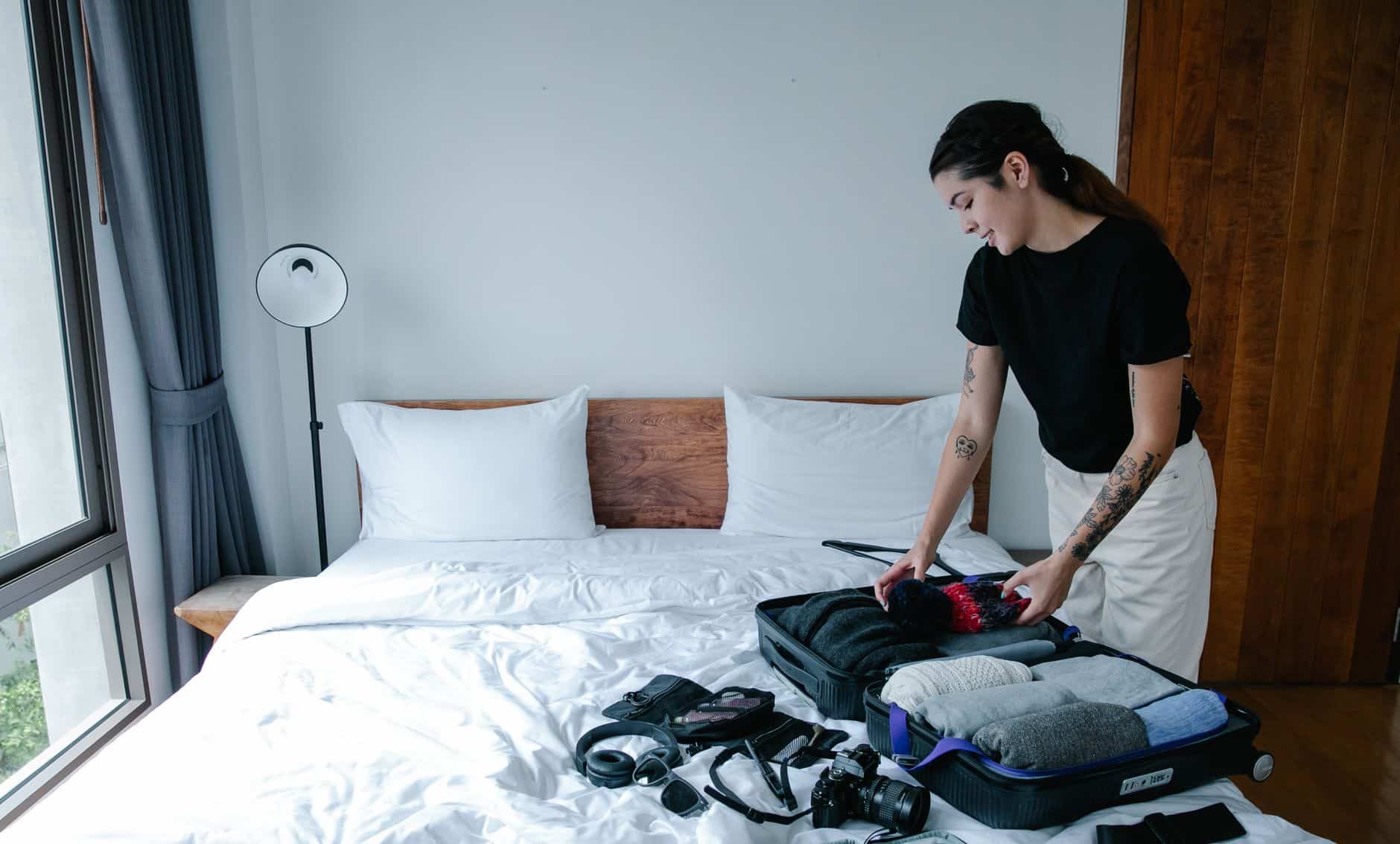
Every flight attendant I spoke with carries on only. No exceptions, regardless of trip length. The reasons go beyond the obvious:
- They use a “capsule” wardrobe system — every item works with every other item, in a color palette that’s limited to three or four tones. Decision fatigue at 4 a.m. packing for a 6 a.m. departure is real; a system removes it.
- They use compression bags for everything. Not the vacuum-seal variety — those compress well but destroy wrinkles. The compression roll-bags that reduce volume without crushing clothing.
- They pack for the destination temperature, not the flight. Regular passengers dress for the flight and end up hot or cold at their destination. Flight attendants pack for where they’re going and wear a specific “travel outfit” that’s comfortable on planes regardless of destination.
- They never pack toiletries. Almost every crew hotel provides the basics. What they bring: a specific face moisturizer (plane cabins are extremely low humidity — around 10–15%, lower than the Sahara Desert), lip balm, and their own small diffuser or room spray because hotel rooms smell like cleaning chemicals.
- Their personal item is a structured tote, not a backpack. Backpacks require removing to put in the overhead bin; a tote slides under the seat in front while keeping documents and electronics accessible.
How They Actually Sleep on Planes and in Hotels
This is the area where flight attendant expertise is most useful for regular travelers. Sleep quality across time zones and irregular schedules is a professional survival skill for cabin crew.
- They don’t fight the schedule. On long-haul flights, they sleep when their destination would have it be nighttime — not when they’re tired in the moment. This pre-programs the body for the landing timezone rather than arriving exhausted and backwards.
- They use melatonin specifically at the destination bedtime, not at departure. Most travelers take melatonin when they can’t sleep. Flight attendants take it as a timer — signaling their body that it’s time to shift the clock, regardless of how tired they feel.
- They block out light completely. Not just a sleep mask — blackout over the hotel curtains. Flight attendants who work in different cities often travel with small binder clips or clothespins specifically to seal hotel curtain gaps.
- They keep the room cold. Sleep quality correlates strongly with cooler room temperature (65–68°F is the widely cited optimal range). Hotel rooms tend to be warmer by default.
- They use white noise apps, not because hotel rooms are loud (though some are), but to mask the kind of irregular noise that interrupts sleep — hallway conversations, elevator dings, AC units cycling on and off.
The Airport Moves Most Passengers Never Make
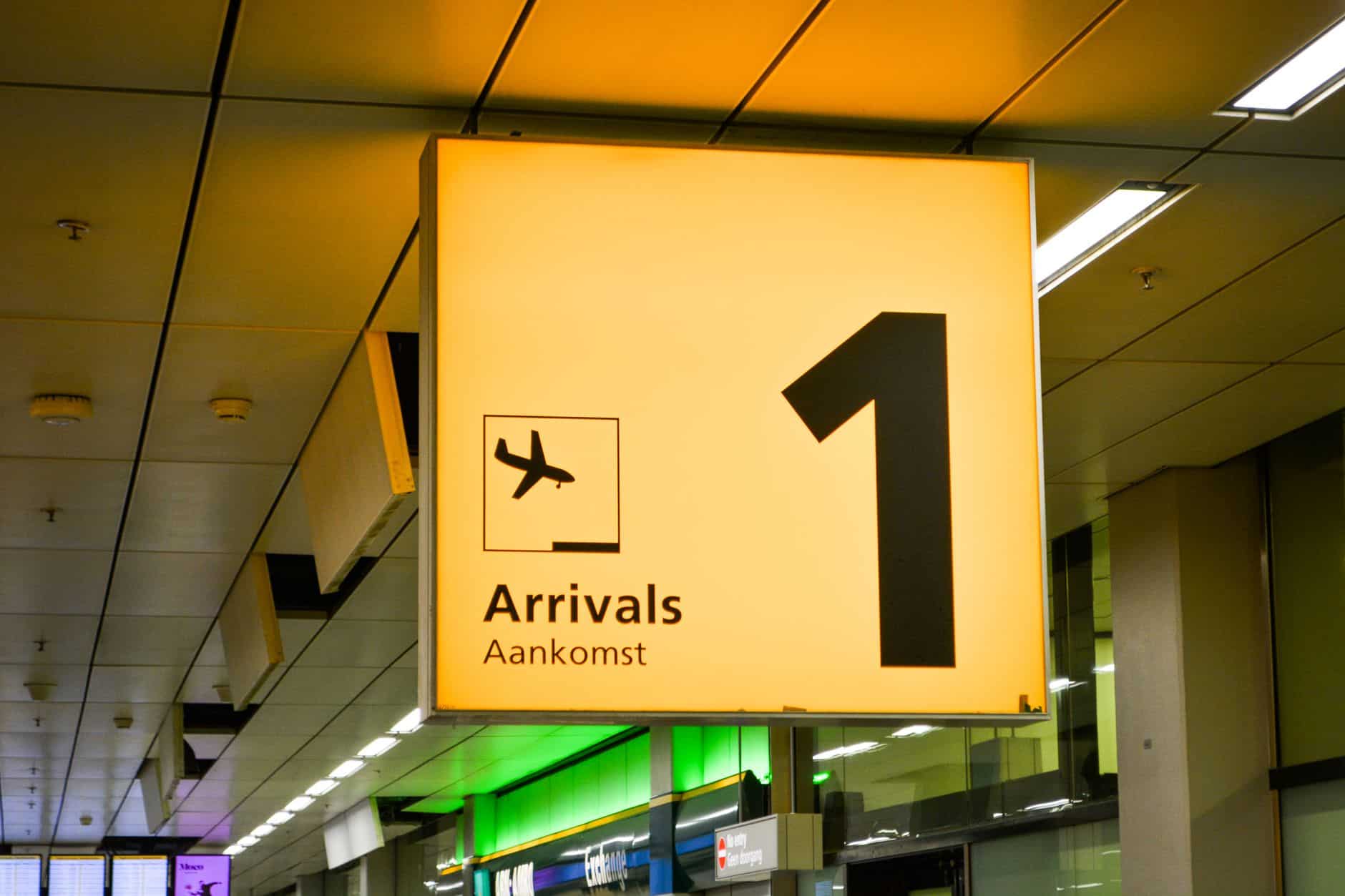
- They go straight to the gate, then backtrack to food Experienced travelers know where their gate is before they eat or shop. The worst position is being at a restaurant in Concourse B when your flight boards from Concourse E with 12 minutes to go.
- They know which airline clubs are accessible with third-party memberships Priority Pass and AmEx Centurion lounge access is well-known. Less known: some American Airlines Admirals Club locations accept Amex Platinum holders directly. Some airport lounges are accessible for a per-visit fee that’s worth it on a long layover. Flight attendants who deadhead (travel as passengers) know which clubs to use at their home bases.
- They use the family boarding time strategically At many airports, the family boarding announcement (“passengers who need extra time or assistance”) is the actual pre-boarding call, which means overhead bin space in the preferred sections is gone before most travelers realize boarding has started. The veterans pre-position at the gate during this time.
- They know which airport restaurants have the fastest service At their home base, this is just experience. At unfamiliar airports, they look for the restaurant with the shortest line but also for the staffing ratio — a restaurant with two servers and 20 tables is a bad choice with 40 minutes before boarding.
What They Know About Airline Food (And What They Eat Instead)
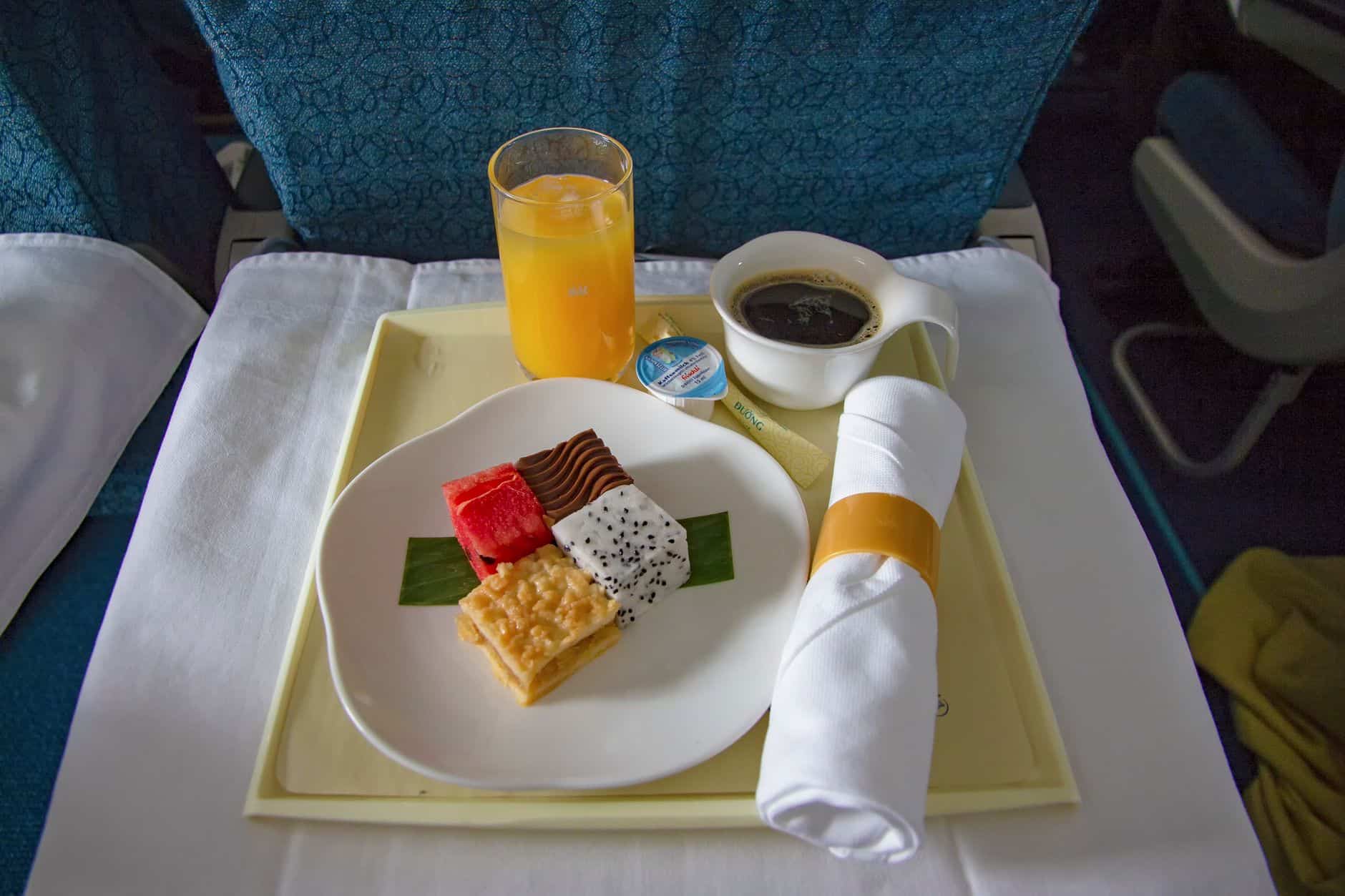
Flight attendants eat surprisingly little on planes, by choice:
- Cabin pressurization and dry air alter taste perception significantly — food that’s fine on the ground tastes different at altitude, and alcohol hits harder
- Many seasoned crew members eat their main meal before the flight or after landing, eating only lightly on board
- They bring specific foods: nuts, protein bars, fruit that travels well, sometimes a meal from the destination city when returning home
- They drink significantly more water than the average passenger — a minimum of one 8-oz glass per hour of flight is a common guideline among crew members who’ve figured out what keeps them feeling human after long flights
The one airline food tip that surprised me: on certain international carriers, the crew meal — what the flight attendants eat, not what’s on the passenger menu — is notably better than business class food. This isn’t useful advice for most passengers, but it’s illustrative of the gap between what’s available and what’s promoted.
The Upgrade Behaviors That Actually Work
Flight attendants can’t personally upgrade passengers — that’s gate agent territory — but they observe what behaviors correlate with passengers who get upgrades and perks:
- Politeness disproportionately matters. This is not new advice, but from people who see hundreds of passenger interactions per shift: the guests who get the extra attention, the last first-class meal, the extra blanket, or the quiet note from the gate agent are the ones who said hello, made eye contact, and treated crew as people.
- The best seats are taken by people who board early. Not just the overhead bin space — the ability to rearrange bags, settle in without the aisle full of people, and make a specific seat request if something changes.
- First class upgrades often clear at the very end of boarding. The gate agent is managing a fluid situation until the door closes. The upgrade waiting list can shift in the last five minutes. Being physically at the gate and visible makes you a candidate; being in the terminal bar does not.
Health and Hygiene at 35,000 Feet
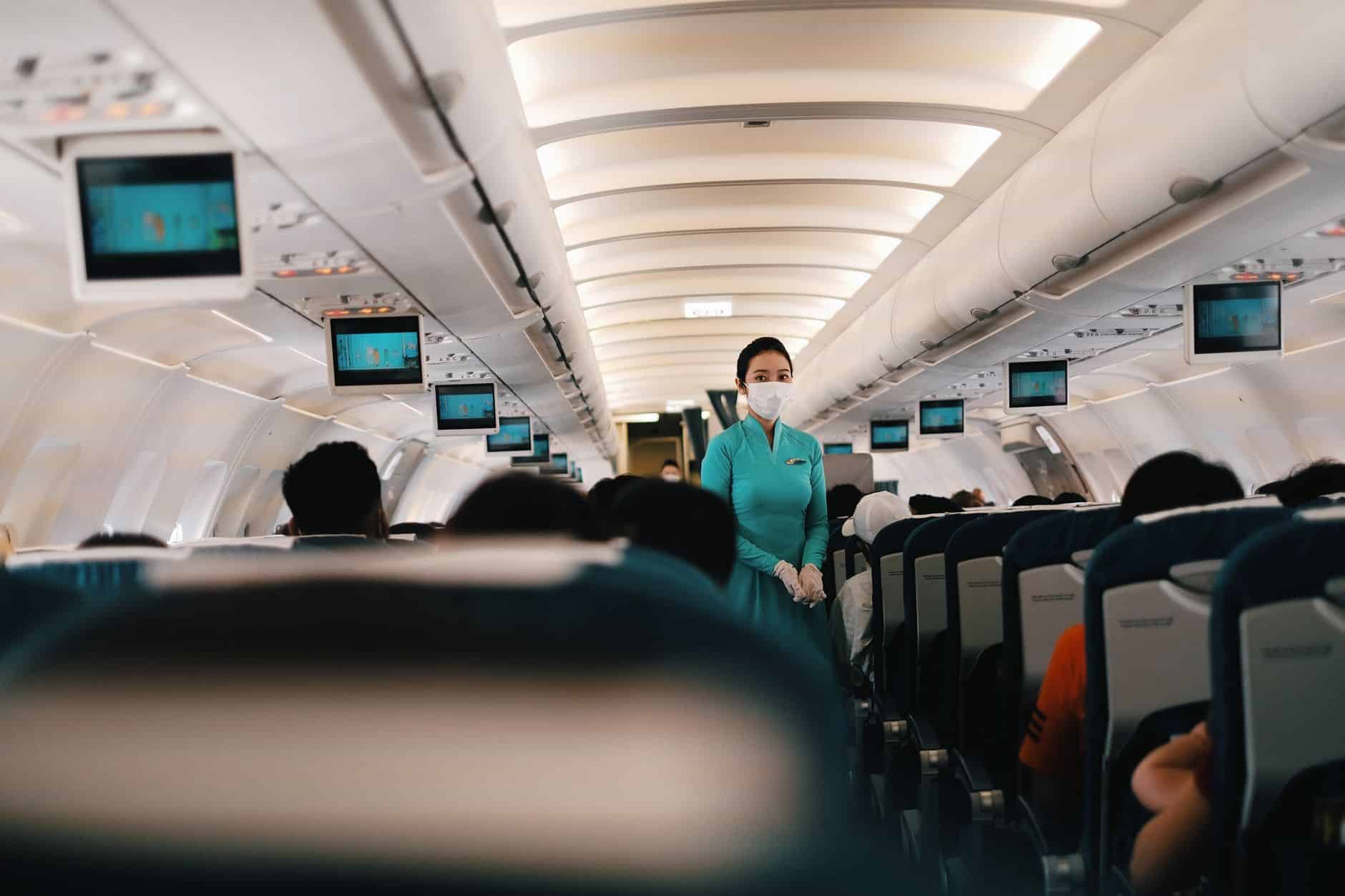
The flight attendant perspective on airplane hygiene is less alarmist than the internet and more practical:
- Tray tables and seatback pockets are the surfaces that get the least cleaning between flights — the things you put food on or reach into repeatedly. Wipe the tray table. Don’t put food directly on it.
- The recirculated air is actually heavily filtered (HEPA filters on most modern aircraft) — the respiratory risk on planes is primarily from passengers in proximity, not from the air system itself.
- The single most effective health habit: hand washing before eating on a plane and after touching high-contact surfaces. This was flight attendant standard practice before it was pandemic-era public health messaging.
- Hydration is not a cliché — the low-humidity cabin environment causes measurable dehydration over the course of a long flight, which contributes to the fog and fatigue that follows long-haul travel. The crew who feel best after 14-hour flights are consistently the ones drinking water consistently throughout.
The Hotel Room Moves Frequent Travelers Use
- Request high floors, far from the elevator. High floors are quieter (street noise diminishes significantly). Rooms near elevators hear mechanical noise and hallway traffic at all hours.
- Check the room before unpacking. Flight attendants on layovers do a two-minute check: is everything working (A/C, lights, TV remote, shower temperature)? Is the room clean? If something is wrong, it’s far easier to change rooms before settling in than after unpacking.
- Use the “Do Not Disturb” sign from check-in, not just when sleeping. This prevents housekeeping from interrupting during the recovery window after a long flight.
- Keep one outfit accessible in your personal item, not buried in your checked bag. Flight attendants call this their “go bag” — the basics to function if the main luggage is delayed or lost.
The recurring theme across every flight attendant I spoke with: their hacks are less about shortcuts and more about removing friction and making sustainable choices across hundreds of repetitions. Which is, in the end, exactly the kind of advice that actually applies to anyone who travels frequently enough to care about getting it right.