Corpus Christi Has 60 Miles of Texas Coastline That Most Beach Tourists Drive Past on the Way to South Padre
We may earn money or products from the companies mentioned in this post. This means if you click on the link and purchase the item, I will receive a small commission at no extra cost to you ... you're just helping re-supply our family's travel fund.
Most Texas beach tourists know two destinations: Galveston (too close to Houston to ignore) and South Padre Island (the spring break name). Corpus Christi sits between them on the map and in the attention economy — larger than South Padre, more developed than Galveston, and persistently overlooked despite having Padre Island National Seashore, the largest undeveloped barrier island in the United States, at its backyard. Here’s what gets missed.
Padre Island National Seashore: The Thing That Separates Corpus Christi From Every Other Texas Beach
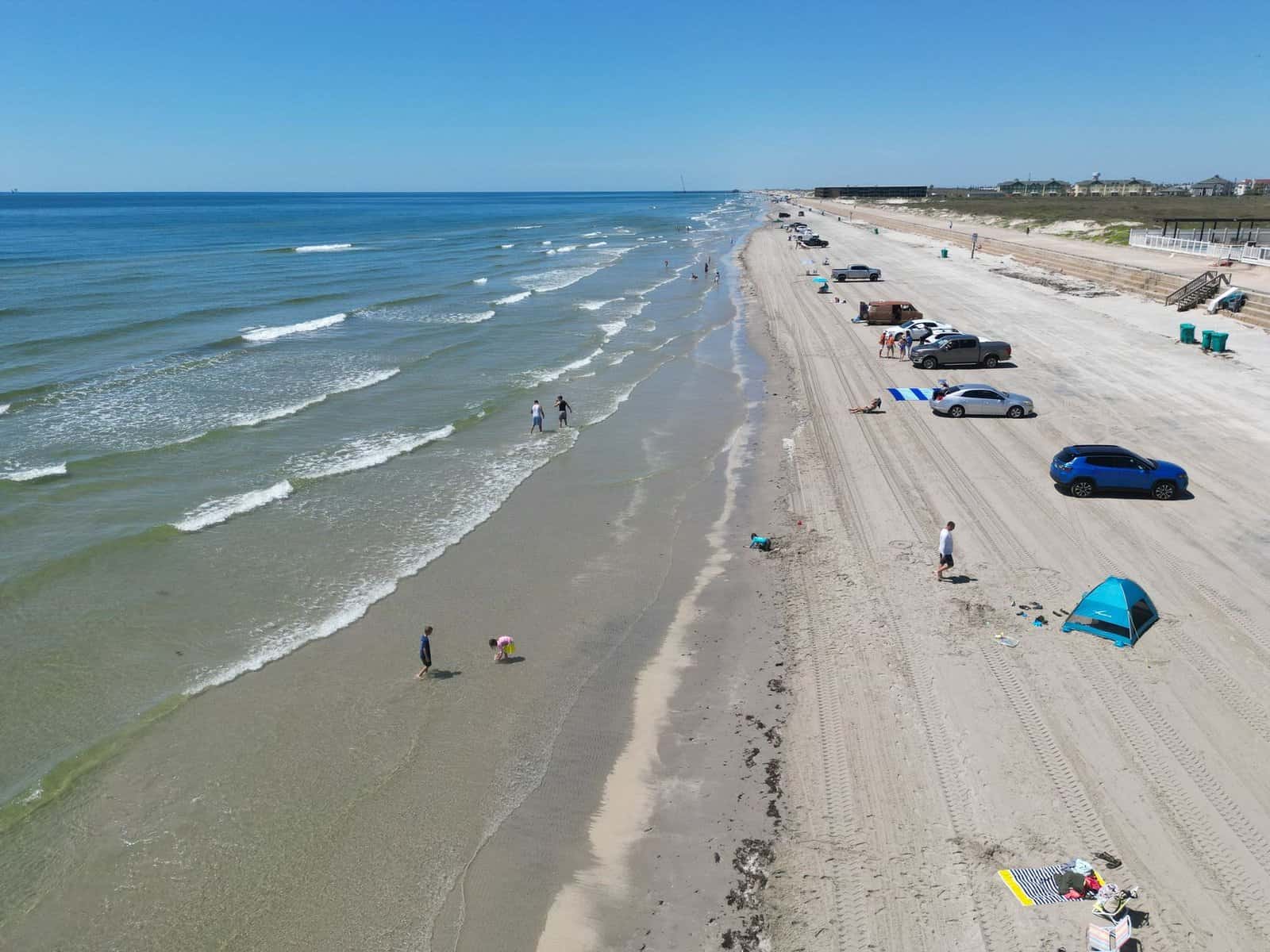
Padre Island National Seashore is a 70-mile stretch of undeveloped barrier island with no development, no paved roads beyond the first 5 miles, and access limited to vehicles with 4WD capability beyond the North Beach area. The seashore protects nesting habitat for the Kemp’s ridley sea turtle — the rarest sea turtle in the world — and conducts public hatchling releases during nesting season (June–August) that are one of the most unusual wildlife experiences available to casual visitors anywhere on the Gulf Coast.
The 5 miles of paved access are enough for most visitors to experience what “undeveloped barrier island” actually means: you pull into the parking area and walk 3 minutes across dunes to a beach that has no buildings on it in any direction you look. In July, this is one of the hottest and most demanding outdoor experiences on the Texas coast. In October and November, it’s perfect: 75°F air, Gulf water that’s still 76°F, and beaches that are largely empty on weekdays.
What Corpus Christi Has in Town
Worth your time in Corpus Christi:
- Texas State Aquarium: one of the better regional aquariums in Texas, worth 3 hours
- USS Lexington Museum: a decommissioned WWII aircraft carrier moored in the bay and open for tours, including overnight programs
- Water Street Seafood: the best seafood corridor in the city, a few blocks from the waterfront
- Kite surfing and windsurfing at Laguna Madre: Corpus Christi’s year-round wind is world-famous in the kite sailing community
What It Costs
A Corpus Christi trip in 2026:
- Hotel on the bay or near the beach: $130–$200/night in peak summer
- Off-season (October–February): $90–$150/night
- Padre Island National Seashore entrance: $25/vehicle for 7-day pass
- USS Lexington admission: $20/adult
- Texas State Aquarium: $22/adult
Corpus Christi is never going to compete with South Padre for spring break visibility or with Galveston for Houston-market proximity. What it has is Padre Island National Seashore, which no other Texas coastal city has, and an overall cost structure that runs below both. For the fall or winter Gulf Coast trip — when the water is warm, the crowds are gone, and the undeveloped beach stretch is available for something that feels genuinely remote despite being 30 minutes from a city of 300,000 — Corpus Christi is the right answer to a question most Texas beach tourists aren’t asking.
Corpus Christi’s Specific Coastal Character
Corpus Christi Bay is the largest natural harbor on the Texas Gulf Coast and the city’s defining geographic feature — a protected inland bay bordered by North Beach, the downtown marina, and the causeway bridges to North Padre Island. The USS Lexington aircraft carrier, permanently docked in the bay as a museum, is one of the few Essex-class carriers from World War II preserved for public access and is consistently among the top-rated museums in Texas. The aircraft collection on the flight deck, the engine rooms, and the combat information center provide 3–4 hours of accessible military history that the interior Gulf Coast doesn’t have elsewhere.
Padre Island National Seashore — the longest undeveloped barrier island in the United States at 70 miles — is 20 minutes from Corpus Christi and accessible from the Malaquite Visitor Center on Park Road 22. The first 5 miles of Padre Island are paved and accessible in standard vehicles; beyond the paved section, 4WD high-clearance vehicles can drive the full length of the island to the Mexican border. The empty beach driving culture specific to Padre Island — setting up a camp on the beach at the 20-mile mark, surf fishing at dawn, pelicans and oystercatchers for company — is one of the last genuinely isolated coastal camping experiences accessible from a mid-sized Texas city.