Great Basin National Park Closes Its Scenic Drive in Winter. 7 Things You Can Still Do There
We may earn money or products from the companies mentioned in this post. This means if you click on the link and purchase the item, I will receive a small commission at no extra cost to you ... you're just helping re-supply our family's travel fund.
Every winter, the Wheeler Peak Scenic Drive at Great Basin National Park closes to vehicles once snow arrives. That road is how most summer visitors reach the high country, so many people assume the park shuts down entirely. It does not. Great Basin National Park in winter stays open, and some of its best experiences are still available.
The National Park Service says the scenic drive remains open to skiers and snowshoers after it closes to cars, Lehman Caves tours run year-round, and Lower Lehman Creek Campground stays open through the winter. The park even loans snowshoes for free at the Lehman Caves Visitor Center. With Wheeler Peak rising to 13,063 feet above the sagebrush, winter turns this remote eastern Nevada park into a quiet mountain escape.
Here are seven things you can still do when the scenic drive is closed.
Visiting Great Basin National Park in winter
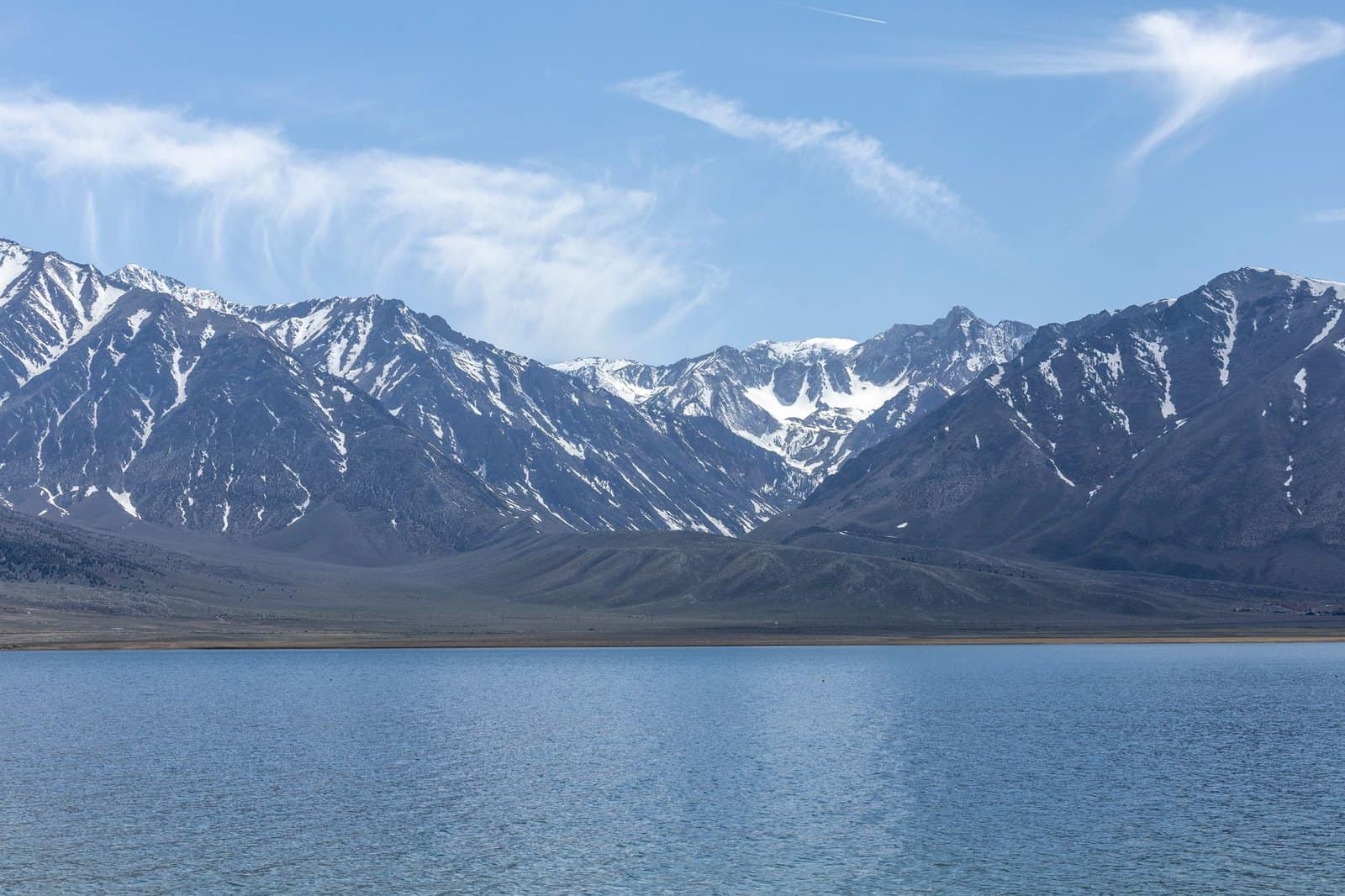
Great Basin sits near the Utah border in eastern Nevada, about five hours from Las Vegas and four hours from Salt Lake City. The nearest town is Baker, a tiny community just outside the park entrance. The park protects a slice of the Great Basin region, a vast area of mountain ranges and valleys where rivers do not drain to the sea.
Winter conditions vary widely. The lower elevations near the visitor center can be relatively mild on sunny days, while the high country gets deep snow. Check current conditions and road status before you go, and come prepared for cold.
1. Tour Lehman Caves
Lehman Caves is the park’s best-known attraction and one of the most decorated caves in the West. According to the U.S. Geological Survey and the NPS, Absalom Lehman, a rancher and miner, began leading tours of the cave in 1885. Early visitors carried candles or lanterns, climbed ladders, and broke off formations as souvenirs. Today, the cave is protected and lit, with paved paths.
The cave is known for its shield formations, flat disk-shaped formations that are rare in most caves. You will also see stalactites, stalagmites, columns, draperies, and helictites. Ranger-led tours run year-round, and the NPS notes that winter tours often have smaller groups. Reserve tickets ahead through Recreation.gov, since tours can sell out even in the off-season.
The cave stays a steady temperature year-round, cooler than room temperature, so bring a light jacket.
2. Snowshoe with free loaner snowshoes
The park’s snowshoe loan program offers free snowshoes in adult and kid sizes at the Lehman Caves Visitor Center. That means you can try snowshoeing without buying or renting gear. Bring warm, waterproof boots and layered clothing.
Trails near the visitor center and lower campgrounds are good for beginners, while higher routes offer more challenge. Ask rangers about current snow conditions and recommended routes.
3. Ski or snowshoe the closed scenic drive
When the Wheeler Peak Scenic Drive closes to vehicles, it becomes a winter route for skiers and snowshoers. The road climbs steadily into the mountains, with views of the Snake Range and valleys below. You can go as far as your energy and conditions allow.
The NPS asks snowshoers to avoid walking on ski tracks when practical, especially on the scenic drive and Baker Creek Road, so that skiers have a smooth track. Register at the visitor center before longer trips and check out when you return.
4. Camp at Lower Lehman Creek
Lower Lehman Creek Campground stays open through the winter, making Great Basin one of the more accessible national parks for winter camping. Sites sit among trees along a creek at a lower elevation than the high-country campgrounds. Nights can be very cold, so bring a sleeping bag rated well below freezing.
The NPS also allows camping in the closed Wheeler Peak Campground during winter at no charge, for those willing to ski or snowshoe in. Backcountry camping follows the same rules as in summer. Check current regulations before heading out.
5. Stargaze in an International Dark Sky Park
Great Basin was designated an International Dark Sky Park in 2016. The park’s remote location, dry air, and lack of light pollution create some of the darkest skies in the lower 48 states. On clear nights, you can see the Milky Way, planets, and thousands of stars with the naked eye.
Winter nights are long, giving you more hours of darkness to stargaze. Dress warmly, bring a red flashlight to protect your night vision, and give your eyes 20 to 30 minutes to adjust. The park’s Astronomy Amphitheater near the Lehman Caves Visitor Center is a good spot, though ranger-led astronomy programs are more common in summer.
6. Visit the town of Baker
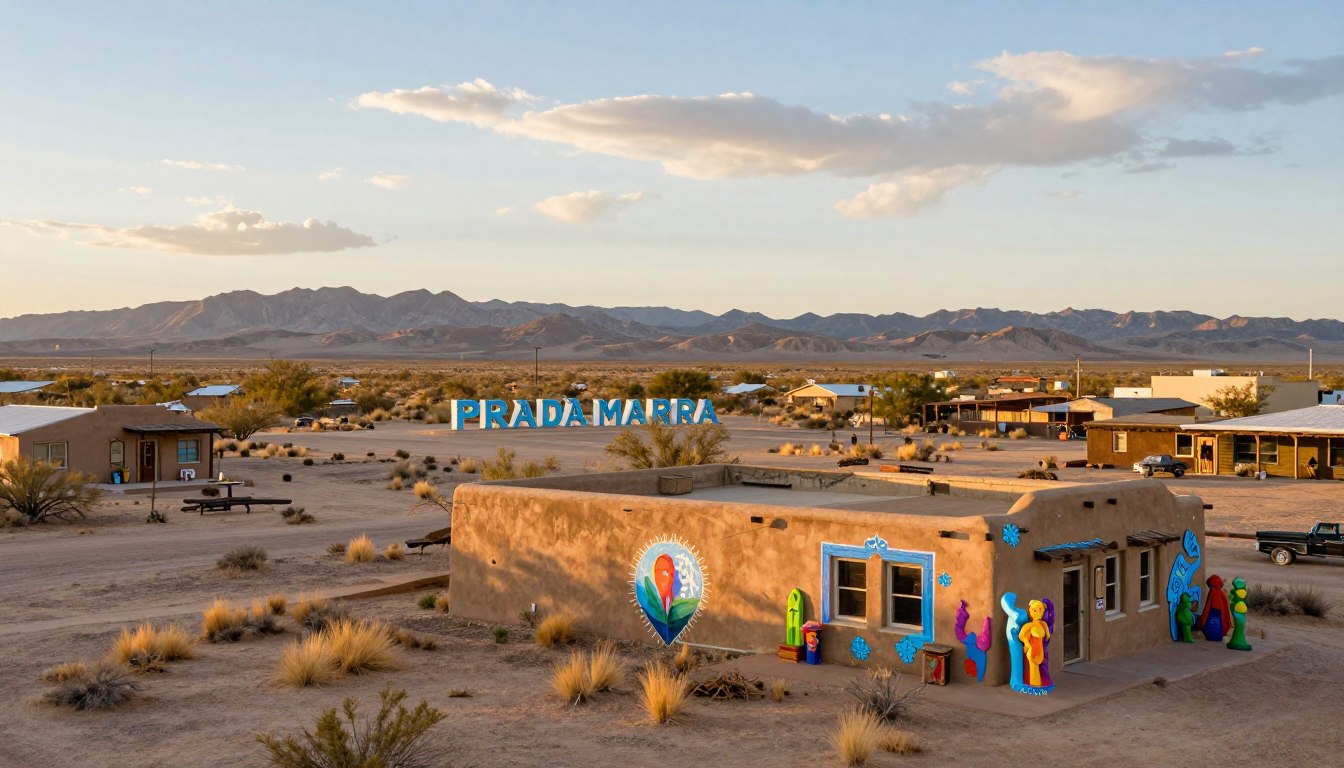
Baker is a small town of only a few dozen to a few hundred residents, depending on the season, located just outside the park. It has a few lodging options, a small number of restaurants with limited winter hours, and quirky roadside art. Along the road between Baker and the park, look for the fence posts decorated with cowboy boots and other creative displays.
Winter hours in Baker are limited, so plan ahead for food and fuel. Bring groceries and fill your gas tank before you arrive. The nearest larger town for supplies is Ely, about an hour away.
7. Drive U.S. 50 across the Great Basin
Getting to Great Basin is an adventure in itself. Many visitors arrive via U.S. 50, which Life magazine called “The Loneliest Road in America” in 1986. The highway crosses central Nevada through a series of mountain ranges and wide valleys with few towns and very little traffic.
In winter, the drive is stark and beautiful, with snow on the peaks and empty desert below. Fill up on gas whenever you can, carry emergency supplies, and check road conditions, since mountain passes can see snow.
What is not available in winter
To set expectations, here is what you generally cannot do when the scenic drive is closed:
- Drive to the Wheeler Peak trailheads and high-elevation campgrounds.
- Easily reach the Bristlecone Pine Grove, home to some of the oldest trees on Earth, without a long ski or snowshoe trip.
- Hike to the alpine lakes and the rock glacier below Wheeler Peak without winter skills and gear.
The Bristlecone Pine Grove is one of the park’s signature sights in summer. Great Basin bristlecone pines can live for thousands of years, and the park protects several groves. In winter, they are reachable only by experienced travelers prepared for deep snow and avalanche terrain.
Where to stay and eat
Lodging near Great Basin is limited, and winter options shrink further. Baker has a small number of motels, inns, and rental cabins, some of which close or reduce availability in the off-season. Ely, about an hour west, has more motels and restaurants and is a practical base if Baker is full.
Plan meals carefully. Restaurants in Baker may have limited winter hours or close on certain days, and the park has no winter food service. A good approach is to stock a cooler in Ely or Delta, Utah, before you arrive. If you are camping, bring a stove that works reliably in cold temperatures and extra fuel, since canister stoves can struggle below freezing.
How Great Basin compares in winter
Many national parks in the West are busy even in winter. Zion, Grand Canyon, and Joshua Tree draw large crowds on holidays and weekends. Great Basin is different. Its remote location and long drive from major cities keep visitor numbers low, and in winter the park can feel almost empty.
That quiet is the main reason to go. You can stand at a viewpoint and hear nothing but wind, walk a trail without meeting another person, and look up at a night sky so dark that the Milky Way casts faint shadows on the snow.
Winter safety
Winter in the mountains requires preparation:
- Register your trip at the visitor center and check out when you return.
- Carry extra layers, food, water, and a map.
- Know the signs of hypothermia and frostbite.
- Check avalanche conditions before traveling in steep terrain.
- Tell someone your plans.
Cell service is limited in much of the park, so do not count on your phone for help.
Why go in winter?
Great Basin is one of the less-visited national parks in the West, even in summer. In winter, you may have trails and campgrounds almost to yourself. The combination of a decorated cave, snowy mountains, and some of the darkest skies in the country makes for a winter trip that feels very different from busier parks.
It is also a good stop on a longer road trip through Nevada and Utah. You can combine it with Utah’s national parks, a drive along U.S. 50, or a visit to Ely’s historic Nevada Northern Railway.
The bottom line
The Wheeler Peak Scenic Drive closes to cars in winter, but Great Basin National Park stays open. You can tour Lehman Caves, borrow free snowshoes, ski or snowshoe the closed road, camp at Lower Lehman Creek, stargaze under dark skies, explore Baker, and drive one of America’s emptiest highways to get there. Plan ahead, bring warm gear, and you will see a side of the park most visitors never do.