Butte’s Pasty Came Over With Cornish Miners. 7 Things to Know Before You Order One in Montana
We may earn money or products from the companies mentioned in this post. This means if you click on the link and purchase the item, I will receive a small commission at no extra cost to you ... you're just helping re-supply our family's travel fund.
The Butte pasty is one of Montana’s most distinctive foods: a heavy, golden pastry filled with beef, potatoes, and onions that arrived in this copper-mining city with immigrant miners from Cornwall and Wales more than a century ago. It is still sold at bakeries, cafes, and grocery stores around town, and people in Butte treat it as a point of local pride.
According to a Fox News food feature on Butte’s pasties, the meat and potato pies were introduced by immigrant miners and adopted by workers of many nationalities who saw how convenient and filling they were. Miners carried pasties in their lunch pails thousands of feet underground. Today, the pasty is as tied to Butte’s identity as the Berkeley Pit and native son Evel Knievel.
If you are visiting Butte, ordering one is close to a requirement. Here are seven things to know first.
What to know about the Butte pasty
Butte grew into one of the largest cities in the West during the copper mining boom of the late 1800s and early 1900s. Miners came from Ireland, Cornwall, Wales, Italy, Serbia, Finland, China, and many other places. Each group brought its own food, but the pasty became the shared lunch of the mines. Knowing its background makes the meal more meaningful.
1. It is pronounced PASS-tee
The first thing to get right is pronunciation. A pasty, as in the food, rhymes with “nasty,” not “tasty.” Say PASS-tee. Pronouncing it PAY-stee refers to something else entirely and will get you a look at the counter.
Locals are used to visitors getting it wrong, but saying it right is an easy way to show respect for the tradition.
2. It is a hand pie built for miners
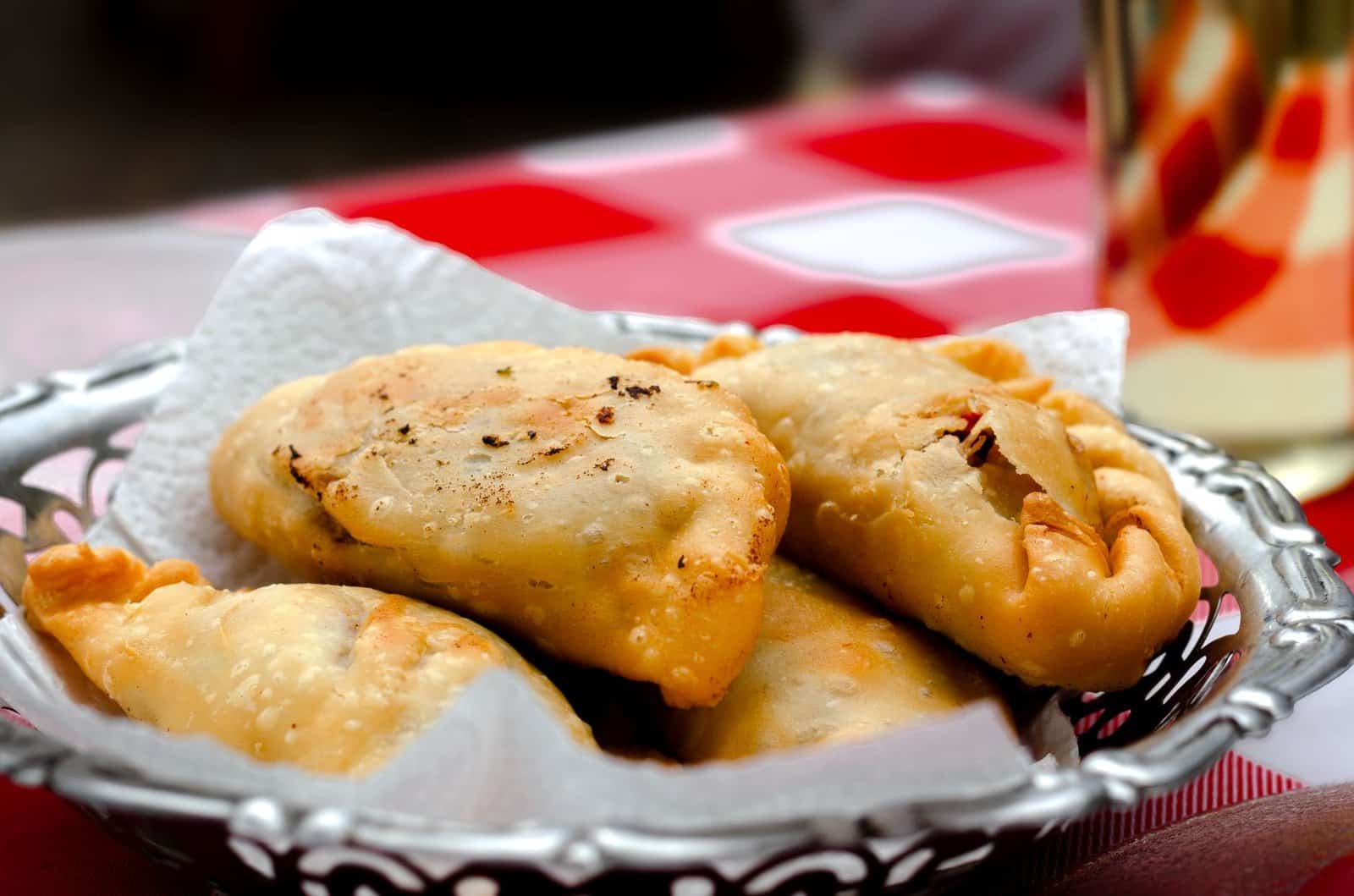
A pasty is a pastry crust filled with diced or chopped beef, potatoes, and onions, sometimes with carrots or rutabaga, folded over and crimped along one edge, then baked. The filling cooks inside the crust, so the juices stay sealed in.
The design was practical. Cornish miners could carry pasties underground and eat them with their hands. The thick crust kept the filling warm and protected it from dirt. Stories from Cornwall say miners sometimes held the crimped edge and threw it away to avoid eating dirt from their hands, though how common that practice was is debated.
3. Butte pasties are big and heavy
Butte pasties tend to be substantial. The Fox News feature described them as resembling a brick in both shape and weight. A single pasty is a full meal for most people, and some bakeries sell smaller sizes for lighter appetites.
That size made sense for miners doing hard physical labor all day. For visitors, it means one pasty can easily replace lunch and maybe dinner too.
4. Gravy is a common local add-on
Traditional Cornish pasties are usually eaten without sauce. In Butte, many shops offer brown gravy to pour over the top or serve on the side. Some locals swear by gravy, others prefer ketchup, and purists eat it plain.
There is no wrong answer, but if you want to try the Butte way, ask for gravy. Reviews of Butte pasty shops often mention generous servings of rich brown gravy, sometimes in a separate container for takeout.
5. They reheat well, so buy extra
Pasties hold up well in the fridge and freezer, which makes them a practical road-trip food. Many Butte shops sell them hot for eating right away and cold or frozen for reheating later. Reheat in an oven rather than a microwave to keep the crust crisp.
If you are driving through Butte on Interstate 15 or Interstate 90, which cross in the city, picking up a few pasties for the road is a classic move.
6. The pork chop sandwich is Butte’s other classic
Butte’s mining history produced another famous cheap eat: the pork chop sandwich. It is a breaded, fried pork cutlet served on a bun with toppings like mustard, pickles, and onions. Pork Chop John’s, which has served the sandwich in Butte since the 1920s, is the best-known spot.
If you have time for two meals in Butte, try a pasty and a pork chop sandwich. Together they tell the story of a working-class city that fed thousands of miners on a budget.
7. Michigan’s Upper Peninsula is the other big pasty region
Butte is not the only American place with a pasty tradition. Michigan’s Upper Peninsula, another mining region settled by Cornish miners, is famous for its pasties too. The UP has pasty shops, festivals, and debates about whether rutabaga belongs in the filling.
Butte and the UP share a history: both drew Cornish miners with mining expertise, and both kept the pasty alive long after the original mines declined. Comparing the two regional styles is a fun project for food-loving road trippers.
Why the pasty matters in Butte
Butte was once called “the Richest Hill on Earth” because of the enormous amounts of copper mined beneath it. Copper from Butte helped wire America for electricity and telephones in the early 20th century. Thousands of miners worked underground in dangerous conditions, and the city’s culture grew around that work.
The pasty is a direct link to that history. It was the food of the mines, shared across ethnic groups who otherwise often lived in separate neighborhoods. Today, it represents Butte’s identity as a tough, working-class city that remembers where it came from.
Where to find one
Pasties are sold all over Butte, from dedicated pasty shops to bakeries, diners, and grocery store delis. Ask locals for their favorite, and you will get strong opinions. Some shops have been making pasties for decades using family recipes.
When you order, look for a crust that is golden and flaky, and filling that is moist rather than dry. The beef should be tender, and the potatoes cooked through.
What else to see in Butte
Pair your pasty with a look at the city’s mining history:
- Uptown Butte: The historic downtown is part of one of the largest National Historic Landmark districts in the country, with brick buildings from the mining era.
- Headframes: Steel headframes, called “gallows frames” locally, still stand over old mine shafts around the city.
- Berkeley Pit: A former open-pit copper mine now filled with acidic, metal-laden water. A viewing stand lets visitors look into the pit seasonally.
- World Museum of Mining: A museum on the site of a former mine, with a recreated mining town and exhibits.
- Our Lady of the Rockies: A 90-foot statue on the Continental Divide overlooking the city.
Check seasonal hours for museums and attractions, since some close or reduce hours in winter.
Pasty traditions around Butte
Pasties show up at more than lunch counters. In Butte, they are a common fundraiser food for churches, schools, and community groups, sold by the dozen to families who stock their freezers. They appear at local events and gatherings, and many families have a relative known for making the best ones.
Butte’s St. Patrick’s Day celebration, one of the biggest in the region thanks to the city’s large Irish heritage, draws thousands of visitors each March. Pasties are among the hearty foods you will find around town during the festivities, alongside corned beef and plenty of beer.
How Butte pasties differ from Cornish pasties
Visitors who have eaten pasties in Cornwall may notice differences in Butte. Traditional Cornish pasties are typically D-shaped with a crimped edge along the side, and the Cornish pasty has protected geographical status in the United Kingdom, with specific rules about its ingredients and shape for products sold under that name.
Butte pasties are often more rectangular or loaf-shaped, larger, and frequently served with gravy, which is not typical in Cornwall. The filling usually sticks to beef, potatoes, and onions, though some versions add other vegetables. The changes reflect a century of local adaptation by bakers working for hungry miners and their families.
A quick guide to ordering
- Say PASS-tee.
- Ask for gravy if you want the Butte style.
- Bring an appetite or plan to share.
- Buy extra for the road.
- Try a pork chop sandwich too.
How to make a pasty at home
If you want to try making a Butte-style pasty, start with a sturdy pie crust. Roll it into a circle, then layer diced raw beef, diced potatoes, chopped onions, salt, and pepper on one half. Fold the crust over, crimp the edges tightly, and cut a small vent in the top. Bake until the crust is golden and the filling is cooked through, usually around an hour at moderate heat.
Recipes vary, and families often have their own versions. Some add carrots, rutabaga, or butter on top of the filling before sealing. Serve with gravy if you want the Butte touch.
The bottom line
The Butte pasty came to Montana with Cornish and Welsh miners and became the shared lunch of one of the West’s great mining cities. Pronounce it PASS-tee, expect it to be big, try it with gravy, and buy extra for the road. When you eat one in Butte, you are eating a piece of the city’s working history.