Why Fairbanks Tourism Splits in Two: 21 Hours of Daylight in June, Then Almost None in December
We may earn money or products from the companies mentioned in this post. This means if you click on the link and purchase the item, I will receive a small commission at no extra cost to you ... you're just helping re-supply our family's travel fund.
Fairbanks, Alaska sits close enough to the Arctic Circle that its daylight hours swing to genuine extremes across the year, with roughly 21 hours of daylight around the summer solstice in June and barely three or four hours of weak daylight around the winter solstice in December, a seasonal swing dramatic enough that the city has built two almost entirely separate tourism industries around each extreme rather than trying to market itself with a single unified seasonal identity.
Summer visitors come primarily for the near-endless daylight itself, along with access to Denali National Park and the broader Alaskan wilderness during the only months when road access and hiking conditions are reliably favorable, while winter visitors come specifically for the aurora borealis, since Fairbanks sits directly beneath one of the most reliable aurora viewing zones in the world during its long, dark winter nights.
Why Fairbanks Became One of the World’s Most Reliable Aurora Viewing Destinations
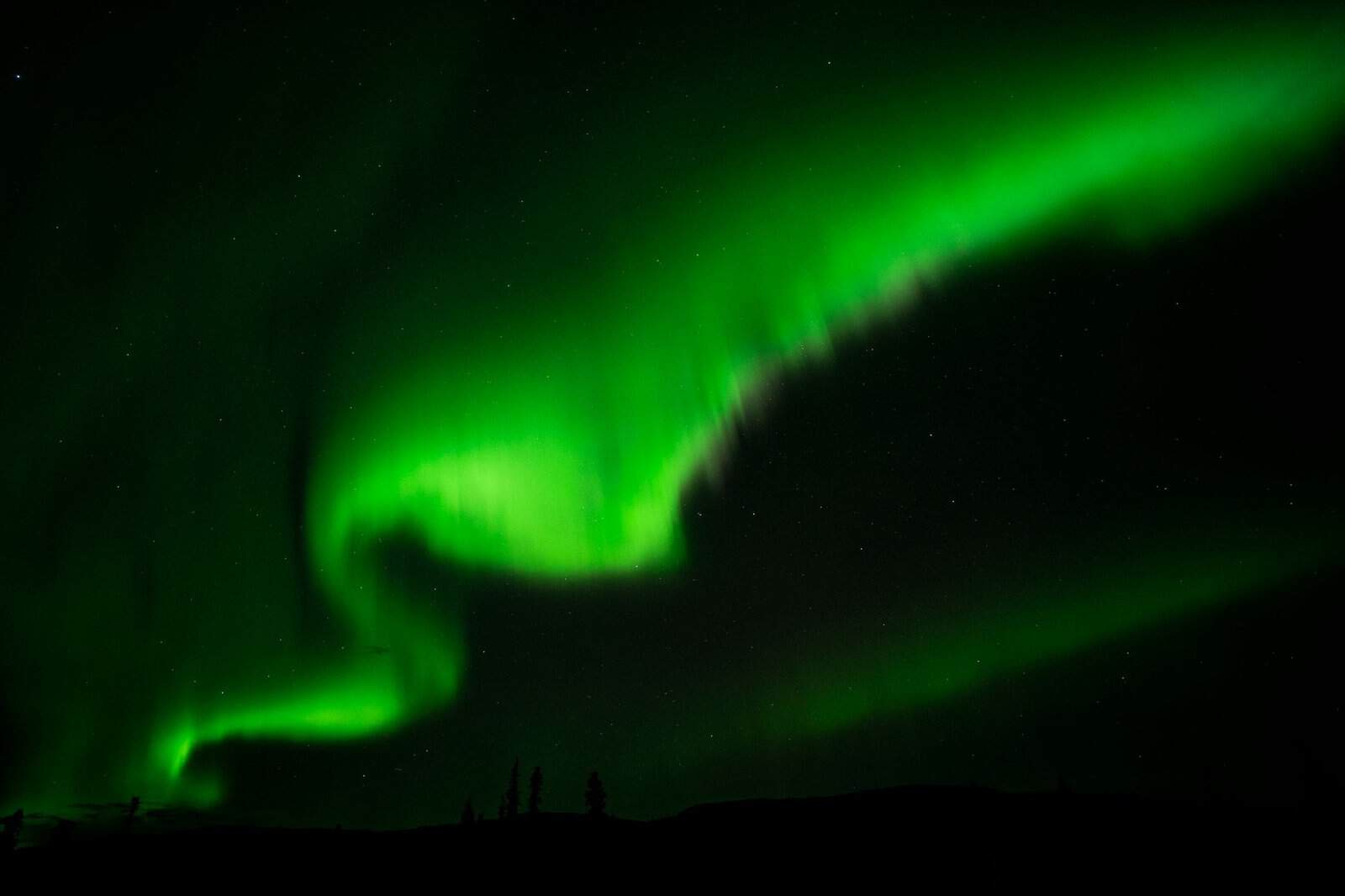
Fairbanks’s location beneath the auroral oval, the ring-shaped zone around the Earth’s magnetic poles where aurora activity concentrates most reliably, gives the city genuinely higher odds of aurora visibility on any given clear winter night than almost anywhere else accessible by commercial flight, a combination of latitude and accessibility that has made it one of the world’s most commercially developed aurora tourism destinations.
Local tour operators have built an entire winter tourism infrastructure specifically around aurora viewing, including heated viewing cabins, dedicated aurora forecasting services, and multi-night package tours designed to maximize a visitor’s odds of witnessing a strong display during their stay, since aurora visibility depends on both solar activity and clear skies, factors no operator can fully guarantee on any single given night.
The Extreme Cold That Shapes Every Aspect of Winter Tourism
Fairbanks winter temperatures regularly drop to negative 20 or negative 30 degrees Fahrenheit, extreme cold that requires specialized tourism infrastructure most visitors have never encountered elsewhere, including heated outdoor gear rental services, vehicles equipped with engine block heaters plugged in continuously to prevent freezing, and safety protocols that tour operators take considerably more seriously than cold-weather tourism operations almost anywhere else in the country.
This extreme cold has itself become part of the tourism draw rather than simply an obstacle to manage, with some visitors specifically seeking out the novelty of experiencing temperatures this extreme, participating in activities like the World Ice Art Championships, an internationally recognized ice sculpture competition held in Fairbanks each winter that draws professional ice carvers from around the world.
How Endless Summer Daylight Creates an Entirely Different Visitor Experience
Summer visitors to Fairbanks experience a genuinely disorienting amount of daylight, with the sun barely dipping below the horizon around the June solstice, a phenomenon locals have learned to build an entire cultural calendar around, including a traditionally scheduled midnight baseball game played annually without artificial lighting, taking full advantage of the sky’s genuine brightness even at midnight during the peak of summer.
This extended daylight also extends the practical hiking and outdoor recreation season considerably, giving visitors far more flexible daily scheduling for excursions into the surrounding wilderness than the compressed daylight windows available during much of the rest of the year would allow, a factor that makes summer the preferred season for visitors specifically interested in wilderness access rather than aurora viewing.
Denali National Park’s Role in Fairbanks’s Summer Tourism Economy
Denali National Park, home to the tallest mountain in North America, sits roughly two hours south of Fairbanks by road, making the city a common gateway and overnight base for visitors approaching the park from the north, a role that has supported a substantial share of Fairbanks’s summer hotel and tour business independent of the city’s own more limited direct attractions.
Park access itself remains highly seasonal, with the park’s single road largely inaccessible to private vehicles beyond a certain point and most visitor services operating only during the summer season, reinforcing just how completely Fairbanks’s warm-season tourism economy depends on a narrow window of favorable conditions each year.
What This Two-Season Tourism Model Means for the Local Economy
Fairbanks’s tourism industry has effectively built two separate seasonal workforces and marketing campaigns rather than trying to smooth demand into a single continuous tourism season, a structural adaptation to genuinely extreme and opposite seasonal conditions that few other American tourism destinations need to manage at anywhere near this scale.
Shoulder seasons in spring and fall remain considerably quieter for tourism, creating a distinct slow period between the two peak seasons that local businesses have had to plan around carefully, often using these transition months for maintenance, staff transitions, and preparation for whichever peak season is approaching next.