Corpus Christi Has 150 Miles of Coast and a Warship the Size of an Aircraft Carrier. Nobody Talks About Either
We may earn money or products from the companies mentioned in this post. This means if you click on the link and purchase the item, I will receive a small commission at no extra cost to you ... you're just helping re-supply our family's travel fund.
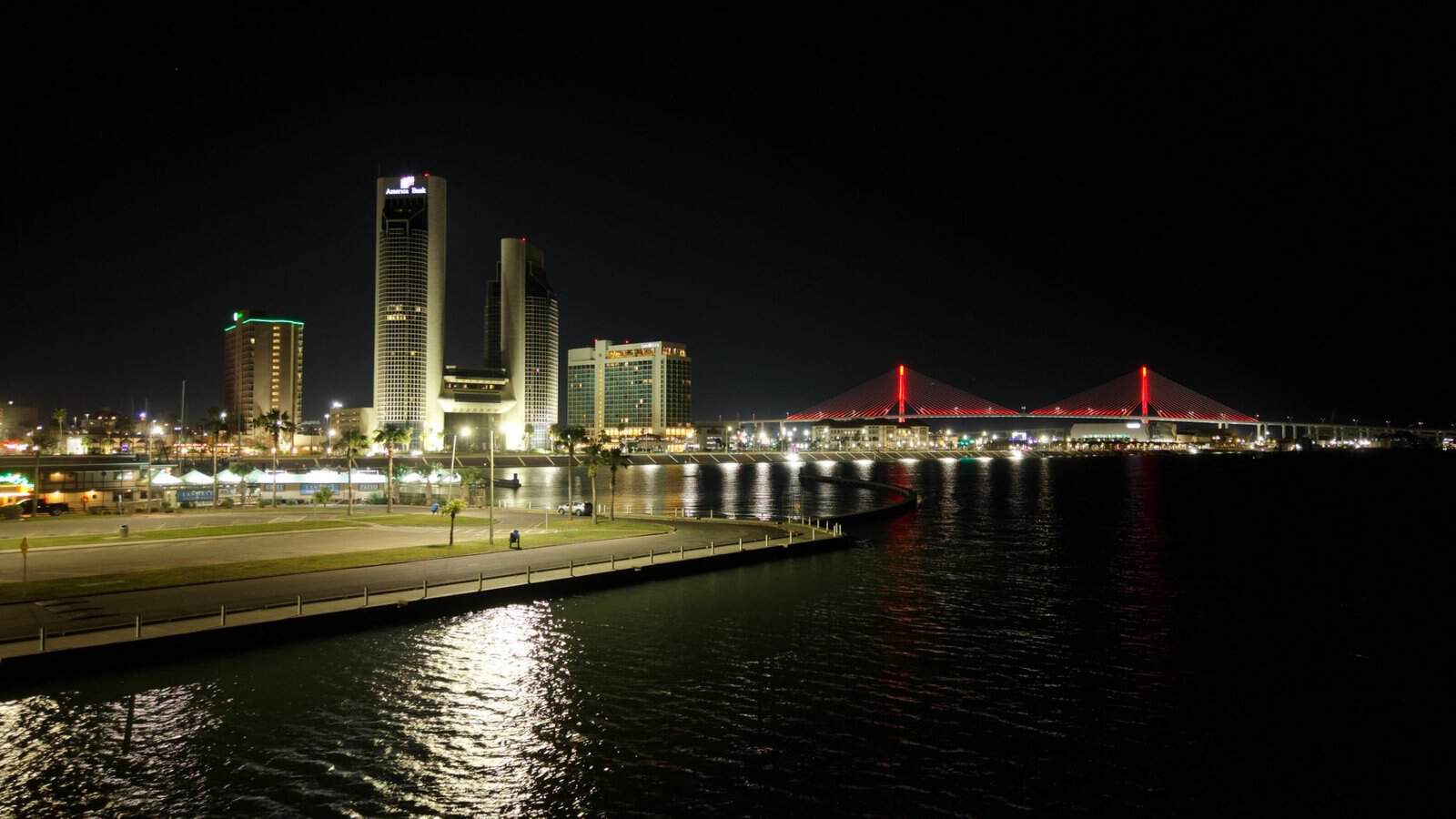
Corpus Christi, Texas is the eighth-largest city in the state and the largest city on the Texas Gulf Coast, and it exists in something close to a national travel media blind spot. The Texas beach conversation goes to Galveston (Houston’s beach), South Padre Island (spring break), and occasionally Port Aransas (the charming fishing town). Corpus Christi, which anchors the middle of the Texas coast and has access to the longest undeveloped barrier island in the world, gets written about less than any of them despite having more to offer than most.
What Corpus Christi Has That Texas Beach Tourism Ignores
The USS Lexington
The USS Lexington (CV-16) is a WWII-era Essex-class aircraft carrier moored in Corpus Christi Bay, open as a museum, and at 888 feet long, one of the most physically impressive museum ships in the United States. Visitors can walk the flight deck, explore the hangar bay, tour the engine rooms, and experience a physical scale that photographs don’t capture. The ship served 47 years in the US Navy and saw combat from 1943 through the Vietnam era. It’s a better naval museum experience than the Midway in San Diego in several respects, and it’s in Corpus Christi, which is why most Americans have never heard of it.
Padre Island National Seashore
Padre Island National Seashore — accessible from Corpus Christi — is the longest stretch of undeveloped barrier island in the world at 70 miles. Drive 5 miles past the visitor center on the beach road and you’re past the day-use crowds. Drive 15 miles on the four-wheel-drive primitive road and you’re in one of the most remote wild beach environments in the lower 48 states. The Kemp’s ridley sea turtle — the world’s most endangered sea turtle — nests here, and the National Park Service conducts public turtle releases of hatchlings during nesting season (typically June–August).
The Birding
The Corpus Christi area is considered one of the top 5 birding destinations in North America — it sits on the Central Flyway migration corridor and has habitat diversity (coastal marsh, barrier island, ranchland, shallow bay) that supports an extraordinary species diversity. Whooping cranes winter at Aransas National Wildlife Refuge 40 miles north — the entire wild population of this endangered species winters here. The Great Texas Coastal Birding Trail passes through Corpus Christi with dozens of designated sites. This is not niche interest travel; birding tourism generates significant economic activity in coastal Texas and draws visitors from across the world to places that general travel coverage ignores entirely.
Corpus Christi isn’t competing to be the Texas coast’s most glamorous destination. It’s the one with the aircraft carrier, the national seashore, the endangered turtles, and the whooping cranes. For travelers whose interests extend beyond Instagram beach pictures, it’s the most interesting place on the Texas coast. It just needs to be found.