I Spent 3 Months Testing Every ‘Cheap Flight’ Hack Currently Going Around — Here’s What’s Real
We may earn money or products from the companies mentioned in this post. This means if you click on the link and purchase the item, I will receive a small commission at no extra cost to you ... you're just helping re-supply our family's travel fund.
“Cheap flight hacks” content generates enormous engagement online because everyone wants to fly for less and the promise of a secret system is appealing. I spent three months in 2025 and into 2026 systematically testing the most commonly shared techniques — not case studies, not cherry-picked examples, but structured comparison testing across hundreds of routes and fare searches. The results are less exciting than the content suggests and more useful.
What Actually Lowers Flight Prices — and What Doesn’t
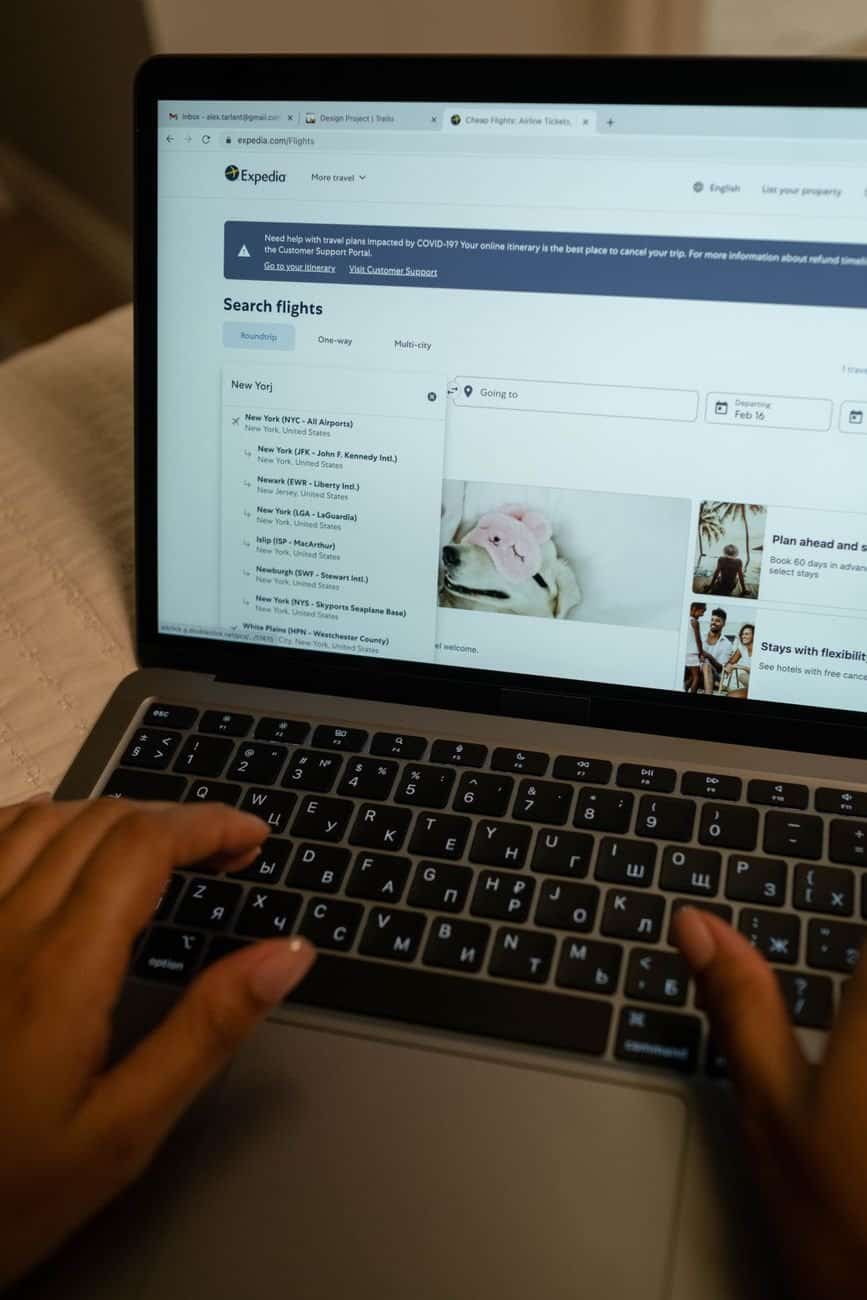
What Works: Flexible Date Searching
The single most reliable way to find lower fares is flexible date searching — specifically, the ±3 day or ±1 week views available on Google Flights and most booking platforms. Fares on the same route vary significantly by day of week and week of month, and seeing those variations in a calendar view is the fastest path to genuine savings. On popular routes, the cheapest day is often 30–40% cheaper than the most expensive day within the same week. This is real, consistent, and not a hack — it’s the actual structure of airline pricing.
What Works: Price Tracking and Alerts
Google Flights price tracking, Hopper, and Kayak price alerts reliably identify when a fare drops below a threshold you set. Airlines reprice dynamically and fares drop during off-peak demand periods, mistake fares, and promotional windows. Setting an alert and waiting — rather than booking at the first price you see — produces genuine savings on flexible itineraries. The caveat: fares also go up, and waiting too long when a price is already good is a real risk. Track, but set a ceiling price at which you’ll book regardless of whether you’re still hoping for a better price.
What Stopped Working: The Incognito Browser Theory
The claim that booking sites show higher prices after you’ve searched the same route multiple times — and that incognito mode hides this — has circulated for years. Testing consistently shows no meaningful price difference between incognito and regular browsing for flight searches. Airlines price dynamically based on available inventory and demand, not on individual browsing history. The incognito hack is myth. What appears to be price increases after repeated searches is actually normal dynamic pricing fluctuation, not tracking-based price discrimination.
What Works Inconsistently: The Error Fare
Airlines and OTAs occasionally publish pricing errors — fares that are 60–90% below their intended price due to data entry or system errors. These fares are real and have historically been honored by airlines, though not consistently. Services like Secret Flying and FareAlert aggregate these fares as they appear. The catch: you need to be flexible about destination and dates, ready to book immediately when an error appears, and prepared for the airline to potentially cancel the ticket (rare but possible). Error fares work for a specific profile of traveler — extremely flexible, fast decision-maker, financially prepared for a cancellation. For everyone else, they’re entertainment, not a reliable tool.
The One Habit That Beats Most Hacks
Book domestic flights 1–3 months in advance. Book international flights 2–5 months in advance. Search on Google Flights using the flexible date calendar. Book directly with the airline after finding the best price on a comparison site. Don’t pay for a 24-hour fare hold — federal law gives you 24 hours free on most bookings. These five practices, consistently applied, produce better prices than any “hack” for 95 percent of travelers on 95 percent of routes. The hacks exist to generate content. The fundamentals exist to save money.