Pittsburgh Was the City Everyone Wrote Off. The Numbers From the Last 5 Years Tell a Different Story
We may earn money or products from the companies mentioned in this post. This means if you click on the link and purchase the item, I will receive a small commission at no extra cost to you ... you're just helping re-supply our family's travel fund.
Pittsburgh has been called a “comeback city” so many times that the phrase has lost meaning for people who’ve heard it applied to every Rust Belt city since 1985. What’s different in 2026 is that some of the numbers have actually moved — not all of them, not enough to declare victory, but in specific ways that distinguish Pittsburgh from most comparable post-industrial cities that are still performing the comeback narrative without the underlying progress.
What the Data Actually Shows
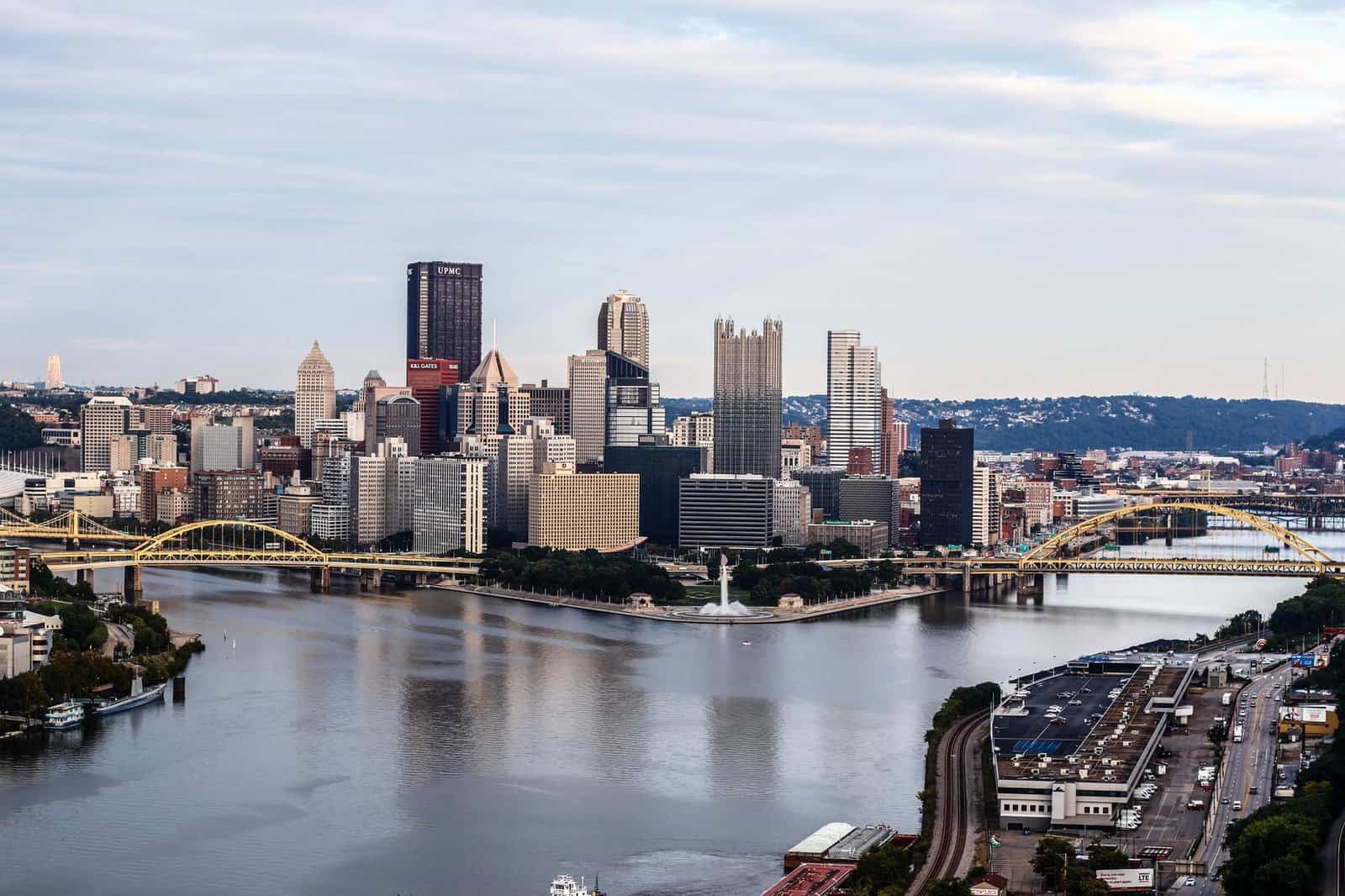
Pittsburgh’s population in the city proper has stabilized after decades of decline — the metro area, including Allegheny County, is essentially flat rather than falling. That’s a meaningful change from the consistent decline of the 1970s–2000s. Carnegie Mellon University and the University of Pittsburgh have together made Pittsburgh a genuinely significant tech and life sciences research hub. CMU’s AI program in particular has become one of the most important in the world, and the spillover into local startup formation and tech hiring is real in a way that wasn’t true before 2015.
The neighborhoods that have genuinely improved are specific and require specific naming to be useful. Lawrenceville (especially Butler Street), East Liberty, and the South Side Slopes have developed into real dining and bar corridors. Shadyside and Squirrel Hill have been consistently strong for decades. Oakland (the university district) maintains its own energy. Strip District has completed a transformation from produce market to a food hall and weekend brunch destination that’s become a Pittsburgh signature experience.
The Housing Market in 2026
The median home price in Pittsburgh city proper is approximately $220,000 as of 2026 — among the most affordable of any large American city with an improving economy and active tech sector. Even in the desirable neighborhoods (Lawrenceville, Squirrel Hill, Shadyside), homes are available in the $280,000–$400,000 range that would be $700,000+ in comparable Boston or DC neighborhoods. Pennsylvania has a relatively low property tax rate for most Allegheny County municipalities, and the state income tax is a flat 3.07%.
What Pittsburgh Offers as a Travel Destination
The cultural infrastructure most visitors underestimate:
- Carnegie Museum of Art and Natural History: shared campus, strong collections, Tuesday afternoons are free for Allegheny County residents
- Andy Warhol Museum: the most comprehensive single-artist museum collection in the world, genuinely excellent
- Pittsburgh Symphony Orchestra: one of the top ten orchestras in the United States
- Phipps Conservatory: botanical garden that holds its own against larger city counterparts
- Mt. Washington inclines: two historic funiculars with city views from above — legitimately one of the best urban panoramas in America
What Pittsburgh Still Struggles With
The honest constraints:
- Weather: grey and cold from November through March, with limited outdoor recreation draws in winter
- Geography: the river valleys and hills create genuine navigation challenges — Pittsburgh is famously hard to drive in without local knowledge
- Concentrated poverty: significant economic inequality, particularly on the north side and in declining inner-ring suburbs
- Airport connectivity: Pittsburgh International has direct routes to major hubs but fewer connections than its size would suggest warranted
Pittsburgh is a real city that has built real things on the wreckage of real industrial decline. The culture is genuine, the food scene is meaningful, the academic and tech ecosystem is substantive, and the prices for housing and dining are significantly below comparable cities. It doesn’t require the comeback label anymore — it requires honest description of what it is: a mid-size American city with serious institutions, affordable real estate, legitimate neighborhoods, and the usual collection of urban challenges that any honest city acknowledges rather than hides.
What Pittsburgh’s Comeback Actually Looks Like
Pittsburgh’s technology sector is concentrated at Carnegie Mellon University’s robotics and AI research programs, which have made the city one of the three primary US hubs for autonomous vehicle research alongside San Francisco and Detroit. Uber ATG’s Pittsburgh operation, the Aurora Innovation campus, and Google’s Pittsburgh office all draw from CMU’s graduate pipeline. The technology income has changed the economics of neighborhoods like Shadyside, East Liberty, and Squirrel Hill in ways that are visible in the restaurant and retail investment.
The Pittsburgh paradox is that the comeback narrative, which has been running since roughly 2010, has made the city more expensive without making it expensive. Median home prices around $200,000 in 2026 keep Pittsburgh significantly below the national median even after a decade of revitalization investment. The neighborhoods that have gentrified — Lawrenceville, East Liberty, Bloomfield — have gentrified to a Midwest mid-range level, not to the Brooklyn or Capitol Hill level that comparable narratives produced in coastal cities. This means Pittsburgh’s transformation is still accessible as a resident and as a visitor in a way that most comparable American comeback stories have already moved past.