TSA PreCheck and Global Entry Don’t Cover What You Think — The Gaps People Find Out About at the Airport
We may earn money or products from the companies mentioned in this post. This means if you click on the link and purchase the item, I will receive a small commission at no extra cost to you ... you're just helping re-supply our family's travel fund.
You paid $85 for TSA PreCheck. Or $100 for Global Entry, which includes PreCheck. You did the interview, got the approval, put the Known Traveler Number in every booking. You believe you have purchased your way out of airport security hell.
Then you get to the airport.
Your boarding pass doesn’t show the PreCheck indicator. The airline you’re flying doesn’t participate. You’re entering the country through an airport that routes you through a different process entirely. Or you got flagged for secondary inspection despite Global Entry, and now you’re missing your connection.
None of this is disclosed prominently when you sign up. You find it out at the airport, when it’s too late.
What These Programs Actually Promise
Let’s establish what these programs actually guarantee before covering what they don’t.
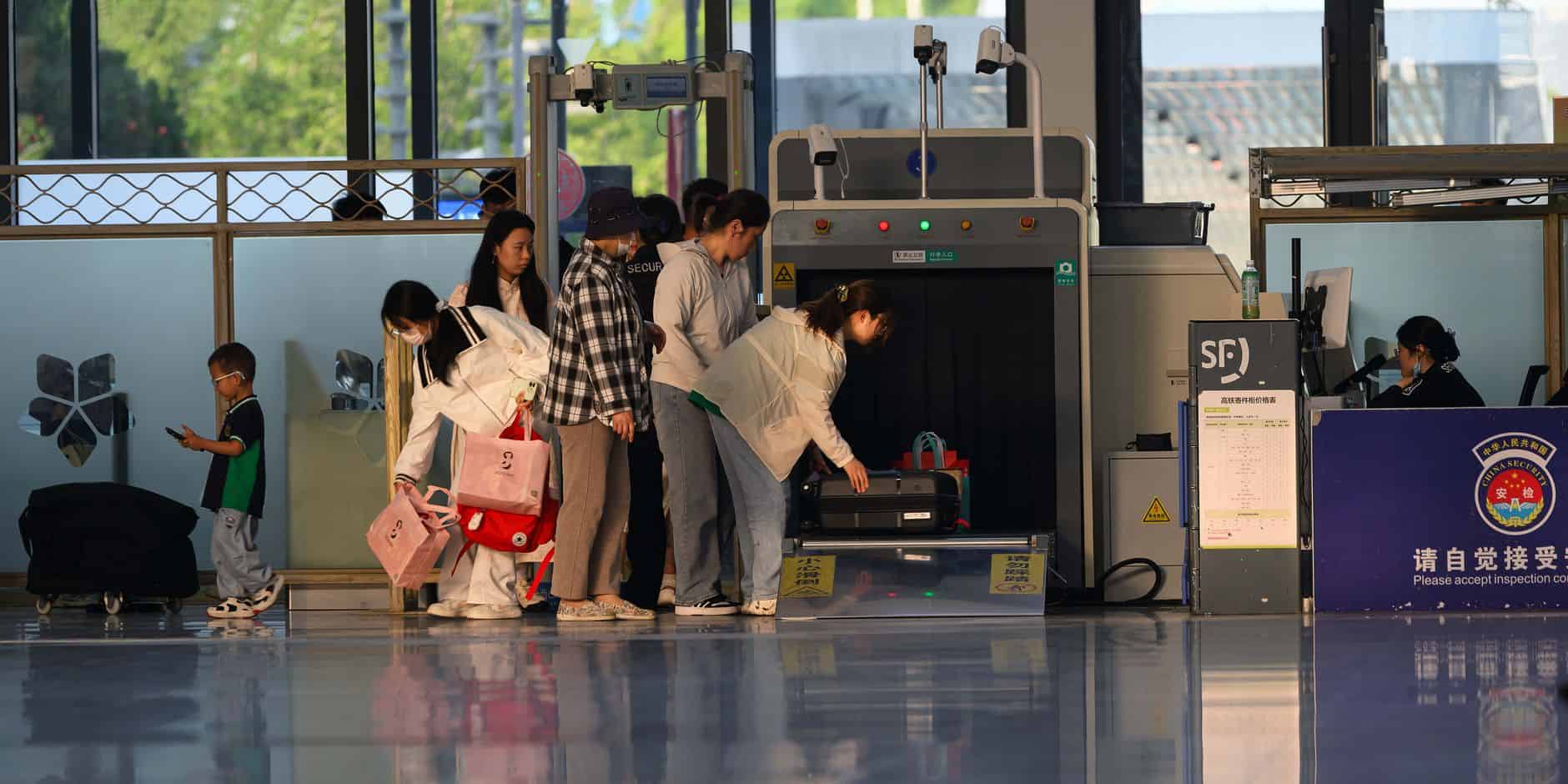
TSA PreCheck gives you access to dedicated screening lanes at participating airports where you can keep your shoes on, your laptop in your bag, and your liquids in your carry-on. The lanes are typically shorter than the standard lines.
Global Entry is a CBP program that lets you use automated kiosks when re-entering the United States from international travel, bypassing the standard passport control line. It includes TSA PreCheck as a benefit.
That’s it. That’s what they promise. Everything else is assumption — and those assumptions are where people get burned.
The Participating Airline Problem
TSA PreCheck only works on participating airlines. If you book through or fly on a non-participating carrier, your Known Traveler Number has nowhere to go and PreCheck doesn’t appear on your boarding pass.
Most major U.S. carriers participate. But the gaps are real:
- Some smaller regional carriers don’t participate
- Foreign carriers operating domestic U.S. routes may not participate
- Charter and vacation-package airlines frequently don’t participate
- If you book through a third-party platform and your KTN doesn’t transfer correctly, you lose PreCheck on that booking even if the airline participates
Always verify your KTN appears on the reservation before you get to the airport. Check directly with the airline, not just the booking platform.
When PreCheck Disappears From Your Boarding Pass

Even with a participating airline and a correctly entered KTN, PreCheck is not guaranteed on every flight. The TSA retains the right to pull PreCheck access on any traveler at any time through its Secure Flight process.
This is called a “random security measure” and it’s deliberately unpredictable. The TSA doesn’t tell you in advance when it’s going to happen.
- You can be PreCheck-eligible in general but not receive it on a specific flight
- This happens more frequently during high-alert periods and certain travel routes
- There is no appeals process for a single-flight removal of PreCheck
- Your membership and KTN are intact — you just don’t get it that day
This shocks people who have built their airport-arrival timing around PreCheck lanes. If you’re flying PreCheck but cutting it close on time, you’re gambling.
Global Entry’s Dirty Secret About Secondary Inspection
Global Entry kiosks are genuinely faster for most returns. You scan your passport, do a fingerprint, answer the customs questions, and print a receipt. You skip the passport control line entirely.
Except when you don’t.
The kiosk can, at any point, route you to secondary inspection. This means a Customs and Border Protection officer reviews your entry in more detail. There’s no formula for why this happens — it can be triggered by:
- Travel history the system flags (certain countries, certain patterns)
- Random selection — CBP uses randomized secondary referrals on Global Entry members
- Discrepancies in your customs declaration
- Prior secondary inspections that triggered a flag on your file
- Risk modeling CBP doesn’t publicly disclose
Secondary inspection with Global Entry can take 30 minutes to two hours. If you’re catching a connecting domestic flight after international travel, Global Entry does not guarantee you make it. People miss connections all the time.
The REAL ID Complication Most PreCheck Members Don’t Know About

Real ID enforcement changed things in ways that intersect with PreCheck in confusing ways.
PreCheck is tied to your identity document. If you use a passport to enroll but try to use a non-REAL ID compliant state driver’s license at the checkpoint, you may face complications even with valid PreCheck.
Additionally:
- If your name on your ID doesn’t exactly match your name on your TSA enrollment, you can be denied PreCheck access at the checkpoint
- Name changes after marriage or divorce that aren’t updated in your TSA enrollment cause frequent problems
- Expired passports used as the enrollment document can cause issues when the document has lapsed
The PreCheck enrollment database and your current ID need to match. This sounds obvious but an enormous number of travelers have mismatched records they don’t know about.
International Connections That Bypass Global Entry Entirely
Here’s a scenario that frustrates thousands of travelers every year: you fly internationally and connect through a Canadian airport before entering the United States. Or you fly through certain preclearance facilities.
U.S. Customs preclearance exists at some foreign airports — you go through U.S. customs before you board, in another country. When you land in the U.S. at a preclearance-cleared flight, you’re considered already admitted and bypass customs entirely — but you also bypass the Global Entry kiosk.
Or consider the opposite: you fly to a U.S. territory first, then a domestic connection. Or you arrive at an airport where the Global Entry kiosks are offline, which happens more than CBP would like to admit.
Global Entry is not a guarantee of speed. It’s a probabilistic improvement in most circumstances.
Children, Name Changes, and Other PreCheck Failures
Families traveling together discover this problem constantly: PreCheck is an individual enrollment. Your children are not covered by your membership.
- Children under 12 can use the PreCheck lane when traveling with a PreCheck-enrolled adult — but only on the same reservation
- Children 13 and older need their own PreCheck enrollment to use the lane
- If you and your teenager are on the same booking but they’re not enrolled, they go to regular security
The “same reservation” requirement trips up families who split bookings for any reason — price differences, award ticket availability, different flights.
Name changes are the other major failure point. Married travelers who changed their name after enrollment but before updating TSA records face mismatches that can deny PreCheck on the day of travel.
CLEAR vs PreCheck vs Global Entry — What Nobody Explains

CLEAR is a private biometric service that lets you skip the ID verification line at security — you go to a CLEAR pod, scan your eyes or fingerprints, and a CLEAR agent walks you to the front of the TSA line.
Note what CLEAR does and doesn’t do:
- CLEAR skips the ID check line, not the screening line
- Without PreCheck, CLEAR takes you to the front of the standard screening line — shoes off, laptop out
- With PreCheck, CLEAR takes you to the front of the PreCheck lane — fast boarding experience
- CLEAR does nothing for customs, immigration, or international re-entry
- CLEAR costs $189/year and is a private company with no government backing
The optimal setup for a frequent traveler: Global Entry (which includes PreCheck) plus CLEAR if you travel through CLEAR-enabled airports frequently. But CLEAR alone, without PreCheck, is often less valuable than people assume when they sign up.
Bottom line: these programs are worth having. They improve the airport experience meaningfully in most cases. But build buffer time into your travel schedule as if you don’t have them — because on the day you need the speed most, the system may not cooperate.