The ‘Hidden City’ Flight Trick — Why It Works, When It Gets You Banned, and the Airline That Sued a Teenager Over It
We may earn money or products from the companies mentioned in this post. This means if you click on the link and purchase the item, I will receive a small commission at no extra cost to you ... you're just helping re-supply our family's travel fund.
Imagine a direct flight from New York to Chicago costs $320. But a flight from New York to Denver — with a layover in Chicago — costs $180. You book the Denver flight, get off in Chicago, and never board the second leg.
You just saved $140. The airline made less money on you than they wanted. And technically, you violated their terms of service.
This is hidden city ticketing. It has its own website now. An airline once sued a young man over it. And it’s one of the most controversial travel hacks in existence.
What Hidden City Ticketing Actually Is
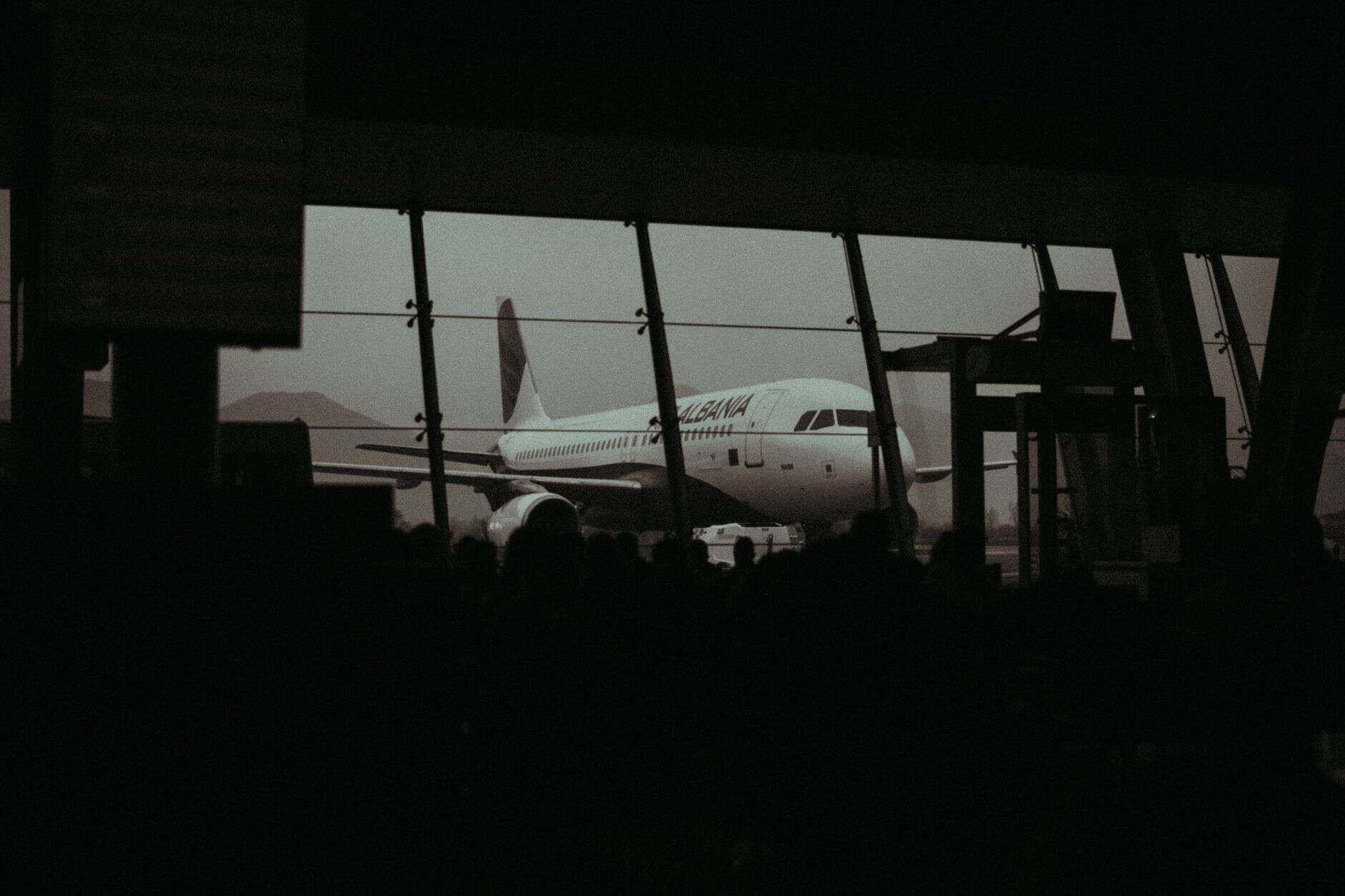
Hidden city ticketing — sometimes called point-beyond ticketing — exploits a counterintuitive quirk in airline pricing: flights that continue past a hub are sometimes dramatically cheaper than flights that stop at that hub.
This happens because of how airlines price routes. A major hub like Dallas, Denver, or Chicago might have heavy competition on direct routes from New York, driving prices down on those direct segments. But that same hub, as a connection point on a longer route, is priced into a bundle — and the bundle sometimes ends up cheaper than just the first leg.
So you book the bundle. You use the first leg. You skip the rest.
- The practice is not illegal — it’s a terms of service violation, not a crime
- Airlines can cancel your frequent flyer account and future bookings if they catch you
- It only works with carry-on luggage — checked bags go to the final destination
- It requires booking one-way, since missing a return leg triggers fare recalculation
Why the Math Works in Your Favor

The pricing gap is real and sometimes astonishing. Travel data shows that on certain route combinations, hidden city fares can be 30–60% cheaper than the direct option.
The phenomenon is most pronounced:
- On routes where a hub has heavy direct competition (Southwest operates heavily on many of these routes, suppressing prices)
- During peak travel periods when the direct market is overpriced
- On international-to-domestic connections, where the international pricing bundle is cheaper than a standalone domestic leg
- On routes where one airline dominates the direct market but must connect through a competitive hub
The savings are real. But so are the risks.
The Teenager Lufthansa Sued Over a Plane Ticket

In 2014, a 22-year-old named Aktarer Zaman launched Skiplagged.com — a website that explicitly helps travelers find hidden city flights. The site was transparent about what it was doing and why.
Lufthansa and Orbitz sued him. The lawsuit alleged that Skiplagged was encouraging contract violations and interfering with business relationships. The case made national news partly because it was a massive airline going after a young developer who had, at that point, exactly $1,000 in his bank account.
The lawsuit was eventually dismissed for procedural reasons — Lufthansa sued in the wrong jurisdiction. But the publicity backfired spectacularly: Skiplagged became enormously popular after the lawsuit hit the news. The Streisand Effect, applied to flight booking.
Skiplagged still operates today. Zaman is no longer a broke 22-year-old.
The airlines haven’t stopped trying to fight the practice, though. American Airlines sued Skiplagged in 2023 in what became another high-profile legal battle over whether the site was encouraging breach of contract.
When Hidden City Ticketing Gets You Banned
Airlines have gotten smarter about detection. Here’s how they catch people:
- Repeat pattern detection: If your frequent flyer account shows a pattern of always abandoning the final leg, that’s a flag
- Name matching: If you book through Skiplagged or similar sites, the airline can sometimes trace the booking method
- No-show processing: Airlines log no-shows on the final segment; multiple no-shows trigger review
Consequences that have actually happened to travelers:
- Frequent flyer accounts canceled with miles forfeited — this is the most common penalty
- Retroactive fare charges added to cover the difference between what you paid and what the segment you actually used cost
- Booking privileges revoked, preventing future reservations directly with that airline
- In the case of international travel, some carriers have held luggage hostage at the final destination (if you made the mistake of checking a bag)
The risk is proportional to how often you do it and whether you use your real frequent flyer number. One-time users with no loyalty account attached are very rarely caught.
The Checked Bag Problem Nobody Mentions
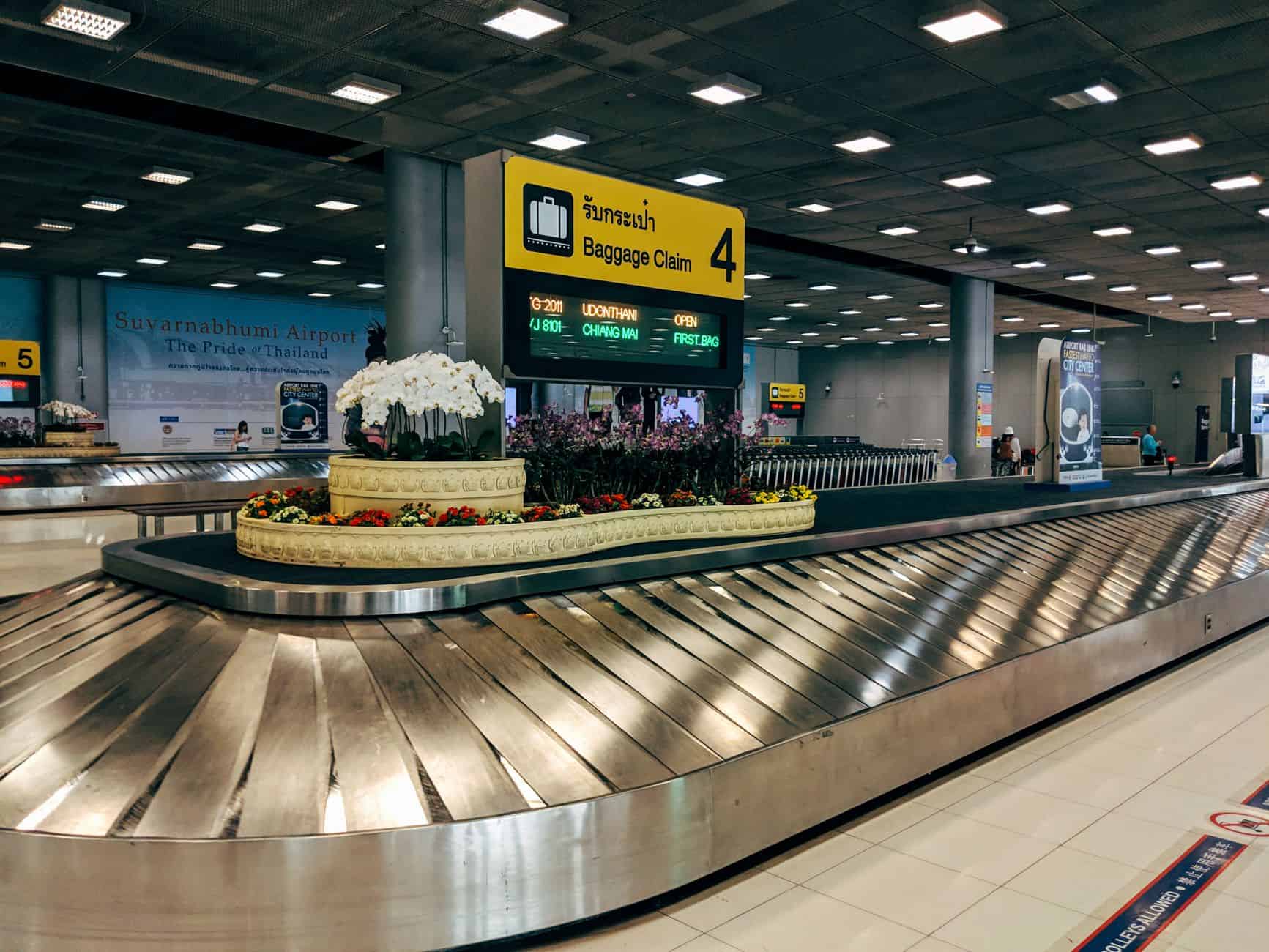
This is the practical issue that makes hidden city ticketing impossible for most travelers who aren’t meticulous packers.
When you check a bag, it goes to your ticketed final destination. Always. The baggage system routes to the final stop on your itinerary, not to wherever you decide to leave the plane.
If you pull a hidden city move with a checked bag, your luggage continues to Denver while you’re standing in Chicago trying to figure out how to get it back. The airline is under no obligation to reroute it. You’ll file a claim for a bag that technically arrived at its ticketed destination — and you will probably lose that argument.
- Hidden city ticketing only works with carry-on bags, full stop
- This rules out longer trips for most people
- It makes the strategy most useful for frequent business travelers who are already carry-on-only
Which Routes Make the Most Sense for This Strategy

Hidden city ticketing works best on specific route configurations:
- Hub bypass routes: When a major hub (Dallas, Denver, Atlanta, Chicago, Phoenix) sits between two smaller markets, the through-fare is sometimes cheaper than stopping at the hub
- Competitive market segments: Routes where Southwest or another low-cost carrier competes heavily on the direct route but the connection bundle is separately priced
- Last-minute bookings: When direct flights are nearly full and prices have spiked, connecting itineraries sometimes haven’t caught up in price
Routes where it almost never works:
- Point-to-point routes without natural hubs between them
- Routes dominated by a single carrier that prices all segments consistently
- International routes where pricing is regulated or consolidated
The Websites That Do This Legally

Skiplagged.com is the most prominent hidden city search tool, and it operates openly. The site searches for these fare anomalies and flags them clearly.
Other tools that surface similar opportunities:
- Google Flights: While not designed for hidden city ticketing, it allows enough flexibility in search that savvy users can spot the gaps manually
- ITA Matrix: A powerful (if complex) fare search tool that allows routing rules and helps spot pricing anomalies
- Kiwi.com: Assembles flights from multiple carriers in ways that surface unusual pricing combinations
Using these tools isn’t inherently a terms violation — what you do with the information determines whether you’re in violation.
Is It Worth the Risk in 2026

For most travelers: occasionally, and carefully.
For frequent flyers with significant miles or elite status: probably not. The risk to a valuable loyalty account outweighs the savings on a single ticket.
For an occasional traveler with no loyalty account and carry-on-only packing: the practical risk of a one-time use is low. You’re not going to be sued. The worst realistic outcome is that the airline flags your account and you never do it again.
The honest calculus:
- If the savings are under $50, it’s not worth the complexity
- If the savings are $150 or more on a trip where you have no loyalty stake, the math starts to favor the risk
- Never use your elite frequent flyer number on a hidden city booking
- Always book one-way — never use this technique on a round-trip, because the airline can void your return fare
- Never check a bag, ever
The airlines are not your friends when it comes to pricing. They use sophisticated yield management software to maximize what you pay on every route. Hidden city ticketing is one of the few leverage points passengers have discovered in return. Use it wisely.