9 Hidden Fees in Vacations (and How to Avoid Them)
We may earn money or products from the companies mentioned in this post. This means if you click on the link and purchase the item, I will receive a small commission at no extra cost to you ... you're just helping re-supply our family's travel fund.

Vacations are meant to be relaxing, not riddled with surprise charges that drain your wallet. But the truth is, hidden fees can sneak into every leg of your trip—from flights and hotels to prepaid cards and car rentals. If you’re not careful, you could easily spend hundreds more than expected. Here are nine of the most common hidden vacation fees—and how to dodge them like a travel pro.
Hotel Resort Fees and Add-Ons

Hotels love to sneak in extra charges with friendly names like “resort fee,” “destination charge,” or “safe warranty.” These can add $10–$50 per night to your bill—sometimes more. Even budget hotels in big cities tack on fees for Wi-Fi, gym use, or pool access, whether you use them or not. The fix? Always read the fine print before booking. Call ahead and ask about extra fees. You can also try asking the front desk to remove certain fees during check-in or check-out.
Airline Baggage and Carry-On Fees
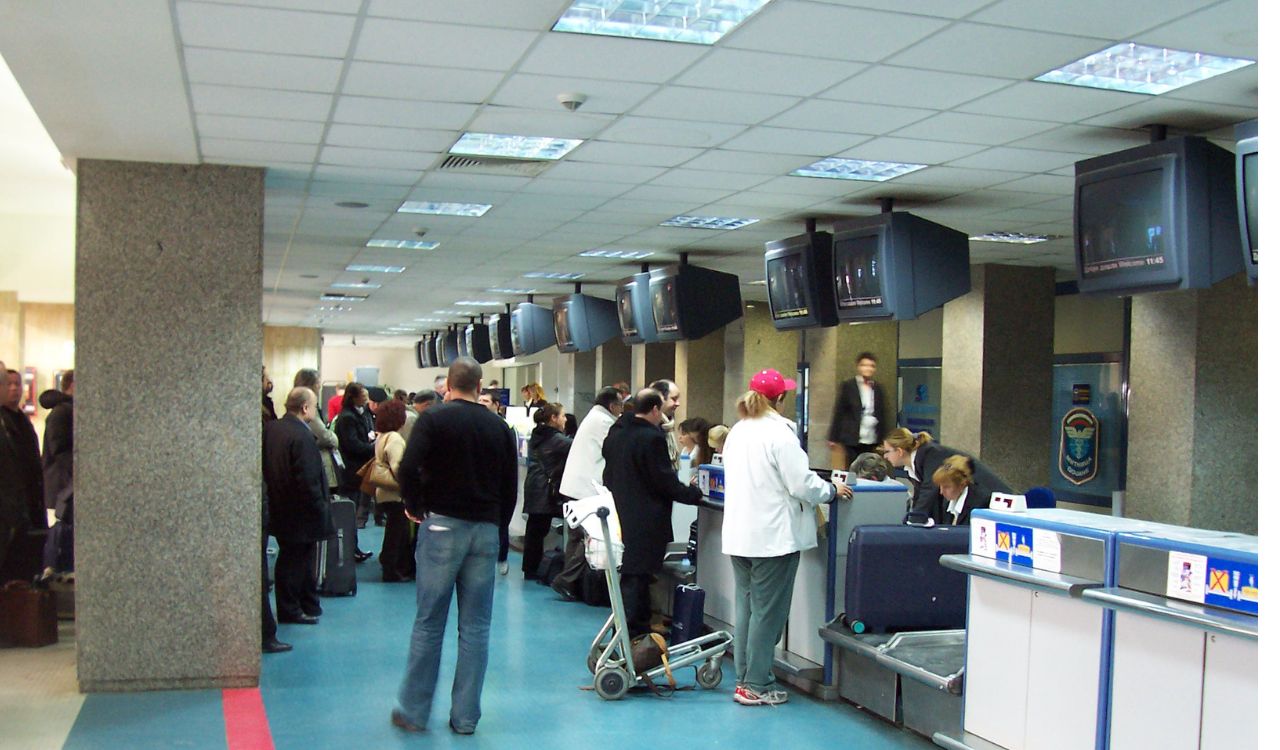
Checked bag fees are common knowledge, but many travelers are caught off guard when low-cost carriers charge for overhead carry-ons, too. Then there’s overweight baggage, second-bag charges, or mysterious “handling” fees. To avoid them, pack light and weigh your bag before heading to the airport. Look up the airline’s baggage policy in advance, and consider flying with carriers that still include carry-ons and checked bags in the ticket price.
Credit Card Grey Charges
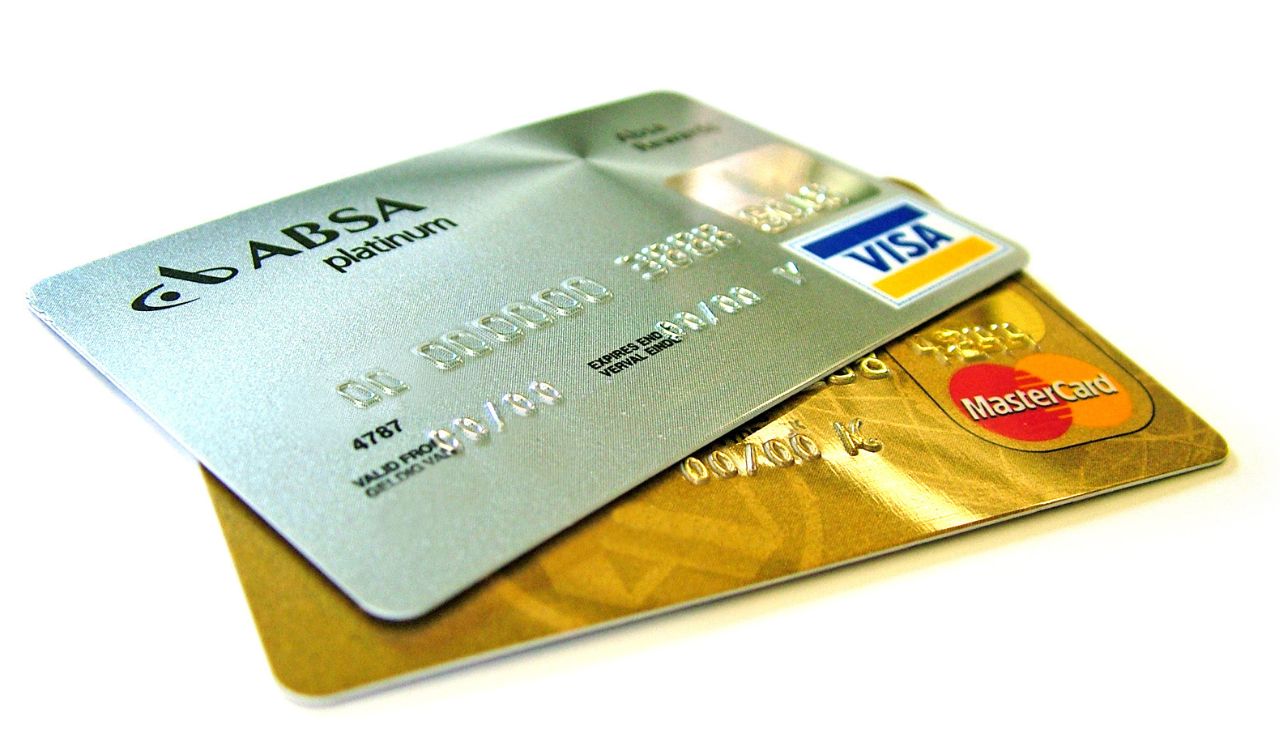
Some vacation expenses sneak onto your credit card bill under the radar—like monthly fees from free trials you forgot to cancel or “foreign transaction fees” from overseas purchases. These “grey charges” can pile up fast. The fix? Review your statements regularly and cancel any subscriptions you no longer use. If you’re traveling abroad, use a travel-friendly credit card that waives foreign transaction fees. Always monitor and question anything that looks off.
Prepaid Travel Card Fees

Prepaid debit or travel cards might sound convenient, but many come with sneaky costs: activation fees, swipe charges, ATM withdrawal fees, reloading fees, and even inactivity penalties. Before picking one, compare card terms and read the fine print. Look for low-fee or recommended options like Bluebird by Amex or Green Dot. And if you’re using a card for foreign travel, double-check the exchange rate fees—they can eat up more than you think.
Rental Car Extras and Fuel Charges

Rental car companies are notorious for upcharging. Think collision damage waivers, roadside assistance, GPS units, toll packages, and pre-paid fuel options. While some may be useful, many are overpriced or unnecessary. You can often use your own insurance or credit card coverage for protection. Always refill the gas tank yourself before returning the car, and take photos of the mileage and fuel level to avoid disputes or surprise refueling fees.
Cruise Line Fees and Gratuities

That cruise ticket may seem like a steal, but once onboard, expect fees for drinks, internet, specialty dining, and even gratuities. Many cruise lines automatically add service charges to your account daily. To save money, check what’s included before booking. You can often prepay for drinks or internet at a lower bundled rate. Some cruise lines allow you to adjust gratuities at the guest services desk, but do so respectfully—staff rely on those tips.
Foreign Transaction and ATM Fees

Swiping your card abroad or using an ATM in another country can rack up 1–3% foreign transaction fees or hefty ATM surcharges. To avoid them, get a no-foreign-fee credit card and find banks that reimburse ATM charges. You can also withdraw larger amounts less frequently to minimize fees. Avoid airport or hotel ATMs, which typically charge higher rates. And if offered to “pay in your home currency,” decline—it usually means a worse exchange rate.
Tour and Activity Add-ons

Tours, theme parks, and attractions often come with optional extras—guided upgrades, photo packages, early access, equipment rentals—that aren’t always obvious at first glance. These can add up quickly. The key? Ask what’s included before booking. Skip the pricey “professional photos” and use your phone. If you’re booking through a third-party platform, check if the base price includes entry fees or just the reservation. Always read the cancellation policy, too.
Wi Fi and Data Roaming Charges

International roaming fees can demolish your phone bill if you’re not prepared. Even hotels and airports sometimes charge daily rates for basic Wi-Fi. To stay connected without breaking the bank, consider buying a local SIM card or an international eSIM before your trip. Services like Airalo or Simify make it easy. If you’re sticking with your carrier, get a global roaming plan. And always turn off background data or set your phone to airplane mode when not in use.