Biloxi, Mississippi Has Casinos on the Water and a Creole History the Casinos Never Mention
We may earn money or products from the companies mentioned in this post. This means if you click on the link and purchase the item, I will receive a small commission at no extra cost to you ... you're just helping re-supply our family's travel fund.
Biloxi’s identity in the national imagination runs almost entirely through its beachfront casinos, rebuilt bigger and glossier after Hurricane Katrina destroyed the previous generation of properties in 2005, but the city’s actual history runs much deeper and stranger than the casino floor, rooted in a Creole and French colonial heritage that predates American statehood by well over a century.
The Creole Coast Before the Casinos
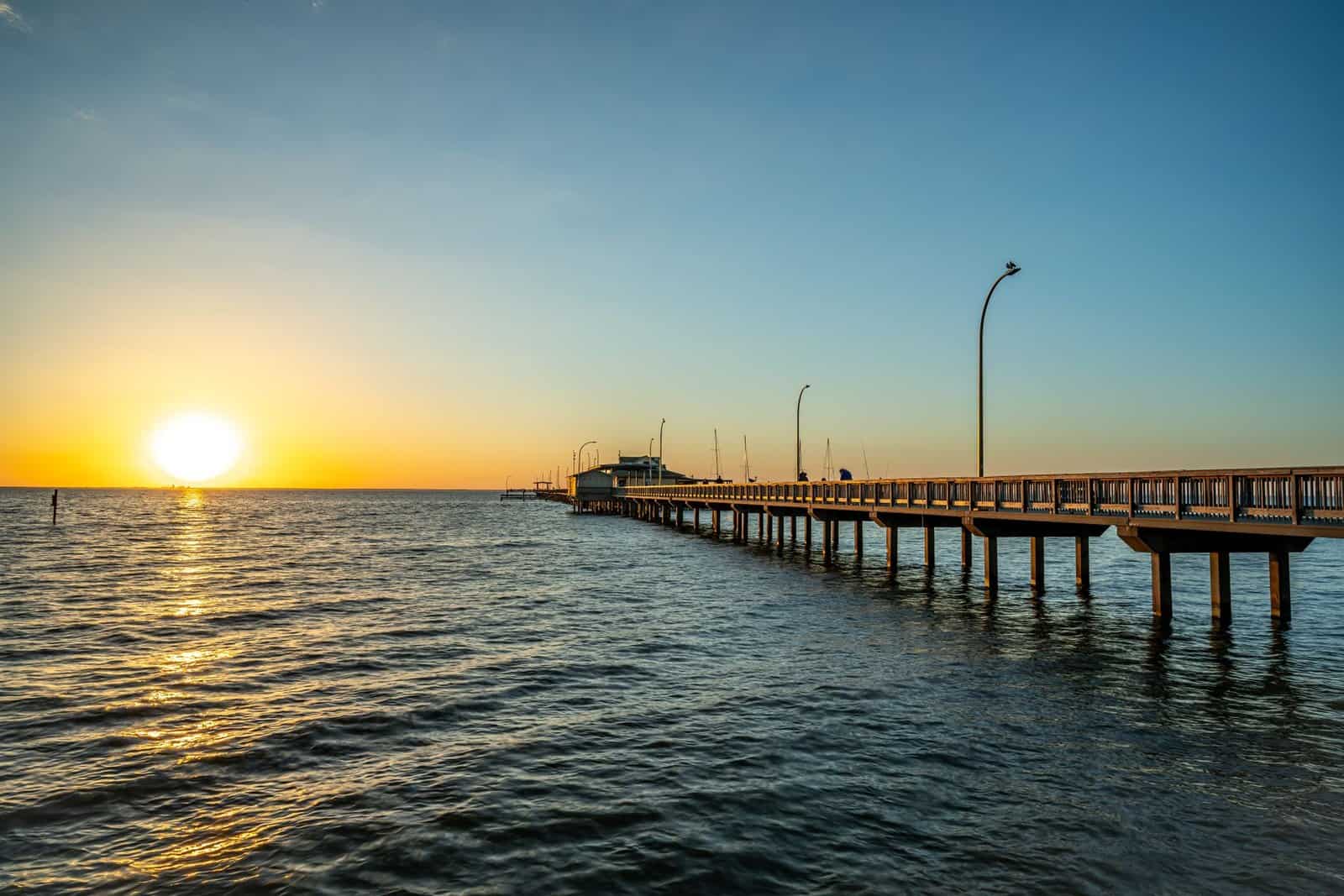
Biloxi was founded by French colonists in 1699, making it one of the oldest European settlements on the Gulf Coast, and it developed a distinct Creole culture blending French, African, and Native American influences that persisted through Spanish, British, and eventually American control, leaving a culinary and cultural imprint still visible in the city’s seafood traditions and its historic Point Cadet neighborhood, long home to Biloxi’s Vietnamese and Croatian fishing communities.
The seafood and shrimping industry, particularly centered around Point Cadet, brought waves of Croatian immigrants in the late 1800s and Vietnamese refugees following the fall of Saigon in 1975, both communities finding familiar work in an industry that required specific boat-handling and processing skills many arrived already possessing.
What Katrina Actually Changed
The Rebuild by the Numbers
- Hurricane Katrina destroyed or severely damaged the majority of Biloxi’s original casino barges in 2005
- State law changes after the storm allowed casinos to rebuild on land rather than floating barges
- The rebuilt casino district is significantly larger and more resort-oriented than its pre-Katrina version
- Point Cadet’s fishing fleet has shrunk considerably but continues operating today
Mississippi’s legislature changed state gaming law after Katrina specifically to allow casinos to rebuild on solid ground rather than the floating barges the original 1990s legalization had required, a change that produced the larger, more permanent resort-style casino complexes that now dominate Biloxi’s waterfront and generate the tax revenue the city has depended on since gaming first arrived.
What tourists see driving along Highway 90 today, glass towers, resort pools, casino marquees, represents only the most recent and most visible layer of a city with a genuinely deep Gulf Coast history that predates American gambling law by nearly three centuries, a layering that longtime Biloxi residents say gets almost entirely lost on visitors who never leave the casino district to see Point Cadet or the older Creole neighborhoods further inland.
Why This Keeps Getting Overlooked
Part of the reason this dynamic receives less attention than it probably deserves is structural: the initial story, whether a viral moment, a policy change, or a shift in travel patterns, is simply more compelling to cover than the slower, less dramatic process of adjustment that follows it over subsequent years, which rarely fits into a single headline or a short video.
That mismatch between what gets covered and what actually matters most to the people living through the change is a recurring feature of how places, trends, and communities get discussed publicly, and it tends to leave a persistent gap between popular perception and the more complicated reality on the ground.
What This Means Going Forward
The broader pattern here reflects something researchers and local officials increasingly track closely: the gap between how a place or trend is perceived from the outside and how it actually functions day to day for the people living inside it or making decisions about it. That gap rarely closes on its own, and it tends to widen further whenever outside attention, whether from tourism, media coverage, or social platforms, arrives faster than the underlying infrastructure or community capacity can absorb it.
What tends to happen next depends heavily on decisions made by the people closest to the situation, whether that means local governments, longtime residents, or the businesses that have to adapt fastest, and those decisions rarely get the same national attention as the initial trend or story that put the place on the map in the first place, even though they matter considerably more to how things actually turn out over the following decade.
The Longer-Term Trajectory
Longtime observers of this pattern note that the early years after a place or trend gains attention are rarely the ones that determine its lasting character. The more decisive period tends to arrive several years later, once the initial wave of interest either sustains itself through genuine infrastructure investment or fades as attention moves elsewhere, leaving behind whatever changes already took root during the busier years.
That delayed reckoning is precisely why comparisons across a full decade, rather than a single before-and-after snapshot, tend to produce a more accurate picture of what actually changed and what merely appeared to change while the cameras and headlines were still pointed in that direction.
Why This Keeps Getting Overlooked
Part of the reason this dynamic receives less attention than it probably deserves is structural: the initial story, whether a viral moment, a policy change, or a shift in travel patterns, is simply more compelling to cover than the slower, less dramatic process of adjustment that follows it over subsequent years, which rarely fits into a single headline or a short video.
That mismatch between what gets covered and what actually matters most to the people living through the change is a recurring feature of how places, trends, and communities get discussed publicly, and it tends to leave a persistent gap between popular perception and the more complicated reality on the ground.
What This Means Going Forward
The broader pattern here reflects something researchers and local officials increasingly track closely: the gap between how a place or trend is perceived from the outside and how it actually functions day to day for the people living inside it or making decisions about it. That gap rarely closes on its own, and it tends to widen further whenever outside attention, whether from tourism, media coverage, or social platforms, arrives faster than the underlying infrastructure or community capacity can absorb it.
What tends to happen next depends heavily on decisions made by the people closest to the situation, whether that means local governments, longtime residents, or the businesses that have to adapt fastest, and those decisions rarely get the same national attention as the initial trend or story that put the place on the map in the first place, even though they matter considerably more to how things actually turn out over the following decade.