Breckenridge Became the Most-Visited Ski Resort in America. Locals Say the Town Stopped Being a Town.
We may earn money or products from the companies mentioned in this post. This means if you click on the link and purchase the item, I will receive a small commission at no extra cost to you ... you're just helping re-supply our family's travel fund.
Breckenridge draws more skier visits annually than any other resort in the country, a title it has held for years running according to National Ski Areas Association data, and that volume has transformed a former mining town of roughly 5,000 year-round residents into something closer to a seasonal amusement park with a historic Main Street attached to it.
What the Visitor Numbers Actually Look Like
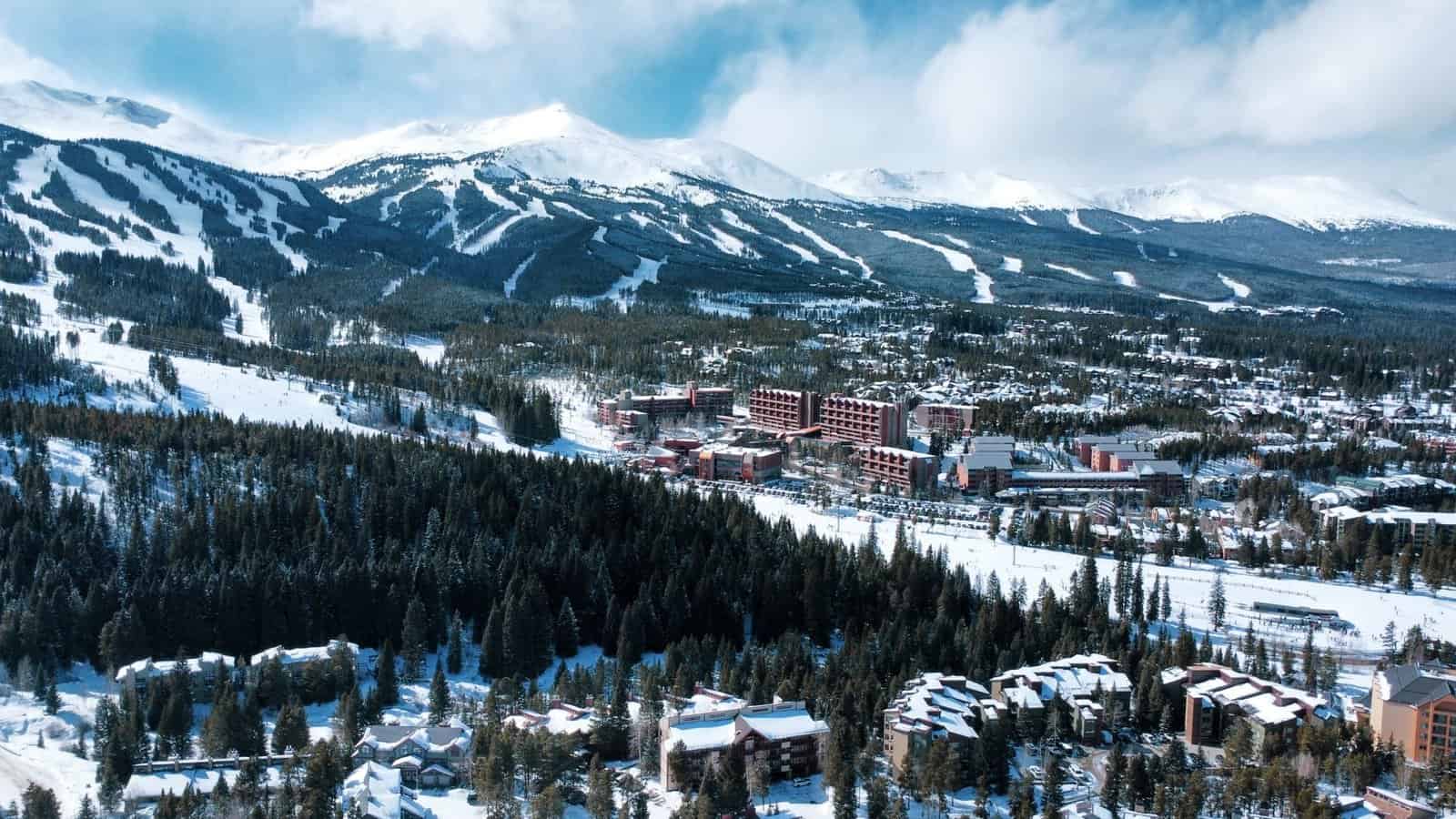
Summit County as a whole absorbs well over a million and a half visitors during peak winter months, a population multiple many times its year-round resident base, straining everything from parking and traffic on Highway 9 to the availability of affordable rental housing for the seasonal workforce that keeps lifts running and restaurants staffed.
Vail Resorts, which owns Breckenridge, has invested heavily in lift capacity and terrain expansion over the past decade specifically to accommodate demand driven by its Epic Pass program, a season pass product that dramatically lowered the marginal cost of an additional ski day and, according to many longtime locals, fundamentally changed who shows up and how often.
What Locals Say Actually Changed
The Complaints That Keep Recurring
- Housing costs have pushed many service workers into Leadville or Fairplay, both over 30 minutes away
- Main Street retail has shifted heavily toward tourist-facing shops rather than resident services
- Traffic on Highway 9 during peak weekends can turn a 10-minute drive into over an hour
- Short-term rental conversion has removed a significant share of the town’s long-term housing stock
The town government has responded with some of the most aggressive short-term rental regulations in Colorado, including licensing caps in certain zones, an acknowledgment that the free market alone was reallocating housing stock away from long-term residents faster than the town could recruit or retain the workforce needed to actually run the resort economy that draws people there.
What’s emerged is a place that functions extremely well as a ski vacation and increasingly poorly as an actual town, a distinction that residents who’ve lived there for decades describe with genuine grief, watching a community that once had a functioning year-round population shift toward something closer to a seasonal service economy for pass holders who show up for a long weekend and never see the housing crisis playing out just off Main Street.
What This Means Going Forward
The broader pattern here reflects something researchers and local officials increasingly track closely: the gap between how a place or trend is perceived from the outside and how it actually functions day to day for the people living inside it or making decisions about it. That gap rarely closes on its own, and it tends to widen further whenever outside attention, whether from tourism, media coverage, or social platforms, arrives faster than the underlying infrastructure or community capacity can absorb it.
What tends to happen next depends heavily on decisions made by the people closest to the situation, whether that means local governments, longtime residents, or the businesses that have to adapt fastest, and those decisions rarely get the same national attention as the initial trend or story that put the place on the map in the first place, even though they matter considerably more to how things actually turn out over the following decade.
The Longer-Term Trajectory
Longtime observers of this pattern note that the early years after a place or trend gains attention are rarely the ones that determine its lasting character. The more decisive period tends to arrive several years later, once the initial wave of interest either sustains itself through genuine infrastructure investment or fades as attention moves elsewhere, leaving behind whatever changes already took root during the busier years.
That delayed reckoning is precisely why comparisons across a full decade, rather than a single before-and-after snapshot, tend to produce a more accurate picture of what actually changed and what merely appeared to change while the cameras and headlines were still pointed in that direction.
Why This Keeps Getting Overlooked
Part of the reason this dynamic receives less attention than it probably deserves is structural: the initial story, whether a viral moment, a policy change, or a shift in travel patterns, is simply more compelling to cover than the slower, less dramatic process of adjustment that follows it over subsequent years, which rarely fits into a single headline or a short video.
That mismatch between what gets covered and what actually matters most to the people living through the change is a recurring feature of how places, trends, and communities get discussed publicly, and it tends to leave a persistent gap between popular perception and the more complicated reality on the ground.
What This Means Going Forward
The broader pattern here reflects something researchers and local officials increasingly track closely: the gap between how a place or trend is perceived from the outside and how it actually functions day to day for the people living inside it or making decisions about it. That gap rarely closes on its own, and it tends to widen further whenever outside attention, whether from tourism, media coverage, or social platforms, arrives faster than the underlying infrastructure or community capacity can absorb it.
What tends to happen next depends heavily on decisions made by the people closest to the situation, whether that means local governments, longtime residents, or the businesses that have to adapt fastest, and those decisions rarely get the same national attention as the initial trend or story that put the place on the map in the first place, even though they matter considerably more to how things actually turn out over the following decade.
The Longer-Term Trajectory
Longtime observers of this pattern note that the early years after a place or trend gains attention are rarely the ones that determine its lasting character. The more decisive period tends to arrive several years later, once the initial wave of interest either sustains itself through genuine infrastructure investment or fades as attention moves elsewhere, leaving behind whatever changes already took root during the busier years.
That delayed reckoning is precisely why comparisons across a full decade, rather than a single before-and-after snapshot, tend to produce a more accurate picture of what actually changed and what merely appeared to change while the cameras and headlines were still pointed in that direction.