Bentonville Has 63,000 Residents—So How Did It Become a Cultural Stop? Crystal Bridges and Bike Trails Hold the Clue
We may earn money or products from the companies mentioned in this post. This means if you click on the link and purchase the item, I will receive a small commission at no extra cost to you ... you're just helping re-supply our family's travel fund.
Bentonville, Arkansas, had 54,164 residents in the 2020 census, and the city’s own development report estimates it reached about 63,000 by the end of 2024. That is a lot of growth for a town that, a few decades ago, was known mainly as the home of Walmart. Today it draws visitors for a world-class art museum, a network of mountain-bike trails and a downtown square full of restaurants. How Bentonville became a cultural stop traces back to one family’s decisions.
That is the clue the headline promises: money from Walmart’s founding family paid for Crystal Bridges Museum of American Art and a trail system, and those investments turned a corporate hometown into a cultural stop. Here is how it happened and what to see.
How Bentonville Became a Cultural Stop
Sam Walton opened Walton’s Five and Dime on the Bentonville square in 1950, and the company he built grew into the world’s largest retailer. Walmart’s headquarters stayed in Bentonville, and so did many of the family’s descendants, who have long been among the wealthiest people in the world. As the company grew, so did the town’s need for talent, and executives and philanthropists saw culture and recreation as ways to attract and keep workers.
The result was a deliberate strategy. Funding went into an art museum, a performing and contemporary arts space, bike trails, parks, a children’s museum, restaurants and hotels. These were not accidents of growth. They were investments aimed at making a Northwest Arkansas town competitive with larger cities for people who might otherwise live elsewhere.
Crystal Bridges
Crystal Bridges Museum of American Art opened in November 2011, founded by Alice Walton, daughter of Sam Walton. The museum sits in a forested ravine, with galleries housed in a series of pavilions designed by architect Moshe Safdie around spring-fed ponds. Its collection spans colonial portraits to contemporary work, including pieces by Norman Rockwell, Georgia O’Keeffe, Andy Warhol and Kerry James Marshall. It is among the larger American art museums outside major cities.
General admission is free, supported by Walmart philanthropy, and special exhibitions typically charge a fee. The museum also includes sculpture trails, a restaurant and a library. Allow at least three hours, and check hours before going, since the museum closes on certain days.
The Momentary
In 2020, Crystal Bridges opened The Momentary in a converted Kraft cheese factory about a mile from the museum. It focuses on contemporary art, music, performance and food, with a gallery space, outdoor events and restaurants. It gives the area a more experimental counterpart to the museum, and it hosts concerts and festivals throughout the year.
The Bike Trails That Changed the Town
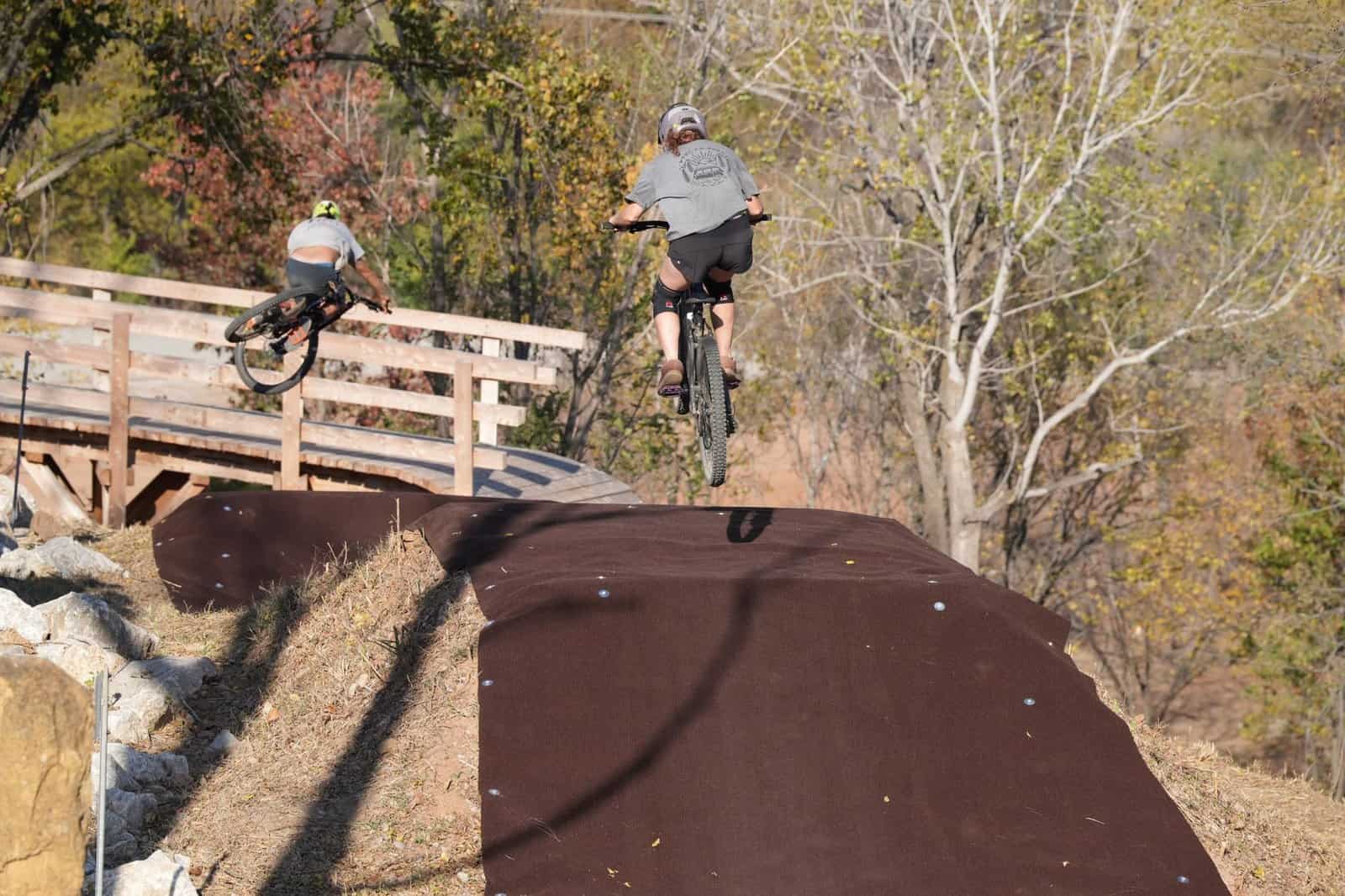
The second clue is cycling. Bentonville promotes itself as the Mountain Bike Capital of the World, a title it takes seriously, with more than 100 miles of purpose-built trails in the area. The Slaughter Pen Trails, a few minutes from downtown, offer routes for all levels, and the Coler Mountain Bike Preserve and Hobbs State Park provide more. Many trails are free, and a number connect directly to downtown.
The Razorback Greenway, a paved path of about 36 miles, links Bentonville with Fayetteville and other towns, and it offers a safe route for casual riders and commuters. Bike rentals in town cost roughly $50 to $100 a day for quality mountain bikes, and shuttles and guided rides are available.
How trails shaped the economy
Trails produce visitors, and visitors spend money on lodging and food. They also help recruit employees who like outdoor living, which feeds back into the city’s growth. The model has been copied by other towns, though few have the same level of funding.
The Square and the Food
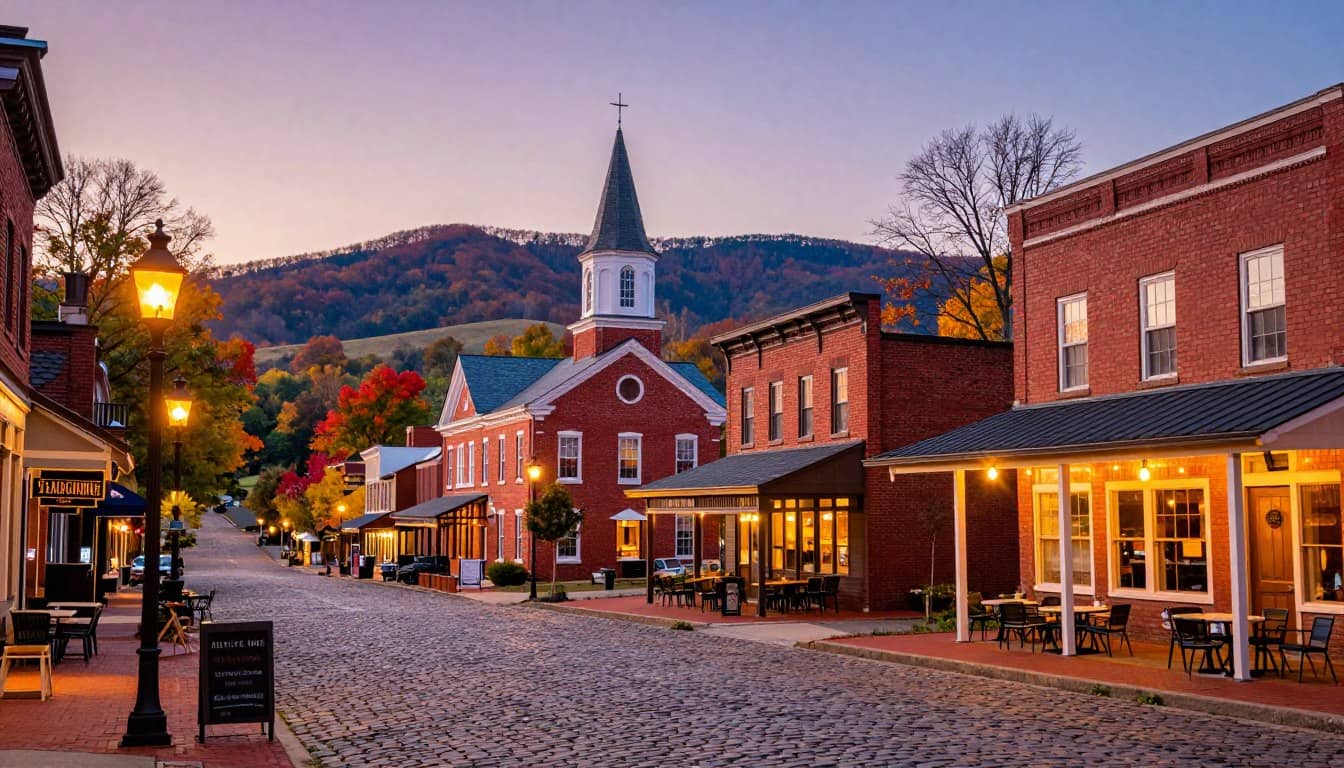
Downtown Bentonville is built around a historic square, with the Walmart Museum in Sam Walton’s original five-and-dime and restaurants, shops and breweries nearby. The area is walkable and lively in the evenings, with live music and food trucks. Local specialties include fried catfish, barbecue and new Southern cooking, and the city has attracted chefs and restaurateurs from larger markets.
21c Museum Hotel, a boutique hotel with contemporary art on every floor, adds to the cultural atmosphere. Rooms typically cost $200 to $350 a night, with other hotels in the $120 to $250 range. Restaurants range from casual cafes with $12 lunches to dinners in the $40 to $70 range per person.
Visiting With a Budget
Bentonville is not cheap, but it offers free and low-cost options.
- Crystal Bridges general admission: Free, with fees for special exhibitions.
- Trails and sculpture paths: Free.
- Walmart Museum: Low-cost or free admission, depending on the season.
- Scott Family Amazeum: A children’s museum, with admission fees of about $15 per person.
- Food and drink: Plan $40 to $80 a day per person for casual meals.
Why It Works, and What It Costs the Town
Bentonville’s rise shows what concentrated philanthropy and corporate presence can do. It also raises questions. Housing prices have climbed, traffic has increased, and some longtime residents feel that the city’s priorities follow its wealthy patrons. Critics also note that a cultural scene funded largely by one family can reflect that family’s tastes and priorities.
Supporters respond that the investments created public goods, such as free museum entry and open trails, that benefit everyone, and that the region has attracted employers and creative workers. The truth is likely both: Bentonville is a better place to visit than it was, and a more expensive place to live.
Other Stops Around Town
A visit can fill a weekend if you add a few smaller attractions. The Scott Family Amazeum is a hands-on children’s museum with a creative design and exhibits on science, art and local history. The Walmart AMP, an outdoor amphitheater in nearby Rogers, hosts concerts from spring through fall, and the Bentonville Film Festival, held in the summer, brings screenings and panels to local venues. The Compton Gardens and Cultural Center offers a quiet walk through native plants.
Nearby Fayetteville, about 30 minutes south, is home to the University of Arkansas, with a lively campus and Dickson Street entertainment district. Eureka Springs, about an hour east, is a Victorian resort town worth a day trip. Many visitors combine Bentonville with a drive through the Boston Mountains or a float on the Buffalo National River.
Getting there and around
Northwest Arkansas National Airport, in Highfill, sits about 20 minutes from Bentonville and has direct flights to many major cities, which is part of why the city works so well as a business and leisure stop. Rental cars are widely available. Downtown, you can walk or bike, and several shuttles and trolleys serve the main attractions.
Seasons and Events
Spring and fall are the best times to visit, with mild weather and ideal trail conditions. Summer is hot and humid, with thunderstorms. Winter is generally mild, with occasional ice, and many cultural events continue indoors. The Bentonville Film Festival, the Bike Fest in September and the Oz Trails events bring crowds and higher hotel rates, so book early. Crystal Bridges often hosts evening programs and special exhibitions that change throughout the year, so check the calendar for what is on.
A Weekend Plan
Day one: arrive, walk the downtown square, visit the Walmart Museum and eat dinner at a downtown restaurant. Day two: spend the morning at Crystal Bridges, have lunch at the museum or in town, then ride a section of the Slaughter Pen Trails in the afternoon. In the evening, visit The Momentary for music or an exhibition. Day three: take a morning ride on the Razorback Greenway, have brunch and drive to Fayetteville or Eureka Springs before heading home.
Where the Money Came From, and Where It Goes
Walmart’s growth created large personal and corporate fortunes in Northwest Arkansas, and the Walton family foundation and related groups direct significant funds to local projects. Their giving covers education, trails, arts and community development. Over the past two decades, tens of millions of dollars have flowed into trails and the museum, along with grants for schools and local nonprofits. That scale is unusual for a town of this size, and it explains how Bentonville built amenities that would normally require a city many times larger.
At the same time, the area has attracted a wave of new employers. Suppliers to Walmart opened offices in the region to be near the company, and many of the executives and staff they sent have settled in town. That has brought more restaurants, more flights and more demand for homes, which in turn have pushed prices up. If you are considering a move rather than a visit, check housing costs carefully, because median home prices are well above the state average.
What visitors can do
For visitors, the easiest way to appreciate the city is to treat the art and trails as entry points to a longer stay. Spend an evening at The Momentary, a morning on the trails and an afternoon at the museum, and eat at independent restaurants when you can. Pay for special exhibitions and donate if you can, since free admission depends on sustained support. And ask residents about their experiences, since the story of Bentonville is told differently by those who built it, those who moved there and those who have watched it change.
The Takeaway
Crystal Bridges and the bike trails are not coincidences. They are the product of decisions made by a company and a family that wanted their hometown to compete for people and attention. For visitors, that means a small Ozark city with museum-quality art, miles of free trails and a lively square, and a few lessons about how culture gets built.