Political Shifts Can Rewrite Travel in Three Years—Here’s What Visitors Need to Know About Flights, Visas, and Demand
We may earn money or products from the companies mentioned in this post. This means if you click on the link and purchase the item, I will receive a small commission at no extra cost to you ... you're just helping re-supply our family's travel fund.
A destination can go from closed to crowded, or from welcoming to off-limits, in about three years. Political shifts and travel are tied together by three levers: visa rules decide who may enter, airline schedules decide how they get there and demand decides whether the trip is worth taking. When a government changes course, all three can move, though not at the same speed.
The pattern is usually the same. Visa and entry rules change first, sometimes overnight. Flights follow within months, as airlines add or cut routes. Demand moves last, swinging from curiosity to saturation or from interest to avoidance. If you know that order, you can time a booking much better.
How Political Shifts and Travel Plans Collide
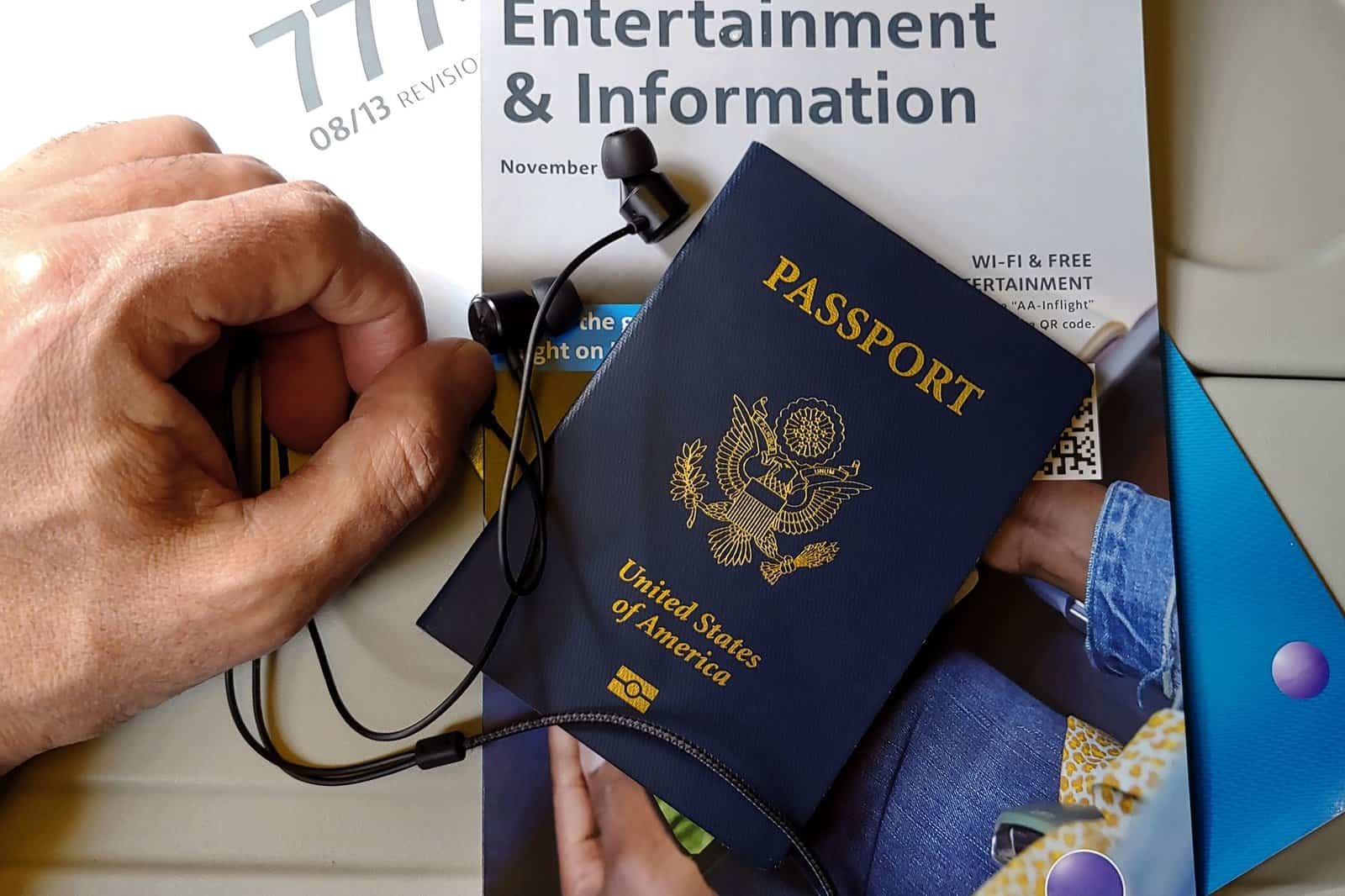
Travel is one of the most politically sensitive industries because it depends on permission. A traveler needs a passport that is accepted, a visa or waiver, a seat on a plane and a destination that is safe and welcoming. Each of these is controlled, directly or indirectly, by governments. A single policy change, such as a new visa-free agreement or a travel ban, can rewrite the map.
Three years is a rough but useful benchmark. In year one, a policy is announced, and uncertainty reigns. In year two, airlines, hotels and tour operators respond, and early adopters travel. In year three, the changes are visible in prices, crowds and infrastructure, and either the shift settles or reverses.
Cuba: open, narrow, reverse
Cuba is the clearest example. In December 2014, the United States and Cuba announced steps toward normalizing relations. In 2015, embassies reopened and rules for American travel loosened. In August 2016, scheduled commercial flights from the U.S. to Cuba resumed for the first time in more than 50 years, and cruise service began in 2016. Travelers rushed in, and hotels filled.
Then policy turned. In 2017, the U.S. government restricted individual people-to-people travel and limited dealings with certain Cuban businesses. Later rules limited flights to most Cuban airports and banned cruise visits. Within about three years of the opening, the trend had reversed, and many travelers who had planned trips had to change course. The lesson is that an opening is not a permanent condition.
Myanmar: the opening and the closing
Myanmar began a political opening around 2011, releasing political prisoners and holding elections. Visa rules eased, and the country became one of Asia’s hottest new destinations, with arrivals rising several-fold in a few years and hotels built in Yangon and Bagan. Then came the 2021 military coup, followed by conflict and unrest, and most governments warned against travel. Visitor numbers collapsed.
Colombia and Saudi Arabia: the other direction
Colombia shows how the cycle can run upward. After a peace agreement with the FARC in 2016, security improved in many regions, and international arrivals rose substantially in the following years. Airlines added routes, and cities such as Medellín and Cartagena became mainstream destinations. Saudi Arabia illustrates a top-down shift: in September 2019, it launched a tourist e-visa for dozens of nationalities, opening a country that had largely restricted leisure travel. Flights, hotels and attractions followed quickly, supported by government investment.
What Changes First: Visas
Entry rules are the fastest lever. A government can announce a new visa requirement, waive fees or reciprocate a neighbor’s rules with little notice. Examples include electronic travel authorizations that must be completed before you fly, visa waivers for particular nationalities and sudden suspensions of entry for some passports.
- Check the official government website for your destination and for your passport before booking.
- Read the transit rules, since some countries require a visa even for airport connections.
- Confirm passport validity, which often must exceed your stay by six months.
- Look for new digital systems. Several regions have introduced or planned online authorizations that are separate from visas and carry fees.
- Keep screenshots or printouts of approvals.
What Changes Next: Flights
Airlines respond to demand and to rules. When a country opens, carriers may add routes, but they do so cautiously, and capacity can lag behind demand, which drives up fares. When a country closes, airlines can cancel flights within weeks, leaving travelers to rebook or take refunds.
Political tension can also affect air routes without closing a country, as when conflicts lead airlines to avoid certain airspace. That can add hours to a flight and cost to a ticket. Travelers should check whether their route crosses sensitive areas and whether their airline has changed its plans.
How to protect your booking
Choose refundable or flexible fares for destinations undergoing change. Book directly with airlines so changes are easier to handle. Consider travel insurance that covers cancellation for specified reasons, and read the exclusions closely, since many policies exclude events that were publicly known at the time of purchase. Credit cards that offer trip protection can also help, but terms vary.
What Changes Last: Demand
Demand is the slowest and least predictable lever. A destination that has just opened can see a rush of curious travelers, then a slump if infrastructure cannot keep up. A destination that has just been in the news for the wrong reasons can see demand fall sharply, then recover as perceptions change. Prices move accordingly.
Visitors can use this to their advantage. Early in a reopening, prices may be low and crowds small, but services can be limited. Late in a cycle, prices may be high and crowds large. The best window is often the middle, once flights and hotels are in place but before the rush.
A Practical Checklist
- Read your government’s travel advisory for the destination, and compare it with others.
- Monitor news in the weeks before you leave, not just when you book.
- Choose flexible bookings when policy is in flux.
- Keep digital and paper copies of documents.
- Avoid prepaying large sums to small operators in unstable places.
- Register with your embassy’s traveler program if one is available.
- Expect rules to change, and remain flexible.
Reading the Signals Before They Become Headlines
Most political shifts that reshape travel are visible months before they hit booking sites. Trade agreements, elections, new ministers of tourism and changes in airline route filings all point toward a direction. A travel writer or traveler does not need inside access. Public sources are enough: government gazettes announce visa changes, airport authorities publish traffic statistics and airlines file schedules well before flights go on sale.
Elections and leadership changes
A new government often signals a change in visa policy, tourism funding or international relations. Some campaigns promise to open the country to more visitors, while others promise tighter controls. The campaign language is a hint, but the first budget and the first set of regulations are the real evidence. In many countries, tourism ministries are among the first to announce new campaigns after a change in leadership, and visa rules can follow within the first year.
Diplomatic breaks and thaws
Relationships between governments set the rules for flights and visas. When two countries agree to restore air links, airlines apply for landing rights, and schedules appear months later. When relations sour, flights can be suspended quickly, and visa processing can slow or stop. Travelers who have a trip planned for a destination in a diplomatic dispute should watch for official statements and advisories, and should avoid nonrefundable arrangements.
Sanctions, bans and security advisories
Sanctions can limit what a traveler can spend or do, even when entry is allowed. Entry bans can affect particular nationalities or people who have visited certain countries. Security advisories, issued by foreign ministries, usually come in levels that range from normal precautions to do not travel. Insurance policies often use these levels to decide what they cover, so reading the advisory before you buy can protect you.
What Locals and Industry See First
The tourism industry feels shifts before travelers do. Tour operators report changes in inquiries, hotels see booking patterns move and airlines adjust capacity. Local guides and small hotels, who depend on visitors, can tell you whether the season is busier or quieter than usual. When you plan a trip to a place in transition, ask these people directly. A short email to a hotel or guide about current conditions, prices and rules often yields better information than a general website.
- Ask whether the entry rules on the official site match what hotels are telling guests.
- Ask how many flights per week are operating, and whether any have been canceled recently.
- Ask whether attractions, transport and money exchange are working normally.
- Ask whether any local events, protests or elections are scheduled during your stay.
Money and payments
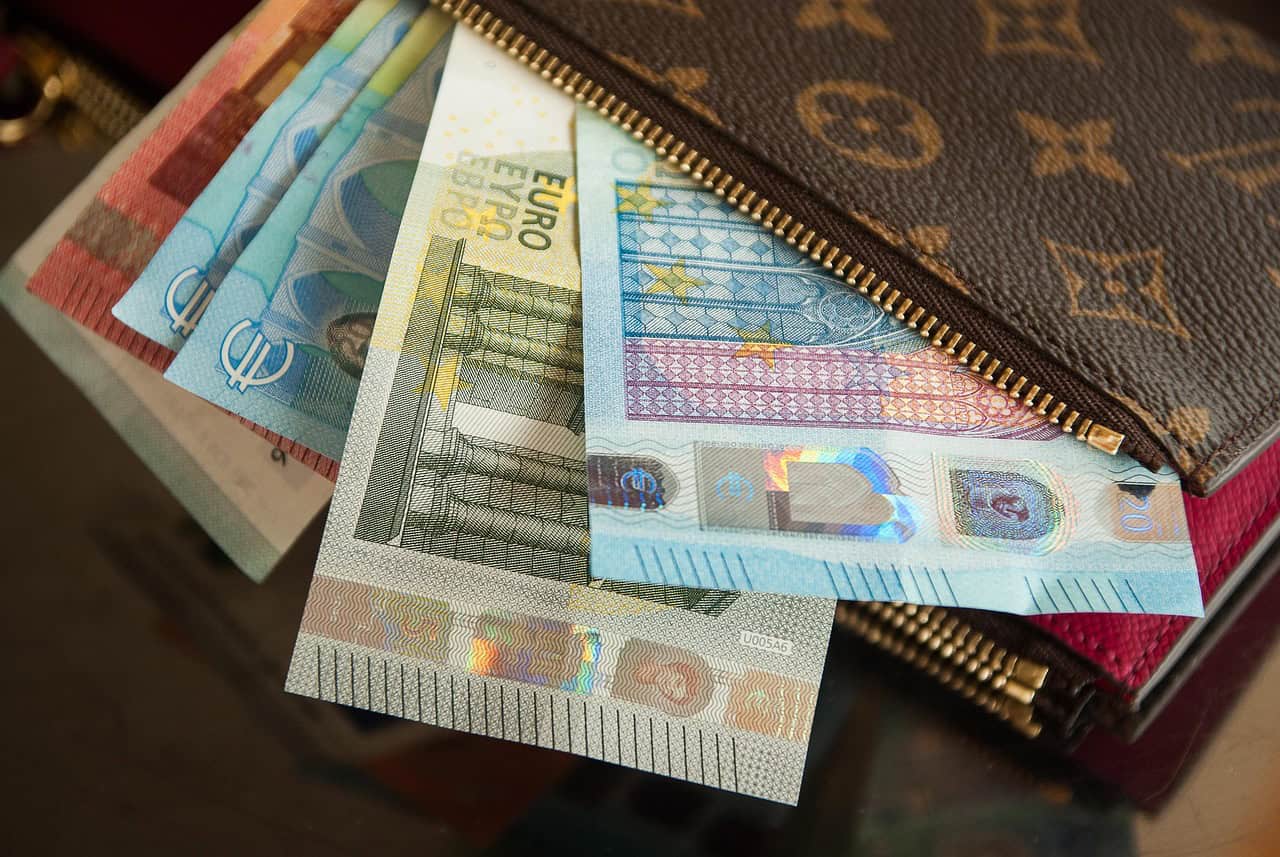
Political change can affect currency, payment systems and cash availability. A currency may swing sharply after an election or a change in monetary policy, and international cards can stop working if sanctions or banking restrictions change. Bring a mix of payment methods, including some cash in a widely accepted currency, and check whether ATMs work for foreign cards. Inform your bank of your travel plans, and keep a backup card in a separate place.
Timing Your Trip Around the Cycle
Because the three-year pattern is predictable, you can choose your moment. Visiting during the early opening phase can be rewarding, since crowds are small and locals are curious. It also carries risk, because facilities can be limited and rules can reverse. Visiting in the middle phase usually offers the best balance of services and access. Visiting late in the cycle, when demand has peaked, gives you every amenity but also the highest prices and the most crowds.
Sensible travelers decide their tolerance for uncertainty. If you value certainty, book a place with stable rules and long-running flight service. If you enjoy discovery and can adapt, a destination in transition may be more interesting. Either way, build in flexibility, because a change in policy can cancel a plan that seemed secure.
The Takeaway
Politics decides who can go where, and it changes faster than guidebooks. A three-year window is long enough to see a closed country become popular or an open one retreat. By watching visa rules, flight schedules and demand in order, travelers can make better choices about when to go and how to protect their plans. It is not about predicting the future, only about recognizing that the map is never fixed.