Key West Has 25,000 Year-Round Residents Who Live Nothing Like the Tourists Around Them. Here’s the Town Behind the Party
We may earn money or products from the companies mentioned in this post. This means if you click on the link and purchase the item, I will receive a small commission at no extra cost to you ... you're just helping re-supply our family's travel fund.
The Key West year-round residents number about 25,000, according to Census Bureau estimates, and most of them spend very little time on Duval Street. They live in a four-mile-long island town at the end of the Overseas Highway, where housing is scarce, hurricanes are a fact of life and the pace slows down when the cruise ships leave. The town behind the party is a small, close-knit community with its own food, habits and politics.
This guide looks at how the island’s locals actually live, and how you can see that side of the island as a visitor without intruding.
How Key West Year-Round Residents Actually Live
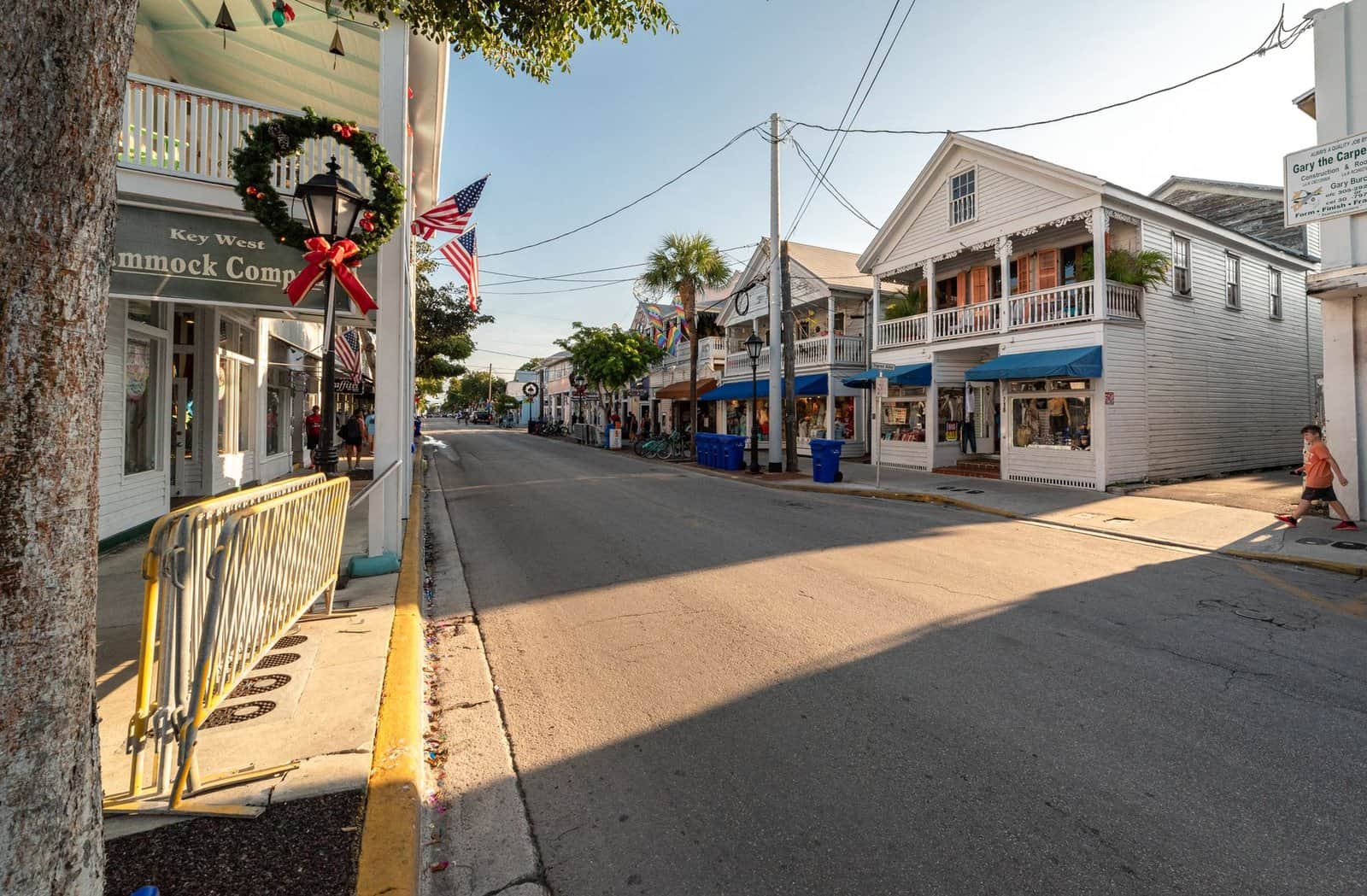
The island is about four miles long and two miles wide, and it sits roughly 90 miles from Cuba and 160 miles from Miami by road. The 2020 census counted around 26,400 residents, and recent estimates are close to 25,000, a slight decline driven by high housing costs and storm damage. Many homes are owned by seasonal residents or used as short-term rentals, which leaves fewer for the people who work there.
Locals describe a community of long-established families, known as Conchs, newer arrivals, artists, service workers, fishermen and retirees. The term Conch traditionally refers to people with roots on the island going back generations, many of them descended from Bahamian settlers. Freshwater Conchs are those who arrived later and stayed for years. Both groups are proud of the island’s independent streak, expressed in the 1982 Conch Republic protest, when the town playfully declared secession from the United States to protest a Border Patrol roadblock.
The housing squeeze
Housing is the central issue. Home prices in Key West often exceed $1 million, and a modest rental can cost $2,500 or more a month. Many hospitality workers live in shared housing, in boats or on the mainland of the Keys and commute 30 to 60 miles along U.S. 1. Employers have offered housing assistance, and the city and county have built workforce housing, but demand outstrips supply. The scarcity shapes everything from restaurant staffing to school enrollment.
Where Locals Go
You will find locals at places that are easy to miss if you stay on Duval Street.
- Bahama Village: A historic neighborhood on the west side with Caribbean influences, home to long-standing restaurants and the Key West Cemetery’s older section nearby.
- Higgs Beach and the Casa Marina area: A family-friendly beach and a long pier, favored by locals for walks and sunsets.
- Fort Zachary Taylor Historic State Park: A beach and old fort at the southern tip, with some of the best swimming and snorkeling, and a favorite for locals despite an entry fee.
- Old Town side streets: Residential lanes with colorful houses, roosters and porches, which reward a quiet walk.
- Garrison Bight and the Historic Seaport: Working harbors where fishing boats come and go.
Food locals recommend
Locals tend to eat at small, casual restaurants rather than on the main tourist drag. Cuban sandwiches and coffee from walk-up windows, fresh fish at casual places and breakfast spots on side streets are favorites. Try a Cuban coffee, or cortadito, a Key lime pie slice from a bakery and fish tacos at a harbor-side spot. A typical local lunch costs $12 to $20, while a dinner in a trendy Old Town restaurant can cost $50 or more per person.
The Rhythm of the Year
Key West’s calendar shapes daily life. Winter, from December to April, is high season, with warm, dry weather and crowds. Summer is hot and humid, with fewer visitors and slower days. Hurricane season runs from June to November, and the threat shapes how people buy insurance, build and store things. Hurricane Irma in 2017 damaged much of the Keys and reminded residents how fragile their position is.
Events bring waves of visitors, including Fantasy Fest in October and Hemingway Days in July. For locals, these can be fun or exhausting, and many plan to leave or stay home. If you visit during a festival, expect crowds and higher prices, and be considerate of neighbors.
Tourism and the Local Debate
The relationship between locals and visitors is complex. Tourism supplies most of the island’s jobs and tax revenue, and without it, Key West would not have its restaurants, shops or services. But large cruise ships, crowded streets and short-term rentals have strained infrastructure and daily life. In 2020, Key West voters approved measures to limit cruise ship size and numbers, though state action later overrode them, and the issue remains a source of tension.
As a visitor, you can help by choosing locally owned businesses, treating workers kindly, tipping well and respecting private property. Do not trespass on lawns to photograph houses, and keep noise down in residential areas, especially at night.
What It Costs to Visit
Key West is expensive. Hotels in the high season often cost $300 to $600 a night, with guesthouses and small inns on the lower end and resorts on the higher end. Summer rates can fall by a third. Parking is limited and costly, with garages charging $20 to $40 a day. Many visitors rent bicycles or scooters for $15 to $40 a day, or walk, since Old Town is small.
Dining is also pricey, with entrees at nicer restaurants commonly costing $30 to $50, and drinks on Duval Street at $10 to $16. To save, eat lunch as your main meal, share plates and visit grocery stores for picnic supplies.
Seeing the Town Behind the Party
Spend a morning like a local. Wake early and have a Cuban coffee at a walk-up window. Walk or bike through the side streets of Old Town, where chickens roam and houses are painted in pastel colors. Visit the cemetery, which has witty epitaphs, and the Hemingway Home, which houses polydactyl cats descended from the author’s pets. Swim at Fort Zachary Taylor in the late morning and eat a late lunch at a casual spot in Bahama Village.
In the evening, skip the crowds at Mallory Square if you prefer calm and watch the sunset from a quieter spot such as the White Street Pier or a bayside bar. Then choose a restaurant away from Duval, and finish with a stroll.
Work, School and Daily Routines
A typical working day for many islanders starts early. Restaurant and hotel workers may commute from Stock Island or the Lower Keys, while fishermen and charter captains head out at dawn. Kids attend school at Key West High School, home of the Conchs, and the Friday night football game is a social event. The Monroe County School District also serves students across the Keys.
Because the island is small, daily errands are often done by bike. Grocery shopping happens at a handful of supermarkets and farmers markets, and many residents buy in bulk or order from the mainland because prices on the island are high. Electricity, water and fuel arrive by pipeline or truck over a single highway, so a storm that damages the road can disrupt supplies for days.
Hurricane life
Preparation is part of the routine. Residents keep shutters and generators, track storms from June through November and plan evacuation routes in case of a mandatory order. Evacuating means driving the Overseas Highway north, which can take many hours in traffic. Visitors are usually asked to leave first. If you travel in hurricane season, buy flexible bookings and keep an eye on forecasts.
Arts, Writers and the Island Spirit
Key West’s reputation as a home for writers and artists is not just marketing. Ernest Hemingway lived here in the 1930s, Tennessee Williams spent winters on the island and a long list of poets, musicians and painters have followed. Today, small galleries, a literary seminar and community theaters keep the tradition going, and the island’s tolerant, live-and-let-live attitude has long made it welcoming to LGBTQ residents and visitors.
Local festivals reflect that spirit. The Key West Literary Seminar draws writers each January, the Conch Republic Independence Celebration in April mixes parades and parties and the Fantasy Fest costume festival in October draws huge crowds. Ask locals which events they attend, and you may find smaller gatherings such as neighborhood block parties and church suppers that are just as memorable.
Getting There and Getting Around
The drive down the Overseas Highway is part of the experience, with 42 bridges and the long Seven Mile Bridge, but it takes about four hours from Miami in good traffic and longer on weekends. Flights into Key West International Airport are convenient but often costly, and the small terminal handles limited service. Once on the island, locals recommend a bicycle, a scooter or your feet, because parking is scarce and most sights are within a few miles.
If you do drive, expect narrow streets, one-way lanes and tourist traffic near Mallory Square. The Duval Loop bus, run by the city, offers an inexpensive way to circle the main areas, and many visitors never need a car on the island. Staying in Old Town puts you within walking distance of most restaurants and beaches, and it lets you see the island’s quieter side early in the morning.
The Takeaway
Key West is a real town, with 25,000 residents who work, raise families and worry about housing and storms. The party is the front door. If you step off it for a day, you will see an island with a strong sense of identity, a layered history and a way of life that is easy to love and hard to afford. Visit with respect, spend locally and leave the place a little better than you found it.