Everyone Goes to Beale Street in Memphis. Locals Say You’re Missing the Actual City
We may earn money or products from the companies mentioned in this post. This means if you click on the link and purchase the item, I will receive a small commission at no extra cost to you ... you're just helping re-supply our family's travel fund.
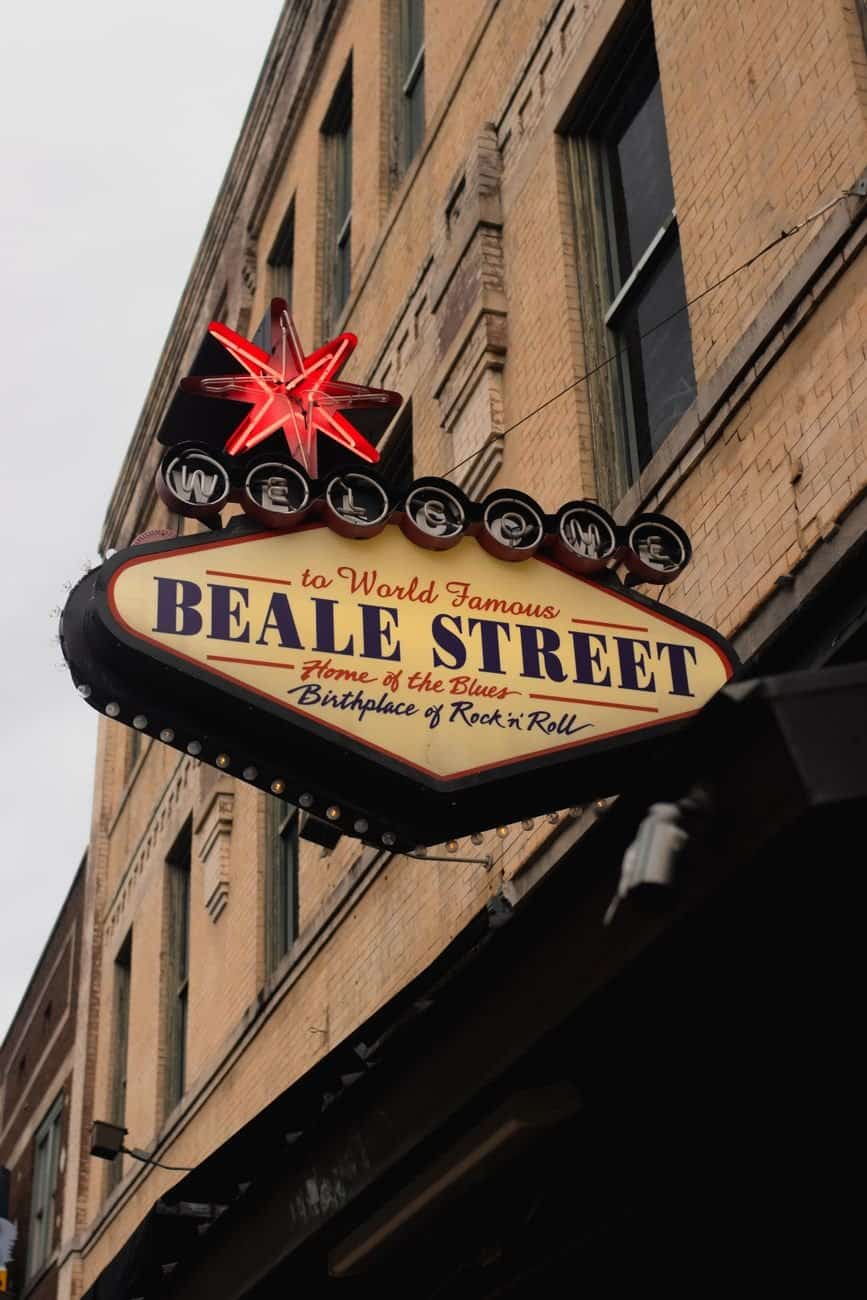
Beale Street is Memphis’s most famous address, with neon, live blues and a crowd that thickens after dark. It is worth an hour. But ask Memphians where they take out-of-town friends and the list gets longer, quieter and tastier. Memphis beyond Beale Street is where the city eats, listens, walks and argues, and it is easier to reach than most visitors think.
This is a guide to the places locals tend to recommend, with the caveat that every Memphian has favorites and opinions. Use it as a starting map, and then ask the person pouring your coffee.
Where Locals Send You for Memphis Beyond Beale Street
The general advice is to leave the tourist strip after your first hour and spread out. Midtown, South Main, Cooper-Young and the area around Overton Park give a sense of how people actually live, while museums and music landmarks add depth. Costs are lower, crowds are smaller and the food is often better.
Memphis is a city of about 630,000 people on the Mississippi River, with a deep musical history and a mix of neighborhoods that can feel like separate towns. A car or ride-share is useful, and the main attractions lie within 10 to 15 minutes of each other.
Cooper-Young
Cooper-Young is a walkable Midtown neighborhood centered on the corner of Cooper Street and Young Avenue. It has independent restaurants, record stores, a vintage shop, bars and murals, with a small-town feel inside the city. Locals come for brunch, coffee and evening drinks, and the neighborhood hosts an annual festival in September that draws large crowds. It is a good place to sample Memphis cooking, from soul food to modern Southern.
Overton Square and Overton Park
Overton Square is a compact entertainment district with restaurants, bars and theaters, including Playhouse on the Square and Hattiloo Theatre. Nearby, Overton Park is a 342-acre green space with an old-growth forest, the Memphis Zoo and the Levitt Shell, an outdoor band shell that hosts free concerts in warm months. The Levitt Shell is where Elvis played one of his first major shows in 1954, which gives the music history a local flavor without the crowds.
South Main
South Main is a downtown arts district of converted warehouses, galleries and restaurants, anchored by the Arcade Restaurant, which opened in 1919 and claims to be the oldest café in Memphis. The National Civil Rights Museum, built around the Lorraine Motel where Dr. Martin Luther King Jr. was killed in 1968, sits in the area and is one of the most powerful museums in the country. Many locals recommend it for out-of-town guests, and it takes two to three hours.
The Food Locals Recommend
Memphis barbecue is a main reason to come, and locals disagree about where to get it. Common names include Central BBQ, known for dry-rub ribs and pulled pork, and Rendezvous, an alley restaurant near downtown known for charcoal-broiled ribs seasoned with a spice rub. Neither is secret, but both are better than the tourist strip’s offerings. Expect $15 to $30 per person at a sit-down barbecue restaurant, with lower prices for a sandwich.
Fried chicken is the other staple. Gus’s World Famous Fried Chicken, with a location on South Front Street, serves hot, crisp chicken that locals and visitors both line up for. Soul food restaurants, diners and Southern bakeries fill out the scene, and a plate lunch with two sides often costs $12 to $18.
Dry versus wet
Memphis barbecue is typically served dry, with a spice rub rather than sauce, though sauce is available on the side. The signature dish is ribs, and you will also see barbecue spaghetti, nachos and pizza, which reflect the city’s love for combining barbecue with other foods. If you want a classic local meal, order ribs dry, a side of slaw and beans, and finish with banana pudding.
Music Beyond the Blues Clubs
Memphis is a music city, and the history extends well past Beale. Sun Studio, where Elvis, Johnny Cash, Jerry Lee Lewis and others recorded, offers tours that often include recording gear and stories. Stax Museum of American Soul Music, in South Memphis, tells the story of Stax Records, whose artists included Otis Redding, Isaac Hayes and Booker T. and the M.G.’s, in a rebuilt version of the original studio. Graceland, Elvis’s home, is a major draw and is about 10 miles south of downtown.
For live music today, locals point to neighborhood venues in Midtown and Cooper-Young, plus bars and clubs in the Broad Avenue arts district, where shows range from blues to rock, soul and gospel. Check calendars, since schedules change, and cover charges are typically $5 to $20.
Parks, River and the Outdoors
Memphis has a lot of green space that visitors often skip. Shelby Farms Park, one of the largest urban parks in the country at about 4,500 acres, offers trails, lakes, bison and a Greenline bike trail. Closer to downtown, Tom Lee Park and the riverfront provide views of the Mississippi, and Big River Crossing, a pedestrian bridge over the river, links Tennessee to Arkansas. Mud Island River Park has a model of the Mississippi River and a museum.
Locals also use the river as a rhythm of life. A walk at sunset along the bluffs, when barges pass under the Hernando de Soto Bridge, is an inexpensive way to see why the city sits where it does.
When to Visit
Spring and fall are the most comfortable seasons, with mild weather and outdoor events. Memphis in May, a month-long festival that includes the World Championship Barbecue Cooking Contest, brings crowds and higher hotel rates. Summers are hot and humid, and winters are mild but occasionally icy. Hotels downtown range from about $130 to $250 a night, with lower prices in Midtown and near the airport.
Staying Safe and Respectful
Like any large city, Memphis has areas that visitors should approach with care, especially at night. Stick to busy streets, use ride-share after dark and ask your hotel or hosts about specific neighborhoods. At the same time, avoid assuming the worst. Most of the places listed here are active and welcoming, and the city rewards curiosity.
Neighborhoods Worth a Longer Look
Beyond the places above, a few other neighborhoods reward curiosity. Crosstown, a former Sears distribution center near Midtown, has been reborn as a mixed-use complex of restaurants, health clinics, apartments, schools and arts spaces. It is a striking example of the city’s effort to repurpose industrial buildings. The area around Broad Avenue has a growing arts scene, with galleries and shops that host an annual arts festival.
Orange Mound, one of the first neighborhoods in the country built by and for Black residents, has deep cultural roots and community pride. Binghampton and Harbor Town offer other views of city life. Each neighborhood has its own character, and locals often have strong opinions on which is best. Ask around, and you will build a personal list.
Museums and history
Beyond the Civil Rights Museum, locals suggest the Memphis Rock ‘n’ Soul Museum, which explains the development of the city’s music, and the Metal Museum, a small but singular institution on the river bluffs devoted to metalwork. The Pink Palace Museum, in a pink Georgian marble mansion, covers natural and cultural history. The Dixon Gallery and Gardens, in East Memphis, offers impressionist art and landscaped grounds. Many of these cost $10 to $20 for admission, and some have free days.
A Note on Etiquette and Tipping
Memphis is friendly, and a little Southern manners go a long way. Say hello in shops, tip 18 to 20 percent at restaurants, and ask permission before photographing people. If you attend a gospel service, as many visitors do at churches known for their music, dress respectfully, arrive on time and remember that you are a guest at a religious service. Locals appreciate visitors who come with curiosity, and they are usually happy to share stories about their neighborhoods.
What Locals Want You to Skip the Hype On
Memphians are proud of their city and can be blunt about the overhyped. They often suggest visiting Beale Street early in the evening, when it is calmer and the music is good, rather than on a crowded weekend night. They also tell visitors to skip chain restaurants and eat at places where the staff know the regulars. Tourists who plan only Beale Street, Graceland and a single barbecue spot often leave with a narrow view of the city.
The best way to avoid that is to give Memphis at least two days and leave time to wander. Spend one day on music and history, and the other on neighborhoods, food and parks. Ask your server or bartender where they eat, and take their advice seriously. Locals usually appreciate the question, and the answers can lead to your favorite meal of the trip.
A One-Day Plan
Start with coffee in Cooper-Young and a walk down the main strip. Spend the late morning at the National Civil Rights Museum. Eat barbecue for lunch at Central BBQ or Rendezvous. Visit Stax in the afternoon, then walk the riverfront at sunset. For dinner, choose a restaurant in Overton Square or South Main, and end the night with live music at a local club. Then, if you still want to see Beale Street, you will see it as one stop among many, and you will understand the city it sits in.