Kodiak’s 70 Miles of Road Are Only the Beginning—Here’s What Visitors Need to Know About Exploring the Island
We may earn money or products from the companies mentioned in this post. This means if you click on the link and purchase the item, I will receive a small commission at no extra cost to you ... you're just helping re-supply our family's travel fund.
Kodiak is the second-largest island in the United States, about 100 miles long, and most of it has no road. The Kodiak Island road system covers roughly 70 miles of paved and hard-packed gravel, according to Alaska’s Department of Fish and Game, and nearly all of it radiates from the town of Kodiak on the northeast corner. Beyond the pavement lies a wilderness of mountains, fjords and some of the largest brown bears on Earth.
If you are planning a visit, that road count is your starting point. It tells you what you can see with a rental car, what needs a plane or boat, and why the second category costs so much more.
What the Kodiak Island Road System Does and Does Not Reach
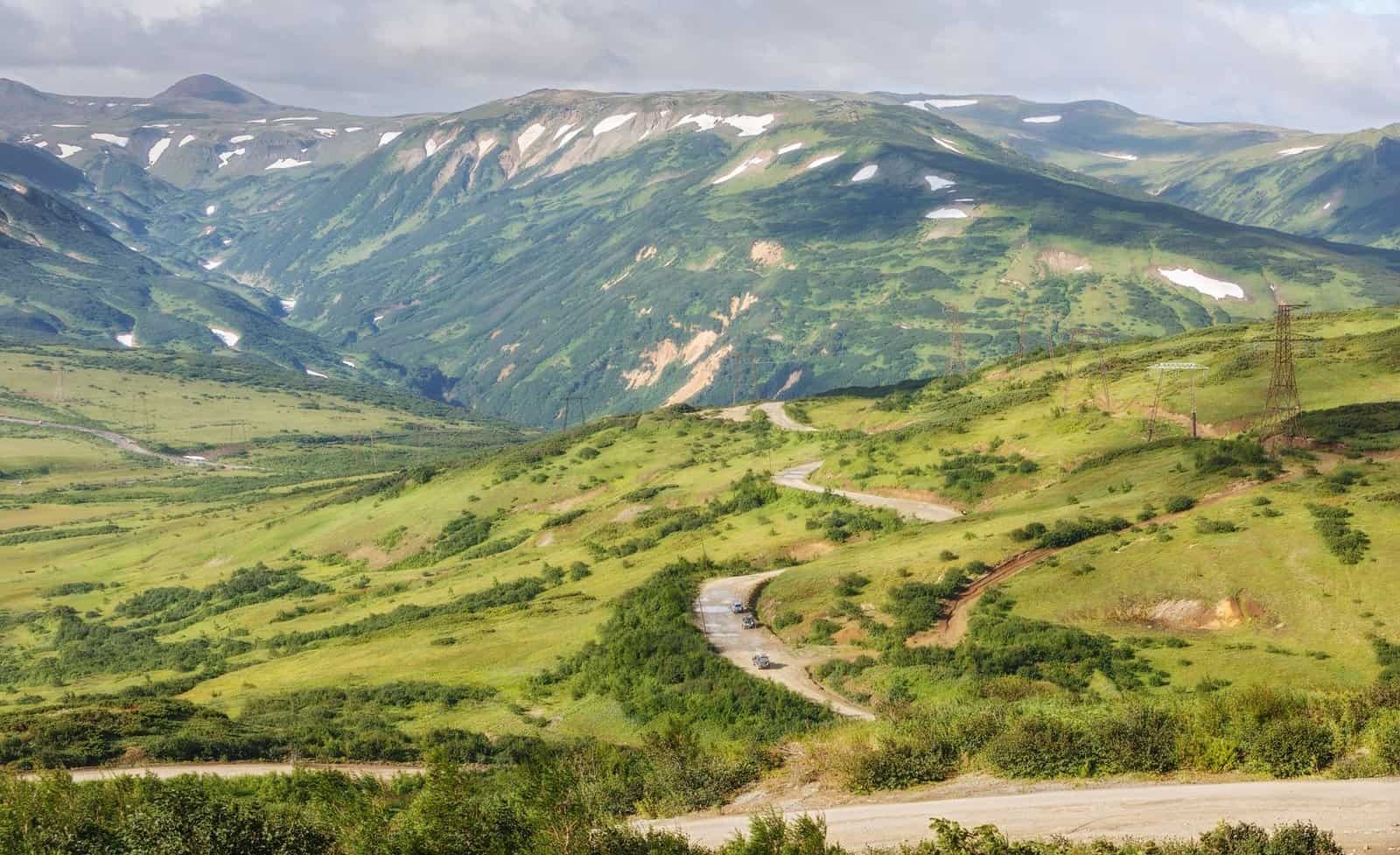
The island measures roughly 3,600 square miles, about the size of Connecticut, and the town of Kodiak has around 5,500 residents. Three main roads leave town. Chiniak Highway runs southeast from town to the village of Chiniak, Anton Larsen Bay Road runs northwest for about 15 miles to a small harbor, and Pasagshak Road branches from the Chiniak Highway for another 15 miles or so to the southern shore. Local planners describe the Chiniak Highway as extending roughly 24 miles from the end of Rezanof Drive before the branches begin.
None of these roads connects to the villages elsewhere on the island, such as Karluk, Larsen Bay, Old Harbor or Port Lions. Those communities are reached by air or sea only, and even the Alaska Marine Highway ferry stops at only a few. The road system is thus a small slice of an island that is mostly roadless.
What you can do on the roads
The roads still cover a surprising amount:
- Fort Abercrombie State Historical Park: A short drive from town, with World War II bunkers, tide pools, trails and a rugged shoreline.
- Buskin River: A salmon stream that runs beside the highway south of town and is a popular fishing and bear-viewing site in season, with campgrounds and a state recreation area.
- Pasagshak Bay and Pasagshak State Recreation Site: Beaches, surf and views at the southern end.
- Chiniak and the Kodiak Launch Complex area: Remote coastal scenery.
- Pillar Mountain: A steep hike or drive above town with views of the harbor.
- Alutiiq Museum and Baranov Museum in town: Cultural and historical exhibits that explain Kodiak’s Alutiiq heritage and Russian-era history.
Wildlife along the road
You may see bald eagles, sea otters, harbor seals and, in late summer, brown bears fishing the streams. Keep a safe distance, never approach or feed bears and follow posted rules. Kodiak’s brown bears, which number in the thousands, are a subspecies found only on the Kodiak archipelago, and they can be large.
Getting Beyond the Pavement
The wildest parts of Kodiak are often beyond the road, and that is where costs rise.
- Floatplane bear viewing: Tour operators fly visitors to remote lakes and rivers on the island’s west side, where bears gather to feed on salmon. Day trips commonly run $600 to $1,000 per person, depending on operator, season and group size.
- Fly-in fishing and hunting: Guided trips to remote streams and bays often cost several thousand dollars.
- Boat trips: Charters and wildlife tours visit nearby bays and islands, with half-day trips often costing $150 to $300 per person.
- Village flights: Small planes link Kodiak to island villages, and tickets typically cost $100 to $250 each way.
- Backcountry travel: Hiking in the Kodiak National Wildlife Refuge requires experience, bear safety training and often a charter for access.
Why costs are high
Kodiak is remote, fuel is expensive, and small aircraft are costly to operate. Flights are weather-dependent, and floatplane operators often build in spare days. That can strain a short trip, and cancellations or delays for fog, wind and rain are common. Build at least one flex day into any plan that includes a flight beyond the road.
Getting There and Getting Around
Most visitors fly from Anchorage, about an hour away, on scheduled service. The Alaska Marine Highway ferry also connects Kodiak with Homer and other ports on a limited schedule, with sailings that can take 9 to 10 hours. Check current schedules and fares, since service varies by season and has been affected by vessel availability.
In town, you will need a car to reach most roadside sights. Rentals are limited and often more expensive than in the Lower 48, with typical daily rates of $90 to $150 in summer, and they sell out. Reserve early. Taxis and a few shuttles operate, and a bicycle works for short trips if the weather cooperates.
Lodging, Food and Costs
Lodging in Kodiak is modest, with hotels, a few bed-and-breakfasts and vacation rentals. Rates in summer typically range from $150 to $250 a night, and they climb during the busy fishing and tourist season. Restaurants emphasize seafood, with halibut, salmon and king crab, and prices are higher than the national average because of shipping. Plan on $20 to $40 for a meal and more for crab.
Groceries are also expensive, and many visitors bring some supplies. A week on the road system, including a rental car, lodging and meals, typically costs $2,000 to $3,500 for two. Adding a floatplane bear trip can add $1,200 to $2,000 for two.
Weather and Seasons
Kodiak has a maritime climate, with mild temperatures, frequent rain, fog and wind. Summer highs are in the 50s and 60s, and winters are mild by Alaskan standards but wet and stormy. The best months for visitors are June through September, when daylight lasts late and salmon runs peak. Bear viewing is strongest from July through September.
Pack rain gear, waterproof boots and layers, and expect that at least some of your plans will be altered by the weather. That is part of the island experience, and flexible travelers tend to have the best trips.
Respect and Safety
Kodiak is the homeland of the Alutiiq people, and many villages are still home to Alutiiq communities. Visitors should treat local culture with respect, ask before photographing people and follow guidance at cultural sites. Carry bear spray and know how to use it, hike in groups and make noise on trails. Check tide tables when walking beaches, and tell someone your plans.
A Three-Day Plan for the Road System
A good first visit fits the road system into three days. On day one, explore town: the Alutiiq Museum, the Baranov Museum, the waterfront and the harbor, where fishing boats unload. Walk to the Holy Resurrection Russian Orthodox Church, a blue-domed landmark that reflects the island’s Russian-era history, and have dinner at a seafood restaurant overlooking the water.
On day two, drive the Chiniak Highway toward the southern end of the road, stopping at beaches and viewpoints. Bring lunch and a rain jacket, and look for sea otters offshore and eagles on the cliffs. On the return, stop at Fort Abercrombie for tide pools and trails, and at Buskin River if salmon are running. On day three, book a half-day boat tour or a short flight, or spend the morning hiking Pillar Mountain before your departure. Even without a flight, three days is enough to see why people fall for the island.
Cultural stops worth the time
The Alutiiq Museum and Archaeological Repository is one of the most important cultural institutions on the island. It displays artifacts, art and language materials from the Alutiiq people, who have lived on Kodiak for more than 7,000 years. Visitors can see traditional kayaks, masks and tools and learn about community-led programs that support language and culture. Check hours and consider a modest admission fee or donation.
Choosing Between a Flight and a Boat
Not every trip beyond the road needs a floatplane. Water taxis and charter boats cost less and can reach bays and coves along the island’s northern and eastern coasts, with opportunities to see whales, sea lions, puffins and sometimes bears on shore. A half-day trip typically costs $150 to $300 per person. Floatplane trips reach farther, to the island’s interior and west side, and often provide better bear viewing, but they cost more and are more exposed to weather. If bears are the main goal, plan on a flight and budget for a backup day. If general wildlife is enough, a boat trip is a lower-cost option.
Packing and Practical Advice
Kodiak is far from a big-box store, so pack carefully. Bring layers, a good rain shell, waterproof boots, a hat and gloves even in summer. Binoculars are valuable for watching wildlife from shore. If you plan to hike, carry bear spray, a map and a whistle, and learn how to use them before you arrive. Cell service is good in town and fades quickly beyond it.
Money-wise, cards are widely accepted, but small villages and remote lodges may prefer cash. Groceries and fuel cost more than in the Lower 48, so shop in town before heading out. Finally, ask locals for current conditions. Weather, road work and wildlife activity change daily, and the people who live there are the best source for what is worth doing on a given afternoon.
The Takeaway
The Kodiak Island road system is a good introduction, not the whole story. It will take you to beaches, trails, fishing streams and museums with ease. The bears, villages and wild interior require planes and boats, and they cost more and depend on weather. Plan around that, and Kodiak is one of the most rewarding places in Alaska.