Vail’s Zip Code Has the Most Expensive Real Estate of Any Ski Town in America. One Factor Explains Most of It.
We may earn money or products from the companies mentioned in this post. This means if you click on the link and purchase the item, I will receive a small commission at no extra cost to you ... you're just helping re-supply our family's travel fund.
Vail, Colorado’s zip code 81657 consistently ranks among the most expensive residential real estate markets in the entire United States, with median home prices running into the multiple millions of dollars, a pricing level that exceeds even other elite Colorado ski towns like Aspen in certain recent market comparisons, driven substantially by Vail’s engineered scarcity of buildable land within its resort core combined with sustained ultra-wealthy demand for ski-in, ski-out property.
Vail Mountain’s status as the largest single ski mountain in Colorado, combined with the town’s deliberately limited development footprint dictated by the surrounding White River National Forest boundaries, has created a supply constraint considerably more severe than most other American mountain resort towns face, a scarcity that has compounded over decades into some of the highest per-square-foot residential pricing in the country.
Why Vail’s Land Scarcity Is More Severe Than Most Ski Towns
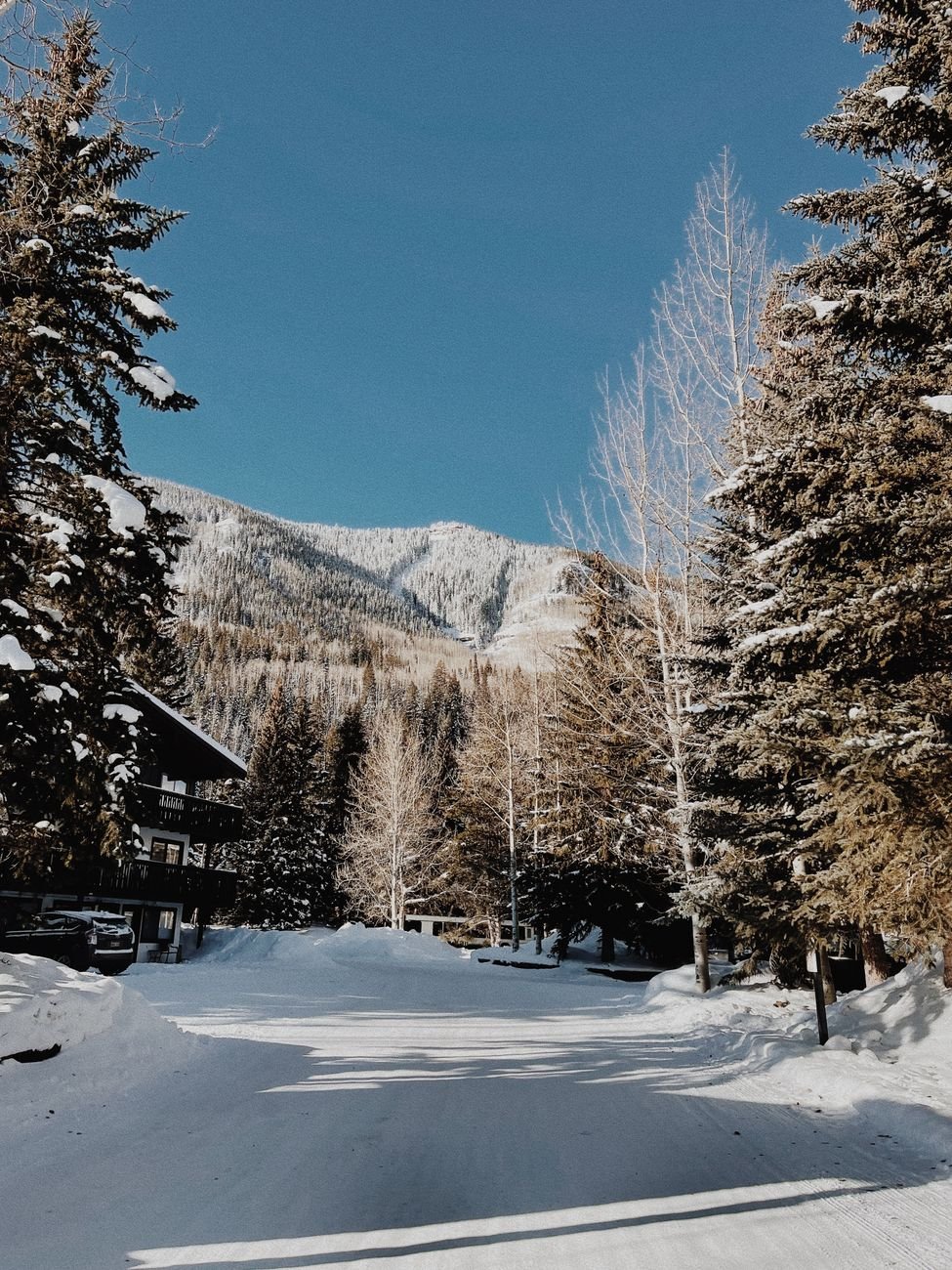
Vail’s resort core sits within a narrow valley largely surrounded by White River National Forest land, which cannot be developed, creating a hard geographic limit on how much new residential construction can occur within walking or gondola distance of the mountain’s base areas, a constraint considerably tighter than sprawling mountain resort towns with more available private land for expansion.
This scarcity has been reinforced by deliberate town planning decisions favoring low-density, high-end development over the kind of denser workforce housing construction that could theoretically ease pricing pressure, a policy pattern common across elite ski towns but particularly pronounced in Vail given the additional geographic constraints the national forest boundary imposes.
How This Plays Out in Actual Housing Numbers
Vail’s median home price has consistently ranked among the highest of any ski town nationally, with ski-in, ski-out properties in the town’s core commanding per-square-foot prices that rival or exceed premium urban markets like Manhattan or San Francisco, a striking comparison for a town with a permanent population of only a few thousand residents.
- Vail’s workforce housing shortage has become severe enough that the town and Vail Resorts have both invested directly in employee housing construction to address staffing shortages
- Many Vail service workers commute from considerably more affordable towns further down the valley, including Eagle and Gypsum
- Vail Mountain’s roughly 5,300 acres of skiable terrain make it the largest single ski mountain in Colorado, reinforcing sustained luxury buyer demand
- Second-home ownership rates in Vail’s core neighborhoods run far higher than most American resort towns, with many properties occupied only a few weeks per year
The Workforce Housing Crisis This Pricing Has Created
Vail’s extreme housing costs have pushed most of the town’s service and hospitality workforce into surrounding down-valley communities, creating long commutes on Interstate 70 that have become a significant operational challenge for local businesses and Vail Resorts alike, particularly during peak ski season when staffing shortages directly affect lift operations and guest services.
Local government and Vail Resorts have both invested in deed-restricted workforce housing developments aimed at keeping essential workers within a reasonable commute of the resort, though these efforts have addressed only a fraction of the total workforce housing gap that the extreme market pricing has created over multiple decades.
How Vail Compares to Other Elite Ski Markets
Aspen, Jackson Hole, and Telluride all face similar land scarcity and luxury demand dynamics, but Vail’s specific combination of being the largest single mountain in Colorado, its relatively convenient Interstate 70 access from Denver, and its particularly constrained national forest boundary has pushed its pricing to the top of the national ski town rankings in several recent real estate market analyses.
This ranking fluctuates somewhat year to year depending on individual high-value transactions, but Vail has remained consistently near the top of any list of the most expensive ski real estate markets in the country for well over a decade, a durability that reflects genuinely structural rather than temporary market factors.
What This Means Looking Ahead
The trends described here are likely to continue evolving over the coming years, and the specific dynamics at play, economic, demographic, or environmental, will keep shaping how Vail’s real estate market develops going forward, making it worth continued attention from anyone with a genuine interest in the place or subject rather than a one-time curiosity.
For now, understanding the fuller context behind Vail’s real estate market gives a more accurate picture than the surface-level version most casual observers encounter, and that accuracy matters increasingly as more people make real decisions, about where to live, where to visit, or how to spend their money, based on incomplete or outdated impressions.
What Locals Say Compared to What Visitors Assume
Longtime residents familiar with Vail’s real estate market often describe a considerably more nuanced picture than outside visitors or casual observers typically assume, with the day-to-day reality involving tradeoffs and complications that don’t fit neatly into either an overly romanticized or overly dismissive narrative about the place.
That gap between local knowledge and outside perception shows up repeatedly across similar cases nationally, and it’s a useful reminder that Vail’s real estate market rewards a closer, more careful look rather than the quick surface judgment that most passing visitors or online commentary tend to settle for.
The Practical Takeaway for Anyone Paying Attention
Anyone planning to engage more seriously with Vail’s real estate market, whether as a visitor, a potential resident, or simply someone trying to understand the underlying dynamics accurately, benefits from looking past the most commonly repeated version of the story and toward the specific data and history that actually explain how things got this way.
That extra bit of research rarely takes long, and it consistently produces a more useful and more accurate understanding than relying on secondhand impressions, making it worth the modest additional effort for anyone whose decisions actually depend on getting Vail’s real estate market right.