Every Major US Theme Park Ranked Honestly — Not by Ride Count, But Whether a Family of Four Walks Out Feeling Like It Was Worth $1,200
We may earn money or products from the companies mentioned in this post. This means if you click on the link and purchase the item, I will receive a small commission at no extra cost to you ... you're just helping re-supply our family's travel fund.
A family of four visited Disney World in 2024. Four-day park tickets: $1,640. Hotel near the park (not on-property): $900. Food (in-park, four days): $520. Lightning Lane passes across four days: $380. Parking: $80. Miscellaneous — a souvenir here, a snack there: $200.
Total: $3,720.
The family had a good time. They would not describe it as the greatest experience of their lives. One parent described the experience as “like a really fun military operation that cost more than our first car.”
The theme park industry is a $20+ billion sector that has spent the past decade figuring out how to extract more money from the same number of guests while maintaining the perception that the experience is worth it. Sometimes it is. Sometimes it isn’t. The difference matters at these prices.
Here’s the honest ranking.
The Math Every Family Needs to See Before They Go
Let’s establish what a family of four (two adults, two children ages 8 and 12) actually spends for a single day at a major US theme park in 2026:
- Base tickets: $120–$220 per person per day depending on park and date. For four people: $480–$880.
- Skip-the-line passes: Disney’s Lightning Lane Multi Pass ($30–$35/person/day), Universal’s Express Pass ($80–$200/person for the full day). These are now effectively required at peak periods to have a satisfactory experience. Add $120–$800 for four people.
- Parking: $30–$50 at most parks, or resort transport/hotel if staying on property.
- Food: In-park dining at major parks runs $15–$22 per person for a quick-service meal. A family of four eating two meals in-park: $120–$175.
- Snacks, drinks: $50–$80 is realistic for a full day.
- Merchandise/incidentals: Budget $50–$100 and accept that it will happen.
Realistic single-day total for a family of four at a major US theme park: $900–$1,400, depending on park and choices.
Before hotel, travel, or anything else. A single day.
What ‘Value’ Means When You’re Spending $1,200

The ranking framework here is not “which park has the best rides” — it’s which parks produce an experience that justifies the all-in cost for a real family making real financial decisions.
Value factors:
- How many hours of genuine, low-wait engagement do you get?
- How much does the base ticket leave out (i.e., how many additional purchases are required to have the full experience)?
- Is the experience coherent and emotionally resonant, or just a collection of rides?
- Does the park’s crowd management, food quality, and logistics match the price?
Disney World: Still Magic, But the Business Model Changed
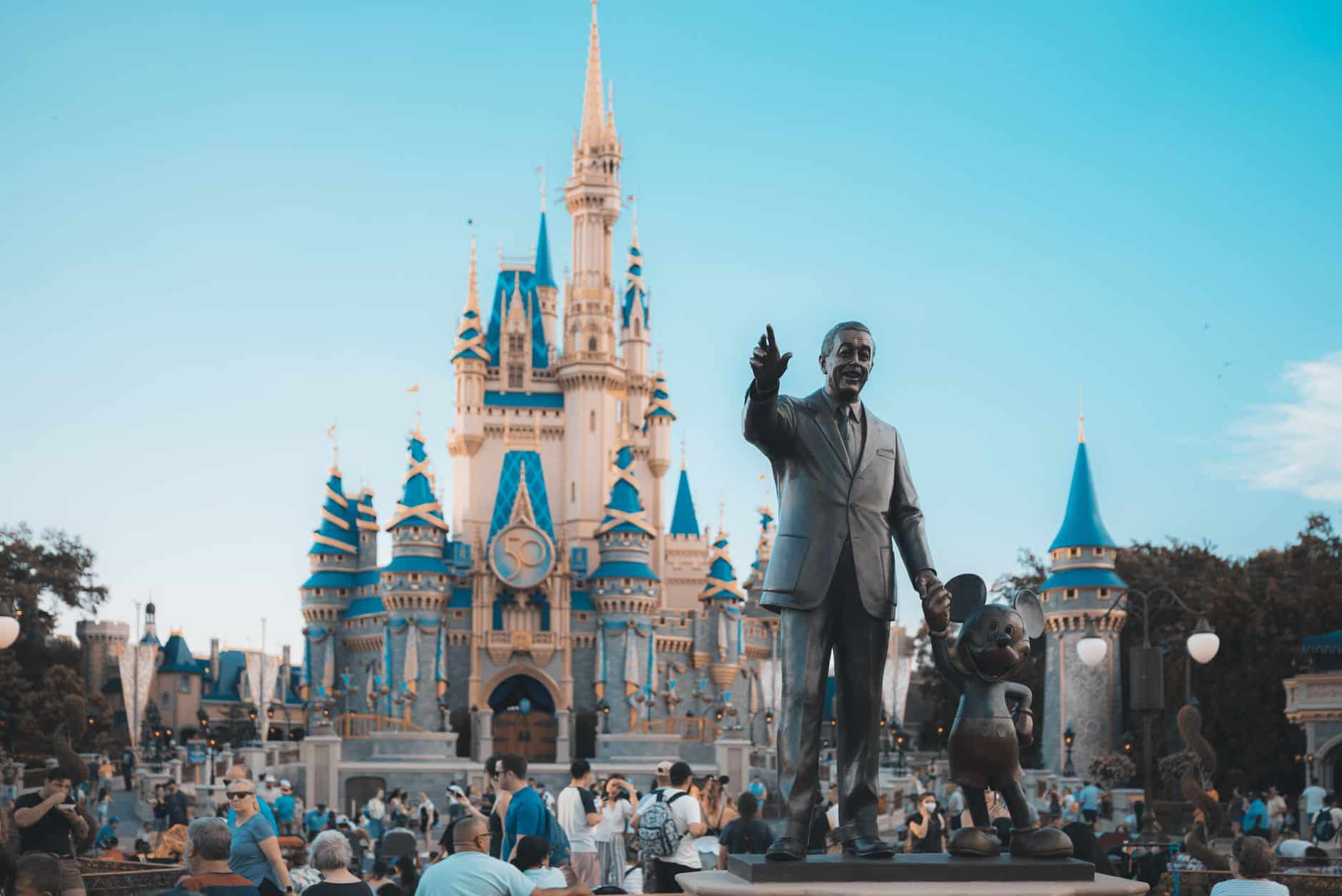
Disney World is the most visited theme park destination in the world, and it is genuinely remarkable in ways that justify its position. The scale, the theming, the world-building across Magic Kingdom, EPCOT, Hollywood Studios, and Animal Kingdom — there is nothing quite like it.
The problem is what you have to do to access it.
What Changed
- The free FastPass system was replaced with Lightning Lane — now a paid service. Previously, you could manage your waits for free with some planning. Now, not purchasing Lightning Lane at major parks means waiting 60–120 minutes for headliner rides.
- Genie+ (now Lightning Lane Multi Pass) adds $30–$35 per person per day. Individual Lightning Lane selections for the most popular rides add another $7–$20 per person on top of that. This is per day.
- Park hopping requires separate tickets and is no longer included in base admission
- Early entry (formerly free for resort guests as Extra Magic Hours) now requires resort hotel stays at a significant premium
The Honest Verdict
Disney World is worth the money for families with children in the 4–12 range who will fully emotionally engage with the theming. A child meeting Mickey Mouse at Magic Kingdom, seeing the Castle at night, experiencing Fantasyland — this is genuine value that is hard to put a price on.
For teenagers, adults, and experienced visitors: the value proposition is shakier. The rides are good, not transcendent. The food improved but is expensive. And the constant paid-upgrade system makes every day feel like you’re being monetized.
Rating: Worth it, once. Once is probably enough unless you have young children who will have the full magical experience.
Universal Orlando: The Clear Winner for Older Kids and Adults

Universal Orlando — particularly the combination of Universal Studios Florida and Islands of Adventure — is the best theme park value proposition in America for families with children over 10, teens, and adults.
Why It Works
- The Wizarding World of Harry Potter is the most successfully executed immersive theme park experience in American history. Both parks have a Wizarding World section, and the detail, the food, and the ride quality justify the ticket alone for fans
- Ride quality and innovation are genuinely higher than Disney’s current output. Velocicoaster is considered one of the best roller coasters in the world. Hagrid’s Motorbike is routinely called the best theme park ride in the US by enthusiasts
- The Express Pass system, while expensive, is more clearly tiered and understandable than Disney’s ever-changing system
- Epic Universe — Universal’s new park opening in 2025/2026 — adds a fifth park and substantial new immersive worlds
- On-site hotels offer Express Pass unlimited access at a premium tier — for families who want to skip all lines all day, this is better structured than Disney’s equivalent
The Honest Verdict
For the money, Universal Orlando delivers more consistent ride quality, clearer upgrade value propositions, and a more genuinely fun experience for adults than Disney World does. Not more magical for young children — Disney wins that. But more fun per dollar for most people over 12.
Rating: Best value for the price among mega-parks. Go here first if your kids are old enough for thrill rides.
Disneyland vs. Disney World: Different Experiences, Different Math
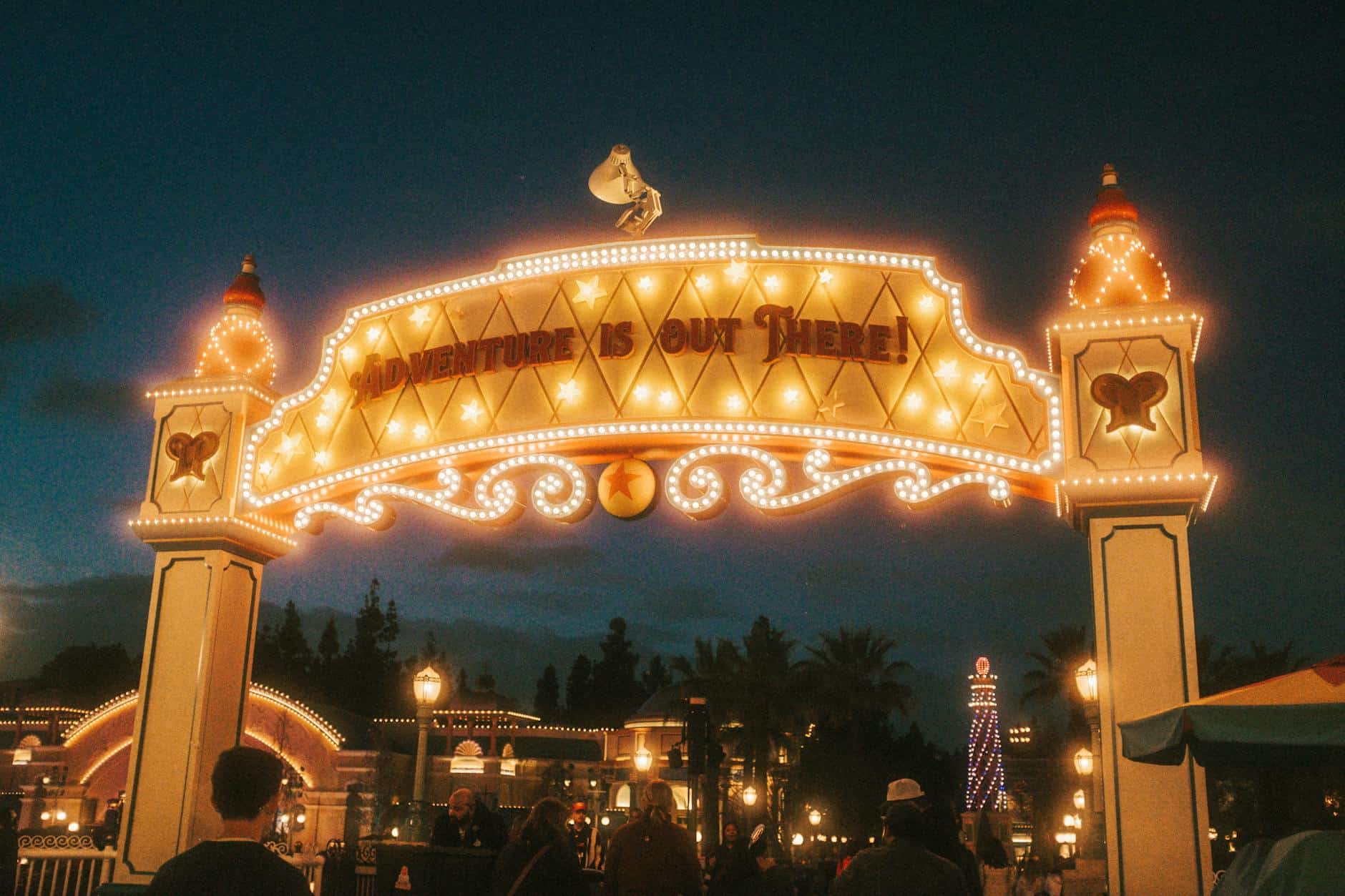
Disneyland in California is a fundamentally different experience than Disney World — and the math often works better.
- It’s one park (with Disney California Adventure adjacent) rather than four — more manageable in a single or two-day visit
- The original park has an authenticity and nostalgia that the Florida campus, built later and larger, lacks
- It’s in a real city (Anaheim), meaning food options outside the park are walkable and affordable — the food-cost math is dramatically better
- Galaxy’s Edge at Disneyland is the full Star Wars immersive experience — Millennium Falcon: Smugglers Run and Rise of the Resistance are here
For a West Coast family making a day trip, Disneyland delivers better value than Disney World for most demographics. The magic is more concentrated; the overhead is less.
Rating: Better value than Disney World for a day visit. Still expensive. Worth it once per childhood.
Six Flags and Cedar Fair Parks: The Honest Assessment
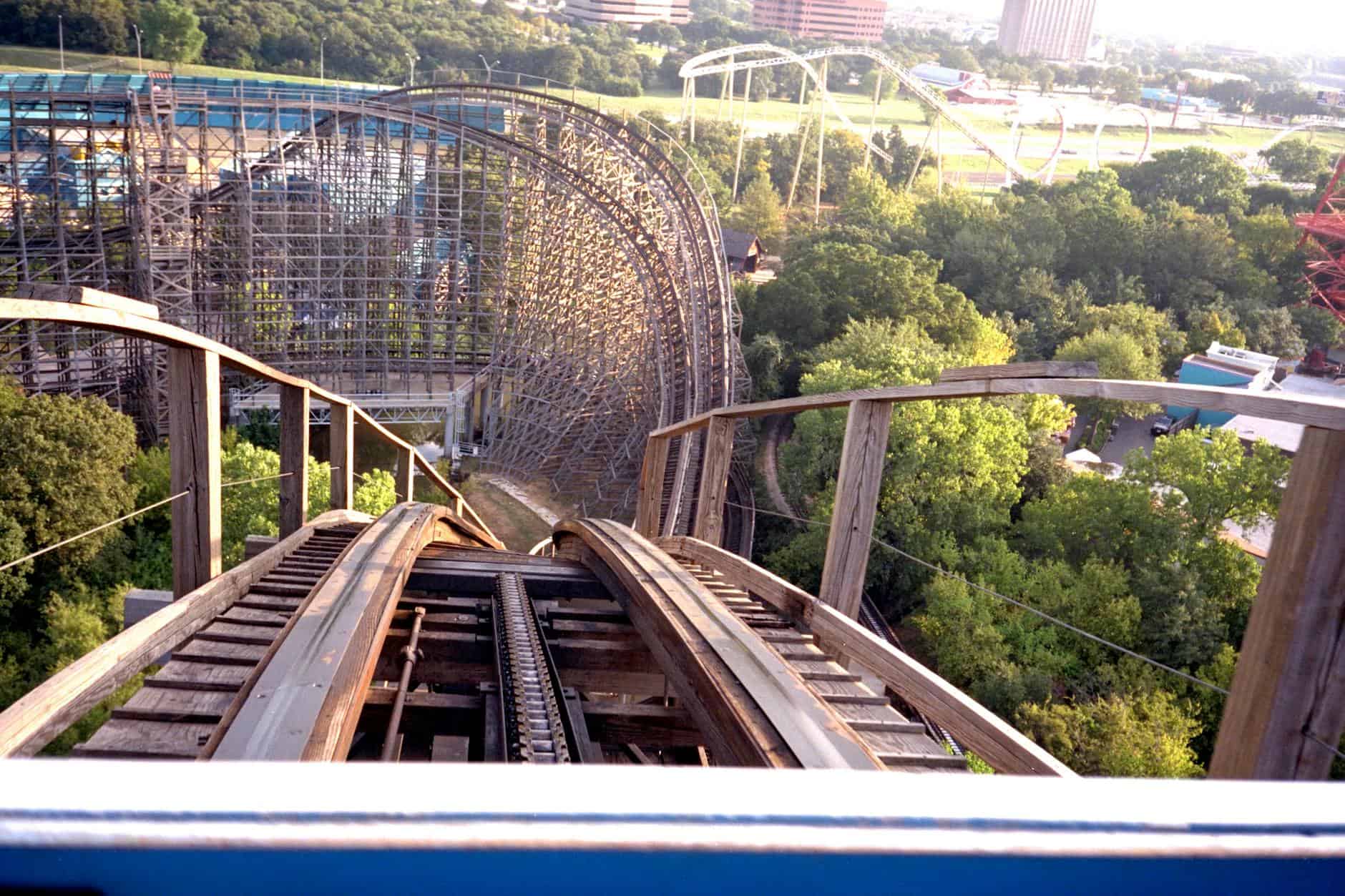
Six Flags and Cedar Fair parks (now merged under Six Flags Entertainment Group) serve a completely different market than Disney and Universal, and deserve to be judged against their own value proposition.
What they do well:
- Roller coaster quantity and quality at Cedar Point (Ohio) specifically is legitimately world-class. Enthusiasts call Cedar Point the best coaster park on earth, and this is defensible
- Season passes are aggressively priced — a family with annual access to regional parks has a cost-per-visit that makes the math work completely
- For teenagers who want to ride coasters all day without character theming, this is exactly the product
What they do less well:
- Food and dining quality is low — this is a known issue across the brand
- Park maintenance and cleanliness is inconsistent across the regional portfolio
- The “add-on” culture has grown — flash passes for line skipping are expensive at busier parks
- Theming and coherent world-building is minimal — it’s a collection of rides, not an experience
Rating: Cedar Point specifically is worth a trip for coaster enthusiasts of any age. Regional Six Flags parks: great value on a season pass, mediocre value on a one-day ticket.
Busch Gardens, SeaWorld, and the Mid-Tier Parks

Busch Gardens (Tampa and Williamsburg) punches above its weight for families:
- Williamsburg specifically combines good coasters with well-maintained grounds and European theming that is genuinely pleasant
- Tampa offers a zoo-plus-coasters combination that works well for mixed-age groups
- Ticket prices are meaningfully below Disney and Universal, and the experience doesn’t suffer proportionally
SeaWorld’s parks have stabilized following controversy and undergone meaningful transformation. The animal care standards have been scrutinized and improved, and parks like SeaWorld San Diego and Aquatica have their place for marine life-interested families. Not a destination park, but a solid day experience for the price.
Rating: Busch Gardens Williamsburg is consistently underrated and worth including on a family’s theme park list. Good value.
The Verdict: What the Rankings Actually Show
Honest summary, in order of value for a typical family of four:
- Universal Orlando (Epic Universe era) — Best ride quality, best value for older kids and adults, clearest value ladder
- Disneyland — Best single-day Disney value, authentic, better food access outside the park
- Cedar Point — World-class if you’re a coaster family. Nothing else like it in the US.
- Busch Gardens Williamsburg — Underrated, well-priced, genuinely enjoyable
- Disney World — Still worth it for families with young children experiencing it for the first time. Hard to justify repeat visits at current pricing without specific goals
- Regional Six Flags parks on season pass — Good value with a pass, not otherwise
The theme park experience in America is still capable of being genuinely transformative — particularly for children who are at the right age for the right park. But $1,200 is a real number. The parks that earn it are the ones that make you forget you spent it. The ones that don’t are the ones where you spend the last two hours calculating what else you could have done with the money.
Know the difference before you buy the tickets.