What Actually Happened to All-Inclusive Resorts — Why They Exploded, Why the Quality Cratered, and the Ones That Are Still Worth It
We may earn money or products from the companies mentioned in this post. This means if you click on the link and purchase the item, I will receive a small commission at no extra cost to you ... you're just helping re-supply our family's travel fund.
Somewhere in the 1990s, all-inclusive resorts became the aspirational American vacation. One price, everything included, a wristband that unlocks unlimited rum punch — you could relax without your wallet for a week. The math was simple and the appeal was real.
Today, many of those same resort brands deliver a noticeably different experience. The food has changed. The drinks have changed. The staff ratios have changed. The add-on fees have multiplied. And millions of travelers every year come home wondering why they paid $3,000 to eat mediocre buffet food and fight for a pool chair.
The brand name is the same. The product is not.
Here’s what actually happened.
The Original Promise — and Why It Was Genuinely Good
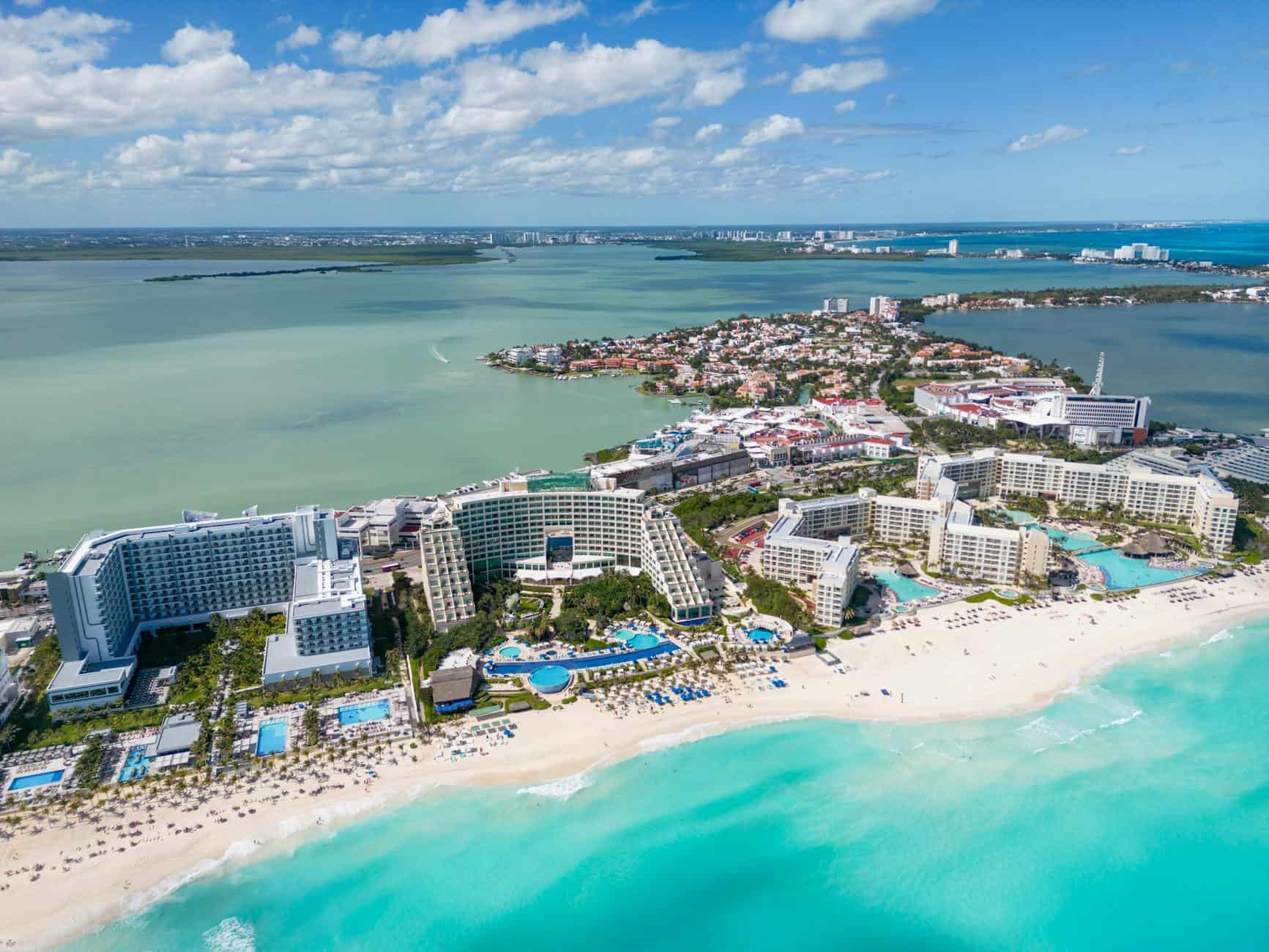
The all-inclusive concept was pioneered by Club Med in the 1950s and spread widely through Caribbean and Mexican resort development in the 1970s and 80s. The original proposition was straightforward and genuinely valuable:
- One upfront price covering room, meals, drinks, entertainment, and basic activities
- No constant wallet extraction — you couldn’t be upsold at every meal
- A predictable vacation cost that families and couples could budget for exactly
- Properties staffed to service levels that justified the price
In the 1990s expansion — when brands like Sandals, Beaches, and Barceló aggressively expanded through Mexico and the Caribbean — the model worked well. Properties were newer, competition drove service standards up, and the “unlimited” promise was more honestly delivered.
What Changed: How the Business Model Got Hollowed Out
The inflection point was private equity and large hospitality conglomerate acquisition.
Through the 2000s and accelerating through the 2010s, most major all-inclusive brands were acquired by or consolidated under large hotel groups and investment funds — AMR Collection, RIU Hotels, Apple Leisure Group (acquired by Hyatt), Karisma, etc. When institutional capital enters hospitality, the mandate is margin improvement. In all-inclusive resorts, margin improvement has largely one mechanism: cost reduction while maintaining the same room rate.
This plays out as:
- Food sourcing shifts to lower-cost suppliers — the proteins, produce, and ingredients change without the menu language changing
- Staff-to-guest ratios decrease — the same resort with fewer servers, fewer bartenders, fewer housekeeping staff
- “Premium” alcohol gets locked behind upgrades — the “unlimited” bar now includes well spirits; name brands require a tier upgrade
- Specialty restaurants require reservations and upsells — the one good Italian restaurant at the resort has a separate fee or requires an upgraded room category
- Room inventory expands while service infrastructure doesn’t — properties add towers or phases, doubling the guest count, without proportionally increasing restaurants, pools, or staff
The room rate stays the same. The experience gets cheaper. The guest base — largely first-time visitors or people who booked three years ago before the last acquisition — doesn’t know the difference until they arrive.
The Specific Ways Quality Has Dropped

Returning guests to long-established resorts describe these specific changes over the past decade:
The Buffet Creep
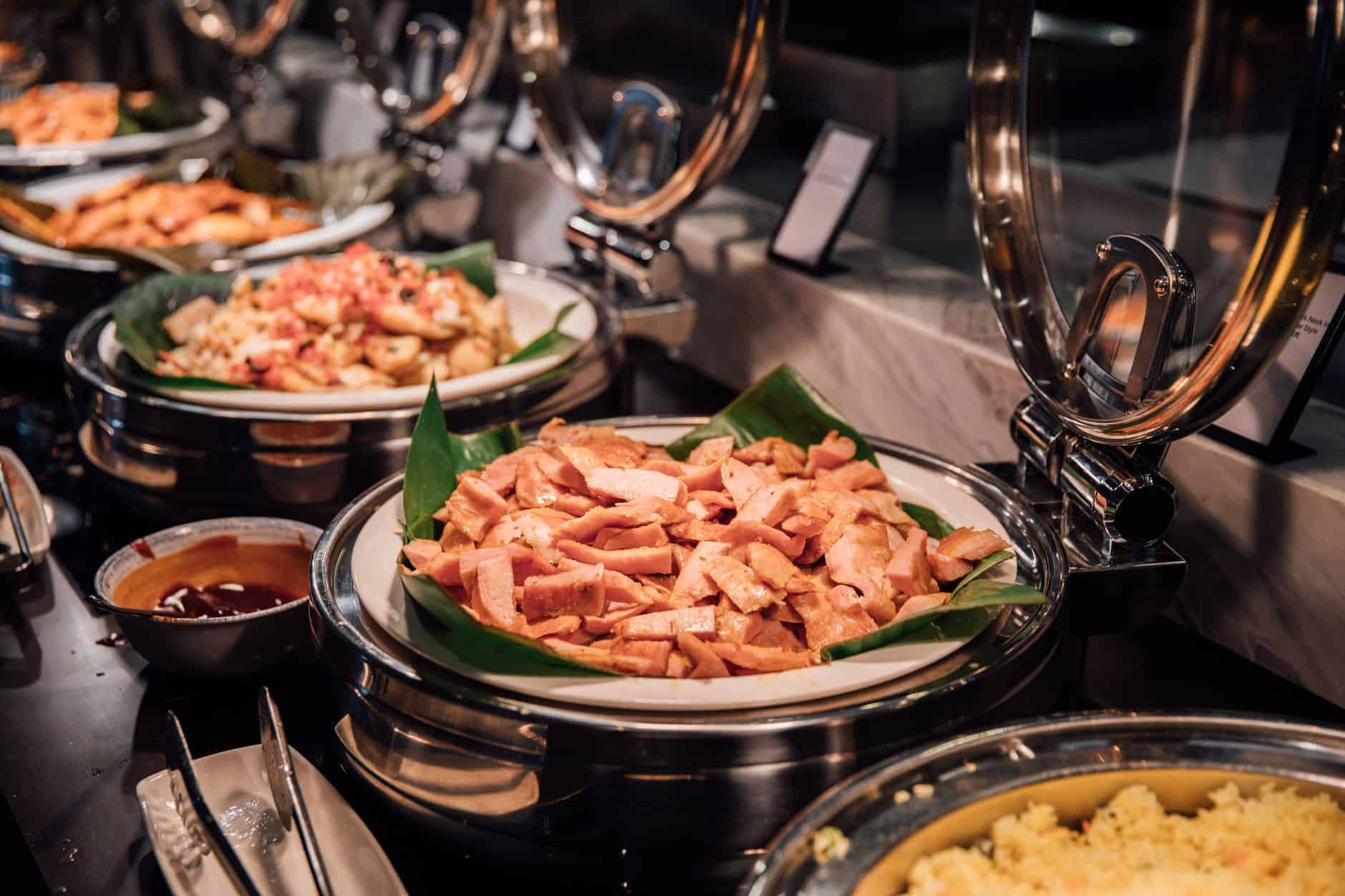
Branded all-inclusives that once featured a mix of sit-down á la carte dining and a buffet option have shifted the ratio toward buffet dominance. Á la carte restaurants require reservations that fill months in advance (or never, if you’re not in a premium tier). The buffet runs for every meal. After four days, this is demoralizing.
The Drink Downgrade
Pre-acquisition properties often had full premium bars. Post-acquisition, the standard package includes house-brand spirits, a limited beer selection, and basic wines. Brand-name alcohol — the tequila you asked for by name, the bourbon that isn’t paint thinner — requires an upgrade package at $30–$80/day per person. The unlimited alcohol is still unlimited. The quality is not what was sold.
Pool Chair Scarcity
Pool chairs and beach chairs are now genuine scarcity resources at many large all-inclusives. The “towel at 7am” practice — guests reserving chairs hours before using them — has become adversarial and universal. Properties have room for 800 guests. They have 200 desirable pool chairs. The math produces conflict.
Entertainment That Phones It In
The nightly entertainment that was once a genuine production — with professional dancers, live musicians, rotating shows — has been replaced at many properties with a rotation of cover band performances and activities that feel designed for people who aren’t paying attention.
The Timeshare-Adjacent Trap Inside All-Inclusives

This one deserves its own section because it surprises first-timers every time.
Many resort destinations — particularly in Mexico and the Dominican Republic — have a secondary economy of timeshare and “vacation club” salespeople who approach guests at the pool, on the beach, and sometimes at check-in.
They offer a free activity, a discount on a tour, or a resort credit in exchange for attending a “brief 90-minute presentation.” This is, nearly without exception, a timeshare or vacation club pitch.
At some properties, the relationship between the resort and the sales operation is blurry — the salespeople have resort-branded materials and operate in resort-branded spaces, creating the impression that this is an official activity.
The script is similar to what we described in a previous piece about timeshares: friendly, social, extended, with a one-day-only offer. The products sold — typically vacation club memberships or fractional ownership interests — carry the same difficulty of exit and fee obligations as traditional timeshares.
Say no at check-in. Say no at the pool. The free tour is not free.
Why People Still Go — and When It Still Makes Sense

All-inclusive resorts still serve a genuine purpose for specific situations:
- Families with young children who need a predictable, contained environment where kids can eat whatever and whenever, there’s supervised kids’ club programming, and parents don’t have to manage a budget per meal
- Groups — bachelor/bachelorette parties, family reunions — where the single invoice and no-decisions dining structure simplifies logistics enormously
- Genuinely relaxation-focused travelers who don’t care about culinary experiences and want to sit by a pool, drink, and not think
- First-time international travelers who want a contained, low-friction introduction to a destination before exploring more independently
The problem is that the industry markets to everyone while the product now primarily serves the use cases above.
The Resorts That Have Maintained Standards
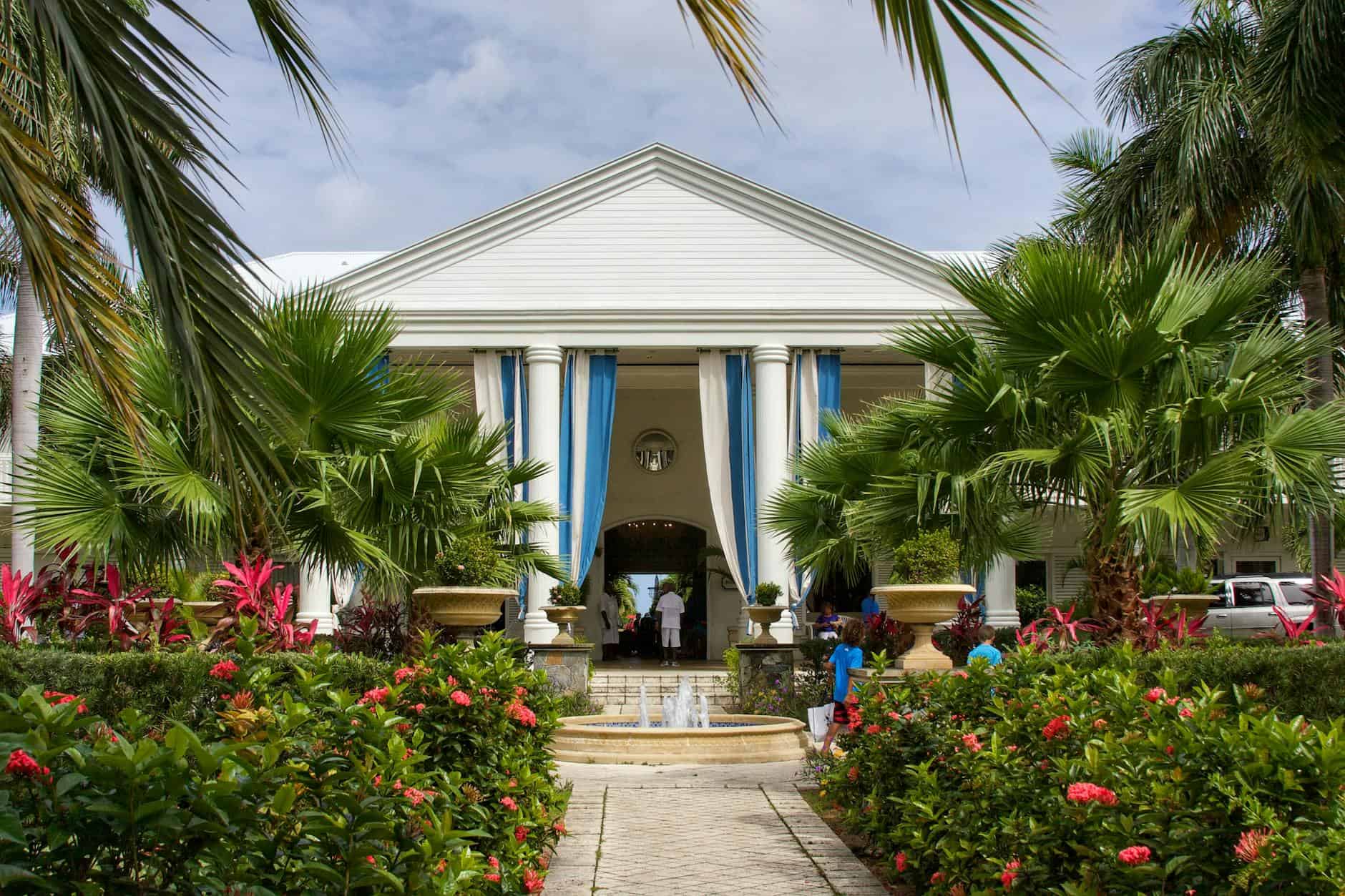
Not all all-inclusives have made the race-to-the-bottom move. The ones that consistently receive returning guest praise and maintain standards:
Excellence Resorts (Excellence Playa Mujeres, Excellence Oyster Bay)
Adults-only, consistently well-reviewed for food quality and service. Maintains real á la carte dining without reservation battles. More expensive than mass-market all-inclusives, but the gap is justified by the experience delta.
Zoëtry Wellness & Spa Resorts
Boutique all-inclusive concept with small property sizes (under 100 rooms at some locations) that allows genuine service quality. The intimacy is the point — these feel nothing like a 1,000-room mega-resort.
Beaches Resorts (certain properties)
Sandals’ family brand has maintained a higher service standard than most of the mass market. More expensive, and the entertainment ecosystem is genuinely good for families with children across ages.
Small-Ship Expedition Cruises with All-Inclusive Pricing
Not a resort, but worth mentioning: small expedition cruise lines like Silversea or Seabourn include virtually everything in the fare and have maintained quality because their guest base is discerning and will leave immediately if it drops.
What to Actually Look For When Booking

If you’re booking an all-inclusive, specific questions to research before committing:
- What is the room-to-á la carte-restaurant-seat ratio? If a 600-room resort has two specialty restaurants with 50 seats each, the math means most guests eat buffet. This should matter to you.
- What’s in the standard alcohol package? Read the actual list. “Unlimited premium” means different things at different properties.
- What’s the newest construction, and how old is the oldest tower? Mega-resorts built in phases often have significant room quality variance.
- What do repeat guests (not first-timers) say? Filter reviews for guests who have been before. They know what changed.
- Has this property changed ownership or management in the past 5 years? An acquisition is often the inflection point for quality decline. Check the history.
- What are the mandatory fees not in the listed price? Mexico specifically has mandatory government taxes and some resorts charge a “tourist card” fee at checkout that isn’t visible in the booking price.
The all-inclusive resort is not a bad product. It is a product that now varies enormously in quality while varying very little in price and marketing language. Doing that research before booking is the difference between a vacation that delivers and one that makes you wonder why you didn’t just find an Airbnb and buy your own groceries.