Tipping Abroad Is More Complicated Than You Think — Here’s the Country-by-Country Reality Americans Keep Getting Wrong
We may earn money or products from the companies mentioned in this post. This means if you click on the link and purchase the item, I will receive a small commission at no extra cost to you ... you're just helping re-supply our family's travel fund.
American tipping culture is its own peculiar institution — the result of decades of restaurant lobbying and a federal tipped minimum wage that hasn’t moved since 1991 ($2.13/hour, if you’re keeping score). We tip 20% as a default because our system is built that way. Service workers in the US depend on tips to make rent.
The rest of the world largely doesn’t operate this way. And when Americans carry their tipping habits abroad, one of two things happens: they over-tip in ways that are awkward or disruptive, or they under-tip in places where it genuinely matters. The research is pretty clear on which happens more often — Americans tend to over-tip in countries where service staff are already well-compensated and either confuse or mildly offend the person they intended to thank.
Here’s what’s actually going on in the places you’re most likely to visit.
Countries Where Tipping Is Offensive or Just Confusing
Japan
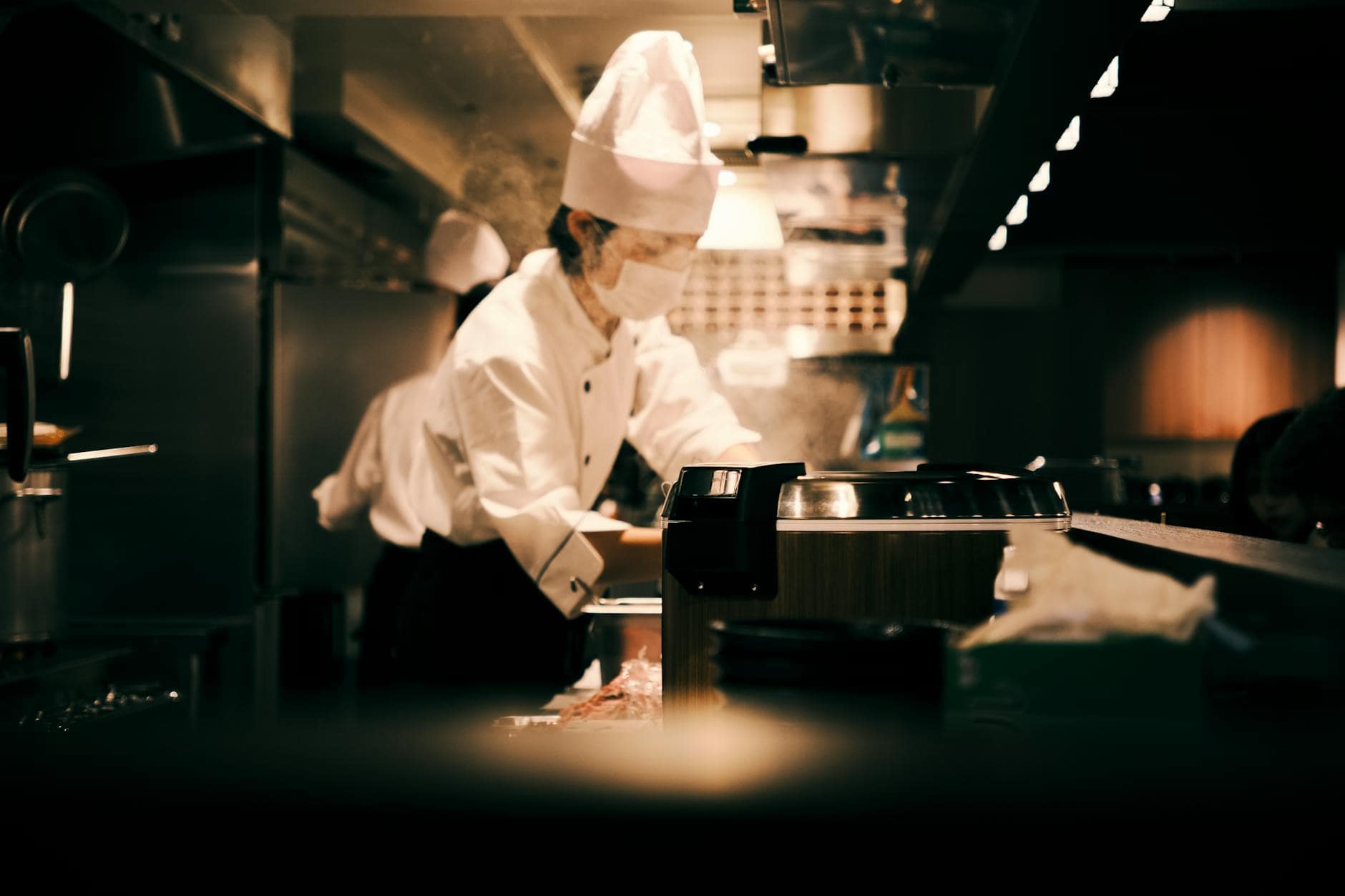
This is the most-cited example for good reason. In Japan, the concept of *omotenashi* — wholehearted hospitality — means that service is given without expectation of additional compensation. Tipping can be perceived as implying the server needed extra motivation to do their job well, which is insulting. More practically, a server may chase you down the street to return money you “accidentally” left.
If a bill comes, pay the bill. If you want to express genuine gratitude, say *arigatou gozaimashita* and mean it. That lands better than any amount of yen.
South Korea
Similar dynamic. Tipping is not customary and can create awkwardness. High-end hotels that cater specifically to Western tourists may be exceptions — some have adopted tipping expectations — but in most restaurants, cafes, and taxis, just pay the stated amount.
Iceland
Iceland has strong labor protections and service workers earn a legitimate living wage. Tipping exists but is not embedded in the culture the way it is in the US. Locals find it a little strange. If you want to leave a small amount because the service was exceptional, nobody will be upset — but it’s genuinely not expected.
Singapore
Tipping is not customary and in some cases explicitly prohibited — some establishments post signs saying no tips are accepted. Service charges (usually 10%) are added to bills automatically, and those go to the house, not always directly to staff. Adding more on top isn’t expected.
China
In mainland China, tipping has historically been unusual or even seen as rude, though this is shifting in tourist-heavy areas and higher-end international hotels. In traditional local restaurants, skip it. At a Western-style hotel with international staff, a small tip for exceptional service is unlikely to offend.
Countries Where You Should Tip (But Not Like an American)
France
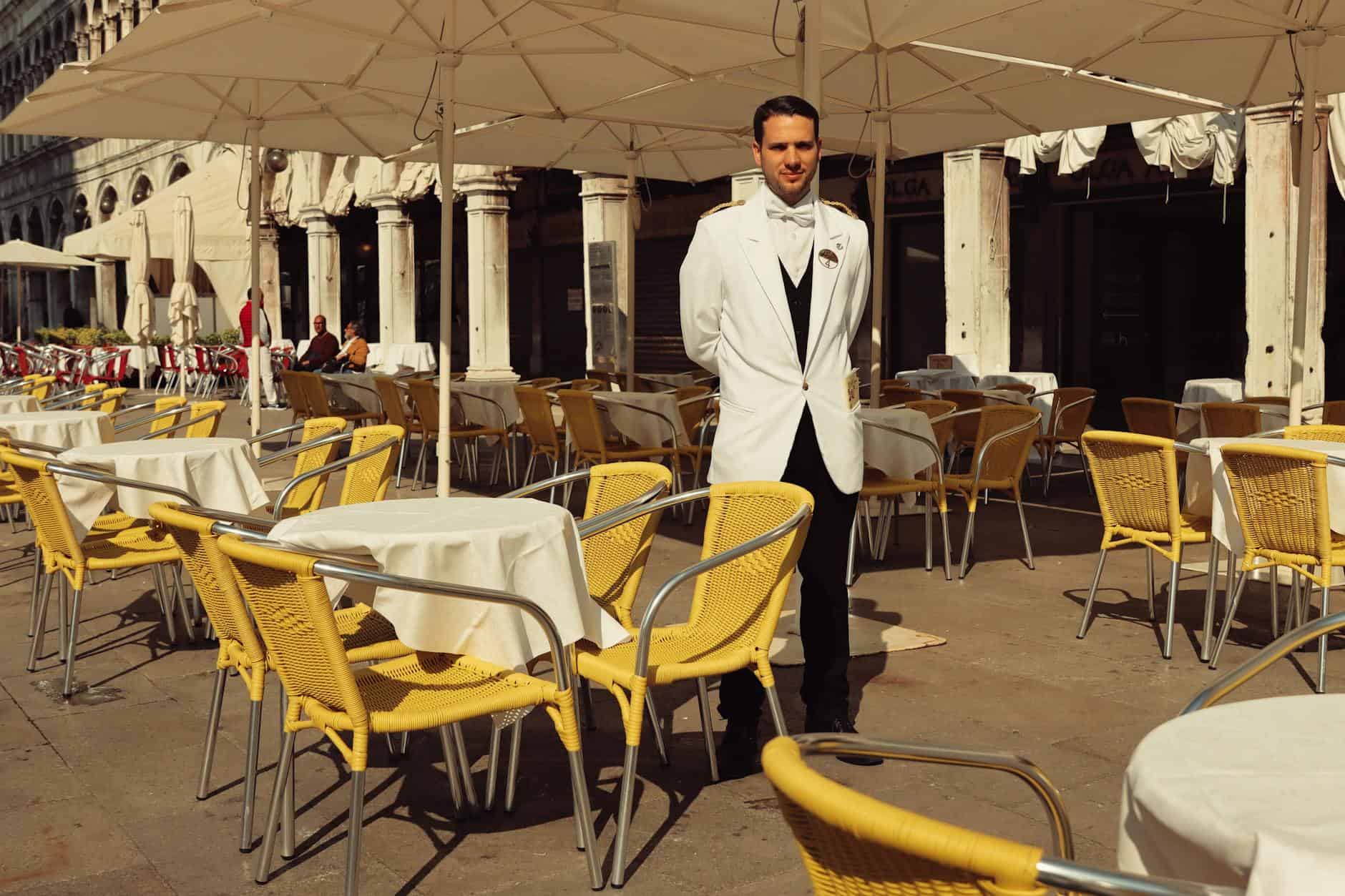
French restaurants include a *service compris* (service charge) by law — it’s baked into the menu prices, not added at the end. There’s no cultural expectation to tip on top of that. However, leaving small change or rounding up (a euro or two on a casual meal) is appreciated and common among locals. Leaving 20% would be strange.
Germany
Tipping is common but modest. The standard move is to round up — if your bill is €17.50, you might say “€19” when you pay (hand the cash to the server with the intended total, they take their tip and give back the rest). Leaving 5–10% is perfectly appropriate for good service. Leaving 20% signals that you’ve never left the United States.
Italy
Restaurants often include a *coperto* (cover charge) and/or *servizio* (service charge) on the bill — check before you tip anything. If neither is included, a euro or two per person is appreciated. The Italian norm is nothing like American tipping culture. Do not leave 20% at a trattoria.
Spain
Similar to Italy and France. Small amounts — rounding up, or leaving a euro or two — are fine and appreciated. No expectation of a percentage-based tip. Servers in Spain earn a real wage; your tip is a bonus, not the difference between making rent or not.
United Kingdom
Check the bill first. Many restaurants add a 12.5% service charge automatically. If they do, you’ve already tipped. If not, 10–15% is standard and appreciated. Tipping in pubs is a different matter — you don’t tip bartenders in UK pubs as a rule, though you can offer to buy them a drink (“and one for yourself?”), which is culturally appropriate and often appreciated.
Netherlands
Service workers in the Netherlands earn a proper minimum wage. Tipping is acknowledged but not required. Rounding up or leaving 5–10% for genuinely good service in a restaurant is appropriate. Expecting to tip 20% would puzzle your server.
Australia and New Zealand
Service workers here earn proper wages — AU$20+/hour minimum. Tipping is not built into the culture. Locals rarely tip in casual restaurants. In upscale restaurants, 10% for excellent service is appreciated but not expected. Tipping your taxi driver? Usually not. Tipping at a café? Jars are there but cultural expectation is low.
Countries Where American-Style Tipping Is Expected

Canada
Virtually identical to the US. Tip 15–20% at restaurants. Tip your taxi driver. Tip hotel staff. The service industry wage structure is similar enough that the same norms apply.
Mexico
Tipping is very much expected — often more than many Americans realize. 10–15% is the local norm, 15–20% is appreciated. Many service workers in tourist areas earn very low base wages and depend on tips significantly. Don’t skip it. All-inclusive resorts are a particular situation where tipping staff directly is common practice.
Caribbean Islands
Most Caribbean destinations have US-influenced tipping cultures, especially those with significant American tourism. 15–20% at restaurants is standard. Check bills carefully — many add service charges automatically, especially at resort properties.
Brazil
A 10% service charge (*taxa de serviço*) is automatically added to restaurant bills. You are not required to tip beyond this, though locals sometimes round up for good service.
The Special Cases: Hotels, Tours, and Taxis

- Hotel Staff Everywhere In most countries, tipping hotel staff — housekeeping, bellhops, concierge — is appreciated even where restaurant tipping isn’t standard. These workers often earn lower wages than restaurant staff. $1–2 USD equivalent per bag for a bellhop and $2–5 per night for housekeeping (left daily, not at checkout) is reasonable worldwide.
- Guided Tours In most countries, tipping tour guides is standard and expected, regardless of local restaurant tipping culture. $5–15 USD equivalent per person for a half-day tour is a common range. This applies almost everywhere — Europe, Asia, Latin America.
- Taxis and Rideshares Varies widely. In the UK, rounding up is appreciated. In Japan, don’t tip. In Mexico, 10–15% is appropriate. In much of Europe, rounding up is fine. When in doubt, check what the app says — Uber internationally sometimes has local tipping built in.
- Spa and Massage In Southeast Asia (Thailand, Bali, Vietnam), where massage culture is deeply embedded and prices are very low, tipping is appreciated and meaningful — 10–20% is appropriate. In Japan’s onsen culture, you don’t tip. In European spas, tipping 5–10% for excellent service is fine but not mandatory.
The One Rule That Works Everywhere
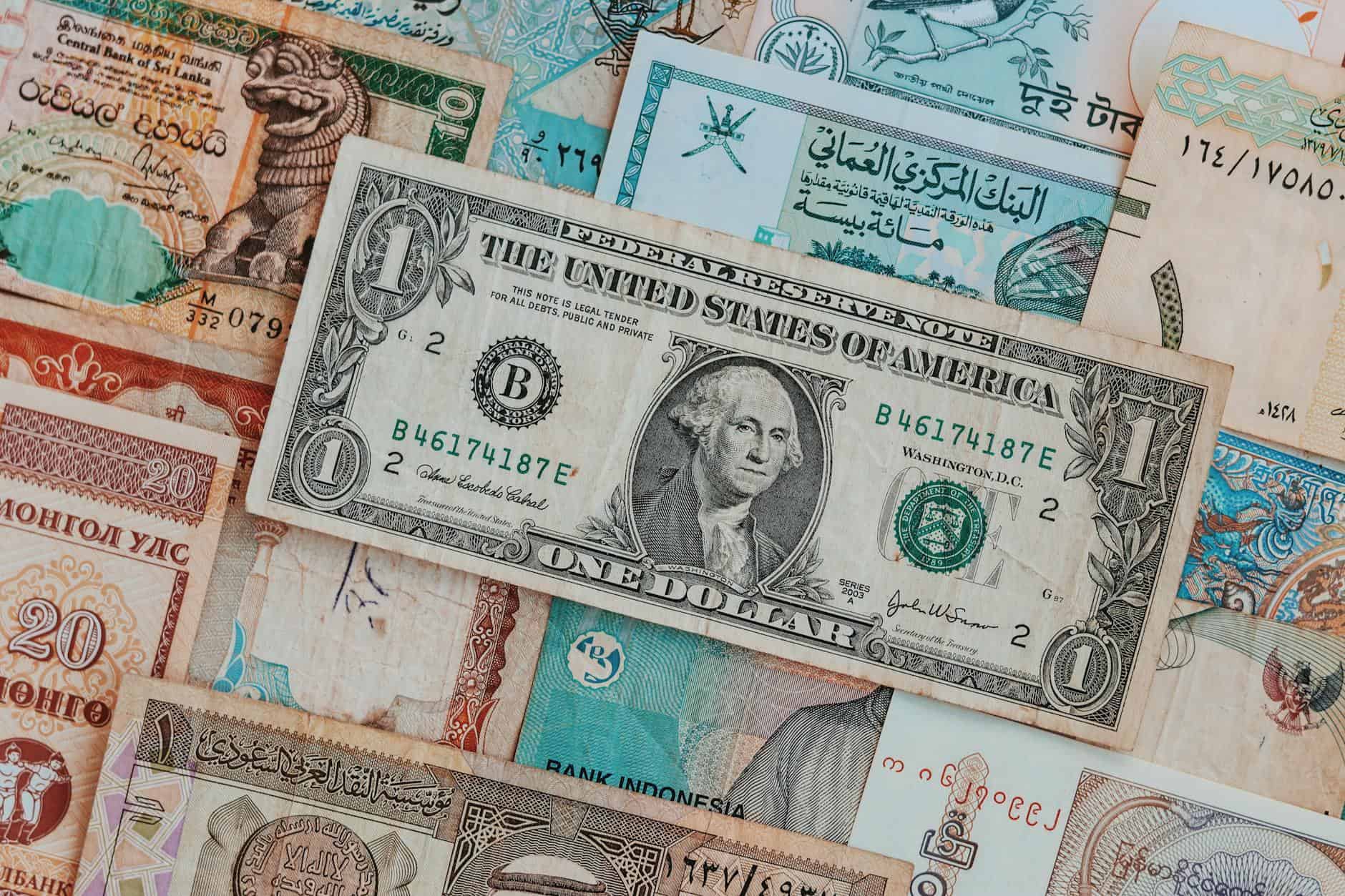
Stop thinking in percentages and start thinking in local context.
The question isn’t “is 20% enough?” It’s “does this person earn a living wage without my tip?” In Japan, yes — absolutely. In Mexico at a beachside restaurant, probably not. In Germany, somewhere in between. Adjust accordingly.
A few practical tips for any international trip:
- Before you go, search “tipping in [country]” and read a source from that country, not just a US travel blog that’s going to project American norms onto different cultures.
- Carry small local currency. Tip in the local currency, not USD. Giving a Mexican waiter US dollars creates a currency conversion hassle for them.
- Read your bill. Service charges are often automatic and embedded. Tipping on top is often unnecessary and occasionally results in the server being tipped twice out of the same transaction.
- When in doubt, observe locals. Watch what the table next to you does when they pay. You’ll learn the local custom in five minutes.
- A sincere “thank you” in the local language goes a long way in places where tipping isn’t expected. It communicates appreciation without the awkwardness of proffered cash.
The goal is to tip appropriately — generously where it matters, modestly where it’s a nice-to-have, and not at all where it’s genuinely strange. Your 20% habit isn’t a universal virtue. It’s a product of a specific American economic structure that doesn’t translate globally.