This Long Island Duck Shop Was Built to Look Like the Product It Sold
We may earn money or products from the companies mentioned in this post. This means if you click on the link and purchase the item, I will receive a small commission at no extra cost to you ... you're just helping re-supply our family's travel fund.
Key Takeaways
- The Big Duck began as a shop for Pekin ducks.
- Its duck shape served as a roadside advertisement.
- The landmark stands in Flanders, New York.
- It connects a visit with Long Island’s farming past.
- You can pair the stop with nearby outdoor or farm destinations.
How Did Big Duck Flanders New York Become a Roadside Architecture Landmark?
The Big Duck’s distinctive form drew attention on the roadside and later gave architects a name for buildings that act as their own signs. Duck architecture means a building shaped like the product or service it promotes. The building became a landmark because its bold shape served as both shop and sign. Its design took inspiration from a coffee pot-shaped building. Architects Robert Venturi and Denise Scott Brown later associated the term “duck” with buildings whose forms express their purpose. The Big Duck is a well-known example of roadside architecture, where a structure itself catches a traveler’s eye.The coffee-pot inspiration and the duck’s construction
A wooden frame supports wire mesh and cement, with an orange-painted beak. The duck measures 30 feet from beak to tail, 15 feet from folded wing to folded wing, and 20 feet from its base to the top of its head. Two Model-T taillights serve as eyes. They glow red at night, giving the roadside building an extra bit of drama after dark.A visit review centers on the landmark’s large sculptural form and local story, rather than a large museum collection.
The moves that kept the landmark in Flanders
The Big Duck stood on West Main Street in Riverhead until 1936, when it moved to Route 24 in Flanders. Kia and Pouran Eshghi donated it to Suffolk County in December 1987, and it returned to its Flanders site in 2007. A timeline makes those changes easy to follow:| Year | Milestone | Place or significance |
|---|---|---|
| 1936 | Moved from West Main Street | Route 24, Flanders |
| December 1987 | Donated by Kia and Pouran Eshghi | Suffolk County ownership |
| 2007 | Returned to its Flanders site | Back on Route 24 |
What Can Visitors Do Inside and Around The Big Duck?
You can enter The Big Duck for free, browse its duck-themed gift shop, and pick up Long Island travel information inside. Admission is free, and donations are accepted. Plan for a short landmark stop, not a full-sized museum outing. The compact shop sells duck-themed merchandise and Long Island specialties. It also provides tourism information for the Long Island Convention and Visitors Bureau, so you can gather ideas for the rest of your trip.Duck-themed gifts and Long Island information
The Big Duck Long Island gift shop gives you a chance to take home a small reminder of the visit. You can also ask for regional travel information before heading to another stop. A visit review centers on the building’s sculptural form and local story, rather than a large museum collection. Historic photos help explain why the shop became a local attraction, while the gifts keep the visit light and easy to browse. There is no ticket price to weigh against the time you spend inside.Hours, location, and nearby stops
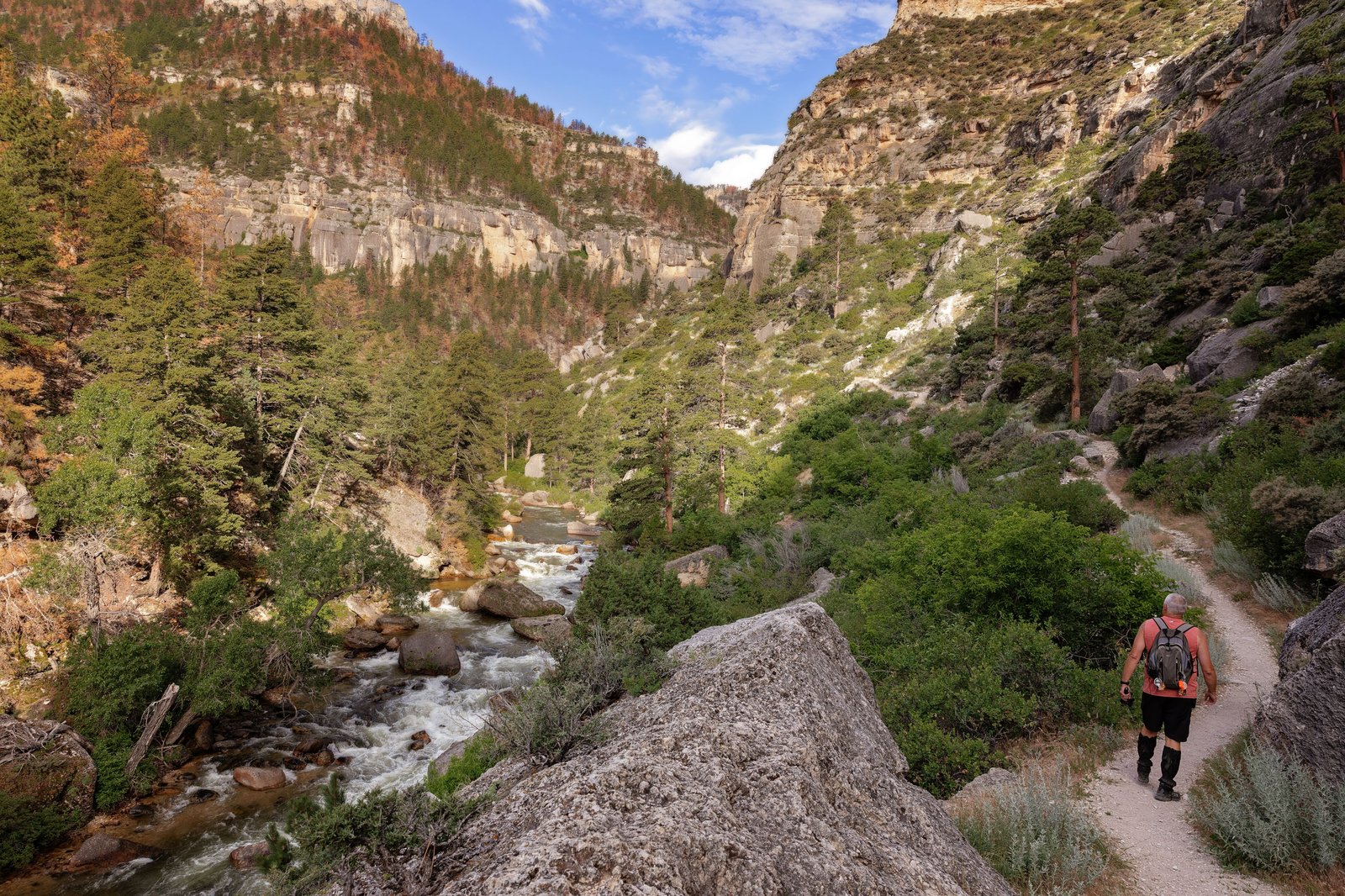
Find the shop at 1012 NY-24, Flanders, NY 11901. It is open seven days a week, from 10 a.m. to 5 p.m. Call 631-852-3232 to confirm hours; Suffolk County’s general information number is (631)-852-3377. The site holds an annual holiday lighting on the first Wednesday after Thanksgiving. The Riverhead LIRR station is 2.8 miles away, and Suffolk County’s historic sites listing identifies The Big Duck at Big Duck Ranch on Route 24. These nearby stops can round out your visit:- Hike at David A. Sarnoff Pine Barrens State Forest.
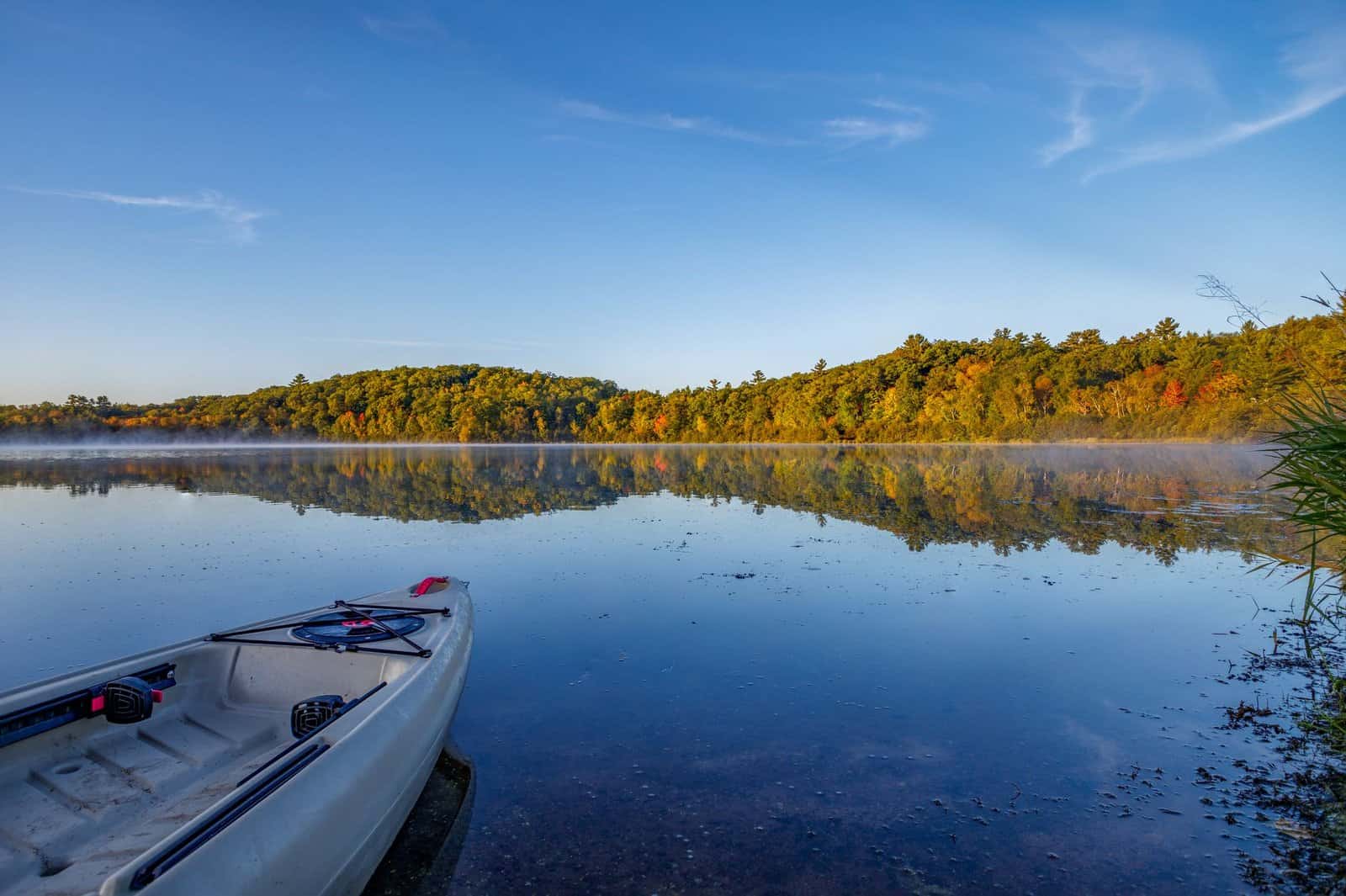
- Canoe or kayak at Hubbard County Park.
- Shop for produce at Breitenbach Farms.
- Visit Jamesport Vineyards.
What Happened to Long Island Duck Farming?
Long Island duck farming once reached a scale that supplied about two-thirds of the ducks consumed in the United States. By the early 1960s, local farms produced about 7.5 million ducks per year. That scale made the region a major part of the country’s duck supply. The industry began to dwindle in the 1970s, as environmental rules put pressure on farms that polluted streams and wetlands with duck waste. Crescent Duck Farm in Aquebogue was described as Long Island’s last remaining duck farm in 2023. After an H5N1 outbreak decimated its flock in January 2025, Crescent resumed full production in 2026. Its restart came with fewer workers than before the outbreak.Crescent restarted at roughly 78% of capacity, with 62 employees compared with 72 before the outbreak.Crescent Duck Farm’s 2026 restart shows that commercial duck farming has not disappeared from Long Island.
Conclusion
The Big Duck works as both a playful roadside landmark and a reminder of the industry that shaped its setting. Its product-shaped architecture makes the building easy to remember, while its place in local history gives the stop more meaning than a quick photo. You can make the visit part of a wider North Fork outing, with time outdoors or a stop at a local farm. The landmark’s unusual form offers a clear glimpse of how Long Island once sold its farm goods to passing travelers. Choose one nearby stop that suits your plans and add The Big Duck to the same North Fork outing.FAQ
Who owns the Big Duck?
Suffolk County owns The Big Duck. Kia and Pouran Eshghi donated the landmark to the county in December 1987. County ownership helped keep the building in public care, and it returned to its Flanders site in 2007. You can visit its Route 24 location and see the duck-shaped shop from the roadside.
Where is the big duck now?
The Big Duck is at 1012 NY-24, Flanders, NY 11901. It returned to its Flanders site in 2007 and remains on Route 24. The Riverhead LIRR station is 2.8 miles away. The landmark is easy to add to a North Fork drive, especially if you plan another nearby stop.
Are there any duck farms left on Long Island?
Yes. Crescent Duck Farm in Aquebogue is Long Island’s surviving commercial duck farm. After an H5N1 outbreak decimated its flock in January 2025, the farm resumed full production in 2026. It restarted at roughly 78% of capacity, with 62 employees compared with 72 before the outbreak.
How much does it cost to visit The Big Duck?
Admission to The Big Duck is free, and donations are accepted. You can browse the small gift shop and pick up Long Island tourism information without buying a ticket. That makes the landmark a simple stop to add to a drive, rather than a paid museum visit with a set entry fee.
What are the dimensions of The Big Duck?
The Big Duck measures 30 feet from beak to tail, 15 feet from folded wing to folded wing, and 20 feet from its base to the top of its head. Its scale helps explain why the structure catches attention from the road. The wooden frame is covered with wire mesh and cement.