We may earn money or products from the companies mentioned in this post. This means if you click on the link and purchase the item, I will receive a small commission at no extra cost to you ... you're just helping re-supply our family's travel fund.
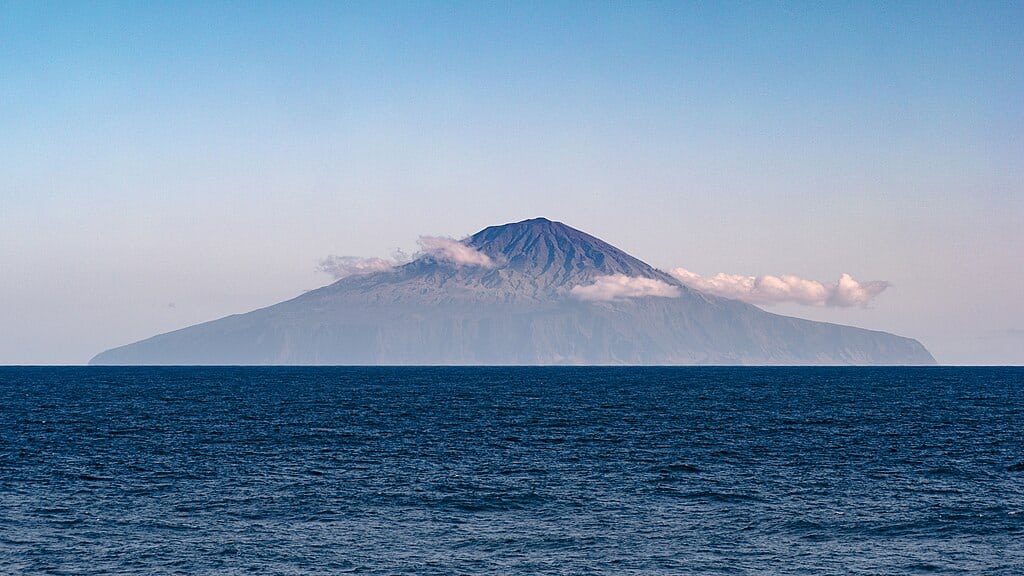
Far out in the South Atlantic Ocean lies a place so isolated that reaching it feels like stepping beyond the edge of the modern world. With no airport, no quick supply chain, and no neighboring city lights on the horizon, this island community survives on resilience, routine, and remarkable self-reliance. Home to just 242 residents, it holds the title of the most remote inhabited island on Earth. Here’s a deeper look at the geography, history, daily life, economy, and extraordinary challenges that define life on Tristan da Cunha.
1. A Dot in the Vast South Atlantic
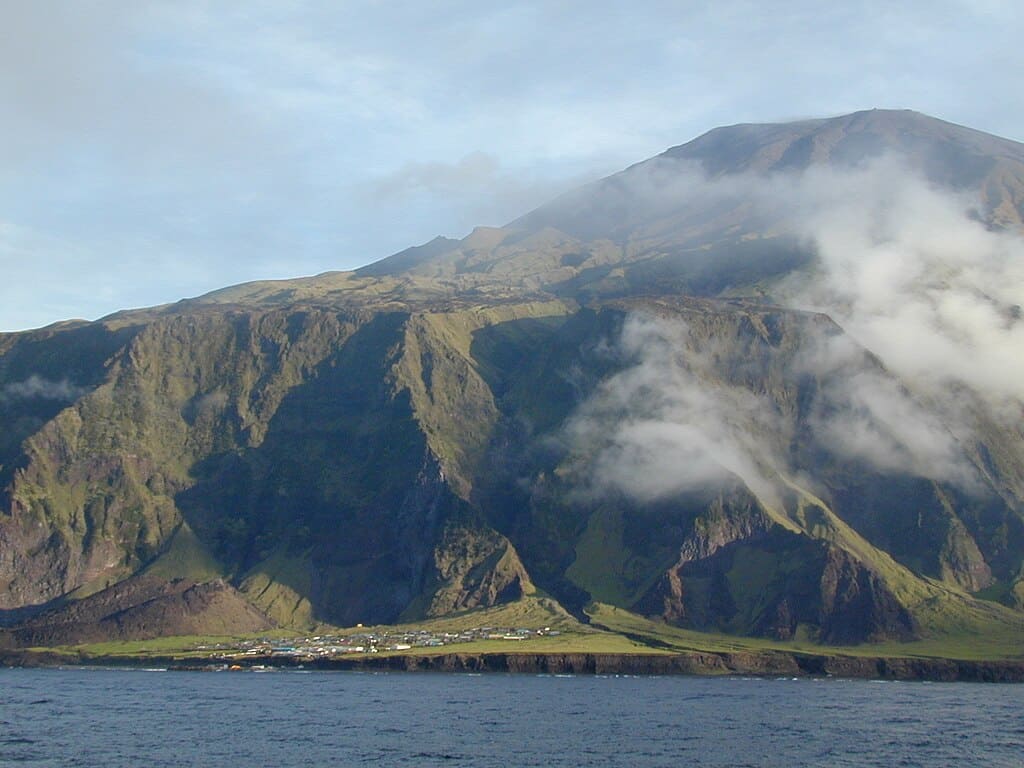
Tristan da Cunha sits roughly 2,400 kilometers from the nearest inhabited land, Saint Helena, and about 2,800 kilometers from Cape Town, South Africa. Surrounded by open ocean in every direction, it rises dramatically from the sea as a volcanic island covering about 98 square kilometers.
The island’s highest point, Queen Mary’s Peak, towers 2,062 meters above sea level and is often capped with snow in winter. With no airport and no regular passenger ferries, access depends on fishing or supply vessels that make the six-day journey from South Africa roughly 8 to 10 times per year.
2. A Community of Just 242 People

The island’s entire population of 242 residents lives in a single settlement called Edinburgh of the Seven Seas. There are fewer than 80 families, and only 7 original surnames dominate the community, reflecting its shared ancestry.
Most residents are British Overseas Territory citizens, and English is the primary language spoken. With just one small school educating around 30 children and a single medical doctor serving everyone, daily life depends heavily on cooperation. Birthdays, harvests, and fishing returns are community events, reinforcing the strong social bonds formed by isolation.
3. Built on Volcanoes and Survival
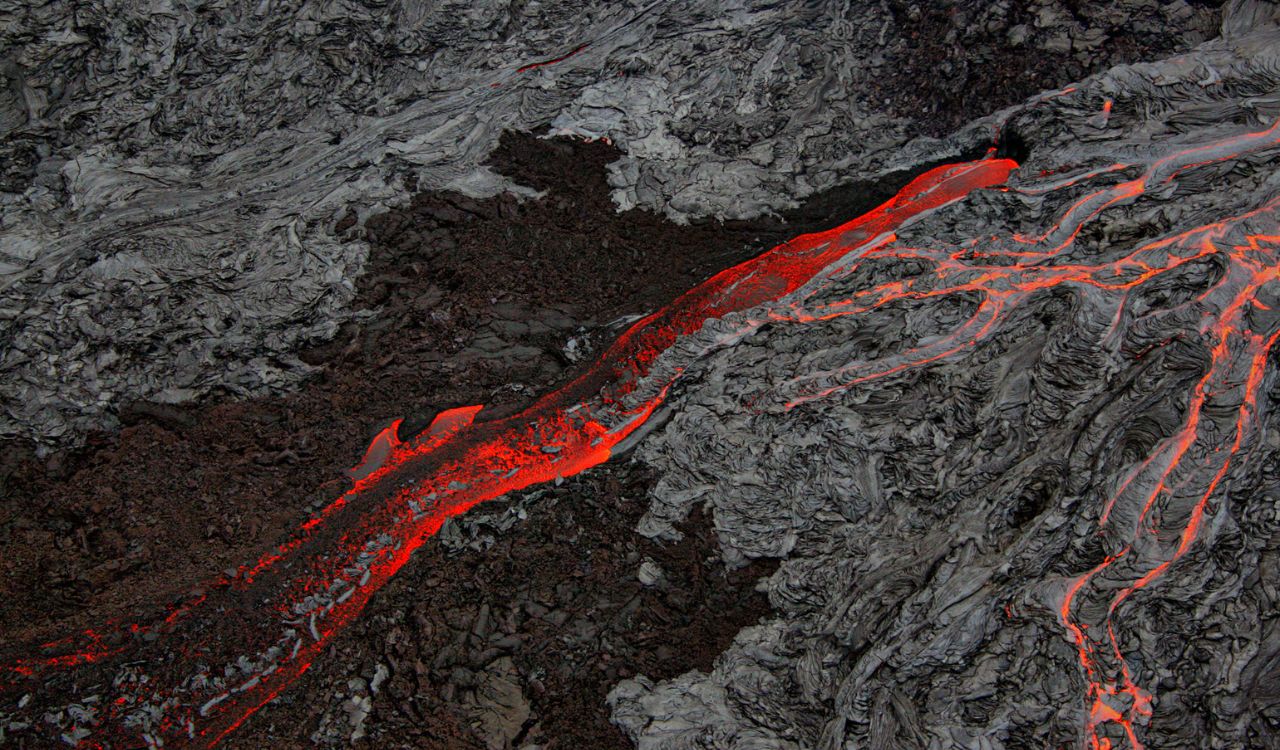
Tristan da Cunha is part of a volcanic archipelago formed millions of years ago. Its most dramatic moment came in 1961, when a volcanic eruption forced the entire population to evacuate to the United Kingdom.
After two years abroad, nearly all 264 evacuees chose to return home, despite the risks. That decision shaped modern island identity. The soil, enriched by volcanic activity, supports small-scale farming, including potatoes and vegetables. Livestock grazing occupies much of the island’s flatter land, while steep cliffs and rugged terrain limit expansion and development.
4. An Economy Powered by Lobster and Stamps
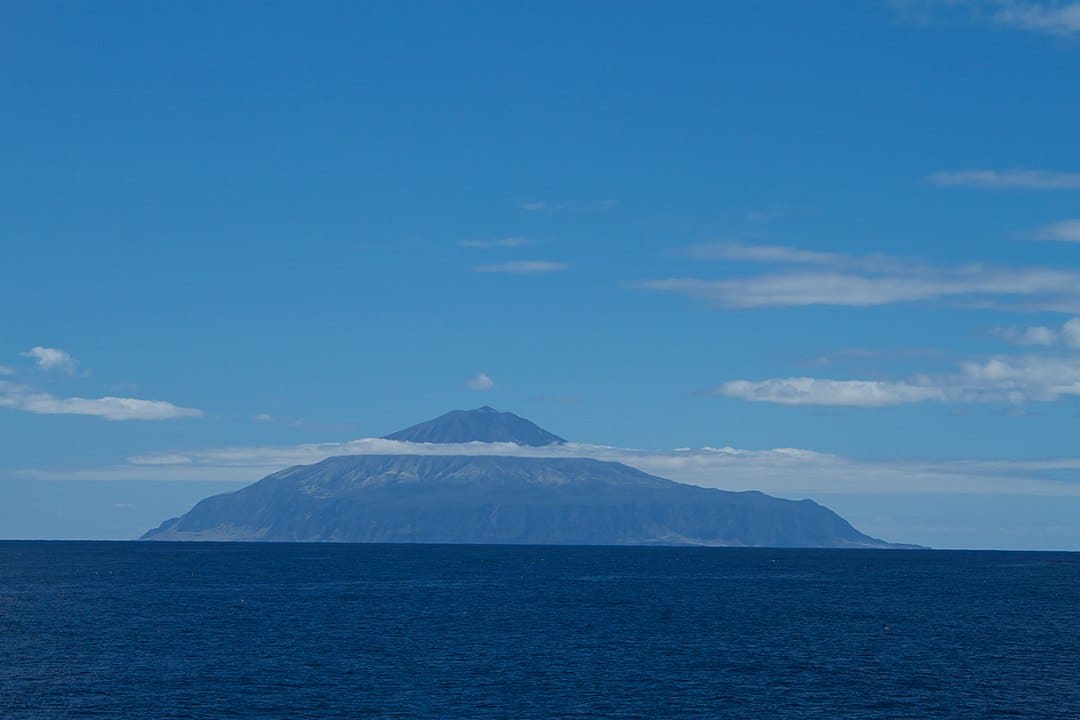
With no tourism industry on a large scale, the island relies primarily on fishing, especially the prized Tristan rock lobster. Annual lobster exports generate millions of dollars and form the backbone of the local economy.
Additionally, the island issues collectible postage stamps and commemorative coins, which attract international collectors. There are no income taxes, no chain stores, and no shopping malls. A single cooperative store supplies essentials, and imported goods arrive only when ships dock, meaning residents carefully manage supplies between the 8–10 annual deliveries.
5. Living at the Edge of the World
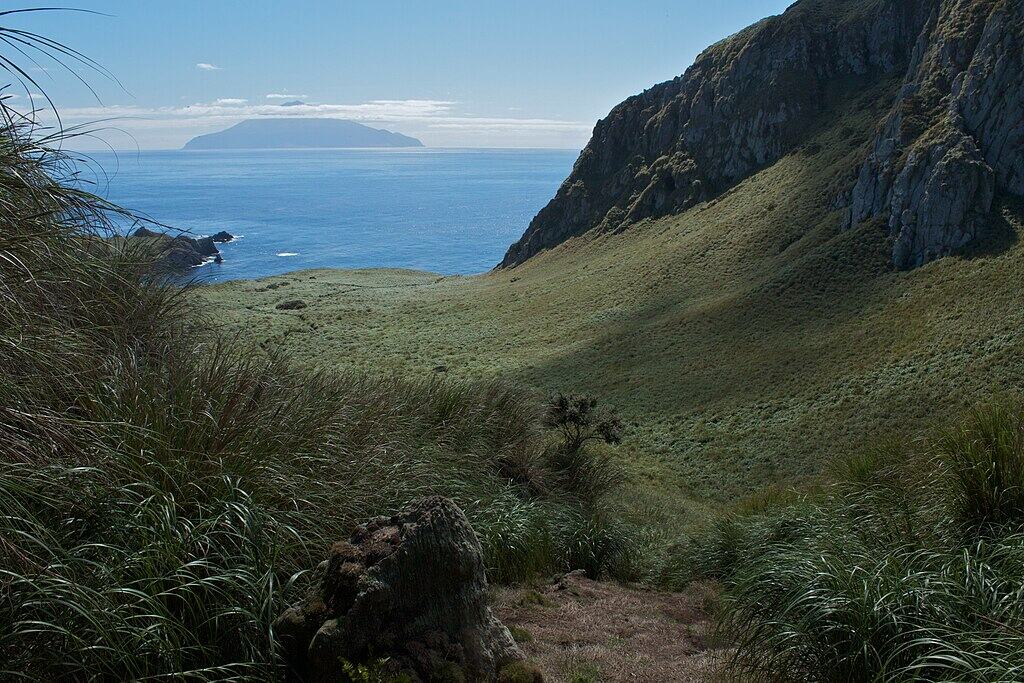
Life here moves at a slower rhythm, shaped by weather and ocean conditions. Winters bring strong Atlantic storms with winds exceeding 100 kilometers per hour. Internet access exists but remains limited and slower than global standards.
Medical facilities include one small hospital with basic equipment, and serious emergencies require evacuation by sea to South Africa. Despite these limitations, crime is virtually nonexistent, and unemployment is rare. For the 242 people who call this island home, remoteness is not a hardship, it is a defining way of life.