The Travel Credit Card Trap Nobody Warns You About Before You Sign Up
We may earn money or products from the companies mentioned in this post. This means if you click on the link and purchase the item, I will receive a small commission at no extra cost to you ... you're just helping re-supply our family's travel fund.
Travel credit cards are aggressively marketed as tools for getting free flights, hotel stays, and upgrades — and for some people, they deliver exactly that. For many others, the points sit unused or are redeemed at terrible values, the annual fees accumulate, and the “free” travel turns out to cost more in interest and fees than it would have cost to simply pay. Understanding which category you’re in before you sign up is worth the 20 minutes it takes.
What Travel Credit Cards Don’t Tell You in the Sign-Up Offer
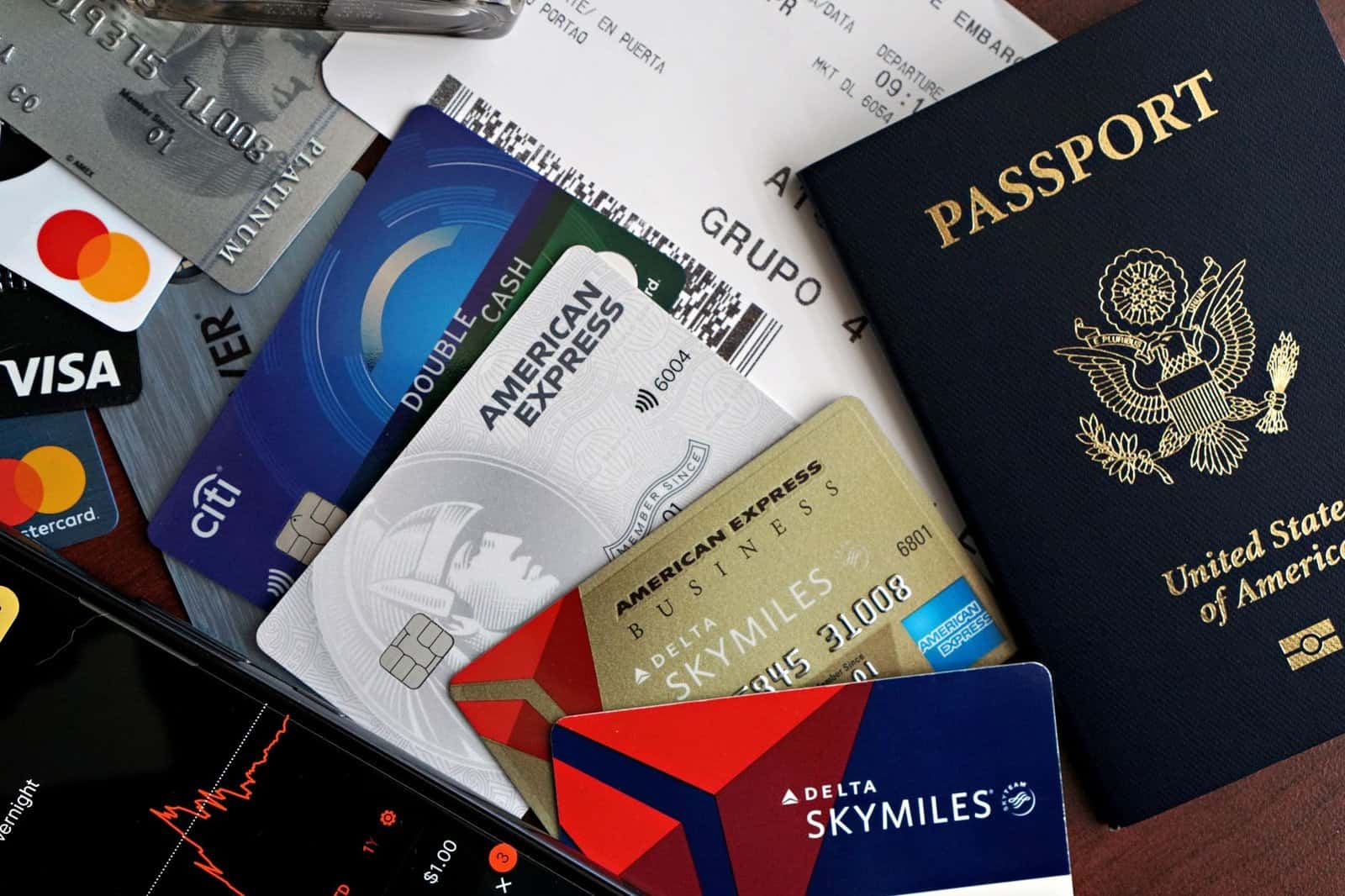
The Sign-Up Bonus Math
The typical premium travel card sign-up bonus is marketed as worth $750–$1,500 in travel. That valuation assumes you redeem points at the maximum possible value — usually for business or first-class international flights through specific transfer partners. If you redeem for economy flights, cash back, or hotel nights at standard rates, you’re typically getting 1–1.5 cents per point, not the 2–3 cents that makes the bonus sound most impressive. Read the redemption value for the specific thing you’re actually planning to do, not the headline value the marketing emphasizes.
Annual Fee Creep
Premium travel cards carry annual fees of $250–$695. The value proposition rests on credits and benefits that offset the fee — airline credits, hotel credits, lounge access, Global Entry reimbursement. The trap: those credits require specific spending patterns to use. A $300 annual travel credit that applies only to one specific airline’s incidentals is worth $300 only if you fly that airline and use its incidentals. If you don’t fly that airline or don’t use incidentals, the credit is worth $0. Before calculating whether a card’s annual fee is justified, calculate the credits you will actually use, not the credits theoretically available.
Partner Award Space — the Hidden Catch
Points programs advertise the ability to transfer points to airline miles and redeem for flights. What they don’t prominently disclose: award space on desirable flights — business class on international routes, peak-season domestic economy — is genuinely limited and often unavailable. Redeeming 80,000 points for a business class seat to Europe requires: (1) finding that seat is available on award space, which airlines restrict; (2) booking far enough in advance; and (3) having flexibility on dates. The people who get maximum value from travel cards are typically flexible travelers who can adjust their plans to match available award space. If you need to fly specific dates and routes, cash fares with a plain cash-back card are often genuinely better.
When Travel Cards Actually Work Well
- You carry the balance to zero every month — card debt with travel cards earning 20%+ interest eliminates any points value instantly
- You have high regular spending that earns points at the card’s bonus categories
- You actually use the credits the card offers — lounge access, airline credits, hotel credits — rather than holding them unused
- You’re willing to be flexible on travel dates and destinations to match available award space
- You understand which specific partners offer the best value for the points you’re earning
Travel cards are not a free money mechanism — they’re a value-shifting mechanism that works for people who use them strategically and fails for people who carry them assuming the benefits flow automatically. The sign-up bonus is the most straightforward value. Everything after that requires active management. Know which of those categories you’re actually in before you pay the first annual fee.