The Texas Coast Is Not the Caribbean and Everyone Who Sells You a Beach Vacation There Knows It
We may earn money or products from the companies mentioned in this post. This means if you click on the link and purchase the item, I will receive a small commission at no extra cost to you ... you're just helping re-supply our family's travel fund.
The Texas Gulf Coast markets itself in glossy tourism photography that makes Corpus Christi, Port Aransas, and Galveston look like a reasonable substitute for a Caribbean vacation. The honest version is different: the water is often brown or murky rather than turquoise, driven by sediment from Gulf currents and the Mississippi and Rio Grande river systems, jellyfish and occasional red tide algae blooms show up seasonally, and the beaches, while genuinely long and walkable, don’t offer the postcard clarity that a Florida Gulf beach in Destin or a Caribbean island delivers. None of that means the Texas coast isn’t worth visiting — it means it’s worth visiting for what it actually is, not what tourism marketing implies it is.
What each of the three main destinations actually offers
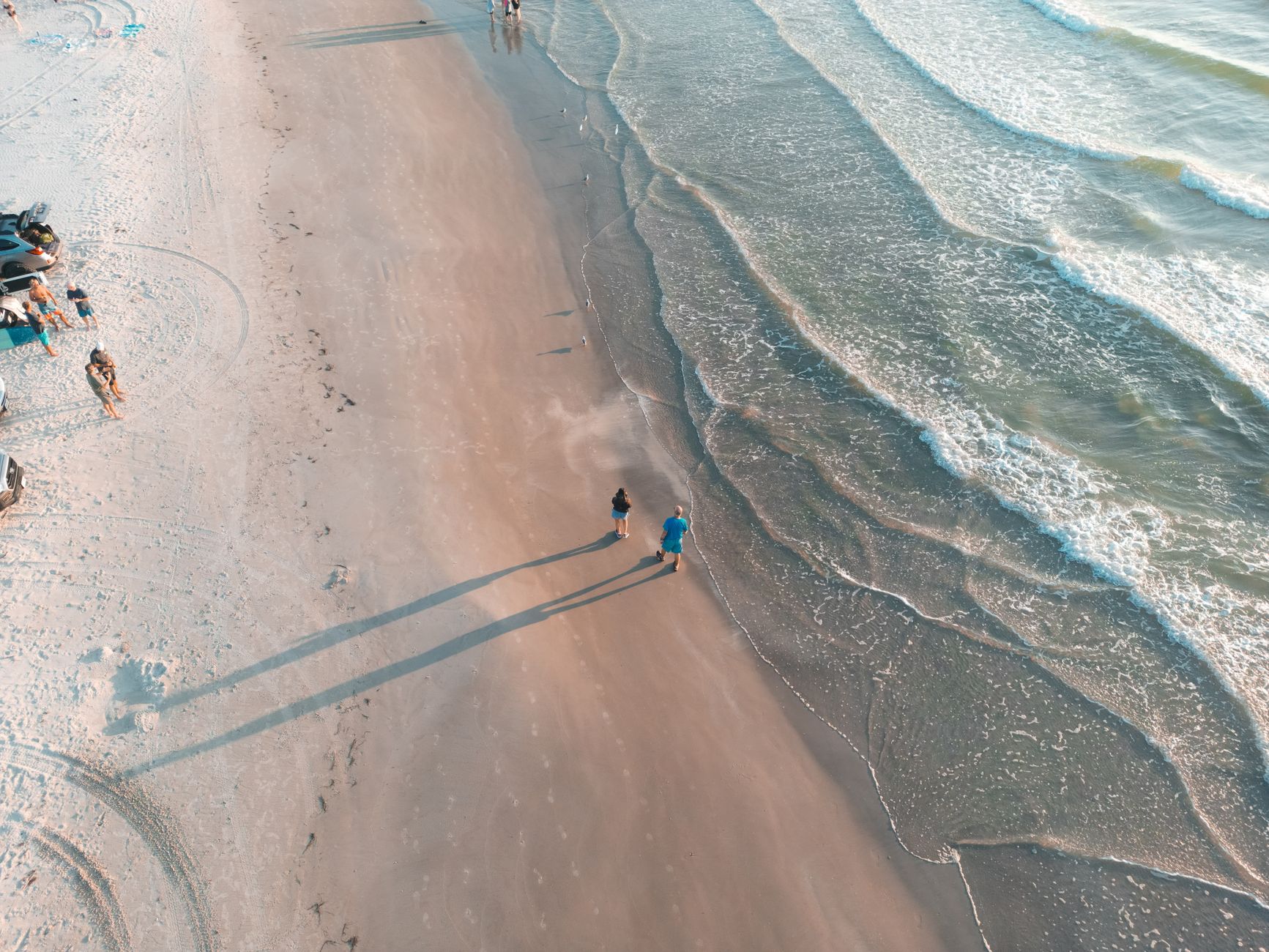
Galveston sits closest to Houston, roughly an hour’s drive, which makes it the most crowded and most developed of the three on any given weekend, with the historic Strand District’s 19th-century architecture and a genuinely interesting hurricane-recovery history (the 1900 storm remains the deadliest natural disaster in U.S. history) layered under a busy, sometimes chaotic beach town identity. Port Aransas, reached via a free ferry across Aransas Pass or a longer causeway drive, has a smaller, more laid-back fishing-town feel, with genuinely excellent fishing charters and a slower pace than Galveston, though summer weekend traffic backing up for the ferry can eat an hour or more of anyone’s day. Corpus Christi anchors the southern stretch with a real working city behind the tourism, home to the USS Lexington museum and a marina-front downtown, and its Padre Island National Seashore access nearby offers the longest stretch of undeveloped barrier island in the country, a genuinely different experience from the built-up beach towns to the north.
The honest tradeoffs, direction by direction
Water clarity is genuinely better in the fall, after the summer’s heaviest river runoff and before winter storm patterns pick back up, a detail most first-time visitors don’t know and most tourism sites don’t emphasize because it complicates the simple “come visit the beach” pitch. Hurricane risk is real and needs to factor into any serious trip planning, particularly in the peak of the June-through-November Atlantic hurricane season — Galveston in particular has a documented history of catastrophic storms, and travel insurance for coastal Texas trips during peak season isn’t an unnecessary upsell, it’s a reasonable hedge. Prices remain considerably lower than Florida’s Gulf beaches or the Caribbean, both for lodging and food, and that price gap is real enough that budget-conscious travelers within driving distance of Texas often find it a genuinely good value once expectations are calibrated correctly.
Spring break traffic adds its own layer of complexity to the honest picture, since South Padre Island and, to a lesser extent, Port Aransas have become significant spring break destinations for college students from Texas and neighboring states, meaning visitors planning a quieter family trip need to actively avoid the specific weeks in March when those crowds arrive. That seasonal split — a rowdier spring break identity followed by a calmer summer family season — is well known to Texans but catches out-of-state visitors off guard fairly often, since national spring break coverage tends to focus on Florida destinations like Panama City Beach rather than the Texas alternatives that operate on a similar calendar.
Who each destination actually suits
- Galveston: day-trippers and families from Houston who want beach access without a long drive
- Port Aransas: anglers, birders, and anyone wanting a slower-paced coastal town feel
- Corpus Christi: travelers who want a real city with beach access rather than a beach town with nothing else
- Padre Island National Seashore: anyone specifically wanting undeveloped shoreline over a built-up beach strip
What makes it worth the trip anyway
Seafood is genuinely one of the strongest arguments for the Texas coast specifically because of, not despite, its working-fishing-industry character. Galveston’s shrimping fleet, though smaller than its mid-20th-century peak, still supplies restaurants directly, and Port Aransas built its identity around sport fishing long before beach tourism became the bigger economic driver, meaning the fish tacos and fresh catch specials at unpretentious local spots often beat what a much fancier Florida or Caribbean resort restaurant can offer, simply because the supply chain is shorter and the fishing culture runs deeper.
The Texas coast’s real appeal has never been water clarity — it’s the birding (the Texas coast sits on one of the most significant migratory bird flyways in North America, drawing serious birders to spots like the Aransas National Wildlife Refuge specifically for whooping cranes), the fishing, the seafood that comes directly off boats docked feet from the restaurants serving it, and a specific, unpretentious Gulf Coast Texan culture that doesn’t try to be anything other than what it is. Travelers who arrive expecting Caribbean water clarity leave disappointed; travelers who arrive expecting a legitimately good, affordable, slightly rough-around-the-edges American beach trip tend to leave planning their next visit.
Hurricane recovery has become its own recurring storyline along the coast, with Port Aransas still visibly rebuilding in places from Hurricane Harvey’s direct 2017 landfall there as a Category 4 storm, one of the strongest to hit Texas in decades. That rebuilding has produced a wave of newer, sturdier construction in some areas, built to updated flood codes, alongside older structures that either survived the storm or never fully recovered, creating a visibly uneven streetscape in parts of town that tells its own story about which properties had the insurance and capital to rebuild quickly and which didn’t.