Portland, Maine Keeps Winning Best Food City Awards. Here’s What a Weekend There Actually Costs in 2026
We may earn money or products from the companies mentioned in this post. This means if you click on the link and purchase the item, I will receive a small commission at no extra cost to you ... you're just helping re-supply our family's travel fund.
Portland, Maine has been called the best food city per capita in America more times than any other city its size. The population is 70,000. The restaurant scene is real. What’s less often published is what a weekend there actually runs — and whether the experience lives up to the reputation for someone arriving with expectations set by years of food magazine coverage.
Why Portland, Maine’s Food Scene Is Actually What They Say It Is
The density of serious restaurants in Portland’s Old Port and East End neighborhoods is legitimately unusual for a city of 70,000. The access to local product — lobster, urchin, oysters, Pemaquid mussels, local farms within an hour’s drive — gives chefs raw material that coastal cities with far larger food scenes often can’t match for freshness. Several Portland restaurants that opened in the 2010s have become nationally recognized, and new openings continue to maintain the level.
The craft beverage scene is an equal part of the picture. Maine has one of the highest concentrations of craft breweries per capita in the country, and Portland’s bar scene benefits from the output. Fore Street, Eventide Oyster Co., Duckfat, and a dozen other restaurants get the publicity — but the food scene is broad enough that you could eat three meals a day for four days in Portland without revisiting a restaurant and still be eating well at every one.
The Full Weekend Cost Breakdown
Accommodation (Friday–Sunday, 2 nights):
- Old Port boutique hotel (Inn at St. John, Press Hotel): $220–$310/night in summer = $440–$620 for two nights
- Mid-range hotel, slightly outside walkable core: $160–$200/night = $320–$400 for two nights
- October visits: prices drop 20–30% from summer peak
Food (2 people, 2 days):
- One nice dinner at a destination restaurant (Fore Street, Eventide): $120–$180 for two with drinks
- Second dinner, mid-range: $75–$100
- Lunches (lobster roll benchmark: $28–$35 at top spots): $60–$80/day for two
- Breakfasts at cafes: $25–$35/day for two
- Craft brewery stops (2–3): $45–$70 total
Total reasonable estimate for 2 people, 2 nights:
- Budget-conscious option: $900–$1,100
- Mid-range option: $1,200–$1,600
- Splurge with upscale lodging: $1,800–$2,400
The Logistics That Make or Break the Trip
Portland’s Old Port is walkable for eating, drinking, and the waterfront. A car is useful for day trips — Cape Elizabeth’s Portland Head Light is 20 minutes south, Freeport (L.L. Bean flagship) is 20 minutes north, and the beaches at Old Orchard Beach and Scarborough are 30–40 minutes. Parking in the Old Port on weekends costs $2–$3/hour in garages; street parking is contested.
For destination restaurant reservations: book Eventide, Fore Street, and similar spots 3–4 weeks in advance in summer. In October and November, the same reservations open up with 5–7 days notice. The Portland food scene is significantly more accessible in the shoulder season, and the city doesn’t hollow out the way some small tourism towns do — enough residents and year-round culture to keep the off-season interesting.
What Portland Does That Most Small Cities Don’t
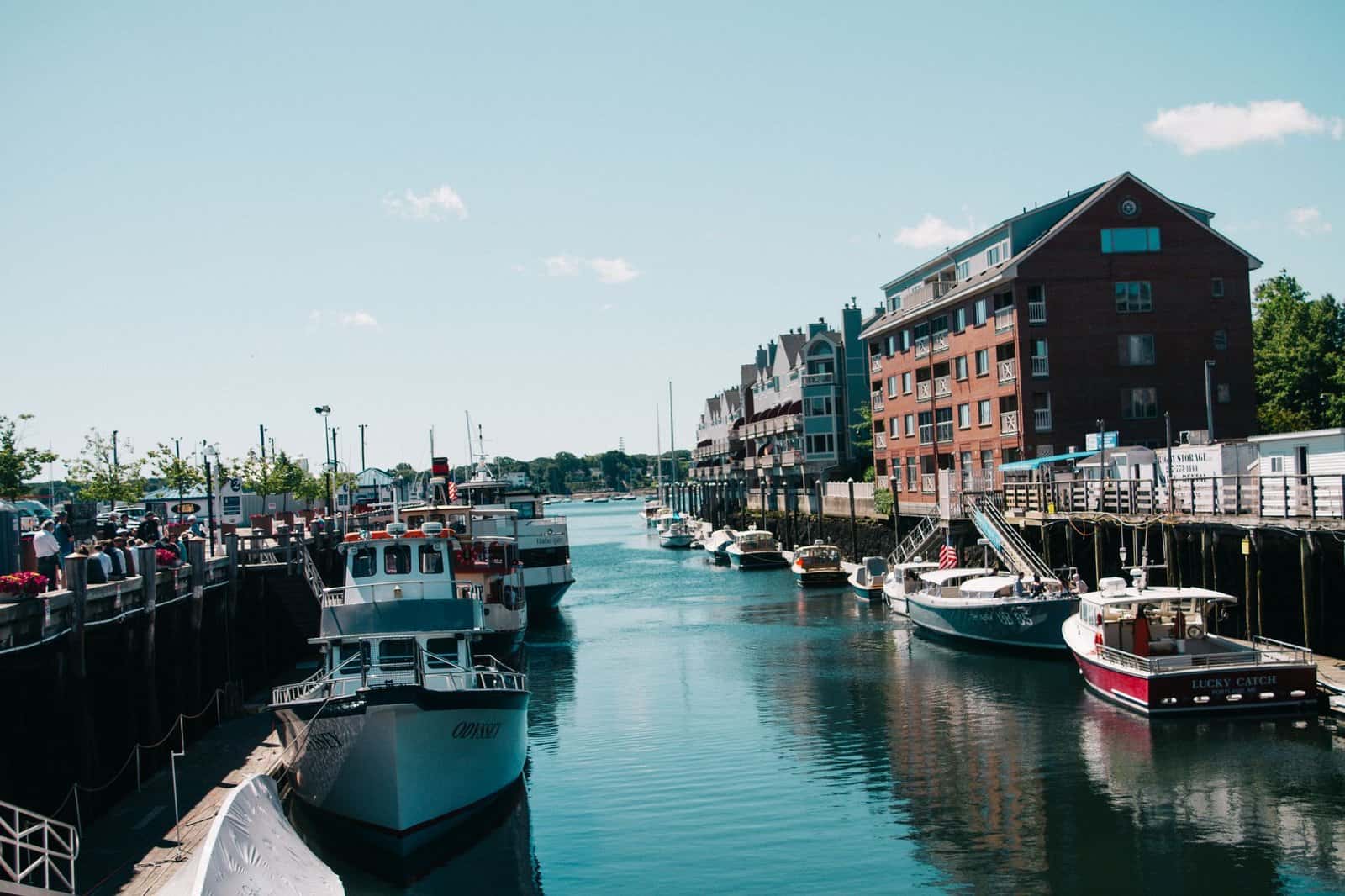
The walkable density of the Old Port means you can restaurant-hop, gallery-browse, and waterfront-walk without a car for an entire day. Portland Arts District has a genuine First Friday art walk. The Portland Museum of Art has a strong collection for its size. And the harbor itself — working lobster boats, the ferry to Peaks Island, the working waterfront alongside tourist infrastructure — gives the city a texture that purely tourism-built destinations lack.
The awards that Portland keeps winning are deserved. The experience is real. The only caveat is price — this is not a cheap destination, and the summer surge brings prices closer to Boston than to a small Maine town. Go in October or November, book the dinner reservation in advance, bring an appetite, and Portland delivers every bit of what the food coverage promises.
Portland, Maine’s Food Scene in 2026
Portland Maine’s Fore Street — Sam Hayward’s wood-fired restaurant that put Portland on the national culinary map in 1996 — remains the benchmark against which every Portland restaurant is measured, and it’s still excellent. The Old Port neighborhood that grew around Fore Street’s success has a density of independent restaurants on Exchange Street, Commercial Street, and Congress Street that rivals cities with five times Portland’s population of 68,000. The Portland Food Tour (2.5 hours, $85/person) provides an efficient first-visit orientation; returning visitors navigate independently based on the previous trip’s missed restaurants.
Portland’s hotel market has tightened significantly with the city’s popularity growth. Summer weekend rates at the waterfront properties run $250–$350/night; shoulder season (October, November) drops to $160–$220 and the lobster rolls are the same quality. The Portland Lobster Company on the waterfront, open seasonally, serves the most straightforward and photogenic Maine lobster experience in the city — a $24 whole lobster eaten at a picnic table next to the working harbor. The Congress Street arts corridor, running from the Portland Museum of Art west toward Deering Oaks Park, has the gallery and coffee shop culture that fills the non-food hours of a Portland visit.