The Florida Keys Lost Nearly a Third of Its Population Since 2000. Here’s Where Everyone Went.
We may earn money or products from the companies mentioned in this post. This means if you click on the link and purchase the item, I will receive a small commission at no extra cost to you ... you're just helping re-supply our family's travel fund.
The Florida Keys have always sold themselves as an escape, a 113-mile string of islands connected by the Overseas Highway where the ocean is visible from nearly every point. What’s changed is who can afford to stay there once the escape is over. Monroe County’s year-round population has declined from roughly 79,000 in 2000 to closer to 63,000 in recent counts, even as tourism numbers and property values climbed steadily higher across the same period.
The Housing Math That Pushed People Out
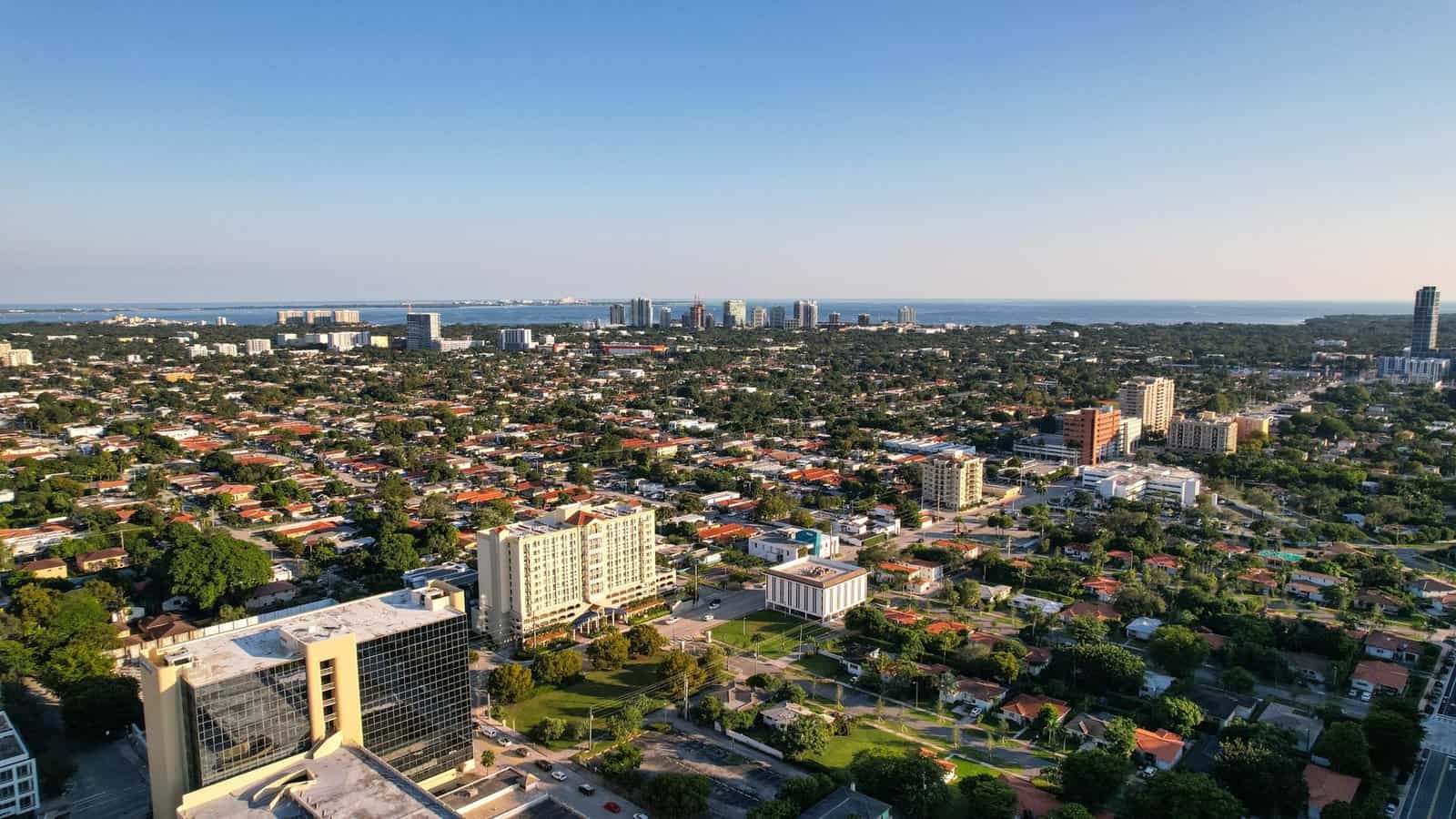
Median home prices in Key West and the Lower Keys have climbed past $800,000 in recent years, driven by a limited land supply, strict building caps imposed after Hurricane Andrew-era zoning reforms, and a steady stream of buyers purchasing second homes and short-term rental properties rather than primary residences. The county’s Rate of Growth Ordinance, in place since the late 1990s, deliberately restricts new building permits to protect hurricane evacuation capacity, a public safety measure that has also functioned as a de facto cap on housing supply for decades.
Service workers, teachers, and fishing industry employees who once lived in Key West itself have increasingly relocated to Marathon, Islamorada, or even mainland Florida City and Homestead, commuting more than an hour each way down a two-lane highway that floods during king tides and closes entirely during hurricane evacuations.
What the Hurricanes Accelerated
The Storm Timeline That Changed Everything
- Hurricane Irma in 2017 destroyed or severely damaged roughly a quarter of homes in the Lower Keys
- Post-storm rebuilding often replaced modest older homes with larger, code-compliant, higher-value construction
- FEMA flood insurance rate increases have pushed annual premiums into the thousands of dollars for many homeowners
- Short-term rental conversions accelerated notably in the years following the storm’s recovery period
Hurricane Irma’s aftermath fundamentally reset much of the Lower Keys housing stock. Older, more affordable mobile homes and modest concrete block houses that had housed working residents for decades were often either destroyed outright or deemed too costly to repair to current flood elevation codes, and many were replaced by elevated, code-compliant new construction valued far beyond what the previous residents could afford to buy back into.
What’s Left of the Fishing Economy
Commercial fishing, particularly for stone crab and spiny lobster, remains a genuine part of the Keys economy, but the number of full-time commercial fishing families has declined for decades as licensing costs, fuel prices, and the sheer cost of living in the Keys have made the profession increasingly difficult to sustain for anyone without generational wealth or property already paid off.
Key West’s tourism economy, driven heavily by cruise ship arrivals and short-term vacation rentals, continues generating substantial revenue for the county, but a growing share of that spending flows to absentee property owners and corporate rental management companies rather than the kind of locally rooted businesses that once defined the character travelers came to the Keys specifically to experience in the first place.
What This Means Going Forward
The broader pattern here reflects something researchers and local officials increasingly track closely: the gap between how a place or trend is perceived from the outside and how it actually functions day to day for the people living inside it or making decisions about it. That gap rarely closes on its own, and it tends to widen further whenever outside attention, whether from tourism, media coverage, or social platforms, arrives faster than the underlying infrastructure or community capacity can absorb it.
What tends to happen next depends heavily on decisions made by the people closest to the situation, whether that means local governments, longtime residents, or the businesses that have to adapt fastest, and those decisions rarely get the same national attention as the initial trend or story that put the place on the map in the first place, even though they matter considerably more to how things actually turn out over the following decade.
What This Means Going Forward
The broader pattern here reflects something researchers and local officials increasingly track closely: the gap between how a place or trend is perceived from the outside and how it actually functions day to day for the people living inside it or making decisions about it. That gap rarely closes on its own, and it tends to widen further whenever outside attention, whether from tourism, media coverage, or social platforms, arrives faster than the underlying infrastructure or community capacity can absorb it.
What tends to happen next depends heavily on decisions made by the people closest to the situation, whether that means local governments, longtime residents, or the businesses that have to adapt fastest, and those decisions rarely get the same national attention as the initial trend or story that put the place on the map in the first place, even though they matter considerably more to how things actually turn out over the following decade.
The Longer-Term Trajectory
Longtime observers of this pattern note that the early years after a place or trend gains attention are rarely the ones that determine its lasting character. The more decisive period tends to arrive several years later, once the initial wave of interest either sustains itself through genuine infrastructure investment or fades as attention moves elsewhere, leaving behind whatever changes already took root during the busier years.
That delayed reckoning is precisely why comparisons across a full decade, rather than a single before-and-after snapshot, tend to produce a more accurate picture of what actually changed and what merely appeared to change while the cameras and headlines were still pointed in that direction.
Why This Keeps Getting Overlooked
Part of the reason this dynamic receives less attention than it probably deserves is structural: the initial story, whether a viral moment, a policy change, or a shift in travel patterns, is simply more compelling to cover than the slower, less dramatic process of adjustment that follows it over subsequent years, which rarely fits into a single headline or a short video.
That mismatch between what gets covered and what actually matters most to the people living through the change is a recurring feature of how places, trends, and communities get discussed publicly, and it tends to leave a persistent gap between popular perception and the more complicated reality on the ground.