The Pine Barrens Cover 22% of New Jersey. 8 Places to Explore Them in Late Fall When the Bugs Are Gone
We may earn money or products from the companies mentioned in this post. This means if you click on the link and purchase the item, I will receive a small commission at no extra cost to you ... you're just helping re-supply our family's travel fund.
Somewhere between Philadelphia, Atlantic City, and the Jersey Shore lies a forest so large and empty that it surprises almost everyone who drives into it. The New Jersey Pine Barrens are best seen in late fall, when the bugs are gone, the cranberry bogs glow red, and the sand roads are quiet.
The scale is real. The National Park Service says the Pinelands National Reserve covers about 1.1 million acres, occupies 22% of New Jersey’s land area, and spans parts of seven counties and 56 municipalities. Congress created it through the National Parks and Recreation Act of 1978, making it the first National Reserve in the country. The NPS calls it the largest body of open space on the Mid-Atlantic seaboard between Richmond and Boston, and it sits over the Kirkwood-Cohansey aquifer, estimated to hold 17 trillion gallons of water.
In the most densely populated state in the country, more than a fifth of the land is pine forest, cedar swamp, tea-colored rivers, and old industrial villages. Here is where to go.
Why Late Fall Is the Best Season in the New Jersey Pine Barrens
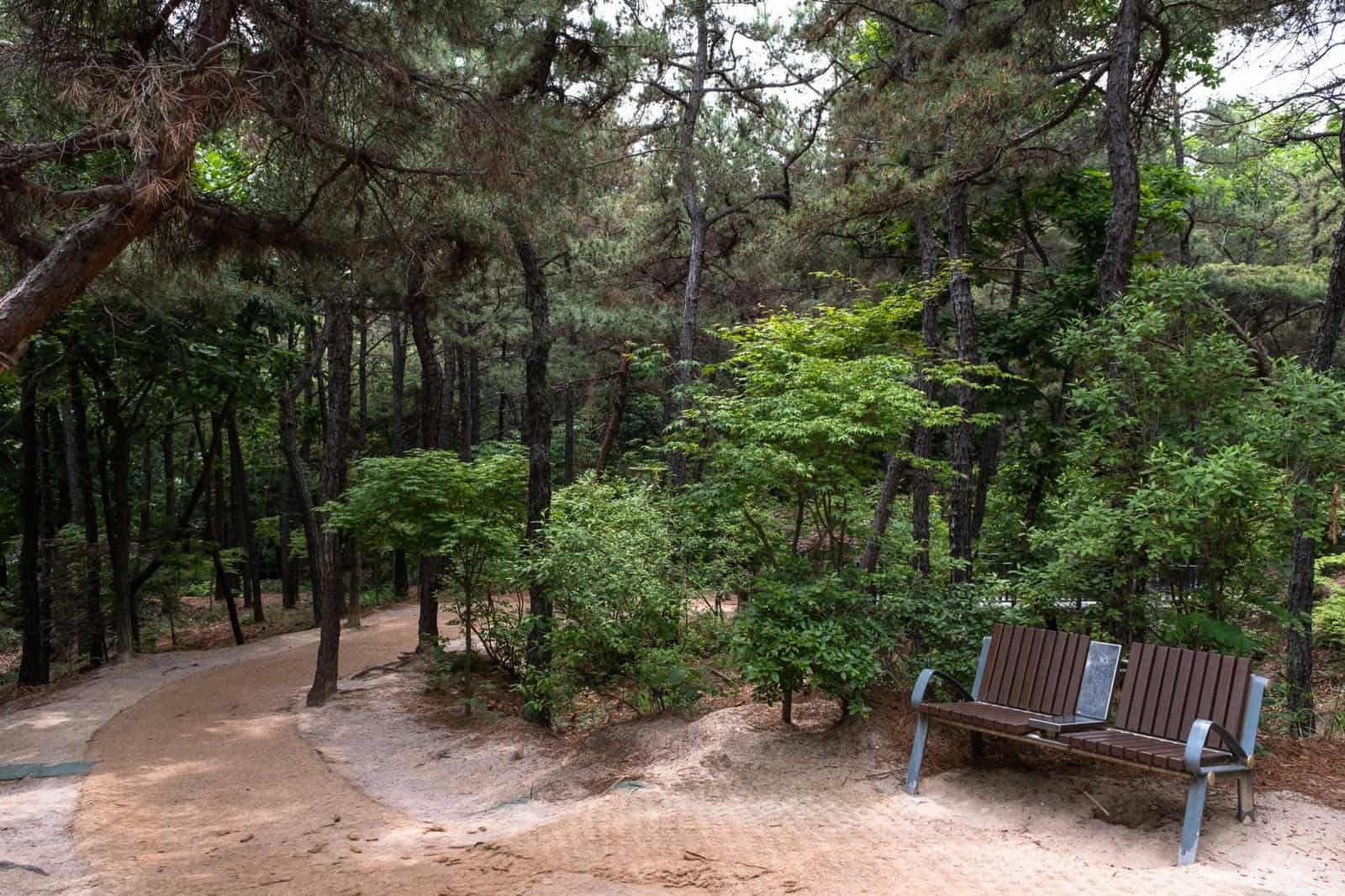
Summer in the Pine Barrens is hot, sandy, and full of ticks, deer flies, and mosquitoes. By November, cold nights knock the insects back. Other reasons to go now:
- Cranberry color: Cranberry harvest runs through the fall, and bogs turn red and gold after picking.
- Clear views: The scrub oaks drop their leaves, so you can see farther through the forest.
- Comfortable hiking: Flat sandy trails are much easier in 50-degree weather.
- Fewer people: Paddling outfitters and campgrounds are calmer after summer.
One caution: New Jersey has deer hunting seasons in late fall and early winter, and hunting is allowed in many state forests. Wear blaze orange, especially on weekdays during firearm seasons.
8 Places to Explore the Pine Barrens in Late Fall
1. Batsto Village
Batsto Village, in Wharton State Forest near Hammonton, is a preserved Pine Barrens industrial town that once made bog iron and later glass. New Jersey’s park service says the grounds are open daily from dawn to dusk, with the visitor center open daily from 9 a.m. to 4 p.m. Highlights include an operating 1852 post office, a working 1882 water-powered sawmill, and a 36-room Victorian mansion with guided tours. Entrance fees apply only on summer weekends, so a late-fall visit is typically free to walk the grounds. Wharton State Forest, which surrounds Batsto, is the largest state forest in New Jersey.
2. Atsion Lake and Atsion Mansion
At the northern end of Wharton State Forest, Atsion Lake is a cedar-water lake with a beach and a campground, and Atsion Mansion is an 1826 Greek Revival ironmaster’s house nearby. In summer the lake is a swimming spot. In late fall it is quiet and reflective, with tea-colored water from the cedar swamps that feed it. The Batona Trail and several sand roads start near here.
3. Apple Pie Hill Fire Tower
The Pine Barrens are famously flat, which makes Apple Pie Hill stand out. At just over 200 feet above sea level, it is one of the highest points in the region, and a fire tower on top offers a panoramic view over miles of unbroken forest. Philadelphia Magazine notes that the tower can be climbed when it is staffed and recommends calling the New Jersey Forest Fire Service to check first. Reach it by a short walk on the Batona Trail or via sand roads, which can be very soft in places.
4. The Batona Trail
The Batona Trail is the region’s long-distance hiking trail, a mostly flat route of about 52.7 miles through several South Jersey state forests, according to Philadelphia Magazine. It runs from Ongs Hat in Brendan T. Byrne State Forest to Lake Absegami in Bass River State Forest, passing Batsto, Apple Pie Hill, and many cedar streams. You do not need to hike the whole thing. Short out-and-back sections from Batsto or Carranza Memorial are perfect for a few hours in late fall. The pink blazes are easy to follow.
5. Whitesbog Village
In Brendan T. Byrne State Forest, Whitesbog Village is a historic cranberry and blueberry farming village. It is best known as the place where the cultivated highbush blueberry was developed in the early 1900s through work by Elizabeth Coleman White and USDA botanist Frederick Coville, who released the first commercial crop in 1916. Today, you can walk or drive the sand roads past old bogs, reservoirs, and workers’ cottages. In late fall, the bogs and wetlands attract migrating waterfowl, and the wide-open landscape is some of the most photogenic in the region.
6. Double Trouble State Park
Double Trouble State Park, near Berkeley Township in Ocean County, preserves a historic cranberry farming village and sawmill along Cedar Creek. A short loop trail passes old cranberry bogs, the packing house, and the creek, which runs dark with cedar water. Cranberries are still grown here under lease, so in the fall you may see harvest activity or freshly picked bogs. It is an easy stop of an hour or two.
7. Chatsworth
Chatsworth, in Woodland Township, is often called the capital of the Pine Barrens. It is a tiny village surrounded by cranberry bogs and forest, and it is home to the Chatsworth Cranberry Festival each October. Buzby’s General Store, a historic country store, has long been a landmark in town. Chatsworth is a good place to start a drive through the region, with sand roads and paved routes leading into the forest in every direction.
8. The Mullica and Wading Rivers
The Pine Barrens’ rivers run brown-red from iron and cedar tannins, and paddling them is one of the best ways to see the forest. The Mullica, Batsto, Wading, and Oswego rivers wind through cedar swamps and pine forest with few signs of development. Outfitters near Batsto, Atsion, and Chatsworth rent canoes and kayaks, though many reduce their schedules or close after October. If you paddle in late fall, dress for cold water, since a capsize in November is dangerous.
The Jersey Devil
No guide to the Pine Barrens skips the Jersey Devil. According to the legend, a woman known as Mother Leeds gave birth to her 13th child in 1735, and it turned into a winged creature that flew up the chimney and into the pines. Sightings have been reported for nearly three centuries, and the creature became the namesake of the state’s NHL hockey team. You will not see it, but you will hear about it from almost everyone you meet in the region.
Driving the Sand Roads
Many of the best places in the Pine Barrens are reached by unpaved sand roads. They can be beautiful and lonely, and they can also trap a car.
- Soft sand: Some roads have deep, soft sand that can bury a two-wheel-drive car.
- Puddles: Low spots fill with water after rain and may be deeper than they look.
- No cell service: Coverage is poor in much of the forest. Download offline maps.
- Stay on marked roads: Off-road driving is illegal and damages the habitat.
- Start paved: Use paved roads to reach Batsto, Atsion, and Chatsworth, then walk or take short sand-road drives only if you are confident.
What to Bring
- Blaze orange or bright clothing during hunting seasons
- Layers, since the forest can feel colder than nearby towns
- Water and snacks, since services are far apart
- A paper map or downloaded offline map
- A full tank of gas
Getting There
- From Philadelphia: Batsto is about 45 miles, usually an hour via the Atlantic City Expressway and Route 542.
- From New York City: Chatsworth and Whitesbog are about 90 to 100 miles, roughly 1.75 to 2 hours via the Garden State Parkway or the New Jersey Turnpike.
- From the Jersey Shore: Most Pine Barrens sites are 20 to 40 minutes inland from Long Beach Island and Atlantic City.
Where to Stay
Lodging inside the Pine Barrens is limited. Most visitors stay in towns on the edges, such as Hammonton, Medford, or the Shore. Wharton State Forest has campgrounds, some open year-round, and a few cabins in other state forests can be reserved.
Respect the Pinelands
The Pinelands are protected for a reason. Stay on marked trails and roads, carry out your trash, do not pick plants in protected areas, and respect private cranberry farms, which are working agricultural land. Campfires are restricted during fire season, which is a real danger in the pines.
How Long to Spend
One full day covers Batsto, Atsion, and a short hike on the Batona Trail. A weekend lets you add Whitesbog, Double Trouble, Chatsworth, and a paddle or a fire tower climb.
The Bottom Line
The Pine Barrens cover 22% of New Jersey and remain one of the largest wild areas on the East Coast. In late fall, the bugs are gone, the cranberry bogs are bright, and the trails and rivers are quiet. See Batsto and Atsion, climb Apple Pie Hill when the tower is staffed, walk a stretch of the Batona Trail, and visit Whitesbog, Double Trouble, and Chatsworth to understand how people have lived in the pines for centuries.