
You Can Pay a Foreign Transaction Fee Without Ever Leaving the US. 6 Purchases That Trigger One
We may earn money or products from the companies mentioned in this post. This means if you click on the link and purchase the item, I will receive a small commission at no extra cost to you ... you're just helping re-supply our family's travel fund.
A foreign transaction fee is not just something you pay on vacation. Many credit and debit cards charge it on any purchase processed by a bank or merchant outside the United States, even if you are sitting on your couch in Ohio when you click “buy.” Booking a hotel in Rome, buying a ticket from a foreign airline, or ordering from an overseas website can all trigger one.
Foreign transaction fees are commonly around 3% of the purchase amount on cards that charge them. On a $1,500 hotel booking, that is $45 you might not have expected. Some cards charge it even when the price is shown in U.S. dollars, because the fee is based on where the transaction is processed, not just the currency.
Here are six common purchases that can trigger a foreign transaction fee without leaving home, and how to avoid paying it.
Why a foreign transaction fee can hit you at home
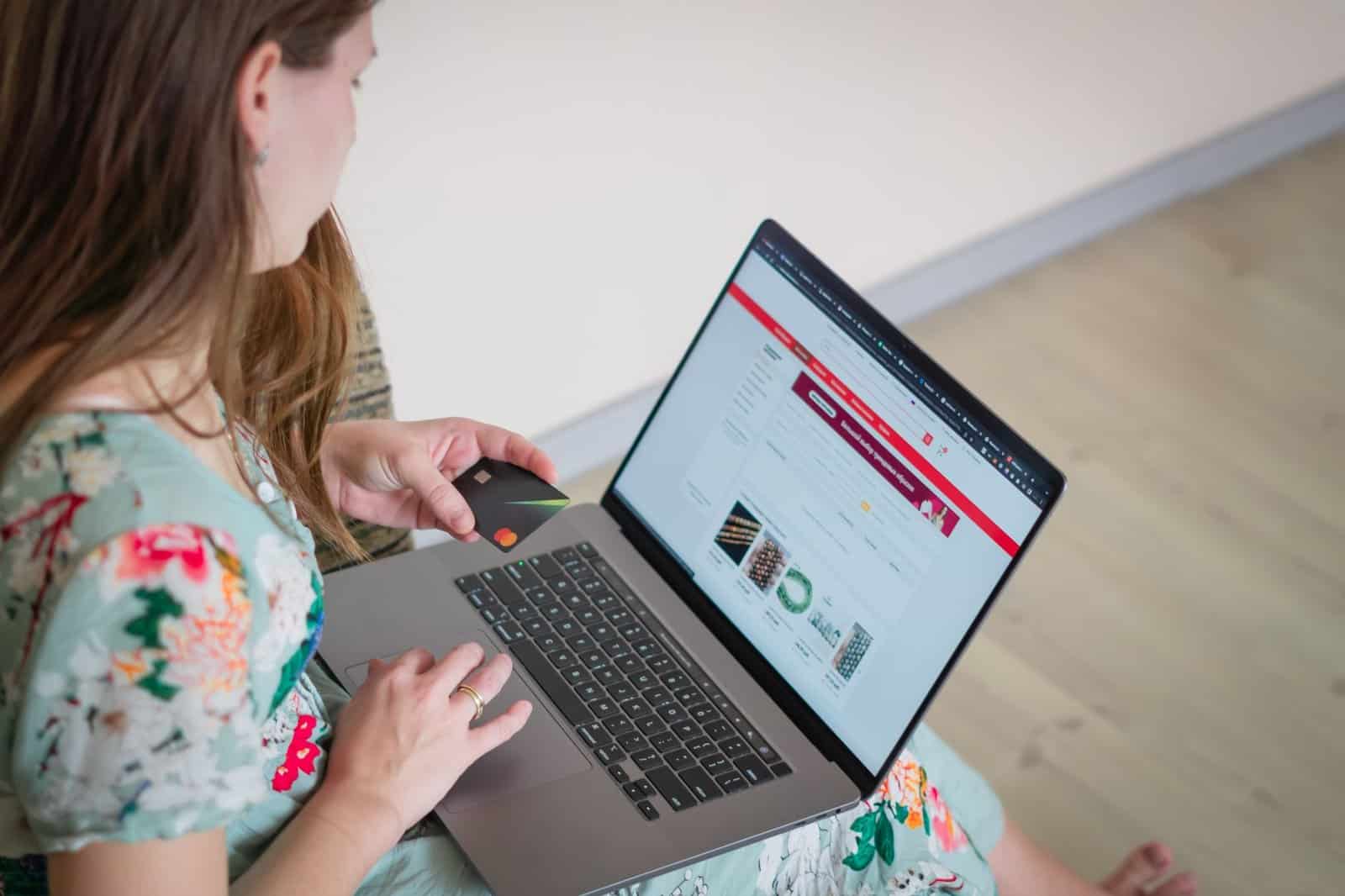
Card issuers and networks treat a transaction as foreign based on factors like where the merchant is located, where its bank processes the payment, and what currency it uses. Many issuers apply foreign transaction fees to purchases made in a foreign currency or processed outside the United States. So if a company is based abroad or uses a foreign payment processor, your purchase can count as foreign even if you made it online from home.
Your card agreement or the issuer’s fee schedule explains exactly when the fee applies. Look for terms like “foreign transaction fee” or “foreign purchase transaction.”
1. Booking a hotel abroad directly
When you book a hotel in another country directly on the hotel’s website, the payment is often processed by the hotel’s bank in that country. You may see the price in euros, pounds, or another currency, or the hotel may charge your card at check-out abroad. Either way, your card may treat it as a foreign transaction.
Booking through a U.S.-based travel site or a hotel chain’s U.S. website may avoid the fee in some cases, depending on how payment is processed. But if you pay the hotel directly at the property abroad, the fee will likely apply.
2. Buying tickets from foreign airlines
Foreign airlines often process payments in their home country. If you book a flight on a European or Asian airline’s website, the transaction may be processed abroad, triggering a foreign transaction fee even if the fare is shown in U.S. dollars.
Some foreign airlines let you choose a U.S. version of their website or pay in U.S. dollars through a U.S. processor. Booking through a U.S. travel agency or a partner U.S. airline may also avoid the fee.
3. Ordering from overseas online retailers
Shopping on websites based in other countries is a common trigger. Many international retailers process payments through foreign banks. Even if a website shows prices in dollars, your card may still charge a foreign transaction fee.
Before checking out, look for the merchant’s location in the site’s terms or contact page. If the fee would apply, use a card without foreign transaction fees.
4. Booking tours and activities from foreign companies
Many travelers book tours, excursions, cooking classes, or tickets to attractions before their trip. If the company is based abroad and processes payments there, your purchase may trigger a foreign transaction fee.
This includes buying museum tickets online from the museum’s own website, booking a guided tour from a local operator, or paying a deposit for a private driver.
5. Paying for vacation rentals in a foreign currency or to foreign hosts
Vacation rental platforms may charge you in the local currency or let you choose a currency. Some hosts outside the platforms ask for payment directly. If the payment is processed in a foreign currency or by a foreign company, your card may charge the fee.
Some platforms let you choose to pay in U.S. dollars, which may avoid a foreign transaction fee but may involve a currency conversion rate set by the platform. Compare the total cost both ways.
6. Apps and subscriptions billed from overseas
Some apps, software, streaming services, and subscriptions are billed by companies based outside the United States. If the billing entity is foreign, your card may treat the charge as a foreign transaction. These fees can be small each month but add up over time.
Check your statement for small fees labeled as foreign transaction fees next to subscription charges. If you see them, switch the subscription to a card without foreign transaction fees.
How to avoid foreign transaction fees
The simplest solution is to use a card that does not charge them. Many travel rewards cards and some no-annual-fee cards waive foreign transaction fees. Check your card agreement or the issuer’s website for its fees.
Other strategies include:
- Keep a no-fee card for foreign purchases. Use it for any purchase from a foreign merchant, online or in person.
- Check your statement. Look for foreign transaction fees after booking travel or shopping online.
- Book through U.S. channels when possible. Some airlines, hotel chains, and travel agencies process payments in the United States.
- Ask the merchant. If you are not sure where a payment will be processed, ask before you pay.
Watch out for dynamic currency conversion
When paying a foreign merchant online or in person, you may be offered the option to pay in U.S. dollars instead of the local currency. This is called dynamic currency conversion. It can seem convenient, but the exchange rate is often worse than your card network’s rate, and you may still pay a foreign transaction fee if your card charges one.
In most cases, it is better to pay in the local currency and let your card network handle the conversion, especially if you have a card without foreign transaction fees.
Debit cards and foreign transaction fees
Debit cards can charge foreign transaction fees too. Some banks charge a percentage fee on foreign purchases and ATM withdrawals. Check your bank’s fee schedule before using your debit card for foreign purchases or travel.
A quick example
Suppose you book a $1,200 hotel stay in Paris directly with the hotel and pay in euros, then buy $300 in tour tickets from a French company, and order $200 in gifts from a British website. If your card charges a 3% foreign transaction fee, those purchases total $1,700 and add about $51 in fees.
With a card that does not charge foreign transaction fees, you would avoid that $51 entirely.
How to check if you were charged
Look at your credit card statement after making a purchase. Foreign transaction fees usually appear as a separate line item or are noted next to the purchase. If you see a fee you did not expect, check your card agreement to confirm when it applies.
If you believe you were charged in error, contact your card issuer. In some cases, they may explain why the purchase was treated as foreign or reverse the fee.
Choosing the right card
If you travel internationally or buy from foreign companies even occasionally, a card without foreign transaction fees can save money. Look for:
- No foreign transaction fees.
- Wide acceptance, especially on Visa or Mastercard networks.
- Travel benefits that match your needs.
- A reasonable annual fee, or none.
You do not need a premium travel card to avoid foreign transaction fees. Many no-annual-fee cards also waive them.
Foreign transaction fees and travel planning
If you are planning an international trip, many of your bookings will happen weeks or months before you leave. That means foreign transaction fees can start hitting your statements long before your flight. Make a habit of using a no-fee card for every booking connected to the trip, from the first hotel deposit to the last museum ticket.
It also helps to tell your card issuer about your trip, or to confirm that your issuer does not require travel notices. A purchase from a foreign company followed by charges abroad could otherwise trigger a fraud alert at a bad time.
Common myths about foreign transaction fees
A few misunderstandings come up often:
- Myth: Paying in dollars always avoids the fee. Not always. Some issuers charge the fee based on where the transaction is processed, regardless of currency.
- Myth: Only premium cards waive the fee. Many no-annual-fee cards do not charge foreign transaction fees.
- Myth: The fee only applies to purchases abroad. As the examples above show, online purchases from foreign companies can trigger it.
- Myth: Debit cards never charge it. Many debit cards do, and some add ATM fees too.
The bottom line
A foreign transaction fee can hit you at home when you book a hotel abroad, buy from a foreign airline, shop on overseas websites, book tours from foreign companies, pay for vacation rentals in a foreign currency, or subscribe to services billed from abroad. These fees are commonly around 3%, and they add up. Use a card without foreign transaction fees for those purchases, and check your statements so you are not paying extra for shopping from your living room.