Nebraska’s Sandhills Are a 19,000-Square-Mile Sea of Grass—Here’s How Ranching Helped Preserve It
We may earn money or products from the companies mentioned in this post. This means if you click on the link and purchase the item, I will receive a small commission at no extra cost to you ... you're just helping re-supply our family's travel fund.
The Nebraska Sandhills cover roughly 19,000 square miles, about a quarter of the state, and they hold the largest system of grass-covered sand dunes in the Western Hemisphere. From the road, it looks like a sea of grass: long green swells rolling to the horizon, with a windmill and a few cattle as the only landmarks. It is also one of the best-preserved grasslands in North America, and ranching is a large part of the reason.
The reasoning is simple and counterintuitive. The soil is sand, too loose and dry to farm without disaster, so settlers raised cattle instead of crops. Grazing kept the grass in place and the dunes in their sockets, while neighboring plains were plowed under. Here is how that worked, and how to see the region well.
How Ranching Helped Preserve the Nebraska Sandhills
The dunes formed thousands of years ago, when wind piled sand across the central plains. Grasses eventually stabilized them, and today a thin mat of prairie vegetation is all that keeps the hills from moving again. Some dunes reach 400 feet high and extend for miles. Where the grass is broken, in what locals call a blowout, sand can start to move and a bowl-shaped scar can grow.
When homesteaders arrived in the late 1800s, they tried to farm the region and mostly failed. The Kinkaid Act of 1904 offered larger homesteads of 640 acres in the Sandhills, recognizing that small farms could not survive there. Cattle ranching took hold instead, and large ranches, often tens of thousands of acres, became the norm. Because land was used for grazing rather than crops, the native grass stayed in place, and about 95 percent of the region remains rangeland, according to Nebraska Extension.
Why plowing would have been a disaster
The Dust Bowl of the 1930s showed what happens when fragile plains are plowed. In the Sandhills, plowing would have been even riskier. The soil holds little organic matter, and without a grass cover it blows away. Even today, a poorly managed pasture can develop blowouts, and agencies and ranchers work together to repair them with seed, hay and fencing.
What good grazing looks like
Ranchers in the Sandhills use rotational grazing, moving cattle between pastures so that no area is overgrazed. They manage stocking rates carefully, often allotting many acres per cow because the grass grows slowly. Windmills pump water from the aquifer to stock tanks, spreading animals across the range. Many ranches are family operations passed down for generations, and the owners tend to have strong incentives to protect the land that supports them.
The Water Underneath
The Sandhills sit above the Ogallala Aquifer, one of the largest freshwater sources in North America. The sandy soil absorbs rain like a sponge, recharging groundwater and feeding streams and lakes. Hundreds of shallow lakes and wetlands dot the region, attracting migratory birds, and rivers such as the Niobrara, Dismal and Loup start or flow through the Sandhills.
This hydrology is another reason the region matters. Grass cover helps water soak in rather than run off, and the aquifer feeds irrigation for farms in other parts of the state. Protecting the Sandhills is partly a way of protecting water.
Wildlife and Wide Open Space
Because so much of the land is intact, the Sandhills hold wildlife that has disappeared from plowed regions. Greater prairie-chickens and sharp-tailed grouse perform spring courtship dances on leks, open patches where males display at dawn. Sandhill cranes pass through during migration, and the area hosts large populations of waterfowl, shorebirds and grassland songbirds. Deer, pronghorn and coyotes are common, and bison herds can be seen in some preserves.
Spring is the best season for birds, when the prairie-chicken leks and wetland migration peak, usually March through May. Local outfitters run guided blind trips for lek viewing, and advance reservations are typically needed.
How to Visit
The Sandhills are sparsely populated, with some counties having fewer than two people per square mile. That is part of the appeal, but it means you need to plan carefully.
- Highway 2, the Sandhills Journey Scenic Byway, runs about 270 miles from Grand Island to Alliance and is the main east-west route.
- Highway 83 runs north-south through Thedford and Valentine and connects to South Dakota and the Interstate.
- Gas stations and restaurants are spaced far apart, so fill the tank when you can.
- Cell service is unreliable in many areas.
- Lodging is limited, with small motels and a handful of ranch stays and campgrounds.
Places worth a stop
A few stops reward the drive:
- Valentine and the Niobrara River: A canoeing and tubing hub with Smith Falls State Park, which has Nebraska’s tallest waterfall at 63 feet.
- Merritt Reservoir: A lake southwest of Valentine, known for fishing and clear night skies.
- Nebraska National Forest at Halsey: One of the largest hand-planted forests in the country, created in the early 1900s, with trails and camping.
- Crescent Lake National Wildlife Refuge: Lakes and prairie in the western Sandhills with wildlife viewing.
- Alliance and Carhenge: A roadside replica of Stonehenge built from vintage cars, a quirky highlight at the western end of Highway 2.
Costs and Seasons
The Sandhills are not expensive, but they are remote. Motel rooms in small towns commonly run $70 to $130 a night, and campsites cost $15 to $30. Meals at local cafés often run $10 to $18, and a canoe or tube rental on the Niobrara typically costs $25 to $50 per person. Check hours before you go, because small-town businesses often close early or on Sundays.
Summer brings long days and thunderstorms, with temperatures that can top 95 degrees. Fall is crisp, with golden grass and migrating birds. Winter is cold, windy and sometimes dangerous, with blizzards that can close roads. Spring is a favorite for wildlife, but weather can swing quickly.
Visiting Respectfully
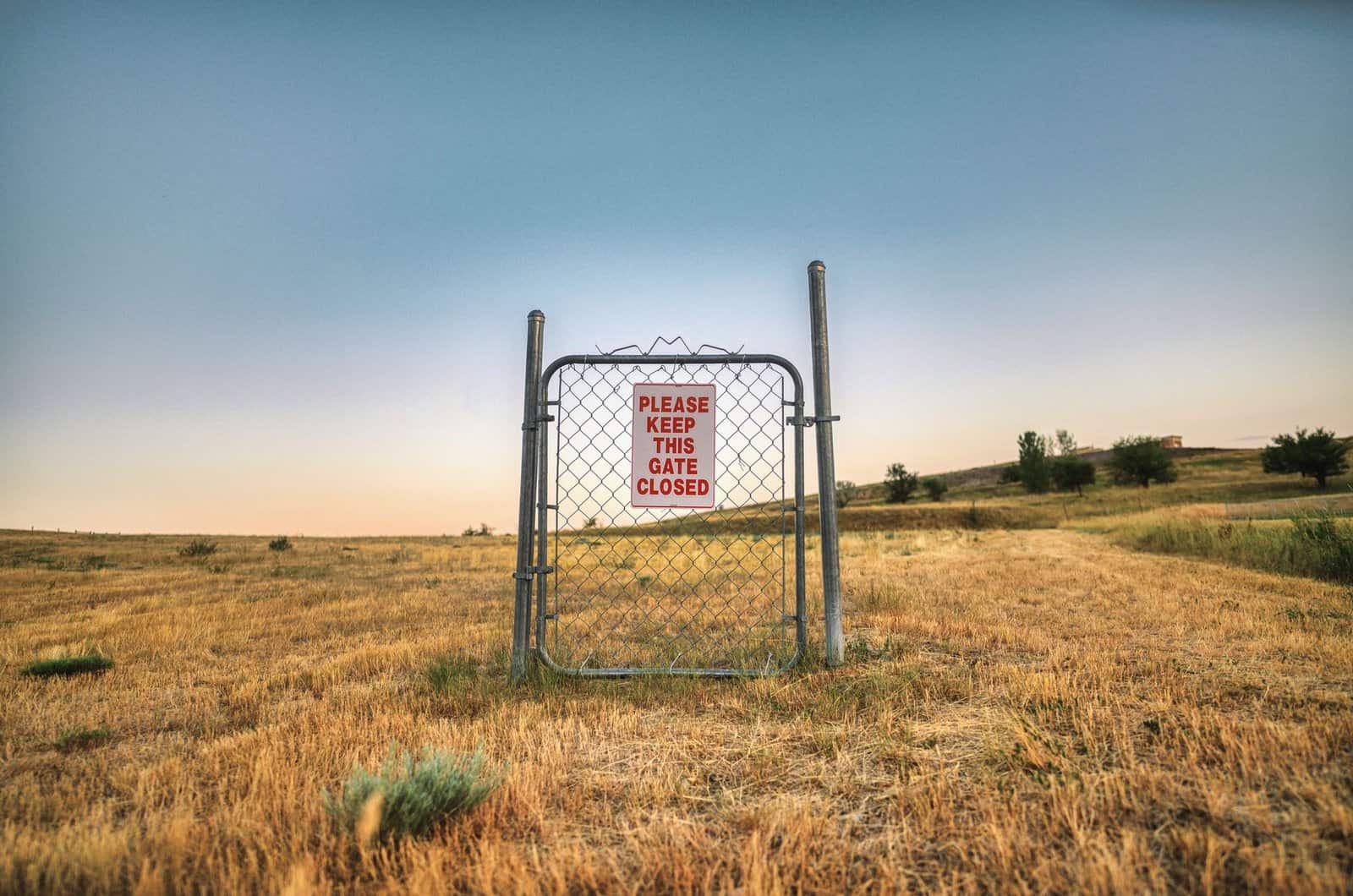
Most of the Sandhills is private land. Stay on public roads and marked trails, and ask permission before entering a ranch. Close gates behind you, and do not climb fences. Avoid driving off roads, since tire tracks can break the sod and start a blowout. Pack out all trash, and take photographs rather than souvenirs.
Visiting during calving season in spring or haying in summer, you may find ranchers busy. Be patient with slow trucks and cattle on the road, and thank people who stop to help. In a place with so few residents, neighbors look out for each other, and visitors are part of that web while they are there.
A Day on the Sandhills Journey
A good way to feel the region is a slow drive on Highway 2. Start in Broken Bow or Anselmo in the east and let the land open up as you pass through small towns and long stretches of grass. Stop at Halsey for a walk in the planted forest, which looks surreal against the surrounding prairie, then continue west through Thedford and Mullen, where cattle and windmills define the horizon.
Bring a cooler with lunch, because services are thin. Stop at pullouts to listen. On a windy day, the grass moves in waves, and on a still evening, meadowlarks and the creak of a windmill may be the only sounds. In the afternoon, the light stretches, and the swells of the dunes show their shape. The drive from Grand Island to Alliance takes about five hours without stopping, but it deserves a full day or two.
Photography and night skies
The Sandhills are among the best places in the Midwest for dark skies, since towns are small and far apart. On a clear, moonless night, the Milky Way is plainly visible, and the Merritt Reservoir area and the Nebraska National Forest are popular for stargazing. Bring a tripod, warm layers and a red flashlight to protect night vision, and respect private land.
Challenges the Sandhills Face
The region’s future is not guaranteed. Drought can thin grass, reduce income and raise the risk of blowouts. Invasive eastern red cedars spread into pastures and use groundwater, and ranchers and agencies have worked to clear them, often with controlled burns. Rising land prices and consolidation can make it hard for young families to enter ranching, and rural depopulation has reduced school enrollment and services in many counties.
Conservation groups, including The Nature Conservancy, have worked with ranchers on easements that keep land in grass while allowing grazing, and the Sandhills remain among the most intact large grasslands in the world. Visitors can support that work by buying beef from local producers, staying in local lodging and respecting the land.
Why It Matters
The Sandhills show that conservation does not always require preservation in a park. Here, a working landscape protected the prairie, because the economics of grazing aligned with the needs of the soil. That alignment is delicate. Drought, overgrazing, invasive trees such as eastern red cedar and the pressure to convert land to irrigated cropland can all disturb it.
For a traveler, the Sandhills offer the rare experience of an enormous landscape that looks much as it did 150 years ago, without much infrastructure and with plenty of silence. Give it time, drive slowly and stop often. The grass is the story, and the ranchers who kept it in place are a big part of why it is still there.