Ithaca, New York Has Gorges Deep Enough to Kill You and a Complete Small City Wrapped Around Them
We may earn money or products from the companies mentioned in this post. This means if you click on the link and purchase the item, I will receive a small commission at no extra cost to you ... you're just helping re-supply our family's travel fund.
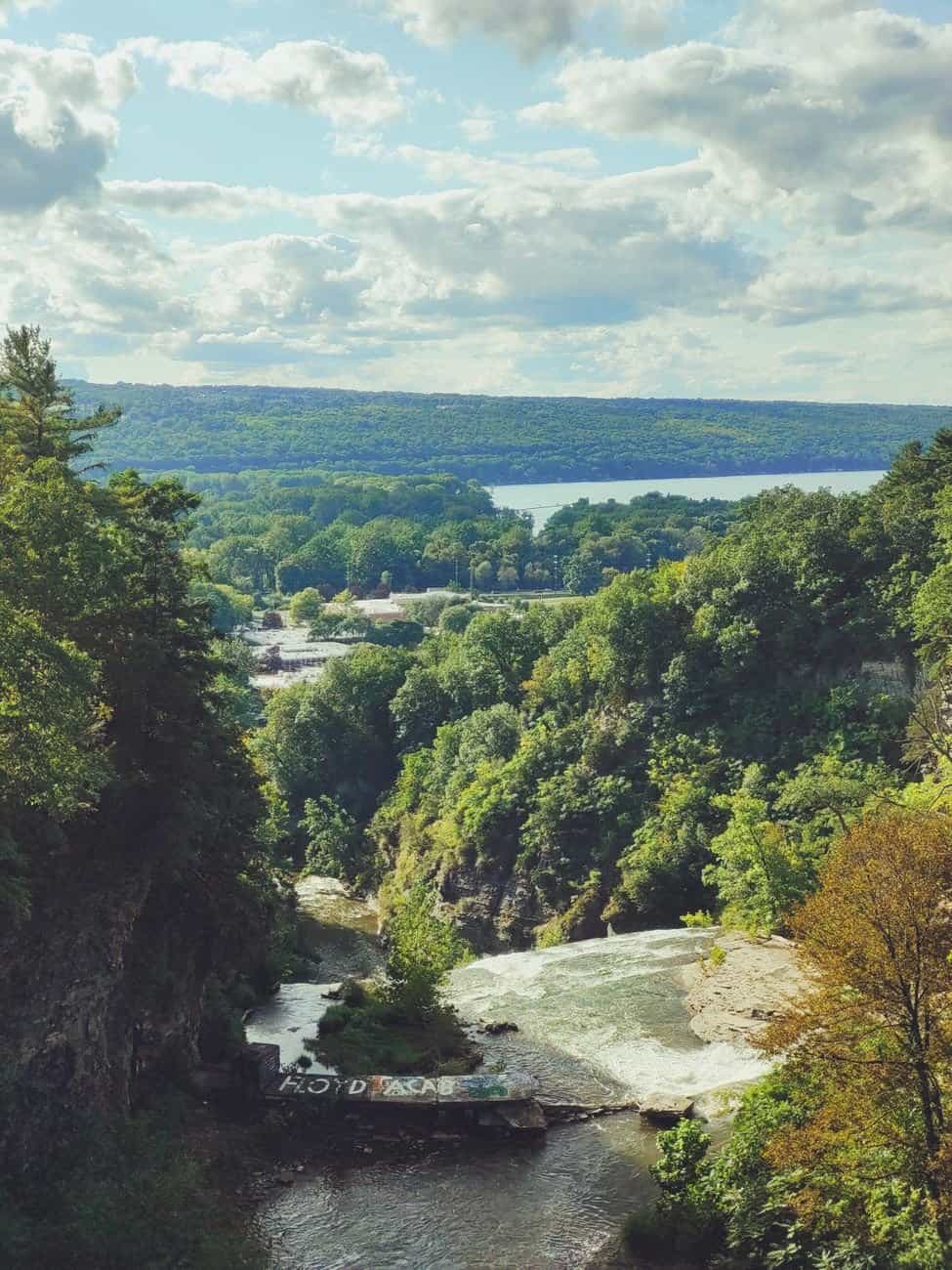
Ithaca’s unofficial slogan, Ithaca Is Gorges, refers to the dramatic waterfall-carved gorges that cut through the city itself, including Cascadilla Gorge and Fall Creek Gorge, both close enough to downtown and Cornell University’s campus that students walk across bridges spanning sheer drops on their way to class, a level of accessible natural drama unusual for any American college town.
A City Genuinely Shaped by Its Geology
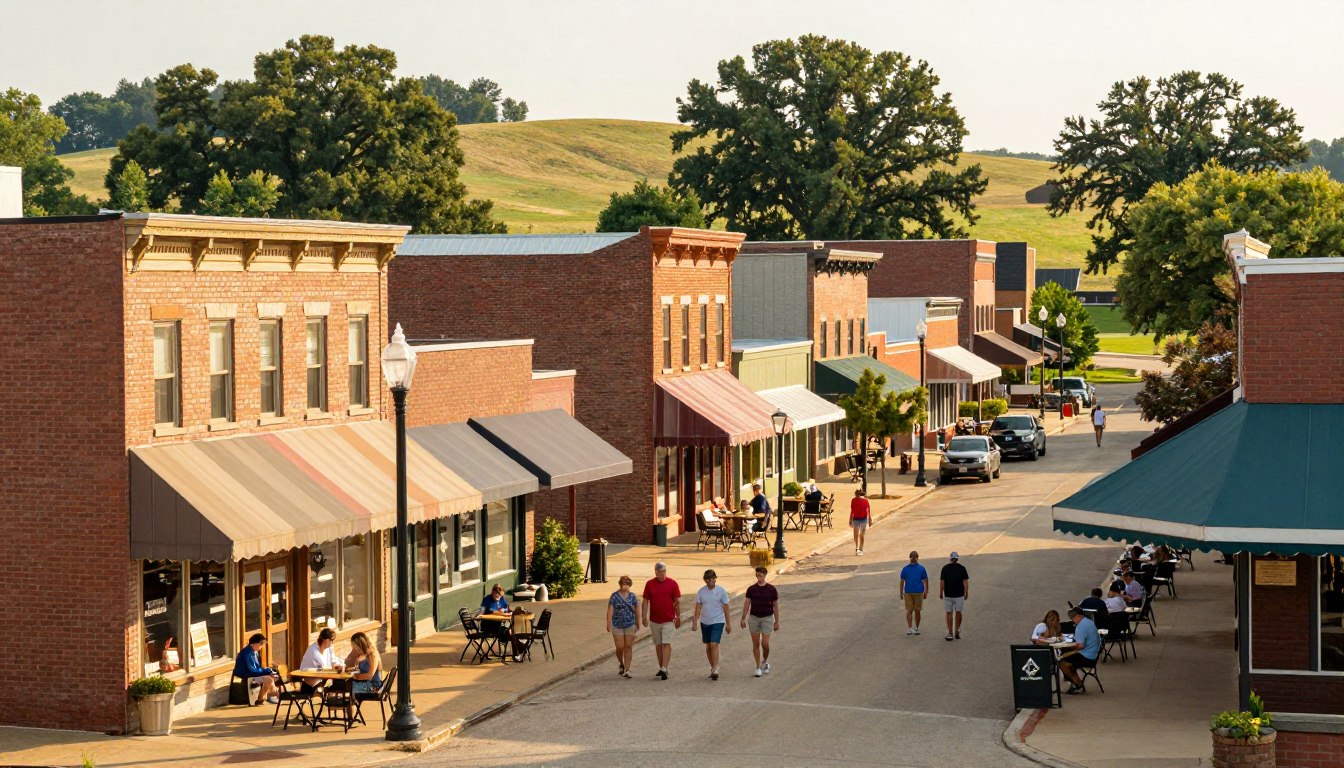
Cornell University and Ithaca College together give this Finger Lakes city of roughly 32,000 a population and cultural infrastructure far beyond what its size would typically support, including a genuinely diverse restaurant scene, an active live music and arts community, and the kind of bookstore and coffee shop density usually associated with much larger university towns.
The gorges themselves have also produced tragedy over the decades, with periodic drowning and fall deaths at popular swimming spots prompting Cornell and the city to install extensive signage, fencing, and periodic swimming bans, an ongoing tension between the gorges’ genuine natural beauty and their real physical danger that the university takes seriously enough to include in freshman orientation safety briefings every year.
What Makes Ithaca a Complete Small City
Beyond the Gorges
- The Ithaca Farmers Market operates seasonally along Cayuga Lake’s inlet, drawing large weekend crowds
- Cornell’s Johnson Museum of Art offers a genuinely significant collection for a city this size
- Local craft breweries and the broader Finger Lakes wine region provide a substantial food and drink economy
- Cayuga Lake itself offers swimming, boating, and lakefront parks within city limits
Ithaca’s remoteness, roughly a four-hour drive from New York City and lacking major interstate access, has kept it from becoming a significant weekend tourism destination the way some other Finger Lakes towns have, leaving it functioning primarily as a self-contained small city built around its universities rather than a visitor economy dependent on outside tourism dollars.
What results is a place that feels considerably more complete and self-sufficient than its modest population would suggest, with genuine cultural and economic depth built almost entirely around education and the natural drama of its gorges, rather than the kind of manufactured tourist infrastructure that defines many small American cities of comparable size.
What This Means Going Forward
The broader pattern here reflects something researchers and local officials increasingly track closely: the gap between how a place or trend is perceived from the outside and how it actually functions day to day for the people living inside it or making decisions about it. That gap rarely closes on its own, and it tends to widen further whenever outside attention, whether from tourism, media coverage, or social platforms, arrives faster than the underlying infrastructure or community capacity can absorb it.
What tends to happen next depends heavily on decisions made by the people closest to the situation, whether that means local governments, longtime residents, or the businesses that have to adapt fastest, and those decisions rarely get the same national attention as the initial trend or story that put the place on the map in the first place, even though they matter considerably more to how things actually turn out over the following decade.
The Longer-Term Trajectory
Longtime observers of this pattern note that the early years after a place or trend gains attention are rarely the ones that determine its lasting character. The more decisive period tends to arrive several years later, once the initial wave of interest either sustains itself through genuine infrastructure investment or fades as attention moves elsewhere, leaving behind whatever changes already took root during the busier years.
That delayed reckoning is precisely why comparisons across a full decade, rather than a single before-and-after snapshot, tend to produce a more accurate picture of what actually changed and what merely appeared to change while the cameras and headlines were still pointed in that direction.
Why This Keeps Getting Overlooked
Part of the reason this dynamic receives less attention than it probably deserves is structural: the initial story, whether a viral moment, a policy change, or a shift in travel patterns, is simply more compelling to cover than the slower, less dramatic process of adjustment that follows it over subsequent years, which rarely fits into a single headline or a short video.
That mismatch between what gets covered and what actually matters most to the people living through the change is a recurring feature of how places, trends, and communities get discussed publicly, and it tends to leave a persistent gap between popular perception and the more complicated reality on the ground.
What This Means Going Forward
The broader pattern here reflects something researchers and local officials increasingly track closely: the gap between how a place or trend is perceived from the outside and how it actually functions day to day for the people living inside it or making decisions about it. That gap rarely closes on its own, and it tends to widen further whenever outside attention, whether from tourism, media coverage, or social platforms, arrives faster than the underlying infrastructure or community capacity can absorb it.
What tends to happen next depends heavily on decisions made by the people closest to the situation, whether that means local governments, longtime residents, or the businesses that have to adapt fastest, and those decisions rarely get the same national attention as the initial trend or story that put the place on the map in the first place, even though they matter considerably more to how things actually turn out over the following decade.
The Longer-Term Trajectory
Longtime observers of this pattern note that the early years after a place or trend gains attention are rarely the ones that determine its lasting character. The more decisive period tends to arrive several years later, once the initial wave of interest either sustains itself through genuine infrastructure investment or fades as attention moves elsewhere, leaving behind whatever changes already took root during the busier years.
That delayed reckoning is precisely why comparisons across a full decade, rather than a single before-and-after snapshot, tend to produce a more accurate picture of what actually changed and what merely appeared to change while the cameras and headlines were still pointed in that direction.