Two Minnesota Iron Range Towns Show Taconite’s Lasting Divide — Here’s What Visitors See on Each Side
We may earn money or products from the companies mentioned in this post. This means if you click on the link and purchase the item, I will receive a small commission at no extra cost to you ... you're just helping re-supply our family's travel fund.
The two Minnesota Iron Range towns of Hibbing and Ely are only about 90 miles apart, but they feel like different worlds. Hibbing sits beside one of the largest open-pit mines on earth and still lives with the rhythm of taconite production. Ely, on the edge of the Boundary Waters, lost its underground iron mines decades ago and rebuilt around canoeing, fishing, and wilderness. Together they show a divide that taconite helped create.
This guide explains what happened and what visitors see on each side. Details such as hours and prices change, so check before you go.
What Visitors See in Two Minnesota Iron Range Towns

Minnesota’s iron country is made of ranges, the Mesabi, the Vermilion, and the Cuyuna. The Mesabi Range, which includes Hibbing, was the heart of the American steel industry in the twentieth century. By the 1950s the richest natural ore, a soft red hematite that could be shipped directly to furnaces, was running low. The industry turned to taconite, a hard, low-grade rock that has to be crushed, ground, and concentrated into pellets. That required huge plants and major investment, and Minnesota voters helped by approving a tax amendment in 1964 that gave the industry stable terms.
The result was a split. Towns on the Mesabi with large taconite deposits kept mining, and their economies adjusted to a more mechanized industry with fewer workers per ton. Places on the Vermilion Range, where underground mines had produced high-grade ore, saw their mines close in the 1960s because the ore was not suited to the taconite model. Ely’s Pioneer Mine shut in 1967, and nearby Soudan closed in 1962. That is the divide visitors can still read from the road.
1. Hibbing: The Mine That Moved a Town
Hibbing has about 16,000 residents and is the largest city on the Mesabi Range. The Hull-Rust-Mahoning Mine, often called the Grand Canyon of the North, stretches about three miles long and two miles wide, and reaches depths of several hundred feet. A viewing area on the north side of town lets visitors look into the pit, and the scale is difficult to capture in photos. The pit grew so large that in the early twentieth century the town moved. North Hibbing was relocated south in the 1910s and 1920s, because the ore lay beneath it.
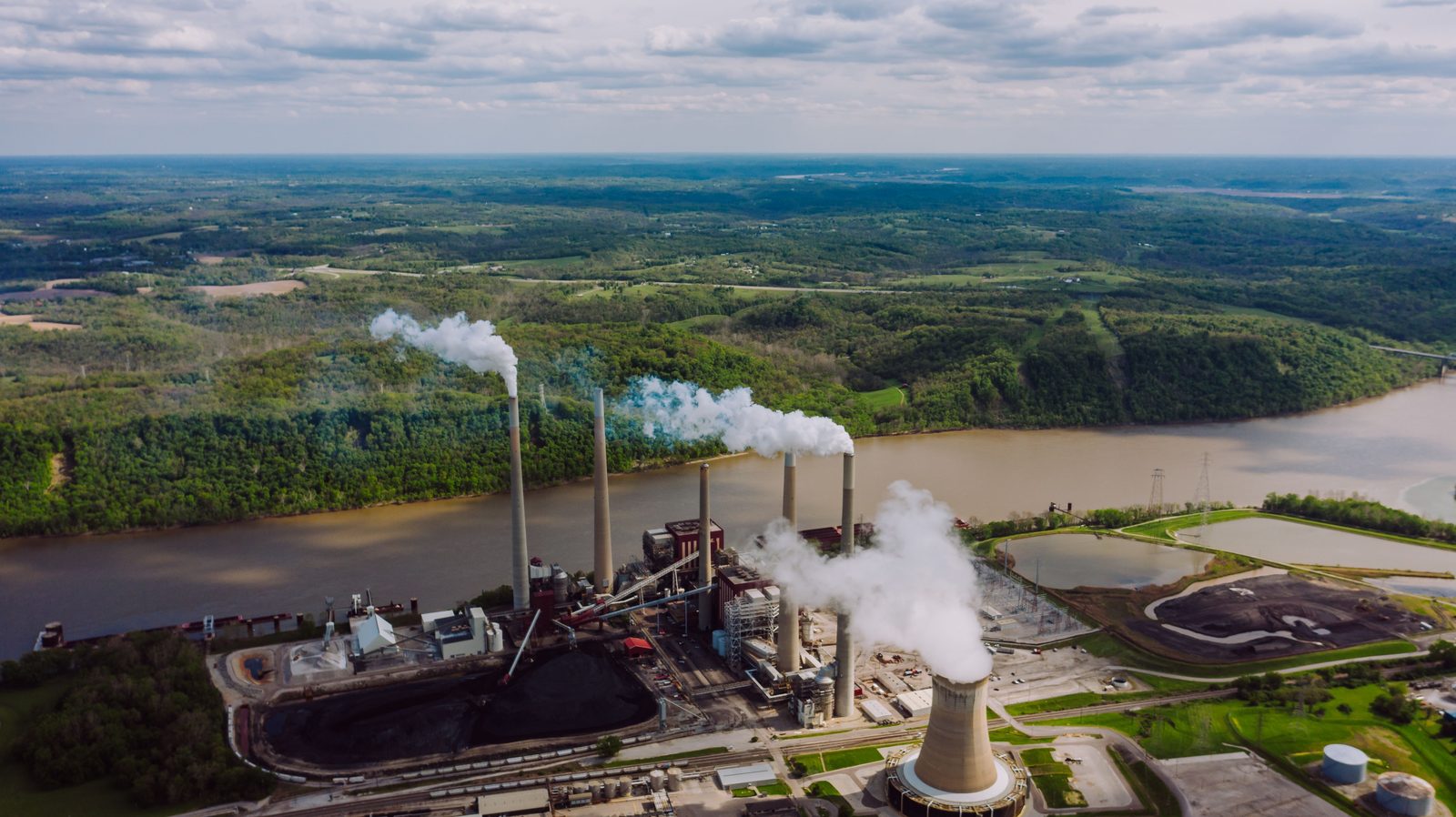
Taconite still matters here. A taconite plant in the area processes ore into pellets that ship by rail to Lake Superior ports and then by ship to steel mills. Jobs are well paid and unionized, but employment is lower than at the peak, and the economy is also tied to the swings of the steel market, tariffs, and demand. Health care, education, retail, and government round out the local economy.
Because of the money generated by mining taxes in the early twentieth century, Hibbing built grand public buildings. Hibbing High School, opened in 1923, has an auditorium with Tiffany chandeliers and a design that surprises visitors. The Memorial Building and the library also reflect that history. It is also the town where bus service began, with the founding of the company that became Greyhound in the 1910s, and where Bob Dylan grew up. Dylan’s childhood home is private, so view it respectfully from the street, and local exhibits and tours sometimes cover his early life.
What to see in Hibbing: the Hull-Rust Mine view, the high school exterior and, when available, tours of the auditorium, the Iron Range Historical Society and Museum in nearby Chisholm for a deeper look at mining, and the downtown. Check hours and tour options before you go. Meals tend to be hearty, with local favorites such as pasties and walleye, and lodging is reasonably priced, often in the range of 80 to 150 dollars a night.
2. Ely: From Mining Town to Gateway
Ely, population about 3,300, sits at the end of Minnesota Highway 169 and 1, with a main street lined with outfitters, restaurants, and shops. It is the main gateway to the Boundary Waters Canoe Area Wilderness, a protected area of over a million acres of lakes and forests that is one of the most visited wilderness areas in the country. Visitors paddle, portage, and camp across a landscape of lakes carved by glaciers.
Ely’s mining past still shows. The town grew around iron ore on the Vermilion Range, and many residents have grandparents who worked underground. After the mines closed, the community had to find new sources of income. Logging and the outfitting trade grew, and tourism became the main industry. The town hosts the International Wolf Center, the Dorothy Molter Museum, honoring the woman known as the Root Beer Lady who lived on an island in the Boundary Waters until 1986, and the Ely Winter Festival and other events. Nearby, Soudan Underground Mine State Park, about 25 miles to the west, lets visitors ride a cage down into an underground mine and also houses a physics research lab. Check the schedule before you go, as tours are seasonal.
The divide is also political. Debates continue over proposed copper-nickel mining near the Boundary Waters watershed, with supporters stressing jobs and critics stressing water quality and tourism. The topic is sensitive in the community, so visitors should approach it with respect and listen to local views.
What to see in Ely: walk the main street, rent a canoe or take a guided day trip, visit the wolf center, and eat at local cafes and breweries. If you plan to enter the Boundary Waters, a permit is required, and quotas apply in the busy season, so reserve well in advance and check before you go. Lodging varies from motels to lodges and cabins, with prices commonly from around 100 to 250 dollars per night in summer.
How the Two Sides Compare
- Mining and tourism: Hibbing relies on taconite and heavy industry, while Ely relies heavily on outdoor recreation and visitors.
- Size: Hibbing is a regional hub, and Ely is a small town.
- Landscape: Hibbing is defined by pits, stockpiles, and rail yards, and Ely by forests and lakes.
- Population: both have faced decline, but Hibbing has more services and a bigger base.
- Seasonal rhythm: Ely is busiest in summer and fall, and Hibbing’s economy runs year-round with mine schedules.
- Debate: each side has a different view about resource extraction and conservation.
The Broader Iron Range Story
The Iron Range is also a place of immigrant history. Finns, Italians, Slovenes, Croatians, Swedes, and many others came to work the mines, and their foods and traditions still show in saunas, potica bread, and ethnic festivals. Labor history is strong too. Strikes in the early twentieth century, including the 1916 miners’ strike, shaped the politics of the region, and unions remain influential.
Today the Range faces familiar challenges: an aging population, a demand for new industries, and the question of how to balance mining with the environment. Taconite jobs remain valuable, and the industry has invested in pellet innovation and efforts to supply steel with lower emissions. But it will likely not employ as many people as it once did, so communities are trying to diversify with health care, education, remote work, and tourism.
Planning a Trip
A loop trip from Duluth works well. Drive north on US 53 through Virginia and Eveleth to Hibbing, then continue northeast to Ely. It is about 90 miles from Hibbing to Ely and roughly two hours of driving. Take two or three days to stop at museums and scenic overlooks. Summer is the main season, with long days and warm weather, and fall has colorful foliage. Winter is quiet and cold, but brings sled dog racing, skiing, and other activities. Check road conditions in winter.
Being a Respectful Visitor
Both towns are home to people with deep ties to the land and to mining. Ask before taking photos of people, keep to public areas around mine sites, and follow signs. Buy local, tip well, and stay a night when you can. If a conversation turns to mining or the Boundary Waters, listen first. Many families have been shaped by both the benefits and costs of mining, and opinions are strong.
Understanding Taconite in Plain Terms
Visitors often ask what taconite actually is. It is a sedimentary rock with iron minerals mixed through it, usually containing about 25 to 30 percent iron. Natural ore from the early Mesabi mines was richer, often above 50 percent, so it could be scooped up and shipped. Taconite must be blasted, crushed into fine powder, and passed through magnetic separators that pull out the iron. The concentrate is then rolled with a binder into marble-sized pellets and baked hard. Those pellets are loaded onto trains and ships and become feed for blast furnaces.
That process takes enormous plants and a lot of energy, which is why it concentrated production in a few large operations. Minnesota’s mines have produced a large share of the iron ore mined in the United States for decades. The industry is cyclical, with idlings and restarts when steel demand changes, and local people watch announcements closely.
What a Mine Visit Looks Like
You cannot walk into active pits, but there are safe ways to see the industry.
- Overlooks: the Hull-Rust-Mahoning viewing area in Hibbing and several others across the Range offer wide views of the pits.
- Museums: the Minnesota Discovery Center in Chisholm explores the Range’s history and immigrant communities, and its outdoor areas include a historic mining landscape. Check hours and fees before you go.
- Tours: some local organizations offer bus tours of active or former mines, often seasonal.
- Underground: Soudan Underground Mine State Park lets visitors ride down into a historic mine, which shows what mining was like before taconite.
- Landscapes: the pits fill with water after closure, creating deep blue lakes that now host swimming, fishing, and scuba diving in some areas, such as Cuyuna Country State Recreation Area to the south, which has become a mountain biking destination.
The Cuyuna example matters because it shows another path for former mining land. Trails built on old mine tailings now draw riders from around the Midwest, and nearby towns have seen new shops and cafes.
Food and Culture You Can Taste
The Range’s food is a product of its immigrants. Pasties, a hand-held meat and vegetable pie that Cornish and Finnish miners carried in their lunch pails, are a regional staple. Finnish saunas and coffee bread, Italian sausage, Slovenian potica, and Croatian sarma are other threads. In Ely, you will find more outdoors-inspired fare, including fish fries, walleye, and wild rice dishes. Many small restaurants close early or on certain days, so check before you go.
Festivals add to the picture. Summer brings ethnic and community festivals across the Range, such as Hibbing’s Dylan Days in May and Ely’s Blueberry Arts Festival in summer. Dates change, and crowds can fill lodging, so book ahead.
Family and Weather Notes
Families with children will enjoy the Wolf Center, canoeing in shallow lakes, and the chance to see enormous haul trucks. Winters are long and cold, with temperatures often below zero, so bring serious layers. Summers can be warm with mosquitoes and biting flies, especially in June and July, so bring repellent. Fall color usually peaks in late September, and ice-out in spring changes the pace.
The Takeaway
Hibbing and Ely are two Minnesota Iron Range towns that show how taconite split the region into places that kept mining and places that had to reinvent themselves. One shows the scale of industry, and the other shows the pull of wilderness. See both, and you understand the Iron Range better than from either alone. Check hours, permits, and prices before you go.