Portland’s Rent, Transit, and Daily Life Don’t Move Together — Here’s What Visitors Should Know Before They Go
We may earn money or products from the companies mentioned in this post. This means if you click on the link and purchase the item, I will receive a small commission at no extra cost to you ... you're just helping re-supply our family's travel fund.
Portland rent and transit costs do not move together, and daily life in the city runs on a third set of rules. Rents track housing supply and local incomes. Transit fares follow agency policy. Everyday spending is shaped by Oregon’s tax structure and the city’s food and culture scene. For visitors, that mix has a practical meaning: a trip can be cheaper or pricier than expected depending on what you buy.
This guide explains each piece and what visitors should know before they go. Prices below are approximate ranges, so check before you go.
What Visitors Should Know About Portland Rent and Transit
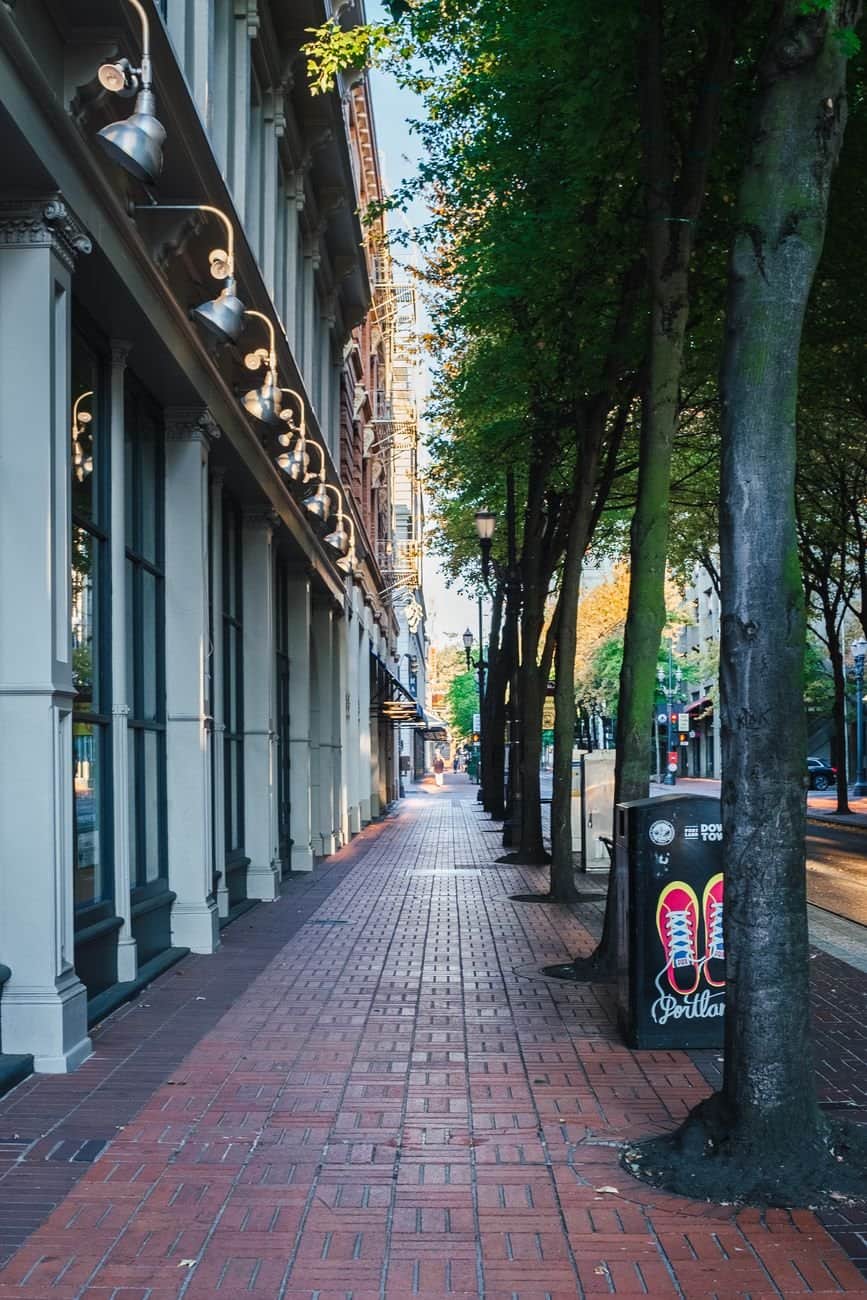
Visitors do not pay rent, but rent shapes the city they see. High housing costs affect how many restaurants and shops can survive, where workers live, and how visible homelessness is. Transit shapes how easily visitors move around. Daily costs shape the bill at the end of the trip. Understanding each separately keeps you from reading the whole city through one number.
Rent: What Locals Pay and Why It Matters
Portland has been less expensive than Seattle and San Francisco but more expensive than most Midwest and Southern cities. In recent years, one-bedroom apartments in the city have commonly rented for around 1,400 to 1,800 dollars a month, with studios lower and two-bedrooms often above 2,000 dollars. Typical home values in the city have been in the range of about 500,000 to 550,000 dollars, though neighborhoods vary widely.
Rents have not climbed in step with other costs. After rapid growth in the 2010s, the market cooled as new apartment buildings opened and population growth slowed. Some trackers have shown flat or falling rents in recent years, with landlords offering concessions in some buildings. Oregon also has statewide rent stabilization, which caps annual increases at a set formula, with exemptions for newer buildings. That reduces sudden jumps for existing tenants, though it does not make rent cheap.
Why visitors should care: the cost of housing influences hotel rates, restaurant prices, and staffing. It is also part of why you may see tents and encampments in parts of the city. Portland has put significant effort into housing and shelter programs, and the situation varies from neighborhood to neighborhood. Many parts of the city remain safe, active, and welcoming during the day, and ordinary travel precautions apply.
Transit: Cheap, Useful, and Not Everywhere
Portland’s transit system is run mainly by TriMet, which operates buses, the MAX light rail, and the WES commuter line in the region, along with the Portland Streetcar operated by the city. Adult fares have been about 2.80 dollars for a ticket good for 2.5 hours, with a day pass around 5.60 dollars and lower fares for youth, seniors, and low-income riders. Fare capping on the Hop Fastpass card means you do not pay more than the day or month price, though prices change, so check before you go.
MAX light rail runs from Portland International Airport to downtown in about 40 minutes, which is one of the easiest airport connections in the country. The system also connects to Beaverton, Hillsboro, Gresham, Clackamas, and Milwaukie. The Portland Streetcar loops through the central city, and buses fill in the gaps. The network is useful for most visitor destinations, including downtown, the Pearl District, the Rose Quarter, Washington Park, and many neighborhoods.
It is not everywhere. Service is thinner at night, and some places, such as the coast, Mount Hood, and the Columbia River Gorge, require a car or a tour. Biking is popular, with a large network of lanes and rental options, though hills and rain affect comfort.
Compared with rent, transit is cheap. A month of unlimited rides costs a small fraction of a month of rent, which is why many residents live car-light. Fares do not follow housing prices, so a quiet rent market does not mean transit gets cheaper, and the reverse.
Daily Life: Taxes, Food, and Culture
The third piece is daily life. Oregon has no statewide sales tax, which means that retail purchases such as clothes, electronics, and souvenirs cost less at checkout than in neighboring Washington. Prices on the shelf are the prices you pay. Lodging, restaurant, and other taxes still apply. Hotel taxes in the Portland area generally combine city, county, and state rates in the mid-teens in percentage terms, so check before you go.
Oregon makes up for the lack of sales tax with income taxes, which mainly affect residents. Portland and the metro area also have local taxes such as an arts tax of 35 dollars per adult resident and a clean energy surcharge on large retailers, as well as a supportive housing tax on higher earners. These do not directly burden visitors, but they shape what the city can fund, from parks and libraries to services.
Food is a highlight. Portland is known for food carts, craft beer, coffee, and a strong restaurant scene across many price levels. A food cart meal commonly costs 8 to 15 dollars, a casual restaurant meal 15 to 30 dollars, and a nicer dinner more. A pint of craft beer often costs 6 to 8 dollars. Many restaurants add a service or wage-related fee, so read menus and tip according to local custom.
Attractions vary. Washington Park, the Japanese Garden, and the International Rose Test Garden are major draws, with entry fees for the Japanese Garden but no charge for the rose garden. Powell’s City of Books is free to walk through, and countless parks, trails, and street scenes cost nothing. Day trips to the coast, Mount Hood, and the Gorge are within one to two hours.
Why the Three Don’t Move Together
Rent responds to housing supply, incomes, and interest rates. Transit fares respond to agency budgets and policy decisions. Daily costs respond to wages, inflation, and taxes. These drivers differ, so Portland can have flat rents, rising food prices, and stable fares at the same time. Treat each as its own line in your budget rather than a single index of how expensive the city is.
A Sample Visitor Budget
For a visitor staying three nights, a rough budget might look like this, with wide variation by season and choices.
- Lodging: about 120 to 250 dollars per night for a mid-range hotel, less for hostels or rentals, more in summer.
- Transit: around 6 to 12 dollars per day with a day pass or fare capping.
- Food: about 40 to 90 dollars per day, depending on how many meals you eat at food carts or restaurants.
- Attractions: 0 to 40 dollars per day, with many free options.
- Shopping: no sales tax, so what you see is what you pay.
Travelers can save by staying near a MAX line, using transit from the airport, and eating at food cart pods. Check prices for lodging and events before you go, since major conferences and summer weekends raise hotel rates.
Best Seasons and Practical Notes
Summer is dry, warm, and bright, with the best chance of clear days for Mount Hood and the Gorge, but it is also the most expensive period. Spring and fall are pleasant, with fall colors and lower rates. Winter is gray and wet, though still manageable, and snow is rare in the city but common in the mountains. Bring a light rain jacket year-round.
Parking in central Portland can be expensive, with garages charging by the hour and by day. If you rent a car for day trips, consider picking it up after your city days to avoid parking costs.
Neighborhoods Visitors Often Use
Where you stay shapes your costs and your experience. A quick guide to common choices follows.
- Downtown and Pearl District: close to MAX, the Streetcar, shops, and restaurants. Hotel prices are higher, though you can often skip a car entirely.
- Old Town and Chinatown: historic and walkable, with some of the city’s most visible street challenges, so use common sense at night.
- Southeast Division, Hawthorne, and Belmont: lively areas with restaurants, bars, and shops, reachable by bus and a short ride from downtown.
- Alberta Arts District and Mississippi Avenue in the north: known for galleries, food carts, and breweries.
- Nob Hill and Northwest 23rd: leafy, upscale shopping and dining, with the Streetcar nearby.
- Near the airport: cheaper hotels, but farther from the action, with MAX providing a direct connection.
Short-term rentals exist, though the city has rules, and some hosts must be licensed. Check listings carefully and read recent reviews.
Money-Saving Moves for Visitors
- Arrive by MAX rather than taxi or rideshare, which saves a good deal compared with a car from the airport.
- Pay with a Hop Fastpass or a phone wallet that supports fare capping, and check before you go for current rules.
- Eat at food cart pods for lunch, and save restaurant dinners for one or two special nights.
- Use free attractions, such as parks, murals, bridges, and bookstores.
- Visit in spring or fall for lower hotel rates and fewer crowds.
- Shop for souvenirs, since Oregon has no sales tax, though prices may differ from big chains.
What Rent Tells You About the City
Rent is a clue about who lives where and how neighborhoods change. In some areas, older buildings and lower rents keep small businesses alive, while in others, new construction and higher prices have reshaped the street scene. Visitors can notice these patterns. A neighborhood with many independent shops and long-standing restaurants often has older housing and lower rents. A district with newer buildings and chain stores tends to have higher rents.
Portland’s growth has also pushed some residents out toward Gresham, Beaverton, and Vancouver across the river in Washington. These commuters rely on MAX, buses, and highways, which is why peak-hour traffic and transit crowding occur on certain routes. If you plan to use transit at rush hour, expect more crowded vehicles on the busiest lines.
Common Questions
Is Portland Expensive for Visitors?
It is mid-range compared with big coastal cities. Hotels can be pricey in summer, but food, transit, and attractions can be affordable. Planning your timing and lodging has the biggest impact.
Do I Need a Car?
Not for the city. MAX, buses, and the Streetcar cover major areas, and bikes and walking fill gaps. A car is useful for day trips to the coast, the Gorge, and Mount Hood.
Is It Safe?
Many neighborhoods are safe and busy, though some parts of downtown and Old Town have visible homelessness and property crime. Use normal precautions, keep valuables out of sight, and ask your hotel about areas to avoid at night.
Does Rain Matter?
Portland’s rain is mostly light and steady in the cooler months. Locals use a waterproof jacket instead of an umbrella, and the city is still active.
The Takeaway
Portland rent and transit costs do not move together, and visitors do best when they budget each part of the trip separately. Rent shapes the city you see, transit makes it easy to move around, and daily life, including no sales tax and a rich food scene, shapes what you spend. Pick lodging near light rail, use food carts, and check current prices before you go.