What Solo Female Travelers Actually Experience — Not What the Instagram Accounts Say, the Real Safety Picture by Destination
We may earn money or products from the companies mentioned in this post. This means if you click on the link and purchase the item, I will receive a small commission at no extra cost to you ... you're just helping re-supply our family's travel fund.
Here is the version of this article you will not find on most travel blogs:
Solo female travel is, depending on destination and behavior, a spectrum from genuinely effortless to genuinely hard. Some places are as easy as the Instagram accounts suggest. Others involve a constant low-grade management of attention and behavior that the photos don’t show. A few are risky enough that the standard “just be confident and you’ll be fine” advice is irresponsible.
None of this means women shouldn’t travel alone. They absolutely should, and hundreds of millions do, including to difficult destinations, with enormous benefit and joy. The point is that honest information serves you better than cheerleading — and the solo female travel content industry has a strong incentive to be cheerful.
This article draws on documented traveler accounts, the experiences shared on r/solotravel and r/TravelWomen, crime statistics where available, and the State Department’s country-specific safety notes.
Why Solo Female Travel Content Is Often Dishonest
The incentive structure is simple:
- Travel bloggers need destinations to be “worth it” for their content to be actionable and shareable.
- Negative safety assessments hurt affiliate revenue from bookings, tours, and accommodation referrals.
- Social media rewards aesthetics and aspiration, not warnings and nuance.
- Women who’ve had difficult experiences often don’t want to write about them publicly because doing so invites “you should have known better” responses.
The result: a genre of content where every destination from Tokyo to Marrakech gets the same message (“just use common sense and you’ll be fine”) without acknowledging that the common sense required varies enormously by place.
The Safety Framework: What Actually Matters
The relevant safety factors for solo female travelers:
- Harassment frequency and type: Verbal harassment, following, physical contact — these vary dramatically by culture and destination. How normalized is it to approach solo women on the street? What is the local custom around female autonomy in public space?
- Response when you push back: In some places, a firm “no” ends an unwanted interaction. In others, it escalates it. This is a real and important distinction.
- After-dark safety: Some cities that feel fine by day are different environments at night. Know the shift before you experience it.
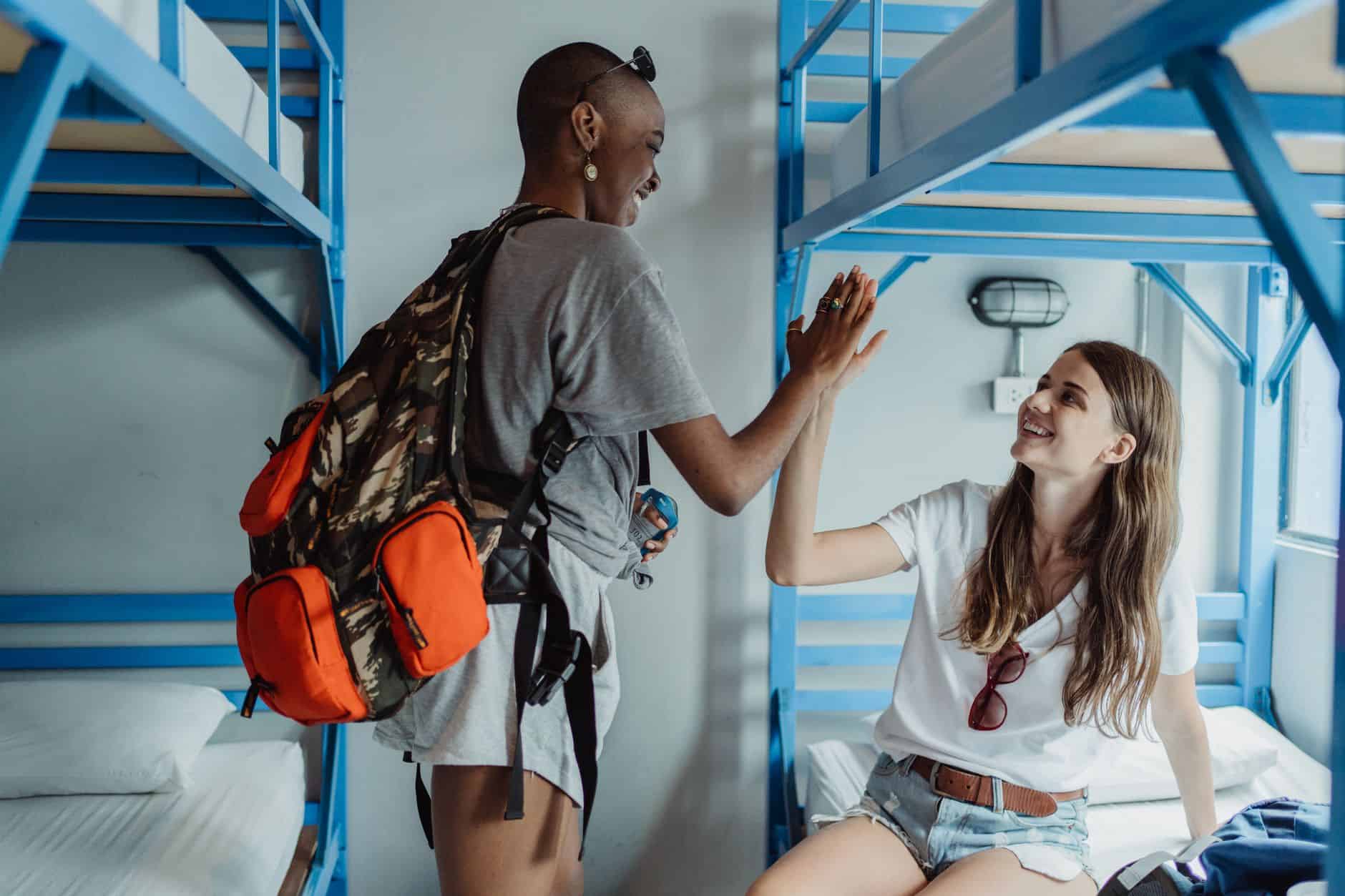
- Accommodation safety: Hostels vary enormously. Solo female dorms vs. mixed dorms vs. private rooms vs. women-only accommodations are genuinely different experiences.
- Infrastructure for solo travelers: Does the destination have female-only train cars, female-designated taxi services, working cell service in tourist areas?
Destinations That Are Genuinely Safe and Easy for Solo Women

- Japan The consensus on Japan is near-universal among solo female travelers: it’s among the easiest and most comfortable destinations in the world. Street harassment is extremely uncommon. Nighttime safety is remarkable — women regularly walk alone at midnight in major cities with essentially zero concern. Women-only train cars exist on most urban rail lines. The culture’s emphasis on not bothering strangers in public works directly in your favor. The only caution: certain entertainment districts in Tokyo (Kabukicho) can involve aggressive bar hawking; walking with purpose through these areas handles it.
- Iceland Iceland consistently ranks among the safest countries in the world for any traveler and is specifically noted by solo women as exceptionally comfortable. The population is small, educated, and the culture of gender equality is one of the most advanced in the world. The ring road is manageable as a solo drive. The social scene in Reykjavik is friendly. Expensive, but accessible.
- New Zealand Solo female travelers consistently rate New Zealand as extremely comfortable. The backpacker culture is active and welcoming, the infrastructure for independent travel is excellent, and the scenery is world-class. Hostels are high quality relative to much of the world. The only challenge: distances are longer than the country looks on a map, and a car or campervan is nearly essential.
- Taiwan Taiwan is significantly underrated as a solo female travel destination. Cities are extremely safe at night, public transit is excellent, local food is phenomenal, and the population is notably friendly toward solo travelers. A growing number of solo female travel writers have moved Taiwan into their top tier recommendations.
- Portugal Western Europe generally scores well for solo female travel, but Portugal stands out for warmth of reception, safety, and value. Lisbon and Porto are genuinely comfortable at night. The culture is friendly without being imposing. The food and landscape are compelling. Portugal is a consistent top-5 recommendation across solo female travel forums.
- Canada Boring answer but true one: Canada is consistently safe, has infrastructure that functions, hostels that meet expectations, and cities where solo female travelers report feeling comfortable. It’s often overlooked for being “too close” to home for American women, but it delivers.
Destinations That Require Preparation but Reward It
- India India is the destination that provokes the most debate in solo female travel communities. The rewards are extraordinary — the food, the history, the visual intensity of experience, the spiritual landscape. The challenges are real: harassment in public spaces is more common and more persistent than in most other countries. The quality of the experience varies enormously by region (Rajasthan has a more robust tourist infrastructure and is generally reported as more manageable than, say, Delhi’s outer areas at night) and by approach. Women who have traveled India extensively recommend: research specific regions carefully, book accommodations with high reviews from women, use app-based transportation rather than street hailing, dress conservatively in non-tourist areas, and travel with an itinerary rather than pure spontaneity. India is worth it for the right traveler with the right preparation. It is not the right first solo trip destination.
- Egypt Egypt has incredible history and is significantly less visited than it deserves to be. The harassment situation in Cairo is real and documented — street harassment, persistent following, and unwanted contact in crowded areas are frequently reported. In Luxor and Aswan, the tourist infrastructure creates a somewhat buffered experience. At historical sites, you’re usually with a guide and the dynamic shifts. Women who’ve traveled Egypt extensively recommend: dress conservatively, hire guides for antiquities rather than navigating alone, use official transportation, and don’t walk alone after dark in Cairo. The Pyramids, the Valley of the Kings, and the Nile cruise experience are phenomenal. Go with clear eyes.
- Morocco Marrakech’s medina is visually stunning and genuinely confusing — the maze-like street layout that makes it magical also creates situations where you’re disoriented and more vulnerable to the persistent touts who work every alley. Harassment in the medina is consistently reported. With preparation: learn to navigate confidently, stay in riads with excellent access, engage a guide for your first day to learn the layout, and use taxis between neighborhoods. The Sahara, the Atlas Mountains, and coastal Essaouira are reported as significantly more relaxed than Marrakech’s tourist core.
Destinations Where the Challenges Are Real
- Parts of Sub-Saharan Africa This is too broad to generalize entirely — Rwanda, Botswana, and South Africa’s Cape Town are very different safety environments from parts of West Africa or certain urban areas in East Africa. The point is that blanket statements don’t serve you. Research specific cities, specific neighborhoods, and current traveler accounts on destination-specific forums before booking.
- Guatemala City and San José, Costa Rica The tourist zones of both countries are heavily visited, but both capital cities have urban centers with significant petty crime and opportunistic theft. The concern in these cities is less harassment and more bag snatching, phone theft, and following on the way back from ATMs. This is manageable with standard precautions but worth knowing.
- Turkey’s tourist areas vs. interior Istanbul and the coastal tourist zones (Cappadocia, Ephesus, the Aegean coast) are reported as generally manageable. Persistent male attention is common. Inland and in more conservative rural areas, solo female travel draws more attention and requires more clothing considerations. Istanbul specifically has detailed traveler accounts across every experience spectrum.
The Things That Actually Keep You Safe
Across all the research and traveler accounts, these factors consistently show up as genuinely protective:
- Confident, purposeful movement. The traveler who’s looking at their phone for directions in a crowded market is a different target than the one who’s walking like she knows where she’s going. This is trainable behavior.
- Accommodation research that specifically prioritizes safety signals. Look for reviews from solo women, not just general reviews. “Safe female solo” search terms in review platforms surface this specifically.
- Dress code awareness. This shouldn’t be the whole conversation, but in conservative cultures, dressing to local norms reduces unwanted attention measurably. This isn’t about blame. It’s about practical travel strategy.
- App-based transportation over street hailing. Uber, Grab, Careem, Bolt — the record of your trip, the driver’s identity, and the lack of cash transaction all reduce risk relative to hailing unknown vehicles.
- Telling someone your itinerary. A trusted person at home with your day-level itinerary, accommodation addresses, and a check-in schedule is the lowest-effort safety system available.
- Learning local distress signals. In many countries there are specific signals (hands, phrases) used to communicate distress in public. The “Angel Shot” bar protocol (ordering specific drinks to signal you need help to staff) is widely adopted in Western countries.
What No One Talks About: The Emotional Reality of Solo Travel
Beyond safety, there’s a dimension of solo female travel that doesn’t fit into safety rankings but matters enormously:
Solo travel is sometimes lonely. Not always. Not even usually. But the Instagram version of solo female travel rarely acknowledges that some evenings, sitting alone in a restaurant where every other table has a couple or a group, involves a specific kind of quiet that requires something from you.
Solo female travelers who do it repeatedly and love it consistently report that the loneliness is real and manageable, that hostel common rooms and cooking classes and walking tours create connection, that the self-knowledge developed from navigating alone is genuinely hard-won and genuinely valuable, and that the version of yourself that exists only when no one else’s preferences constrain your choices is worth meeting.
That’s the thing the curated accounts do get right. It’s just not the whole story.