Overtourism Isn’t Just Annoying Locals. It’s Measurably Changing What These Places Cost to Run.
We may earn money or products from the companies mentioned in this post. This means if you click on the link and purchase the item, I will receive a small commission at no extra cost to you ... you're just helping re-supply our family's travel fund.
The overtourism conversation usually gets framed as a complaints story: locals are annoyed, Instagram ruined a beach, a canal city is sick of cruise passengers. That framing understates what’s actually happening. Overtourism carries measurable economic and infrastructural costs that show up in municipal budgets, insurance markets, and labor economics, not just in grumpy op-eds from residents who miss the quiet version of their hometown.
The Infrastructure Bill Nobody Budgets For
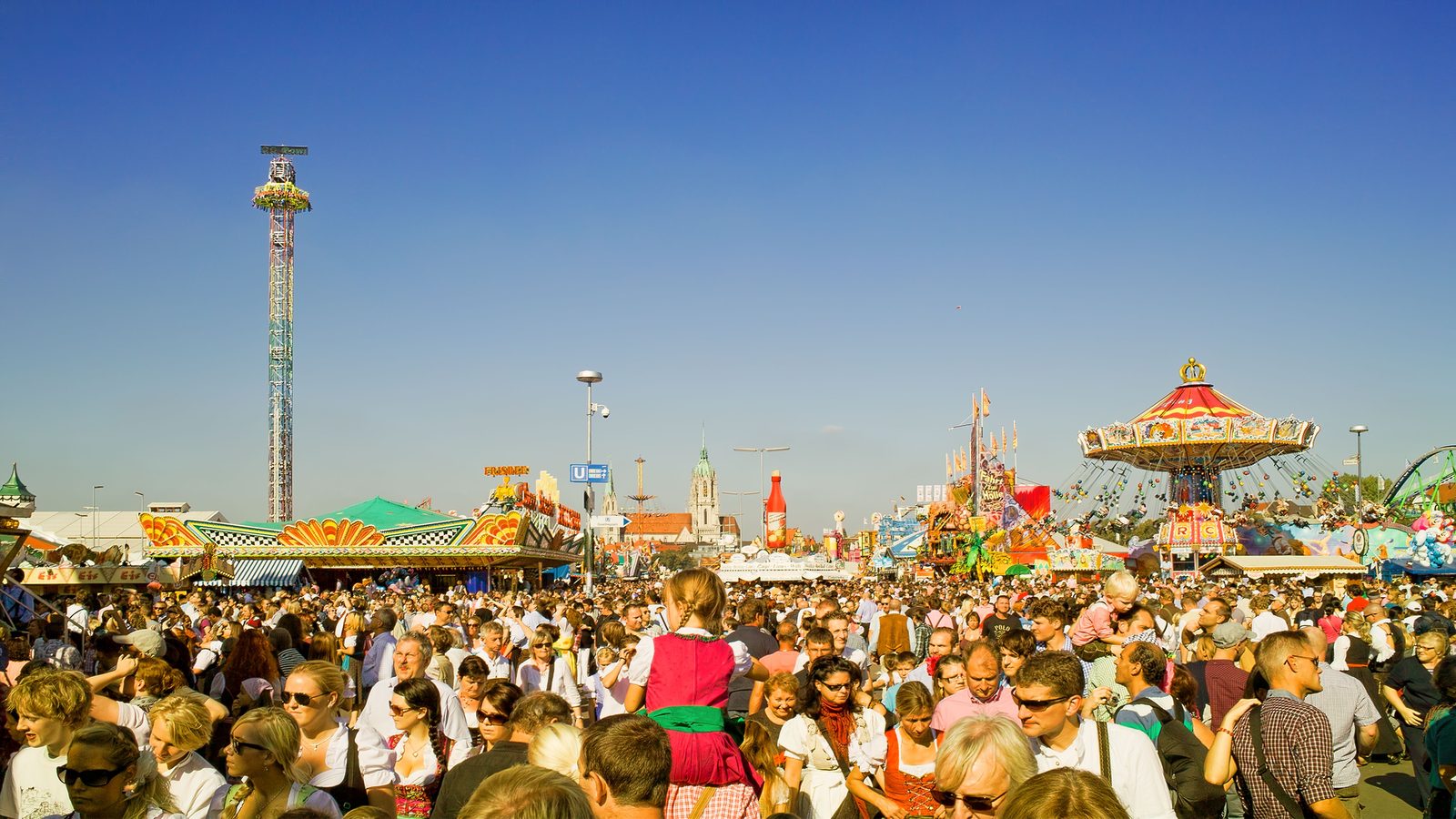
Roads, water systems, and waste management in tourist-heavy destinations are typically sized for the resident population plus a manageable visitor buffer, not for the multiples that a viral destination can attract in a single season. When a town’s real infrastructure load spikes six to twenty times its baseline for part of the year, the wear and maintenance costs scale with peak usage even though tax revenue often scales with average usage, leaving a persistent funding gap that residents, not visitors, typically absorb through local taxes or degraded services.
Housing is the most visible transmission mechanism. When short-term rental demand makes a property more profitable as a nightly rental than a long-term lease, the housing stock available to workers shrinks even if no new construction happens at all, simply through conversion. This is the exact mechanism driving housing shortages in resort towns from Provincetown to Jackson Hole to Lake Tahoe: the same fixed number of houses, reallocated toward the higher-yield use.
The Labor Math Rarely Gets Discussed
Tourist economies need service workers, but the same housing pressure that tourism creates often prices those workers out of living anywhere near their jobs. Destinations increasingly solve this with commuter workforces bussed in from cheaper towns further away, or with seasonal visa labor housed in employer dormitories, both of which are real solutions but both of which also represent an economy that can no longer sustain its own workforce locally. That’s a structural cost, not a complaint, showing up in longer commutes, higher employer overhead for housing subsidies, and chronic understaffing during peak season.
Where the Costs Land
- Municipal budgets absorb road, water, and waste maintenance scaled to peak visitor load rather than average tax revenue
- Housing stock shifts toward short-term rental use, shrinking the supply available to year-round residents and workers
- Local businesses face staffing shortages that push them toward commuter or seasonal-visa labor models with their own added costs
One underdiscussed dimension of overtourism’s real cost is water. Popular destinations with limited freshwater infrastructure, small Mediterranean islands, desert Southwest towns, parts of Hawaii, face acute strain when visitor populations multiply local water demand many times over during peak season. Some islands and small municipalities have had to invest in desalination or emergency water trucking specifically to cover tourist season demand, infrastructure spending that would never be justified by the resident population alone and that residents ultimately subsidize through utility rates even though the marginal demand driving the need is almost entirely visitor-driven.
The emergency services math tells a similar story. Search and rescue operations, ambulance response, and fire departments in popular outdoor destinations, national park gateway towns, ski resorts, coastal areas with dangerous surf, are typically funded and staffed for a resident population baseline, then stretched to cover call volumes that spike dramatically with visitor traffic. Towns near popular hiking destinations have reported search and rescue costs running into hundreds of thousands of dollars annually, overwhelmingly driven by unprepared visitors rather than residents, a direct fiscal transfer from local taxpayers to the tourism economy that rarely appears in any state or local tourism promotion material.
Tourist taxes, lodging fees, and visitor permit systems represent the most direct policy attempt to correct this imbalance, shifting some of the infrastructure cost back onto the visitors generating it rather than leaving it entirely on resident tax rolls. Cities and countries that have implemented these fees aggressively, from Venice’s day-tripper entry fee to various U.S. national park timed-entry systems, have generally found that modest fees do little to actually deter visitation but do meaningfully offset the infrastructure gap, which is probably the most honest verdict on the entire overtourism policy conversation: it’s less about limiting travel and more about making sure someone actually pays for what all that travel costs to support.
Housing markets in tourism-dependent destinations absorb a related but distinct cost that overtourism critiques sometimes lump in incorrectly with pure visitor volume: the conversion of long-term rental housing into short-term vacation rentals. This isn’t strictly a function of how many tourists visit but of how profitable short-term rental income has become relative to long-term renting, and it’s a major driver of the resident displacement that gets blamed on overtourism broadly, even though the actual mechanism, an investor buying a housing unit specifically to rent nightly rather than monthly, is a financial decision distinct from any single visitor’s choice to travel.
Air quality is a less visible but increasingly documented cost in destinations that see heavy vehicle and short-haul flight traffic concentrated around tourism, from cruise ports experiencing localized emissions spikes when multiple ships dock simultaneously to mountain towns whose summer traffic congestion measurably worsens ozone levels during peak visitation months, an environmental cost borne by year-round residents regardless of whether they personally benefit from the tourism economy generating it.
Cruise ship overtourism represents a special case within this broader cost accounting, since a single large cruise ship can deposit several thousand day-trippers into a small port town for a matter of hours, straining local infrastructure, water, waste, road capacity, without the overnight lodging spending that typically funds a destination’s tourism-related services, producing a lopsided economic relationship that several popular Caribbean and Mediterranean ports have begun actively pushing back against through per-passenger fees and daily ship-arrival caps.
The places managing this best, from Amsterdam’s tourist tax increases to various U.S. resort towns experimenting with short-term rental caps, are treating overtourism as a resource allocation problem with real fiscal consequences rather than a mood problem to be solved with better crowd management signage. The complaints get the headlines, but the actual math, what it costs a town to host multiples of its population for part of the year without a proportional increase in the tax base that funds its upkeep, is the more durable story, and it’s the one shaping policy long after the viral moment that caused the crowds has faded.