Sitka, Alaska Runs on Fishing, Tourism, and the Coast Guard. Take Away Any One and the Town Changes Completely.
We may earn money or products from the companies mentioned in this post. This means if you click on the link and purchase the item, I will receive a small commission at no extra cost to you ... you're just helping re-supply our family's travel fund.
Sitka, Alaska, a former Russian colonial capital turned fishing town of roughly 8,400 people on Baranof Island, sustains its economy through a specific three-legged structure, commercial fishing, cruise ship and independent tourism, and a significant US Coast Guard presence, that leaves the town genuinely vulnerable if any single leg weakens substantially.
The Three Industries Holding the Town Together
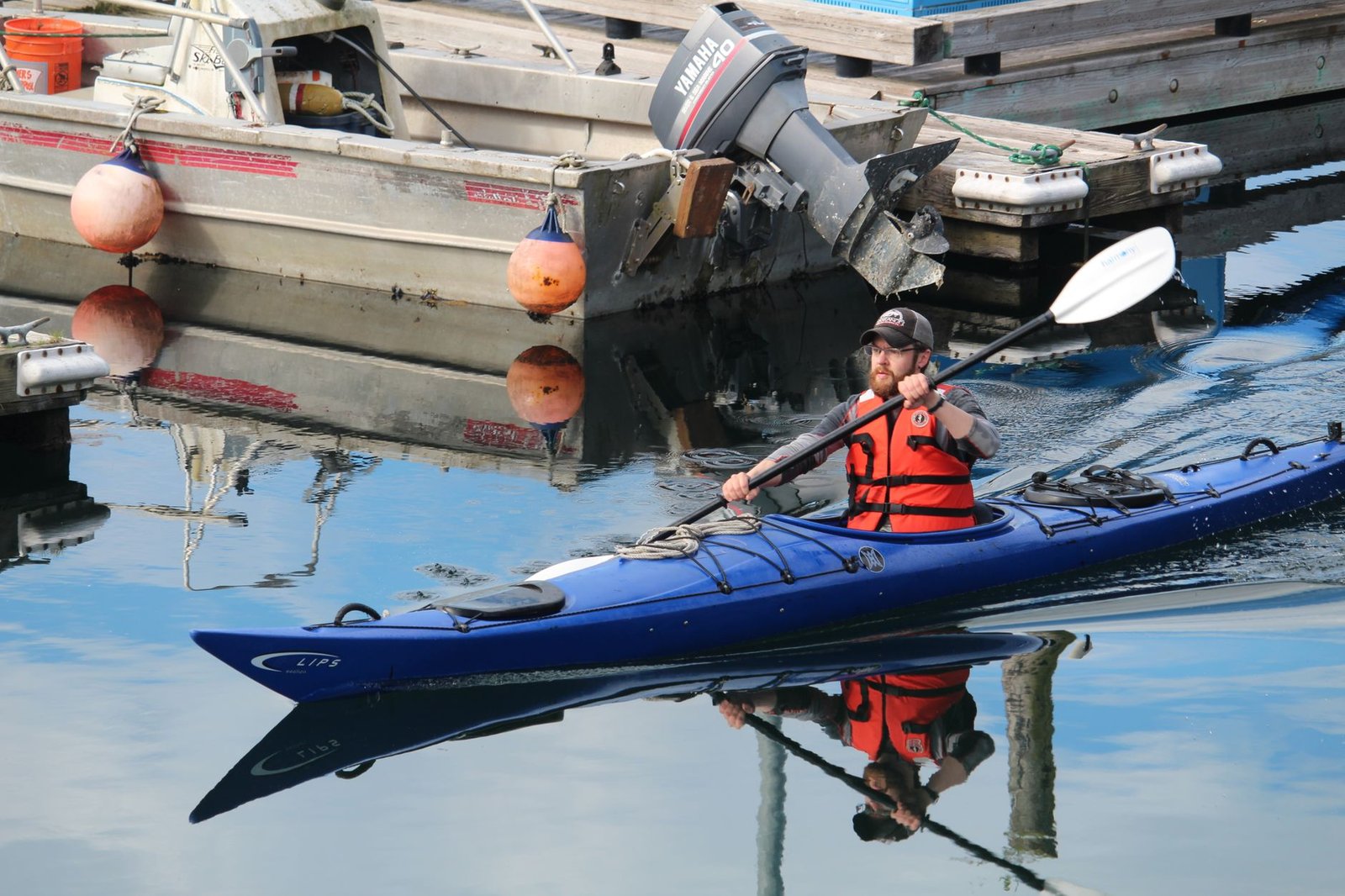
Commercial fishing, particularly for salmon and halibut, remains deeply embedded in Sitka’s identity and economy, supporting a fleet of independent fishermen alongside processing facilities that handle the catch, though the industry has faced pressure in recent years from fluctuating salmon returns tied to changing ocean conditions across the North Pacific.
Tourism, split between cruise ship day visitors and a smaller but more locally beneficial stream of independent travelers who stay overnight, has grown substantially, drawing on Sitka’s Russian colonial history, the Sitka National Historical Park, and access to genuinely spectacular Southeast Alaska wilderness and wildlife viewing.
What the Coast Guard Presence Actually Means Locally
The Less-Discussed Third Pillar
- Coast Guard Air Station Sitka provides a stable, well-paying federal employment base
- Military families rotating through the station add population stability independent of seasonal tourism swings
- The Coast Guard’s search and rescue mission directly serves the fishing fleet operating in dangerous waters
- Base personnel spending supports local retail and services year-round, unlike heavily seasonal tourism
Local economic planners have described the Coast Guard’s presence as an underappreciated stabilizing force in Sitka’s economy, providing a population and spending base that doesn’t fluctuate with salmon runs or cruise ship schedules the way the other two economic pillars inevitably do each season.
What makes Sitka’s economic structure genuinely fragile is how interdependent these three pillars have become: a bad salmon season affects fishing income, which affects local retail spending, which compounds any slowdown in tourism, while the town depends on the Coast Guard’s continued operational presence remaining stable through Pentagon budget cycles it has no local control over whatsoever.
The Longer-Term Trajectory
Longtime observers of this pattern note that the early years after a place or trend gains attention are rarely the ones that determine its lasting character. The more decisive period tends to arrive several years later, once the initial wave of interest either sustains itself through genuine infrastructure investment or fades as attention moves elsewhere, leaving behind whatever changes already took root during the busier years.
That delayed reckoning is precisely why comparisons across a full decade, rather than a single before-and-after snapshot, tend to produce a more accurate picture of what actually changed and what merely appeared to change while the cameras and headlines were still pointed in that direction.
Why This Keeps Getting Overlooked
Part of the reason this dynamic receives less attention than it probably deserves is structural: the initial story, whether a viral moment, a policy change, or a shift in travel patterns, is simply more compelling to cover than the slower, less dramatic process of adjustment that follows it over subsequent years, which rarely fits into a single headline or a short video.
That mismatch between what gets covered and what actually matters most to the people living through the change is a recurring feature of how places, trends, and communities get discussed publicly, and it tends to leave a persistent gap between popular perception and the more complicated reality on the ground.
What This Means Going Forward
The broader pattern here reflects something researchers and local officials increasingly track closely: the gap between how a place or trend is perceived from the outside and how it actually functions day to day for the people living inside it or making decisions about it. That gap rarely closes on its own, and it tends to widen further whenever outside attention, whether from tourism, media coverage, or social platforms, arrives faster than the underlying infrastructure or community capacity can absorb it.
What tends to happen next depends heavily on decisions made by the people closest to the situation, whether that means local governments, longtime residents, or the businesses that have to adapt fastest, and those decisions rarely get the same national attention as the initial trend or story that put the place on the map in the first place, even though they matter considerably more to how things actually turn out over the following decade.
The Longer-Term Trajectory
Longtime observers of this pattern note that the early years after a place or trend gains attention are rarely the ones that determine its lasting character. The more decisive period tends to arrive several years later, once the initial wave of interest either sustains itself through genuine infrastructure investment or fades as attention moves elsewhere, leaving behind whatever changes already took root during the busier years.
That delayed reckoning is precisely why comparisons across a full decade, rather than a single before-and-after snapshot, tend to produce a more accurate picture of what actually changed and what merely appeared to change while the cameras and headlines were still pointed in that direction.
Why This Keeps Getting Overlooked
Part of the reason this dynamic receives less attention than it probably deserves is structural: the initial story, whether a viral moment, a policy change, or a shift in travel patterns, is simply more compelling to cover than the slower, less dramatic process of adjustment that follows it over subsequent years, which rarely fits into a single headline or a short video.
That mismatch between what gets covered and what actually matters most to the people living through the change is a recurring feature of how places, trends, and communities get discussed publicly, and it tends to leave a persistent gap between popular perception and the more complicated reality on the ground.
What This Means Going Forward
The broader pattern here reflects something researchers and local officials increasingly track closely: the gap between how a place or trend is perceived from the outside and how it actually functions day to day for the people living inside it or making decisions about it. That gap rarely closes on its own, and it tends to widen further whenever outside attention, whether from tourism, media coverage, or social platforms, arrives faster than the underlying infrastructure or community capacity can absorb it.
What tends to happen next depends heavily on decisions made by the people closest to the situation, whether that means local governments, longtime residents, or the businesses that have to adapt fastest, and those decisions rarely get the same national attention as the initial trend or story that put the place on the map in the first place, even though they matter considerably more to how things actually turn out over the following decade.