Imperial Beach Is the Southernmost City in the Contiguous US. Most San Diegans Have Never Driven There.
We may earn money or products from the companies mentioned in this post. This means if you click on the link and purchase the item, I will receive a small commission at no extra cost to you ... you're just helping re-supply our family's travel fund.
Imperial Beach, a small city of roughly 27,000 people at the southwestern-most point of the continental United States, sits directly against the Mexican border, close enough that the Tijuana bullring is visible from the beach, yet most San Diego residents living just 20 minutes north have never made the drive down to see it.
A City Defined by Its Position at the Edge

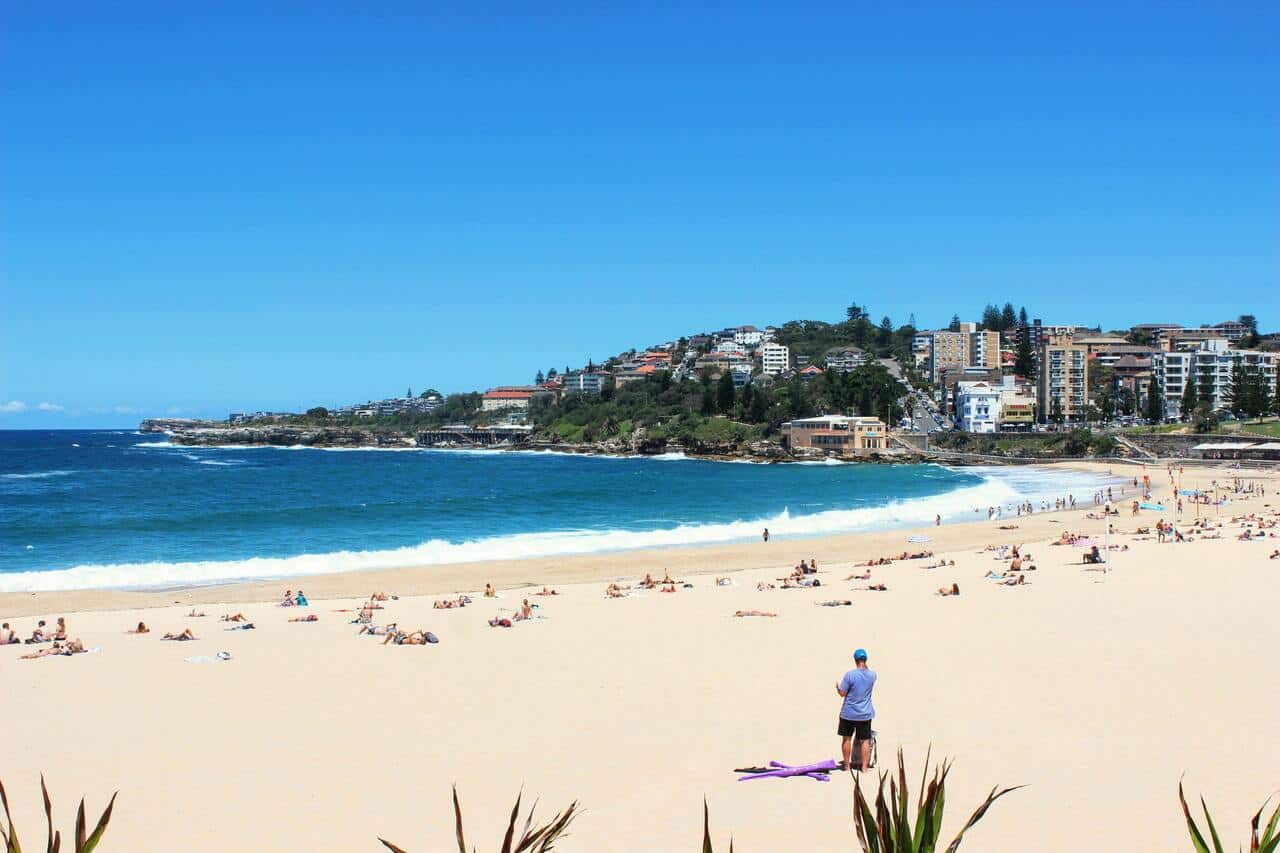
The city’s beach, while genuinely pleasant, has faced recurring water quality problems tied to sewage contamination flowing north from the Tijuana River, an ongoing binational infrastructure crisis that has periodically closed the beach for extended stretches and has become one of the most persistent environmental disputes along the entire US-Mexico border.
Despite the contamination issues, Imperial Beach has maintained a distinct identity as one of San Diego County’s more affordable coastal communities, drawing surfers and longtime working-class families who have been priced out of similarly beachfront property in La Jolla, Del Mar, or Coronado further north along the same coastline.
Why the City Stays So Overlooked
The Practical Reasons
- Recurring beach closures due to sewage contamination discourage casual tourism
- The drive from central San Diego, while short, crosses several less scenic industrial corridors
- Limited hotel and restaurant infrastructure compared to San Diego’s more established coastal towns
- The border fence itself, extending into the ocean, gives the area a starkly different visual identity than typical Southern California beach towns
Local officials have pushed for years for federal infrastructure investment to address the sewage contamination at its source, an issue that requires binational cooperation and funding commitments from both the United States and Mexico given that the pollution originates from inadequate wastewater infrastructure on the Tijuana side of the border.
What Imperial Beach represents is a genuinely unusual American coastal community, geographically part of one of the country’s most desirable coastlines yet economically and environmentally shaped by problems more commonly associated with border infrastructure disputes than with beach town tourism marketing.
The Longer-Term Trajectory
Longtime observers of this pattern note that the early years after a place or trend gains attention are rarely the ones that determine its lasting character. The more decisive period tends to arrive several years later, once the initial wave of interest either sustains itself through genuine infrastructure investment or fades as attention moves elsewhere, leaving behind whatever changes already took root during the busier years.
That delayed reckoning is precisely why comparisons across a full decade, rather than a single before-and-after snapshot, tend to produce a more accurate picture of what actually changed and what merely appeared to change while the cameras and headlines were still pointed in that direction.
Why This Keeps Getting Overlooked
Part of the reason this dynamic receives less attention than it probably deserves is structural: the initial story, whether a viral moment, a policy change, or a shift in travel patterns, is simply more compelling to cover than the slower, less dramatic process of adjustment that follows it over subsequent years, which rarely fits into a single headline or a short video.
That mismatch between what gets covered and what actually matters most to the people living through the change is a recurring feature of how places, trends, and communities get discussed publicly, and it tends to leave a persistent gap between popular perception and the more complicated reality on the ground.
What This Means Going Forward
The broader pattern here reflects something researchers and local officials increasingly track closely: the gap between how a place or trend is perceived from the outside and how it actually functions day to day for the people living inside it or making decisions about it. That gap rarely closes on its own, and it tends to widen further whenever outside attention, whether from tourism, media coverage, or social platforms, arrives faster than the underlying infrastructure or community capacity can absorb it.
What tends to happen next depends heavily on decisions made by the people closest to the situation, whether that means local governments, longtime residents, or the businesses that have to adapt fastest, and those decisions rarely get the same national attention as the initial trend or story that put the place on the map in the first place, even though they matter considerably more to how things actually turn out over the following decade.
The Longer-Term Trajectory
Longtime observers of this pattern note that the early years after a place or trend gains attention are rarely the ones that determine its lasting character. The more decisive period tends to arrive several years later, once the initial wave of interest either sustains itself through genuine infrastructure investment or fades as attention moves elsewhere, leaving behind whatever changes already took root during the busier years.
That delayed reckoning is precisely why comparisons across a full decade, rather than a single before-and-after snapshot, tend to produce a more accurate picture of what actually changed and what merely appeared to change while the cameras and headlines were still pointed in that direction.
Why This Keeps Getting Overlooked
Part of the reason this dynamic receives less attention than it probably deserves is structural: the initial story, whether a viral moment, a policy change, or a shift in travel patterns, is simply more compelling to cover than the slower, less dramatic process of adjustment that follows it over subsequent years, which rarely fits into a single headline or a short video.
That mismatch between what gets covered and what actually matters most to the people living through the change is a recurring feature of how places, trends, and communities get discussed publicly, and it tends to leave a persistent gap between popular perception and the more complicated reality on the ground.
What This Means Going Forward
The broader pattern here reflects something researchers and local officials increasingly track closely: the gap between how a place or trend is perceived from the outside and how it actually functions day to day for the people living inside it or making decisions about it. That gap rarely closes on its own, and it tends to widen further whenever outside attention, whether from tourism, media coverage, or social platforms, arrives faster than the underlying infrastructure or community capacity can absorb it.
What tends to happen next depends heavily on decisions made by the people closest to the situation, whether that means local governments, longtime residents, or the businesses that have to adapt fastest, and those decisions rarely get the same national attention as the initial trend or story that put the place on the map in the first place, even though they matter considerably more to how things actually turn out over the following decade.