What Is Life Like Living Permanently on Board a Cruise Ship?
We may earn money or products from the companies mentioned in this post. This means if you click on the link and purchase the item, I will receive a small commission at no extra cost to you ... you're just helping re-supply our family's travel fund.
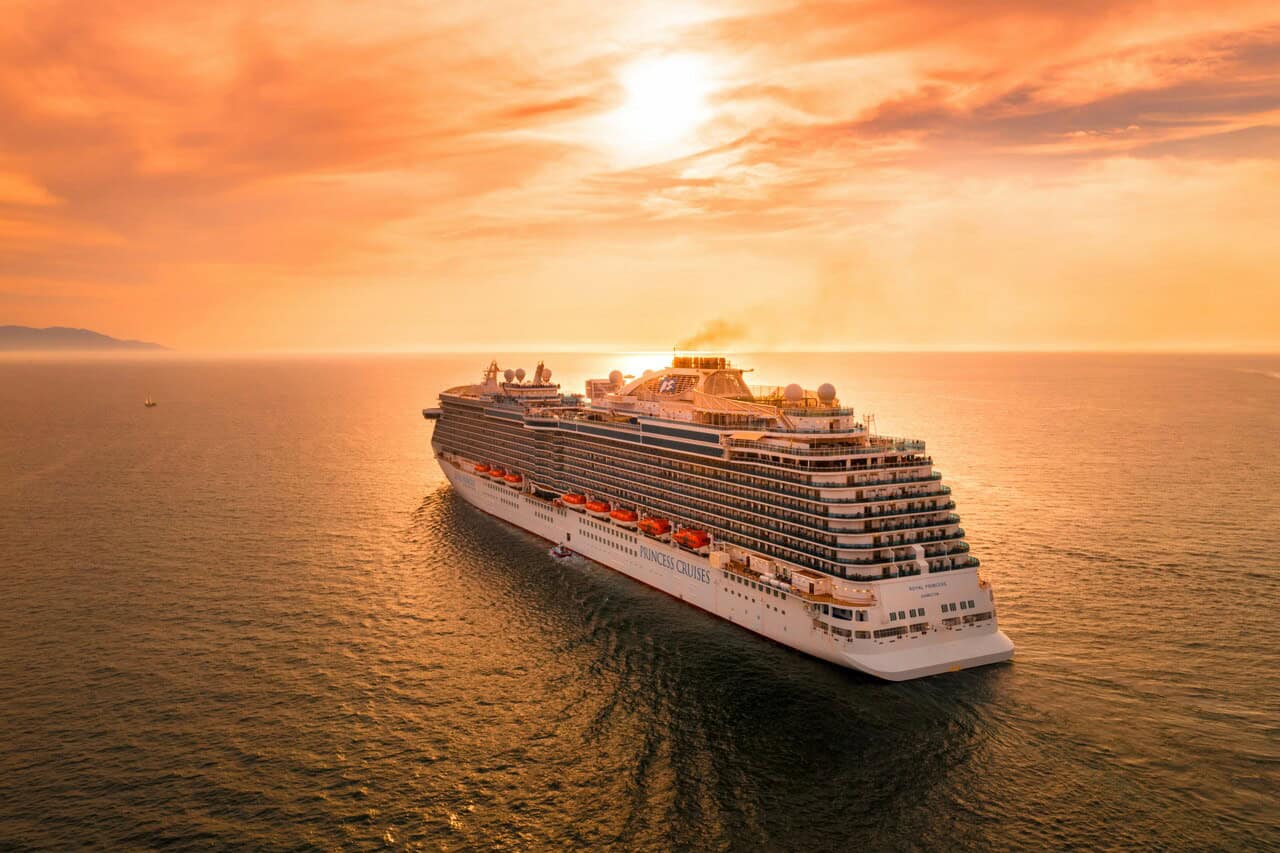
For a small but growing number of people, a cruise ship is no longer a holiday escape but a permanent address. Some retirees, remote workers, and full-time travelers are choosing cabins over condos and ocean horizons over city skylines. Life at sea offers movement, convenience, and built-in community, but it also comes with trade-offs that aren’t obvious from glossy brochures. Here is a detailed, realistic look at what daily life is truly like when the ship never stops being home.
1. Daily Routine and Living Space
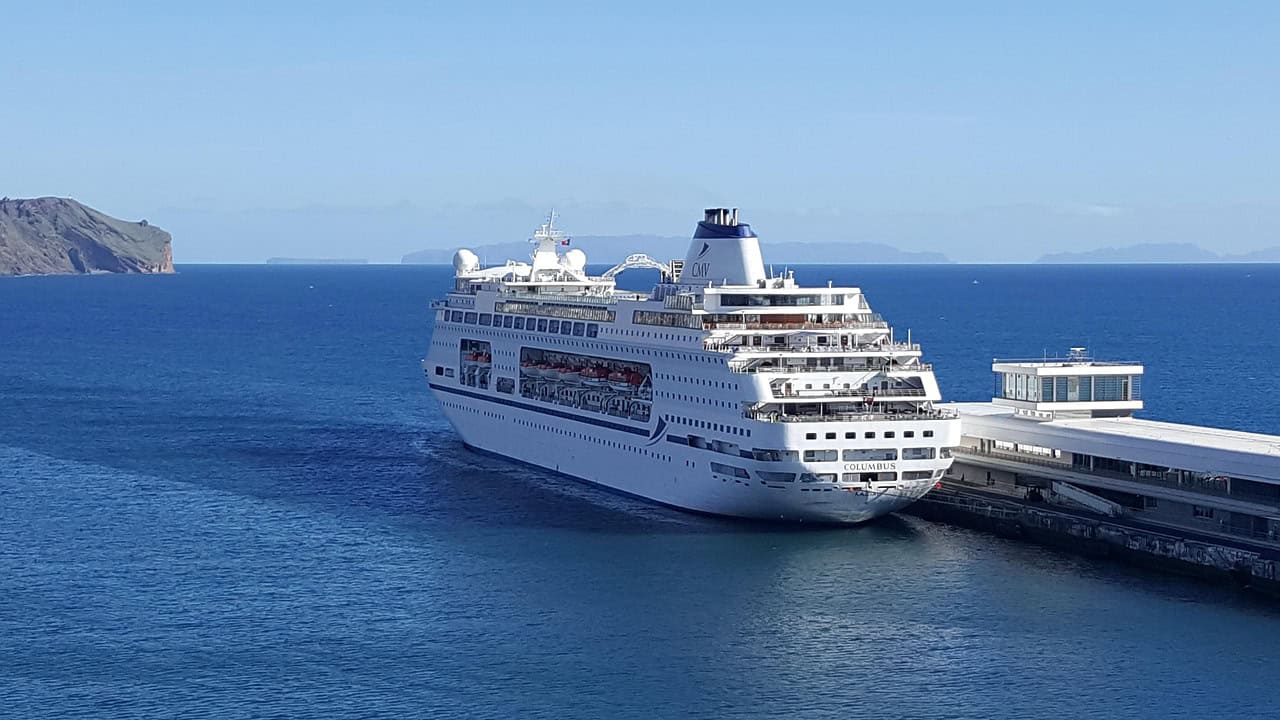
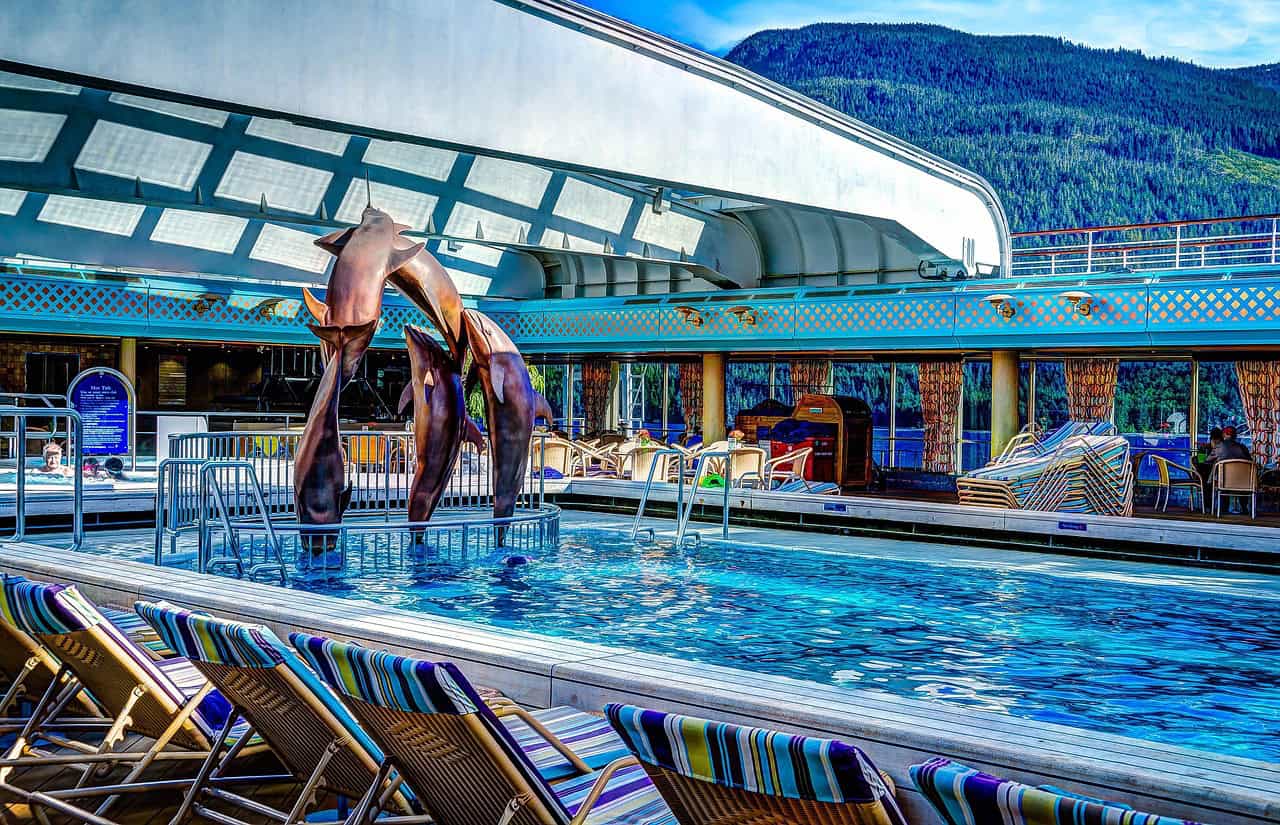
Life onboard quickly settles into rhythm. Most full-time residents live in cabins ranging from 150 to 400 square feet, while luxury residential ships may offer apartments exceeding 1,000 square feet. Housekeeping typically services rooms once or twice daily, and meals are available across 3 to 10 dining venues depending on ship size. Days often begin with breakfast overlooking open water, followed by fitness classes, lectures, or shore excursions. While storage is limited to a few wardrobes and under-bed compartments, clever organization becomes second nature within weeks.
2. Financial Reality and Costs
Contrary to popular belief, permanent cruising is not always cheaper than land living. Standard long-term cruising can cost between $30,000 and $70,000 per year for an inside or balcony cabin, depending on itinerary and cruise line. Luxury residential vessels may require multi-million-dollar apartment purchases plus annual maintenance fees exceeding $200,000. However, these figures often include meals, utilities, entertainment, and housekeeping. When compared to urban living costs, property taxes, insurance, and groceries, some retirees find the bundled pricing financially predictable and surprisingly manageable.
3. Community and Social Life
Ships are naturally social environments, carrying anywhere from 1,500 to over 5,000 passengers at a time. Long-term cruisers often form tight-knit circles within weeks, attending trivia nights, wine tastings, and enrichment talks together. On extended world voyages lasting 100 to 180 days, familiar faces quickly become daily companions. However, passenger turnover can be frequent on standard cruises, which means friendships sometimes last only 7 to 14 days. Those who thrive tend to be outgoing and adaptable, embracing constant introductions rather than seeking permanent neighborhood stability.
4. Travel Experience and Port Life
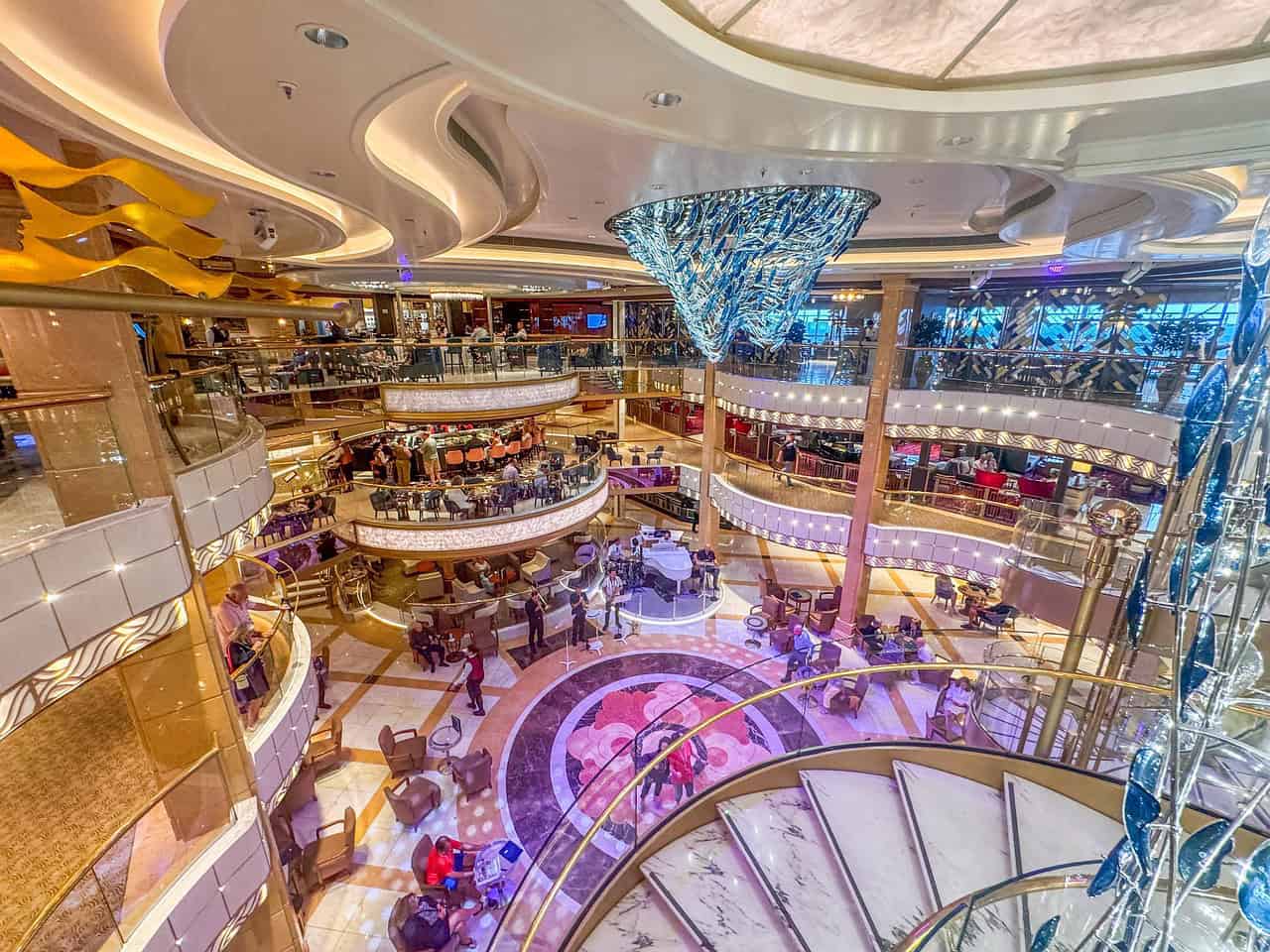
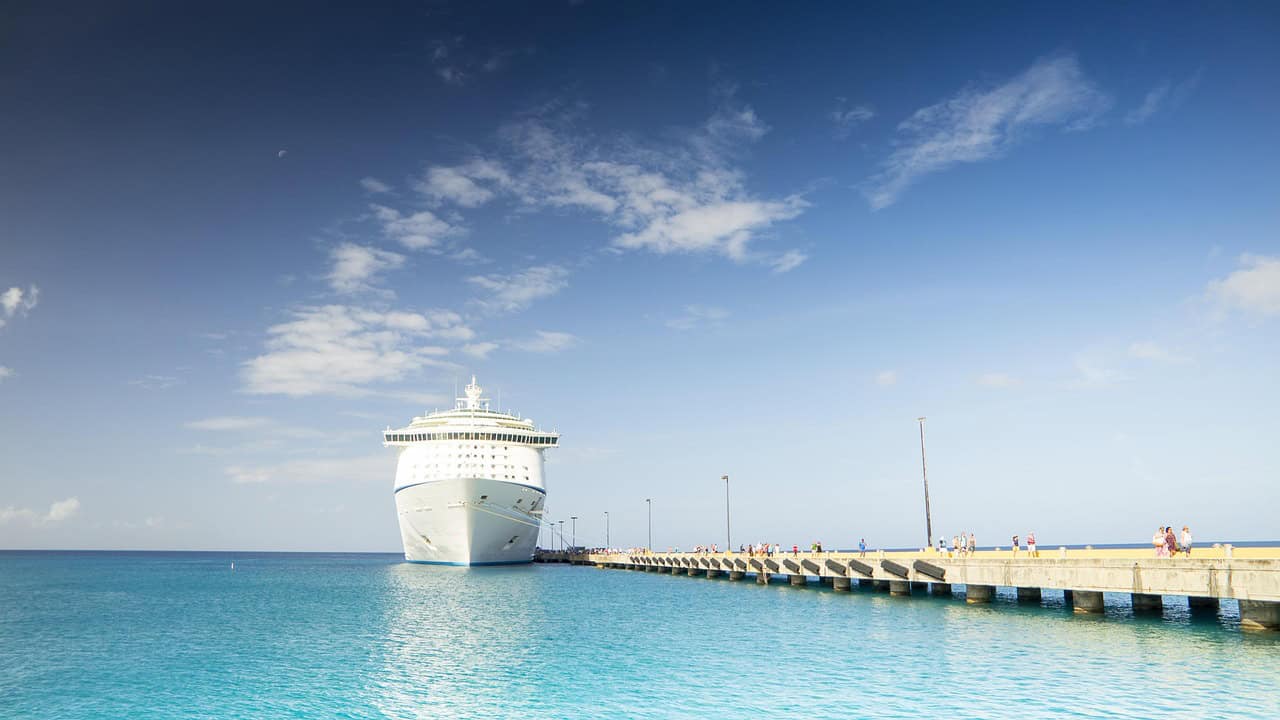
One of the greatest advantages is waking up in a new destination every few days. Major cruise ships may visit 40 to 60 ports annually, spanning multiple continents in a single year. Residents can explore Mediterranean cities one month and Caribbean islands the next without ever packing a suitcase. Shore excursions range from $50 walking tours to $500 private cultural experiences. While port stays usually last 8 to 12 hours, extended world cruises occasionally offer overnight calls, allowing deeper immersion beyond the typical tourist schedule.
5. Health, Comfort, and Long-Term Challenges
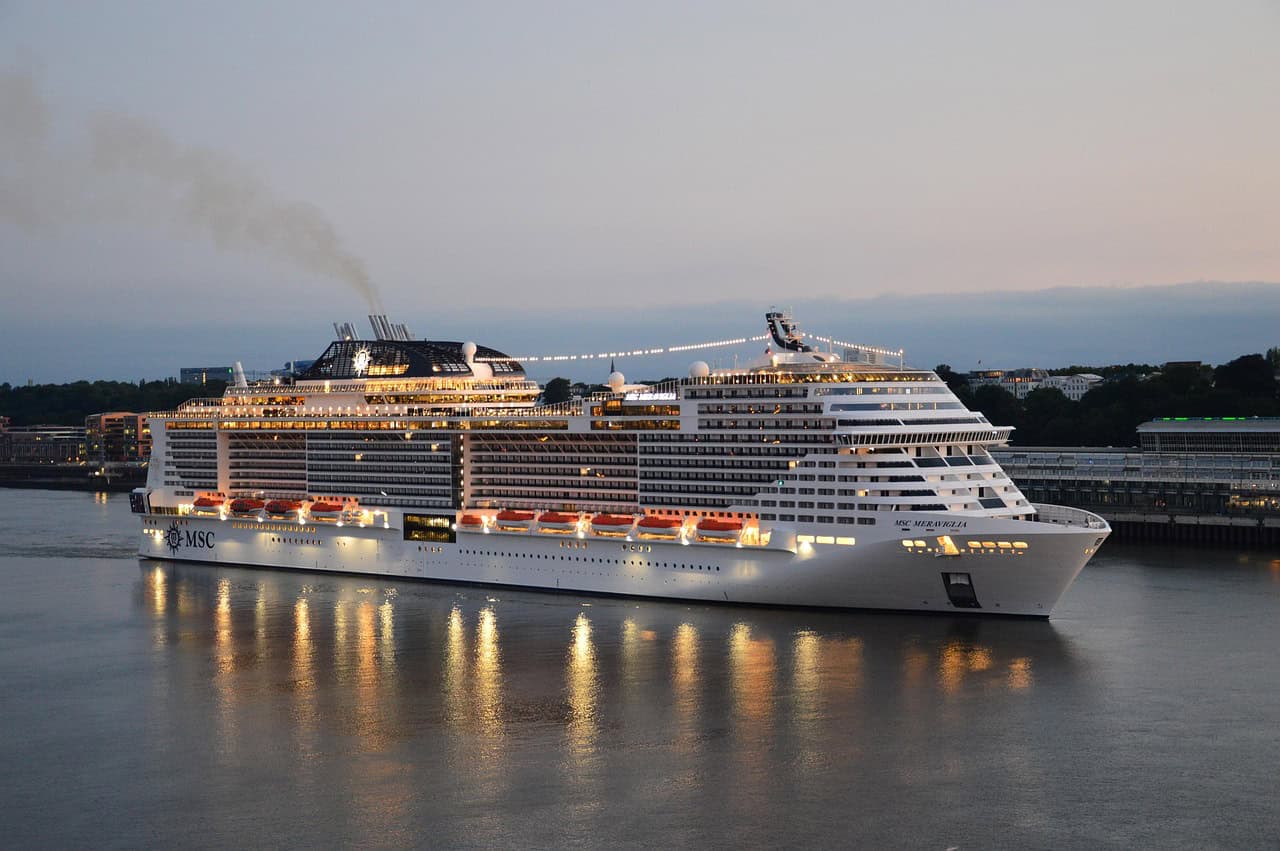
Modern cruise ships include medical centers staffed by licensed doctors and nurses, but they are not full-scale hospitals. Serious emergencies may require evacuation to the nearest port, sometimes costing tens of thousands of dollars without insurance. Internet packages can range from $15 to $30 per day, with speeds improving but still inconsistent mid-ocean. Motion sensitivity affects roughly 10% of passengers in rough seas, though stabilizers reduce discomfort significantly. Over time, some residents report missing private outdoor space, family milestones, and the grounding effect of a permanent hometown.