Visiting Selma’s Landmark Bridge? Its 1965 Legacy Is Powerful—but It Isn’t an Economic Solution
We may earn money or products from the companies mentioned in this post. This means if you click on the link and purchase the item, I will receive a small commission at no extra cost to you ... you're just helping re-supply our family's travel fund.
The Selma Edmund Pettus Bridge, in Selma, Alabama, is one of the most important places in the American civil rights story. On March 7, 1965, about 600 marchers heading for Montgomery were beaten and tear-gassed by state troopers and local posse members at the foot of the bridge, an event known as Bloody Sunday. Images of the violence shocked the country and helped push Congress to pass the Voting Rights Act in August of that year.
Visitors come to walk across the bridge and see the sites around it, and that is worth doing. But the legacy of 1965, powerful as it is, has not been an economic solution for Selma, a city of roughly 17,000 that has lost many of its jobs and much of its population. Here is the history, what to see, and why heritage tourism cannot do that work alone.
Why the Selma Edmund Pettus Bridge Is Not an Economic Solution
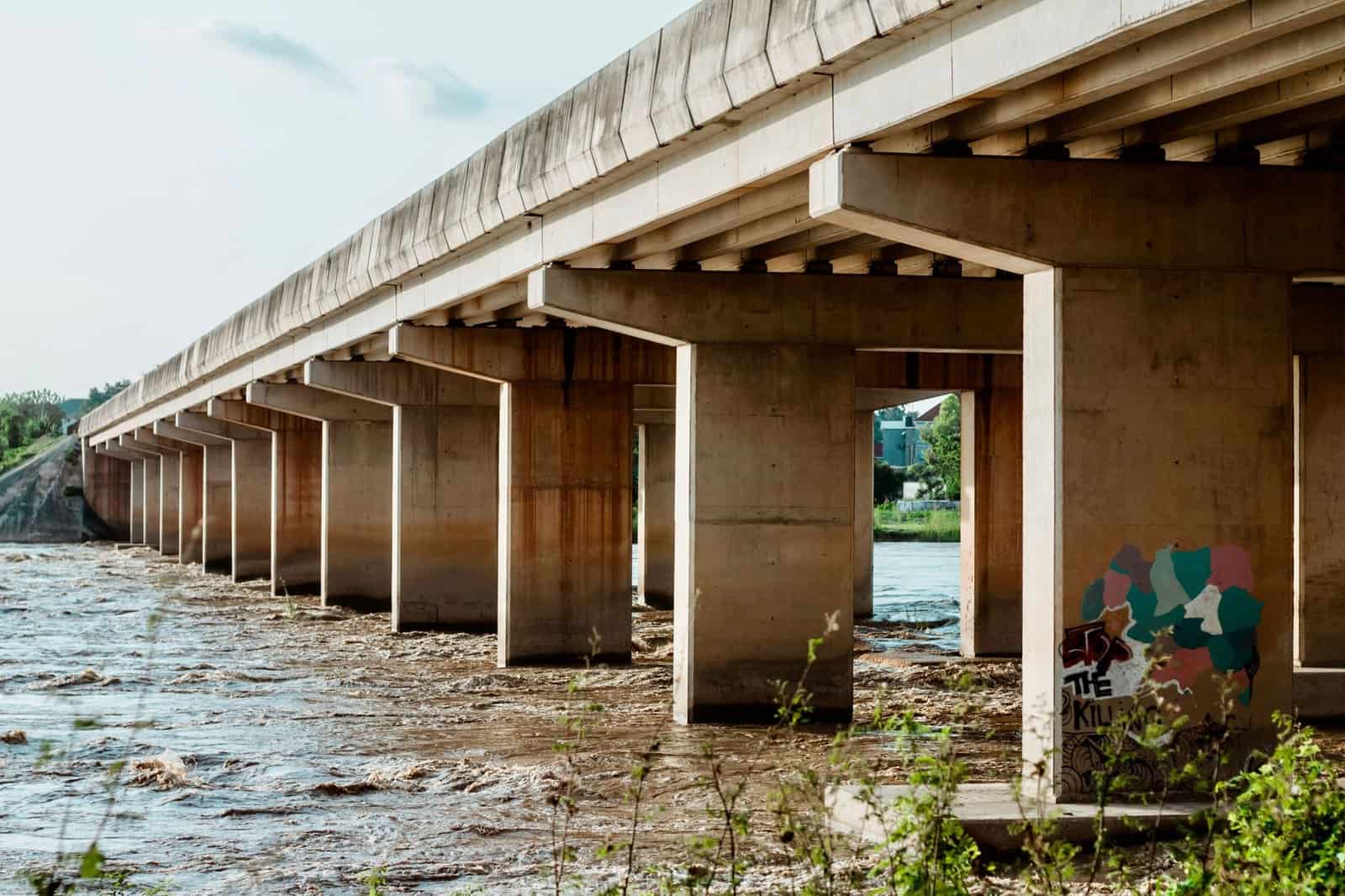
The bridge crosses the Alabama River on U.S. 80 and was built in 1940. It is named for Edmund Pettus, a Confederate general, U.S. senator and Alabama Ku Klux Klan leader, a name that many people have long argued should be changed. For many visitors, the contrast between the name and the history made there is part of the story.
The marches of 1965 came out of a campaign for voting rights led locally by organizations such as the Dallas County Voters League and the Student Nonviolent Coordinating Committee, and by Dr. Martin Luther King Jr. and the Southern Christian Leadership Conference. After Bloody Sunday, two more marches followed, and on March 21, about 3,200 people set out from Selma toward Montgomery, arriving four days later with some 25,000 supporters at the state capitol.
What tourism can and cannot do
Heritage tourism helps. Visitors come for the annual Bridge Crossing Jubilee in early March, for school groups, for church trips and for individual pilgrimages, and they spend money at hotels, restaurants and shops. The National Park Service administers the Selma to Montgomery National Historic Trail, and the town has an interpretive center and museums.
But the scale is limited. A few thousand visitors on one weekend, and smaller numbers the rest of the year, cannot replace the hundreds of jobs that disappeared when plants closed and when Craig Air Force Base shut down in 1977. Tourism jobs also tend to be seasonal and lower paid, and many visitors come for a few hours and leave for Montgomery or Birmingham. The result is a city whose most famous landmark brings attention but not enough income.
The Economy Selma Lost
Selma was once a regional center for cotton, manufacturing and the military. Craig Air Force Base employed thousands of people, and its closure was a heavy blow. Manufacturing plants later closed or shrank, and the population fell from around 28,000 in 1970 to about 17,000 today. Poverty rates are far above the national average, and the median household income is well below the state’s.
City leaders, nonprofits and churches have tried to rebuild with federal grants, business recruitment and downtown improvement. Progress has been slow, and challenges include aging infrastructure, a weak tax base and limited access to capital. The history draws visitors, but the economic engine has to come from elsewhere, including manufacturing, health care, education and small business.
What to See in Selma
A visit works best if you plan for a full day or an overnight stay, and if you treat the sites as places of memory rather than photo stops.
- The Edmund Pettus Bridge: Walk across it, ideally in the morning when it is quieter. Markers and monuments explain the events, and you can stand where the marchers turned back.
- National Voting Rights Museum and Institute: Located at the foot of the bridge, it holds artifacts and stories of the movement, with a volunteer staff that includes people who were there.
- Selma Interpretive Center: Run by the National Park Service, it offers exhibits and a film on the march.
- Brown Chapel AME Church: The starting point for the marches and a working church, on Sylvan Street, with a monument to Dr. King nearby.
- Old Live Oak Cemetery and the Historic Water Avenue district: For a view of earlier history and a few restaurants.
- Civil Rights Memorial and sites in Montgomery: An hour’s drive east, extending the story.
Etiquette and respect
These are places where real events occurred and where residents live. Dress and behave respectfully, ask before photographing people and follow guidance at churches and memorials. If you attend a service at Brown Chapel, arrive calmly and understand that you are a guest in a community of worship, not an exhibit.
Costs and Practical Details
Selma is inexpensive. Hotel rooms in town commonly run $80 to $130 a night, and rates rise around the Jubilee in March, when rooms can sell out months ahead. Restaurants are modest, with plates of barbecue, fried catfish and Southern sides costing $10 to $18. Admission to museums is low, and the park service sites are often free. Many visitors stay in Montgomery, about 50 miles east, or in Birmingham, about 90 miles north.
Plan for heat in summer, with highs in the 90s and humidity. March and November are comfortable. Check hours before you go, because some sites close on Sundays or Mondays and may have reduced hours in the off-season.
How Visitors Can Help
If you want your visit to support the city, you can do more than snap a photo on the bridge.
- Stay at least one night in town, and eat at locally owned restaurants.
- Visit museums and pay admission or donate.
- Buy from local shops and artists.
- Learn about local organizations working on voting rights, education and economic development, and consider supporting them.
- Read more about the movement, including the role of local activists such as Amelia Boynton Robinson and Marie Foster, who organized in Selma long before the march drew national attention.
A Walk Through the Story
If you have half a day, a simple route makes the history clear. Begin at the Selma Interpretive Center, where exhibits and a film provide context on the voter registration campaign and the marches. Walk to Brown Chapel AME Church, where marchers gathered, and stand on the steps to imagine the scene on March 7. Then follow the route toward the bridge, about half a mile, as the marchers did, and stop at the markers along the way.
At the bridge, walk slowly. The steel arch rises over the Alabama River, and the walkway offers a view of the water and the downtown. On the far side, a historic marker notes where the troopers waited. Cross back and visit the National Voting Rights Museum, which sits at the foot of the bridge. Many volunteers there are foot soldiers of the movement, and conversations with them are a highlight for many visitors.
The Jubilee and other events
The Bridge Crossing Jubilee, held each year around the first weekend of March, is the largest annual event. It draws thousands, including elected officials, activists, church groups and students, and includes services, parades, concerts and a symbolic crossing of the bridge. If you want to attend, book lodging months ahead, and expect crowds, road closures and long lines. Many visitors prefer quieter weekdays at other times of year.
What Selma Needs From Visitors and Beyond
Selma’s leaders have said that heritage tourism is part of the answer but not all of it. Residents want jobs, stronger schools, better health care and investment in infrastructure. Visitors can help by being informed. Read local news, learn about the issues the community faces and support businesses and organizations that hire locally.
Policy also matters. The voting rights Selma helped secure remain a live issue, and debates about access to the ballot continue. Many visitors leave with a stronger sense of what was won in 1965 and what remains unfinished. That awareness is perhaps the most valuable thing a trip to Selma can deliver, and it does not cost anything extra.
Beyond Selma: Extending the Trip
The Selma to Montgomery National Historic Trail follows U.S. 80 for about 54 miles, and driving it is a good way to connect the two cities. Along the route, in Lowndes County, the Lowndes County Interpretive Center in White Hall tells the story of the march’s middle days and the tent city that sheltered families evicted for registering to vote. In Montgomery, the Rosa Parks Museum, the Legacy Museum and the National Memorial for Peace and Justice add context on the movement and the history of racial violence, and the Alabama State Capitol marks the end of the march.
If you can, give yourself two days for the corridor. A morning in Selma, an afternoon on the trail and an evening in Montgomery make a strong first day, and a second day in Montgomery completes the picture. The distances are short, but the material is heavy, so leave time to rest and reflect.
The Bigger Picture
Selma’s story is a reminder that historical significance and economic prosperity do not always travel together. A place can be central to the nation’s memory and still struggle to provide jobs and opportunity. For visitors, that gap is part of the lesson. The bridge honors a victory won through great sacrifice, but the work of building a prosperous, equitable city continues.
Come to Selma with humility and curiosity. Walk the bridge, visit the museums, listen to the people who live there and spend your money locally. The legacy of 1965 is powerful, and it is made more meaningful when visitors understand that it is not enough on its own.