The Great Plains Looks Like the Budget Escape—Until Distance Becomes the Cost You Didn’t Price In
We may earn money or products from the companies mentioned in this post. This means if you click on the link and purchase the item, I will receive a small commission at no extra cost to you ... you're just helping re-supply our family's travel fund.
The Great Plains look like the budget escape. Motel rooms in Nebraska run $80 to $120, dinner in a Kansas town costs $14, and nobody charges you to look at the horizon. Then you open the map and realize the nearest attraction is 180 miles away, the next town with a hotel is 90 miles after that, and the rental car you booked is billing by the day. On a Great Plains budget trip, distance is the cost you did not price in.
This article puts real numbers on that, so you can judge whether the trip is a bargain for your plan, and shows how to keep it that way.
Why a Great Plains Budget Trip Costs More Than the Room Rates Suggest
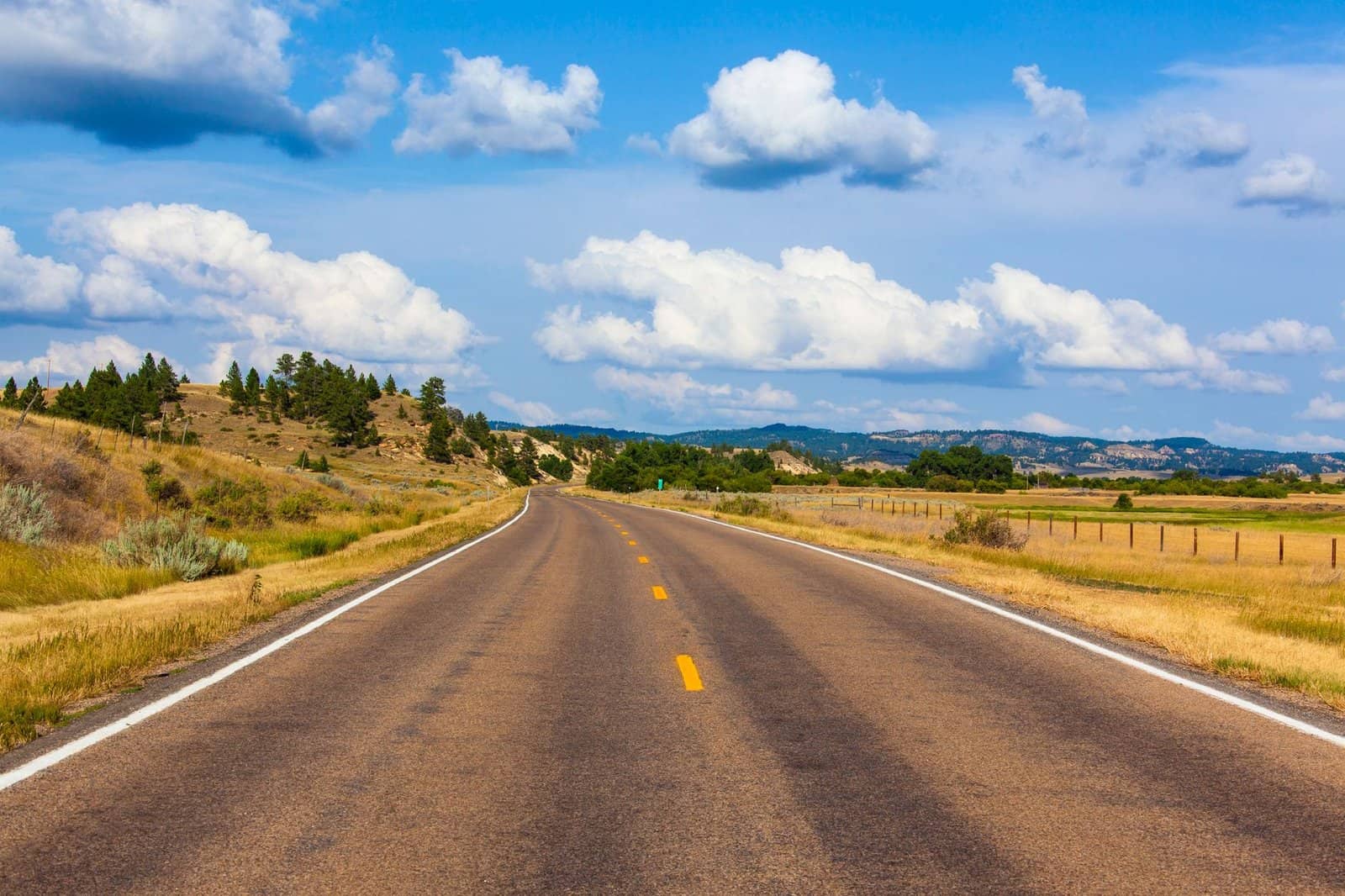
The Great Plains stretch from Texas to Canada across Kansas, Nebraska, the Dakotas and parts of Oklahoma, Montana and Wyoming. Population density is among the lowest in the lower 48. Many counties have fewer than five residents per square mile, and some have fewer than two. That emptiness is why the land feels vast and why prices are low: there are few people to compete for rooms, meals or land.
But the same emptiness spreads attractions far apart. Badlands National Park is about 75 miles from Rapid City. From there, Mount Rushmore is 25 miles away, Wind Cave about 55, and the Black Hills a short hop beyond. From Omaha to North Platte is about 280 miles, and from North Platte to Scottsbluff another 180. You do not visit this region; you drive across it.
The math of distance
Take a typical week with a rental car. A compact SUV costs $55 to $85 a day, or $385 to $595 for seven days, plus insurance and taxes. If you drive 300 miles a day, which is easy on the Plains, you cover 2,100 miles. At 28 miles per gallon and $3.30 a gallon, fuel costs about $250. Add a one-way drop fee, which can run $100 to $300 or more, and car costs alone reach $750 to $1,100.
Lodging at $90 a night adds $630. Food at $45 a day adds $315. Attractions, park fees and tips might add $100 to $200. A week for one traveler easily comes to $1,800 to $2,300, and for two people sharing a car and room it is closer to $2,400 to $3,200. That is respectable value, but it is not the rock-bottom trip the room rates suggest.
Costs People Forget
Several line items catch travelers out.
- Airfare to small airports: Flights into Rapid City, Sioux Falls, Bismarck or Scottsbluff often cost more than into Denver or Minneapolis, because small airports have limited competition. Many travelers fly into a hub and drive.
- One-way rental fees: A pickup in Denver and dropoff in Omaha can cost far more than a round trip.
- Gas stops: Service stations can be 50 miles or more apart in some areas, which forces you to fill earlier and sometimes to pay more.
- Time: A 300-mile day can take five or six hours of driving, which leaves less time for seeing things. Time spent behind the wheel has its own cost.
- Weather: Winter blizzards and spring thunderstorms can force an extra night in a motel.
Where the Plains Really Are Cheap
The savings are real in the places where you stop. Motel rooms in small-town Nebraska and Kansas commonly cost $70 to $110. Cafés serve a chicken-fried steak plate for $12 to $16. State parks charge $5 to $10 for entry and $15 to $30 to camp. Museums are modest and free parking is almost universal.
A few places reward the stop:
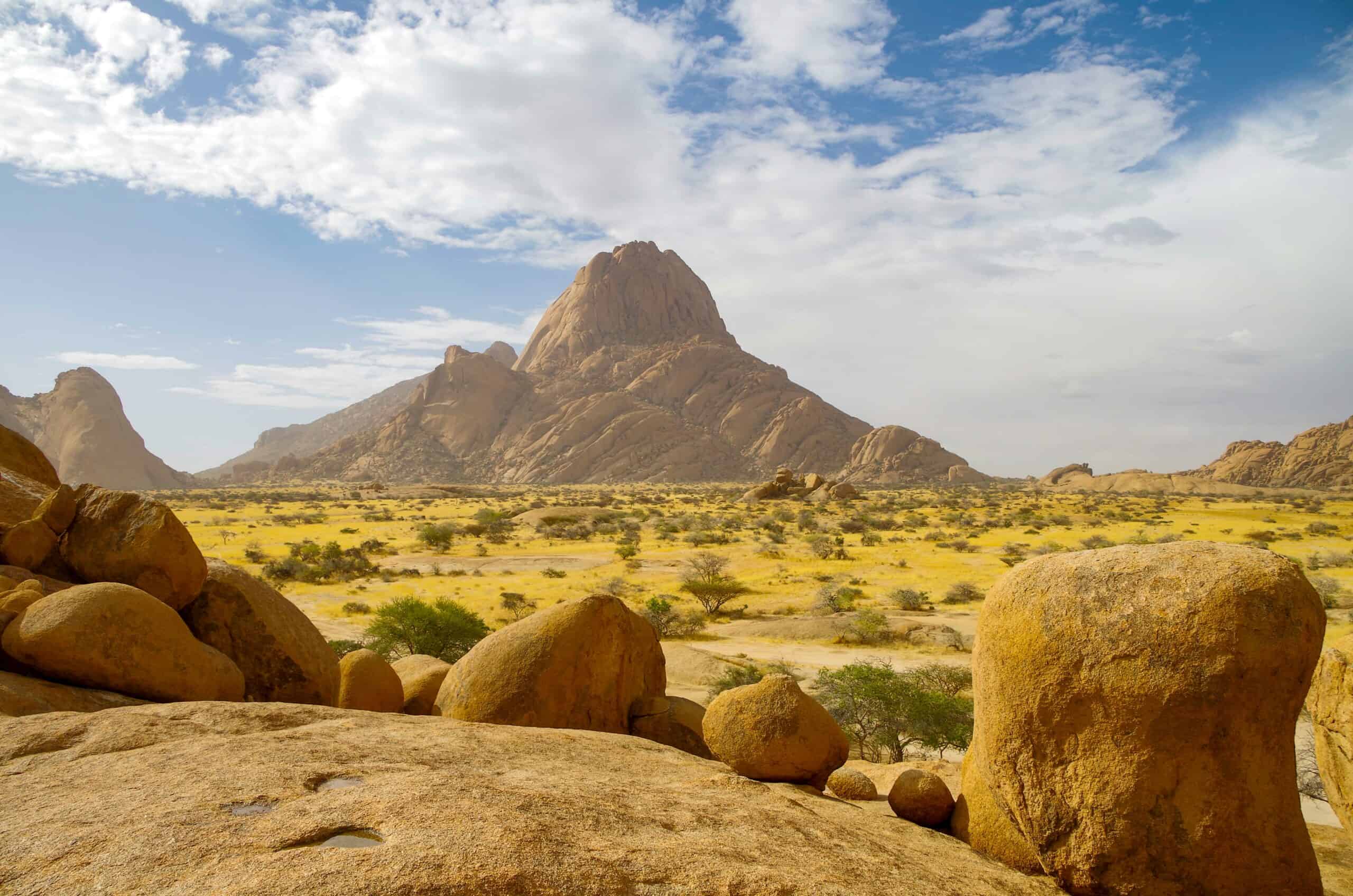
- Badlands National Park, South Dakota: Dramatic eroded buttes, fossil beds and a 31-mile loop road, with an entry fee of about $30 per vehicle.
- Theodore Roosevelt National Park, North Dakota: Rugged badlands, wild horses and bison, with a 36-mile scenic loop in the South Unit.
- Scotts Bluff National Monument, Nebraska: A prominent bluff on the Oregon Trail, with a drive to the summit and trails.
- Flint Hills in Kansas: Rolling tallgrass prairie with scenic drives and few crowds.
- Black Hills, South Dakota: Mount Rushmore, Custer State Park and Wind Cave, popular and more expensive in July and August.
Cheap does not mean empty-handed
Many of the best experiences in the Plains are free: sunsets, wildlife viewing, wide gravel roads, small-town museums and cafés. A trip built around those costs little. The discipline is to resist adding a long detour for one more attraction, since each extra 100 miles costs time and money.
How to Keep the Trip Cheap
You can cut the distance cost with a few tactics:
- Use a base. Choose two or three towns and take day trips, rather than moving every night. Fewer lodging changes save time and reduce miles.
- Cluster stops. Pair attractions that are near each other, such as Badlands and the Black Hills, instead of driving across the whole region.
- Fly smart. Compare fares to regional hubs, and consider a round trip to avoid one-way fees.
- Drive a fuel-efficient car. A hybrid or compact can save $100 or more on a long trip.
- Split costs. Traveling with a partner or friends divides the car, lodging and fuel.
- Go in shoulder season. May, September and early October bring mild weather and lower rates, with fewer closures than winter.
Safety and preparation
Distances demand preparation. Keep the tank above half, carry water, a phone charger and a paper map, and tell someone your route. Cell coverage can vanish for stretches, and roadside help may take an hour or more to arrive. In winter, carry a blanket and snacks, check road conditions and be willing to stop.
Is It Still a Bargain?
For many travelers, yes, if the plan is realistic. The Plains deliver big landscapes, small crowds and low prices for lodging and food. A trip built around a single region, a rental car for a week and a few well-chosen stops can cost less than a comparable trip to a coastal tourist area.
The mistake is assuming that low prices make for an easy itinerary. Without accounting for distance, you may end up spending a fifth of your budget on fuel and a fifth of your time in the car. With it, you get a trip that feels spacious and unhurried, and you arrive back home with money to spare.
A Sample Week and What It Costs
Consider a seven-day loop for two people that starts in Rapid City, South Dakota. Fly into Rapid City or drive from Denver, and rent a mid-size car. On day one, visit Badlands National Park and sleep in Wall. On day two, drive to Custer State Park and the Needles Highway, a 14-mile scenic road, and stay in Custer. On day three, see Mount Rushmore and Crazy Horse and spend a second night. On day four, drive to Devils Tower in Wyoming and sleep in Sundance or Spearfish. Days five and six, head to Theodore Roosevelt National Park in North Dakota, about 300 miles away. Day seven, return toward Rapid City or fly out of Bismarck.
The total driving is around 1,300 miles, fuel is about $150 to $180, lodging is about $100 to $140 a night depending on the season, and park fees total roughly $60 to $90. For two people, the trip comes to around $1,800 to $2,600 including a rental car. That is not cheap in absolute terms, but it covers some of the most dramatic landscape in the country.
Compare it with a coastal week
A week in a coastal tourist area might cost $3,500 to $6,000 for two, driven mostly by hotel rates. The Plains trip does cost less, but it also asks for more driving and offers less nightlife and fewer restaurants. Whether that trade is a bargain depends on what you want from a vacation.
Planning Tips From the Road
A few habits make long distances easier. Start early, since the best light and the least traffic come in the morning. Schedule a break every two hours, and use small-town cafés and museums as stops. Keep a cooler with water and snacks, because many towns close restaurants by 8 p.m. Download offline maps, and keep a printed list of lodging in case your phone fails.
Finally, plan with slack. A single flat tire or a cattle drive on the road can add an hour or two. If your schedule has no margin, the distance will turn into stress. If it has some, the long roads become part of the experience: pronghorn on the shoulder, grain elevators on the horizon and a sky that takes up two-thirds of the view.
When the Plains Cost Less Than You Think
It is fair to say that the Plains are cheaper than most vacation regions, and some trips need no car at all. Amtrak’s Empire Builder crosses North Dakota and Montana, and a handful of small towns can be explored on foot, such as Medora, North Dakota, at the edge of Theodore Roosevelt National Park, or Deadwood, South Dakota, with its historic main street. Camping and cabins at state parks stretch a budget further, and many parks offer free or low-cost interpretive programs.
Another good strategy is to buy an America the Beautiful pass if you plan to visit several national parks and monuments. At roughly $80 a year, it pays for itself after about three park entries, and it covers the car and its passengers. Check the current price and rules before you buy, and remember that state parks have separate fees.
The Bottom Line
The Great Plains reward travelers who plan around distance. Price the miles, choose fewer stops and keep a cushion for surprises. Do that and the horizon really is cheap. Skip it, and the road will charge you for the view.