Craters of the Moon’s Loop Road Closes to Cars Every Winter. Here’s What It Turns Into
We may earn money or products from the companies mentioned in this post. This means if you click on the link and purchase the item, I will receive a small commission at no extra cost to you ... you're just helping re-supply our family's travel fund.
Every winter, Craters of the Moon National Monument and Preserve in central Idaho closes its seven-mile Loop Road to cars. Instead of a scenic drive, it becomes a groomed ski and snowshoe trail across lava flows and cinder cones buried in snow. Visiting Craters of the Moon in winter means trading your car for skis or snowshoes and seeing a black volcanic landscape turned white.
According to the National Park Service, the Loop Road is typically closed to motorized travel between mid-November and mid-April so that it can build a good base of snow for skiing and snowshoeing. The road is usually groomed regularly for cross-country skiing and snowshoeing starting around January. The groomed portion is about seven miles round trip, with mostly level terrain or gentle hills.
Winter at Craters of the Moon starts as early as November and lasts through March, the NPS says, because of the park’s latitude and its elevation of about 5,900 feet. Here is what to expect.
What the Loop Road turns into at Craters of the Moon in winter
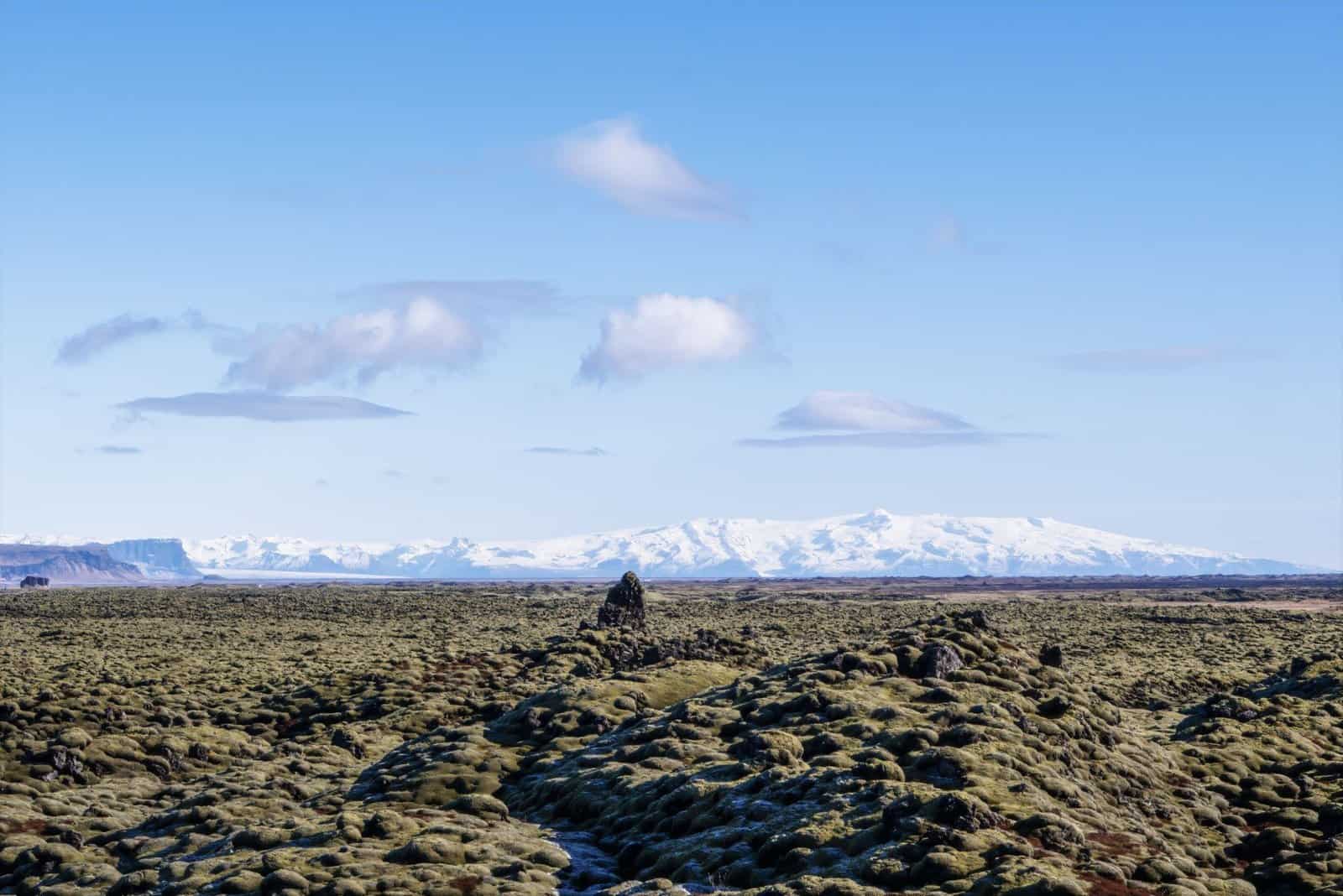
When the Loop Road closes, motor vehicles are not permitted beyond the visitor center parking lot. From there, visitors ski, snowshoe, or hike in designated tracks along the road. No snow clearing takes place on the Loop Road, so it stays covered all winter.
The NPS grooms the road weekly as conditions and staffing allow, usually from January to March. The groomed route follows the Loop Road past some of the park’s best-known features, giving you a slow, quiet tour of the lava fields. There is one steep hill on the southwest side of Inferno Cone that requires extra care.
What you see along the way
The Loop Road normally takes drivers past lava flows, cinder cones, spatter cones, and lava tubes. In winter, you see many of the same sights from your skis or snowshoes:
- North Crater Flow: A lava flow with jagged, ropy, and blocky lava textures, partly covered in snow.
- Inferno Cone: A tall cinder cone with a steep climb and wide views of the Snake River Plain and the Pioneer Mountains. In winter, the climb up the cone is more difficult and should be attempted only with care.
- Spatter Cones: Small volcanic vents formed by blobs of lava. They hold snow in interesting ways.
- Devils Orchard: An area of lava fragments and twisted trees along a short nature trail.
The quiet is one of the biggest draws. Without cars, the only sounds are wind, your own breathing, and the crunch of snow.
Do the caves stay open?
Craters of the Moon is famous for its lava tube caves, like Indian Tunnel and Boy Scout Cave. In winter, the cave area is reached via the Loop Road, so you would need to ski or snowshoe several miles to get there. Caves may also be closed or require a free permit depending on the season and conditions, and ice can make them hazardous.
Check with the visitor center before planning a winter cave trip. Most winter visitors focus on skiing and snowshoeing rather than caving.
Why Craters of the Moon looks the way it does
Craters of the Moon sits on the Great Rift, a series of deep cracks in the Earth’s crust that runs across southern Idaho. Lava erupted from the rift in a series of episodes, with the most recent eruptions about 2,000 years ago, creating a landscape of lava flows, cinder cones, and other volcanic features that covers hundreds of square miles.
President Calvin Coolidge established Craters of the Moon National Monument in 1924. In 1969, Apollo astronauts visited the area to learn about volcanic geology before going to the moon. The name came from the landscape’s resemblance to the lunar surface, though the moon’s craters were mostly formed by impacts rather than volcanoes.
Planning a winter visit
A winter trip to Craters of the Moon takes some planning. Here are the basics.
Getting there
The park sits on U.S. Highway 20/26/93 between the towns of Arco and Carey in central Idaho. It is about 18 miles southwest of Arco, roughly 90 miles from Idaho Falls, and about three hours from Boise. Highways in the area are generally plowed, but winter storms can make driving hazardous. Check Idaho’s 511 road conditions before you go.
Gear
You will need your own skis or snowshoes. Some parks offer gear loans, but do not count on it here. Rent gear in Idaho Falls, Boise, Sun Valley, or another nearby town before you arrive. Bring:
- Cross-country skis or snowshoes.
- Warm, layered clothing and waterproof outerwear.
- A hat, gloves, and sunglasses or goggles.
- Water, snacks, and a thermos of something hot.
- A map and a way to navigate.
- Sunscreen, since sun reflecting off snow at elevation is intense.
Weather
Winter weather at Craters of the Moon can be harsh. Strong winds are common on the Snake River Plain, and temperatures can drop well below zero. Snow depth varies from year to year. Some winters bring deep snow and excellent conditions, while others are thin, leaving lava exposed and making skiing difficult.
Check the NPS current conditions page for updates on snow depth, grooming, and road status before you go.
Visitor center
The Robert Limbert Visitor Center is open year-round, though hours are often shorter in winter. Stop in for maps, exhibits, and information about current conditions. Rangers may lead guided snowshoe walks on some winter weekends, depending on staffing and snow.
Safety on the lava
Skiing or snowshoeing over lava requires caution. Snow can hide sharp rocks and holes, and thin snow over lava can damage skis. Stay on the groomed Loop Road or designated tracks unless you are experienced in backcountry travel.
A few safety tips:
- Do not ski or snowshoe off-trail onto lava unless snow is deep and you have experience.
- Watch for steep slopes, especially near Inferno Cone.
- Be prepared for sudden weather changes and strong winds.
- Tell someone your plans and expected return time.
- Carry extra layers, food, and water.
Camping in winter
The Lava Flow Campground near the visitor center is generally open for camping, but in winter, facilities and services are limited. Some sites may be accessible only on foot or by ski. Winter campers should be self-sufficient and prepared for extreme cold and wind.
Backcountry camping in the wilderness area requires a free permit. Winter backcountry travel at Craters of the Moon is for experienced visitors only.
Pairing Craters of the Moon with nearby towns
A winter trip to Craters of the Moon pairs well with other central Idaho stops:
- Arco: In 1955, Arco became the first community in the world to be lit by electricity generated from nuclear power, from a nearby experimental reactor. A sign in town notes the distinction.
- Experimental Breeder Reactor I: The reactor site, now a National Historic Landmark east of Arco, is a museum open seasonally, typically in summer.
- Sun Valley and Ketchum: About 90 minutes northwest, Sun Valley offers downhill and Nordic skiing, plus lodging and dining.
- Idaho Falls: A larger city with lodging, food, and gear rentals, about 90 minutes east.
Check seasonal hours before visiting any attraction in winter, since some close or reduce hours.
When to go
For the best chance of a groomed track, plan your visit between January and March. November and December can bring snow, but the Loop Road may not have a deep enough base for grooming until later in the season. Early spring can still offer good conditions, but snow may melt quickly on warmer days.
If snow is thin, you can still walk along the closed Loop Road, though conditions may be icy or rocky. Bring traction devices for your boots.
Why go in winter?
Winter at Craters of the Moon is quiet. Many summer visitors come for the caves and the scenic drive, but in winter, the park sees far fewer people. The black lava against white snow creates striking contrasts, and the silence across the Snake River Plain can be remarkable.
For cross-country skiers and snowshoers, the groomed Loop Road offers a gentle, scenic route that is unlike anything else in the region. You are skiing past volcanoes in a landscape that once trained astronauts.
A sample winter day
Leave Idaho Falls or Sun Valley in the morning after checking road conditions. Stop at the visitor center for a snow and grooming update. Ski or snowshoe out along the Loop Road toward the North Crater Flow and Devils Orchard, then continue toward Inferno Cone if conditions and energy allow. Turn around with plenty of daylight left, since winter days are short and temperatures fall quickly after the sun drops. Warm up in Arco with a hot meal before the drive back.
The bottom line
The Loop Road at Craters of the Moon typically closes to cars from mid-November to mid-April. In its place, the NPS grooms about seven miles of route for skiing and snowshoeing, usually from January to March, through lava flows and past cinder cones. Bring your own gear, check conditions, and dress for wind and cold, and you will see one of Idaho’s strangest landscapes in its most unusual season.