Don’t Judge a Destination’s Food Safety by Its Reputation—Water, Handling, and Access Matter More for Tourists
We may earn money or products from the companies mentioned in this post. This means if you click on the link and purchase the item, I will receive a small commission at no extra cost to you ... you're just helping re-supply our family's travel fund.
A destination’s food safety reputation is a poor guide to what will happen to your stomach. Places with a bad reputation can have excellent street food, and places with a good one can still send travelers to the bathroom. What matters more for tourists is the water, how food is stored and handled, and how easily you can get care if something goes wrong.
Here is how to judge a destination’s food safety on the details that matter, how to eat well almost anywhere and what to carry in case you get sick.
What Matters More Than a Destination’s Food Safety Reputation
Reputation is built on anecdotes, outbreaks, headlines and old stereotypes. It rarely reflects the specific restaurant, stall or hotel where you will eat. It also ignores how your own body works. Travelers’ diarrhea, the most common travel illness, is commonly estimated by the U.S. Centers for Disease Control and Prevention to affect somewhere between 30 and 70 percent of travelers, depending on the destination and the traveler. It is most frequent in parts of Asia, Africa, the Middle East and Latin America, but it is not limited to them. Most cases are caused by bacteria such as E. coli, spread through contaminated food or water. A traveler’s gut often lacks the immunity that locals have built up, so the same meal can affect a visitor and not a resident.
That is why the useful questions are practical. Is the water safe? How is food kept, cooked and served? And what is your access to care if you get sick?
Water
Water is the first variable. In many places, tap water is not treated to the standard visitors are used to, or the pipes are old enough to allow contamination. Ice, brushing teeth, rinsing produce and fountain drinks can carry the same risks as drinking water.
- Check local advice. Embassy and health agency pages note whether tap water is considered safe.
- Choose sealed bottled water or boil water for at least one minute, longer at altitude.
- Use a filter or purification tablets when hiking or in remote areas, and make sure the product covers bacteria, viruses and protozoa.
- Avoid ice unless you know it was made from safe water. In many restaurants that serve tourists, ice is commercially made, but you cannot always tell.
- Wash your hands, and use hand sanitizer when soap is not available.
Even in wealthy countries, water can be unreliable after floods, storms or infrastructure failures, and boil-water notices are not rare in the United States. Check local news.
Handling and temperature
The second variable is how food is handled. Pathogens thrive in the temperature range between roughly 40 and 140 degrees Fahrenheit, which is why food that sits on a counter is riskier than food cooked to order. Cross-contamination, such as cutting raw meat and salad on the same board, is another source.
A simple rule used by travel medicine guides is to eat food that is cooked and served hot, avoid raw foods unless you can peel them and be careful with anything that has been sitting out. Fresh food that is prepared in front of you, at high temperature, is often safer than a buffet in a fancy hotel with trays that sit for hours.
Access
The third variable is access to care. The seriousness of food poisoning depends on what happens after you get sick. If you can drink fluids, rest and find a pharmacy or clinic, most cases pass in a few days. In places where medical care is distant, you need more preparation.
- Know the location of the nearest clinic or hospital before a trip to a remote area.
- Carry oral rehydration salts, which are cheap and effective.
- Ask your doctor about medication to carry, such as antibiotics for severe cases and anti-diarrheal medicine, and about when to use them.
- Buy travel insurance that covers medical care and evacuation if you are going to remote places.
- Check vaccines. Hepatitis A and typhoid vaccines are recommended for many destinations.
Judging a Restaurant or Stall
Rather than judging a whole country, judge a plate. A few signs help.
- Busy places with high turnover often have fresher food, and locals eating there is a good sign.
- Food cooked to order and served hot is safer than food at room temperature.
- Look at the cooking area. Are surfaces clean, and is raw food separated from cooked?
- See how staff handle money and food. Gloves or tongs are better than bare hands, though not a guarantee.
- Check refrigeration. A cooler with a lot of dairy or seafood in the sun is a warning.
- Avoid cut fruit, salads and unpasteurized dairy where water safety is in doubt.
- Eat shellfish only where it is clearly fresh, and be cautious with raw fish and eggs.
Street food is not the enemy
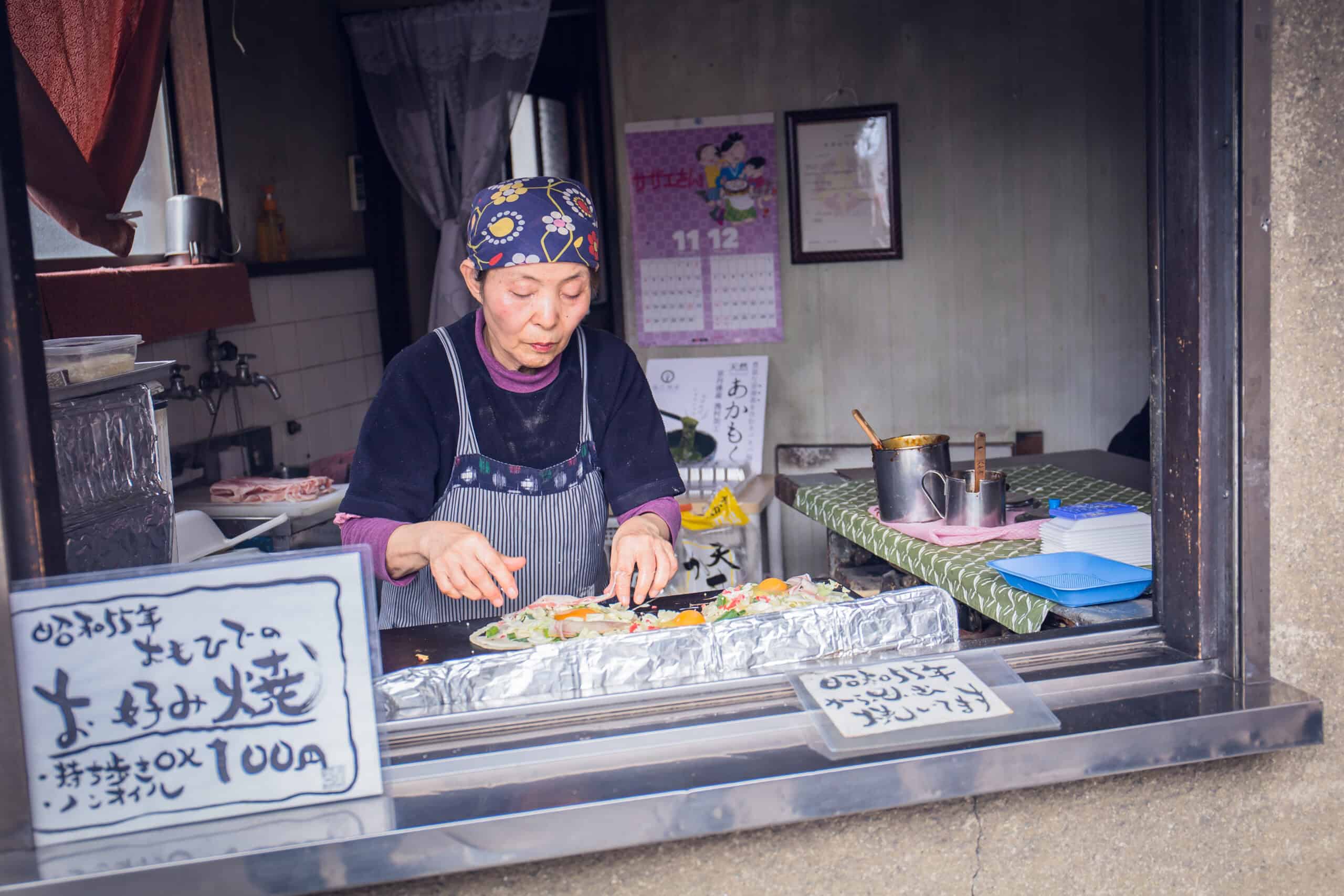
Street food gets a bad reputation, but in many cities it is among the safest food, because it is cooked quickly at high heat and sold fast to a line of customers. A busy stall with a grill and a steady crowd can be better than a quiet restaurant with a long menu. The risk lies in the side dishes: sauces, chopped vegetables and drinks.
Common Mistakes
- Trusting a fancy setting. Expensive restaurants can have the same problems with water and handling.
- Brushing your teeth with tap water while avoiding it for drinking.
- Eating a salad because it seems healthy. Raw vegetables washed in unsafe water carry risk.
- Ignoring your own health. Weakened immune systems, pregnancy, age and certain medications increase the risk.
- Not drinking enough when ill. Dehydration is the major danger.
What to Do if You Get Sick
Most cases pass in two to four days. Rest, drink plenty of fluids with oral rehydration salts, and eat bland foods when you can. Seek medical help if you have a high fever, blood in your stool, severe abdominal pain, signs of dehydration such as dizziness and very dark urine, or symptoms that last more than a few days. Children, older adults and people with chronic conditions should get help sooner.
When your trip is at stake
Consider building slack into the schedule for the first days, so that a bad meal does not wreck a long-planned tour. Keep a small kit in your bag with rehydration salts, hand sanitizer, any medicines your doctor recommended and a copy of your insurance details.
Why Reputation Fails as a Guide
Reputation tends to be built from three things that are weakly related to your risk. The first is old news. A city that had an outbreak years ago can carry the label long after it has improved, and a place with a clean image can have problems that go unreported. The second is stereotype. Many people assume that wealthy countries are safe and poorer ones are dangerous, but outbreaks of food poisoning happen in both. The third is the experience of a single traveler, which says more about that person’s meal than about the place.
What outbreaks teach
Public health agencies track foodborne illness in every country, including the United States, where the CDC estimates that tens of millions of people get sick from food each year. Salmonella, norovirus, E. coli and listeria show up in restaurants, groceries and homes everywhere. Cruise ships, resorts, weddings and buffets are common outbreak settings. The lesson is not that anywhere is unsafe, but that handling matters wherever you are.
The role of immunity
Locals build tolerance to the bacteria in their environment. A traveler’s gut has not, so the same meal that a resident eats safely every day can make you sick. This is one reason that even careful travelers get ill. It also explains why eating where locals eat helps in some ways, since you are getting food that is regularly turned over, but does not make you immune to the effects.
Planning Ahead for Your Gut
A little preparation reduces risk and worry.
1. Visit a travel clinic or your doctor four to six weeks before an international trip to discuss vaccines and medications. 2. Ask about hepatitis A and typhoid vaccines, which are recommended for many destinations, and about cholera in specific areas. 3. Discuss whether you should carry an antibiotic for travelers’ diarrhea, and how to use it. 4. Buy travel insurance that includes medical care and, if needed, evacuation. 5. Pack oral rehydration salts, a small thermometer, hand sanitizer and any regular medications. 6. Check government health advisories for your destination, which note outbreaks and water safety.
Food allergies and special diets
If you have a food allergy, safety means something additional. Learn the words for your allergen in the local language, carry translation cards and ask about cooking oils and sauces. Be cautious in places where cross-contact is common, and carry your medications, including epinephrine, in your hand luggage.
Eating in hotels and resorts
All-inclusive resorts and buffets feel safe, but large-scale food service has its own risks, especially when dishes sit out in warm rooms. Choose hot dishes that are steaming, avoid items that appear to have been out for a long time and skip salads and ice if the water is questionable. Ask whether the property uses filtered water for ice and drinks.
Reading the Signals on the Ground
A few observations tell you more than any reputation.
- Does the place smell clean, and are the cooking areas visible?
- Do locals eat there, and does the food move quickly?
- Is the water served in sealed bottles or from a filter?
- Are restrooms clean? Bathrooms often signal how well a kitchen follows hygiene rules.
- Do staff wash hands, use utensils and keep raw and cooked items separate?
- Is there a posted inspection grade, where that applies?
None of these guarantees safety, but together they give you a much more reliable picture than a country’s reputation.
The Takeaway
A destination’s food safety reputation tells you little about your meal. Look at the water, at how food is cooked and handled and at how quickly you could get help. Eat hot, busy and fresh, drink safe water, and bring a plan for the rare time it goes wrong. Done well, you can enjoy a country’s food with confidence, wherever you go.