A Restaurant Can Have 10,000 Reviews and Still Be a Tourist Trap—These Operational Red Flags Matter More Than Its Star Rating
We may earn money or products from the companies mentioned in this post. This means if you click on the link and purchase the item, I will receive a small commission at no extra cost to you ... you're just helping re-supply our family's travel fund.
A restaurant can have 10,000 reviews and a 4.5-star average and still be a tourist trap. Review volume mostly measures how many people walked past and how many were asked to leave a comment, not how good the food is or how fairly the bill is built. Tourist trap restaurant red flags show up in operations, such as how the staff greet you, how the menu is written and how the check is calculated.
This guide explains why stars mislead and which red flags to check before you sit down, with simple tests you can run in a minute on a busy street.
Operational Red Flags That Matter More Than Star Ratings
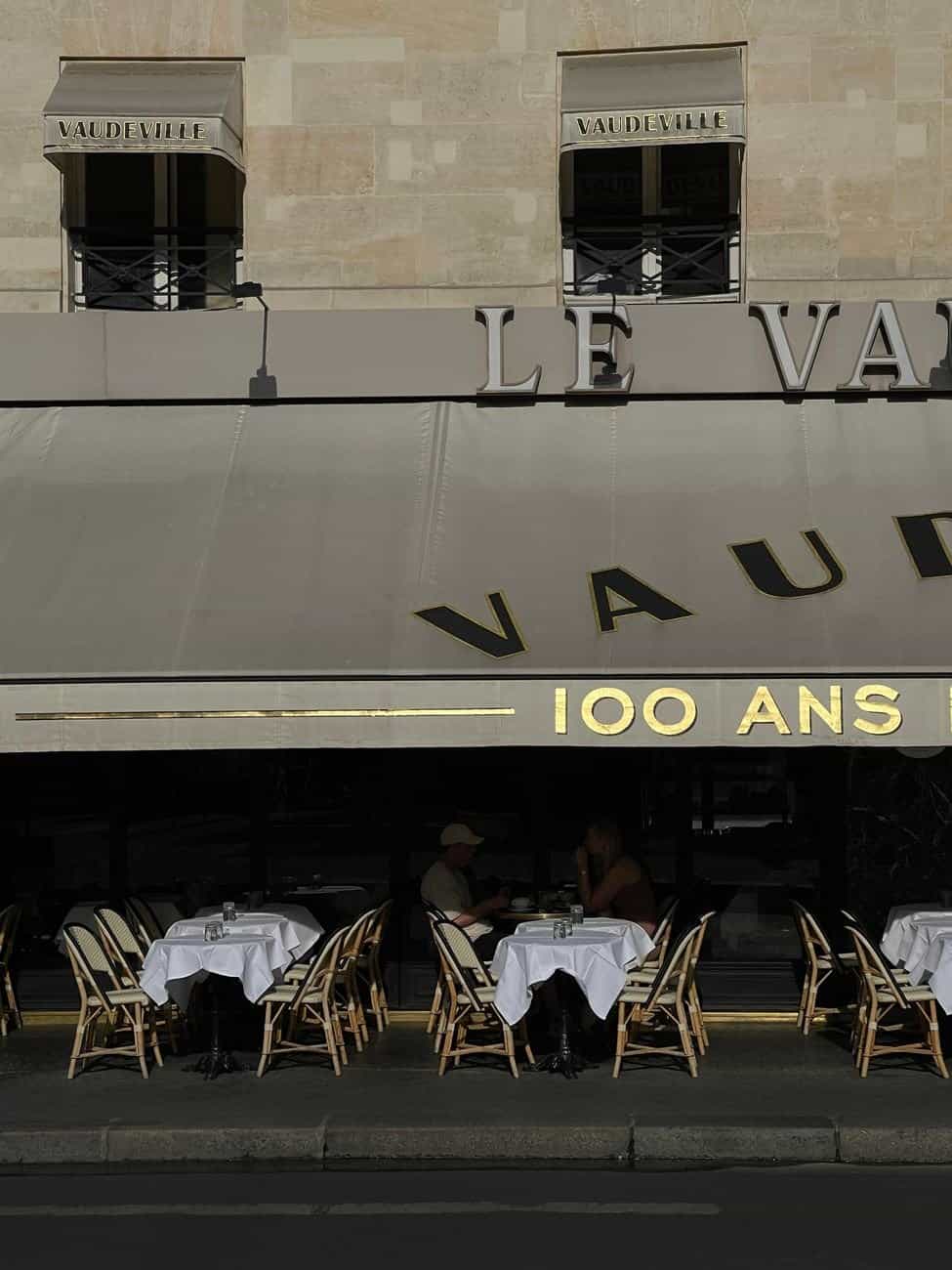
Tourist traps exist because of location. A restaurant next to a famous monument gets thousands of walk-in customers who will never return, so it does not have to earn repeat business. Its income depends on volume, on high margins and on turning tables quickly, not on reputation among residents. That is why a place can collect thousands of reviews and still serve mediocre food.
Stars add to the problem. Many reviewers rate a meal on atmosphere, view or friendly service rather than value, and a restaurant that gives a free drink or a smile can earn five stars for a mediocre plate. Reviews are also written by visitors who have nothing local to compare with. The count is high because the pool of potential reviewers is enormous.
How review counts mislead
- Volume follows foot traffic. A place at a ferry terminal will collect more reviews than a great restaurant two streets away.
- Platforms reward volume. A restaurant with many reviews ranks higher in search, which brings more visitors and more reviews.
- Incentives distort. Some restaurants ask for reviews at the table, offer discounts or hire services, and the result is an inflated average.
- Languages matter. If almost every review is in one or two languages that are not local, the restaurant may cater to visitors rather than residents.
- Old reviews count. A place that was good five years ago may have changed owners or lowered quality, and the average still reflects the past.
Red Flags at the Door
You can spot many problems before you read a menu.
A host hawking from the sidewalk
Staff standing outside and calling to passersby are a classic sign. Restaurants with strong reputations rarely need to pull people in. The practice is common in tourist districts, where owners want to convert foot traffic. It is not always a bad meal, but it is a signal to look closer.
A giant, multilingual menu with photos
A menu with dozens of pages, pictures of every dish and several languages often means a kitchen that cooks little from scratch. Fresh restaurants tend to have shorter menus built on a few ingredients, because they cannot stock everything. A menu that covers pizza, sushi, paella and burgers is usually a sign of frozen or pre-made food.
No prices, or prices that change
A menu without prices, or one that shows different prices for the same dish in different languages, is a warning. In some places, the displayed price is for locals and the one given to tourists is higher. If the menu has market-price items such as fish, lobster or crab, ask for the price before ordering and confirm how it is calculated, for example per 100 grams.
An empty room of locals
Look at who is eating. If every table is full of people with maps, shopping bags and cameras, and no residents, consider why. Locals tend to avoid places that overcharge. This is not a hard rule, since some residents choose touristy places for special events, but it is a useful clue.
Red Flags at the Table
Pushy upselling
Servers who immediately push drinks, appetizers or the most expensive dishes, or who bring bread, olives or snacks you did not order, may be building the bill. In many countries, items that arrive at the table without being requested are charged. Ask whether they are free before you eat them.
Pre-made or reheated food
Signs of pre-made food include dishes that arrive too fast, such as paella in minutes when it should take 30 or more, sauces that taste the same across different dishes and vegetables that look like they came from a bag. A kitchen that cooks to order generally takes time. If a classic dish that is made to order arrives almost immediately, ask.
Set menus and combos that hide costs
Tourist menus with a fixed price can be fair, but some include small portions or drinks at inflated prices. Compare the set price with the cost of ordering the same items separately.
Red Flags on the Bill
The check is where traps spring.
- Cover charges: In some countries, such as Italy, a coperto, a modest per-person charge for bread and table service, is normal and legal. It should appear on the menu. Be careful if it is unusually high or not disclosed.
- Service charge: In many places, service is included in the bill. If a restaurant adds a mandatory service charge and then asks for a tip, you do not have to pay twice. Check the receipt.
- Automatic gratuity for groups: This is common and legal when disclosed, but check.
- Drinks: Water, ice and soft drinks can carry large markups. Ask for tap water if it is safe, or check the price of bottled water.
- Currency conversion: If a card terminal offers to charge you in your home currency, decline it. The rate is usually worse than the one your bank gives.
- Math errors: Check the total, since honest mistakes and dishonest ones both happen.
How to Check in One Minute
Before you sit down, run a short check.
1. Look at the menu outside. Are prices clear? Is it short and focused? 2. Peek inside. Are there locals, or only visitors? 3. Search the restaurant on a map app and sort reviews by newest. Read the three-star reviews, which are often the most honest. 4. Look at the languages of the reviews. Are some written in the local language? 5. Walk two or three blocks away from the main attraction. Prices usually drop and quality rises with distance. 6. Ask your hotel, a shopkeeper or a guide where they eat.
Consider the context
Not every tourist-area restaurant is a trap. Some of the best places in the world sit near famous sites, and long-running restaurants earn their stars. The point is to assess the operation, not the address. A busy restaurant with a short menu, clear prices, fresh dishes and a mix of locals and visitors can be excellent. A place with a huge menu, a host outside and a vague bill deserves caution.
Where to Find Better Meals
- Follow the lunch crowd. Workers have limited time and money, and they choose places that are good and cheap.
- Look at markets and food halls, where stalls are judged by regular customers.
- Check local publications and food bloggers who write in the local language.
- Ask staff at a hotel or café for a place they would go with family.
- Look for places that serve one thing, because specialists usually do it well.
- Eat at off-peak times, when kitchens are less rushed.
Tourist Trap Restaurant Red Flags at a Glance
If you want a quick checklist to carry, use this one. Three or more of these flags together suggest that you should keep walking.
- A host or card-giver outside the door, trying to bring you in.
- A menu with more than 100 items, or one that mixes several cuisines.
- Photos of every dish, or plastic models in the window.
- Prices missing, unclear or listed only in a foreign currency.
- A location directly next to a major sight, with no local customers.
- Signs advertising free Wi-Fi, happy hour or free drinks in several languages, while food is hardly mentioned.
- Reviews that mainly praise the view, the staff’s friendliness or the location rather than the food.
- A large share of five-star reviews posted in a short span, which can suggest solicited ratings.
Why a single flag is not a verdict
Some flags have innocent explanations. A host outside may be a family member of a small restaurant trying to compete. A picture menu may help visitors who do not read the language. A view may simply be part of the product. What matters is the pattern. One flag is a prompt to look closer, while several in combination are a better reason to leave.
Understanding the Economics
Knowing how these restaurants make money makes the flags easier to understand. A restaurant in a high-rent tourist zone pays much more for its space than one a few blocks away. To cover rent, it needs higher prices, higher volume or lower food costs. It may do all three. High volume leads to large menus that rely on frozen ingredients and pre-portioned items, which cook fast and require little skill. Lower-cost ingredients lead to compromise on quality. High prices on drinks help offset thin margins on food.
Why quality can drop without a penalty
In a neighborhood restaurant, a bad meal costs a customer, who tells friends and may not come back. In a tourist trap, a bad meal costs little, because the next group of visitors will walk in tomorrow. This weak feedback loop explains why quality can drift down without consequences. Online reviews are meant to supply that feedback, but visitors often leave glowing ratings out of politeness or because they have no baseline.
The review ecosystem
Restaurants can encourage reviews in many ways: printed cards, signs, discount offers and staff who ask for stars at the table. Platforms have policies against paid reviews, and they remove some fake ones, but the practice persists. Look at the pattern of reviews over time. A sudden burst of five-star reviews, repeated phrases or reviewers who have posted only once can signal manipulation. Honest feedback often includes specific dishes and a mix of positives and negatives.
What Good Looks Like
To avoid cynicism, it helps to know what a trustworthy restaurant tends to show.
- A short, focused menu that changes with the season or the market.
- Clear prices, with any fees explained.
- Staff who can describe dishes and ingredients, and who do not rush you.
- A mix of customers, including residents, families and workers on lunch break.
- Food that arrives at a sensible pace, and tastes distinct from dish to dish.
- A kitchen or grill that is visible and active.
- Reviews in multiple languages, including the local one, with detailed comments.
Sample test: the one-dish check
Pick a dish that the restaurant should know well, such as the signature local specialty, and look at how it is described. A good restaurant will describe the ingredients and style, and its price will be in line with the area. If a place claims to serve all of a country’s specialties, it probably does none of them well.
Where to compromise
Sometimes you have little choice, such as at an airport, on a train or in a remote spot with limited options. In that case, lower your expectations, order simple dishes that are hard to ruin, such as grilled fish, eggs, soup or sandwiches, and check the bill carefully. Avoid pricey drinks, and consider eating a small snack and having a bigger meal later.
The Takeaway
A high review count is a measure of traffic, and a star rating is a measure of what many different visitors feel in the moment. Neither tells you whether the restaurant treats customers fairly. Watch how the staff, menu and bill work, and compare what you see with the neighborhood around you. A few minutes of checking can save money and lead to a better meal.