Port Townsend Was Built for a Railroad That Never Came. 7 Reasons to Visit After the Summer Crowds Leave
We may earn money or products from the companies mentioned in this post. This means if you click on the link and purchase the item, I will receive a small commission at no extra cost to you ... you're just helping re-supply our family's travel fund.
Port Townsend Washington sits at the northeastern tip of the Olympic Peninsula, where Puget Sound meets the Strait of Juan de Fuca. In the late 1800s, investors were sure it would become the West Coast’s great port, and they expected a transcontinental railroad to connect it with the rest of the country. They built grand brick buildings and Victorian mansions in anticipation. The railroad never arrived.
When the rail lines went to Tacoma and Seattle instead, and the Panic of 1893 hit, the boom collapsed. Many residents left. Port Townsend’s grand buildings survived because no one had the money to tear them down. Today, the town is one of the best-preserved Victorian seaports in the country, often mentioned alongside Galveston and Cape May, and its downtown is a National Historic Landmark District.
Summer brings crowds, festivals, and long lines for ferries. After Labor Day, the town slows down. Here are seven reasons to visit after the summer crowds leave.
7 Reasons to Visit Port Townsend Washington in the Off-Season
1. The Victorian Buildings Are Easier to See Without Crowds
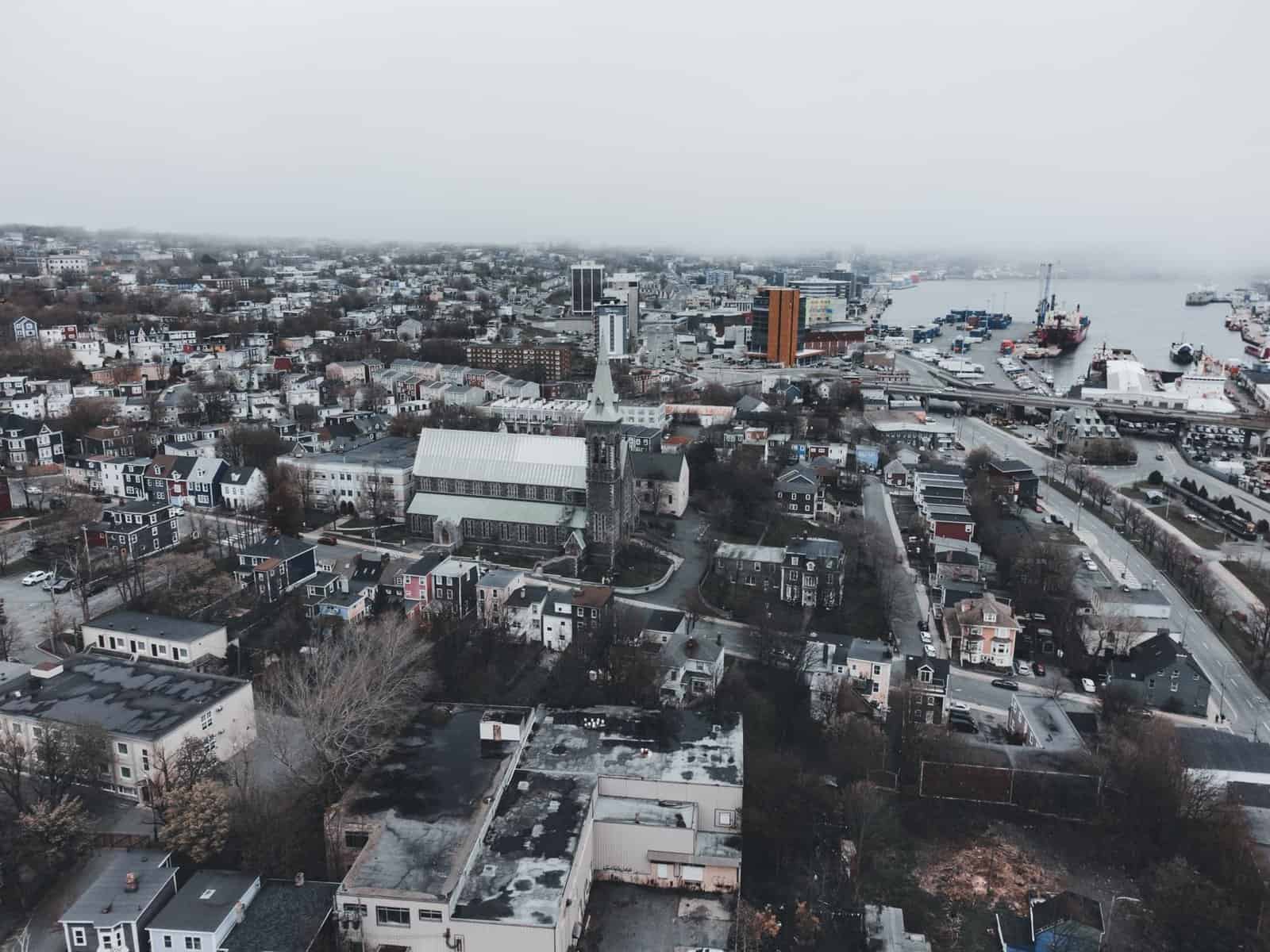
Port Townsend has two historic districts. Downtown, along Water Street, has brick and stone commercial buildings from the 1880s and 1890s, many with ornate facades. Uptown, on the bluff, has Victorian homes, churches, and the old Jefferson County Courthouse, a red brick building with a clock tower.
In the off-season, you can walk the streets without dodging crowds, take your time in shops, and admire the architecture. The Jefferson County Historical Society runs a museum in the historic city hall, built in 1892, and has information on walking tours.
2. Fort Worden State Park Is Quieter
Fort Worden, on the edge of town, was a military post built around the turn of the 20th century to protect Puget Sound. Today it is a state park with beaches, trails, historic buildings, and the Point Wilson Lighthouse. The fort was a filming location for the 1982 movie “An Officer and a Gentleman.”
In fall and winter, the beaches are quiet, and the trails through old gun batteries are atmospheric on misty days. Some of the officers’ houses are available as vacation rentals.
3. The Wooden Boat Culture Is Year-Round
Port Townsend is known for wooden boats. The Northwest Maritime Center sits on the waterfront and hosts the famous Wooden Boat Festival in September. The center has exhibits, workshops, and a cafe, and boatbuilders and shipwrights work in town year-round.
In the off-season, you can watch boatbuilders at work, visit maritime shops, and see historic vessels in the harbor.
4. The Rain Shadow Keeps It Drier
Port Townsend sits in the rain shadow of the Olympic Mountains, which block much of the moisture coming from the Pacific. The town gets about 19 inches of rain a year, far less than Seattle and a fraction of what falls on the western side of the Olympics.
That does not mean winter is sunny, but it is often drier than nearby areas. You may find gray skies with breaks of sun while it pours elsewhere.
5. Winter Wildlife and Storm Watching
The waters around Port Townsend attract wildlife in fall and winter. Look for harbor seals, sea lions, and seabirds. Bald eagles are common, and migrating waterfowl arrive in large numbers. Occasionally, orcas pass through the strait.
Winter storms bring dramatic waves to the beaches at Fort Worden and North Beach. Bundle up and watch from a safe distance.
6. The Holiday Season Brings Lights and Events
Port Townsend celebrates the holidays with decorations, a tree lighting, and seasonal events. Downtown shops decorate, and some historic homes are open for holiday tours. The Victorian architecture makes a natural backdrop for holiday lights.
Event details change from year to year, so check the town’s calendar.
7. Ferries Make It an Easy Add-On
Port Townsend is connected by ferry to Coupeville on Whidbey Island, making it easy to combine with a trip to Whidbey. From Seattle, you can take a ferry to Bainbridge Island or Kingston and drive about an hour to Port Townsend.
Off-season ferries have shorter lines, though schedules can change. Check Washington State Ferries before you go.
How Port Townsend Got Its Grand Buildings
Port Townsend was founded in 1851 and became a customs port of entry for Puget Sound. Ships arriving from around the world had to stop there, and the town grew wealthy. In the 1880s, investors expected a railroad to connect Port Townsend to the rest of the country, and they built banks, hotels, and mansions to match their ambitions.
When the railroad went elsewhere, and the economic panic of 1893 hit, investors pulled out. Many buildings stood empty for decades. In the 20th century, a paper mill brought jobs, and later, artists and preservationists helped revive the town.
Why the Railroad Never Came
In the 1880s, Port Townsend boosters were certain their town would become the terminus of a transcontinental railroad. It already had a deep harbor at the entrance to Puget Sound, and it was the first port of call for ships arriving from the Pacific. Investors from the East Coast and Europe poured money into land, banks, and buildings, and local businesses formed railroad companies to build a connection south.
The Northern Pacific Railway chose Tacoma as its western terminus instead, and other lines favored Seattle. Port Townsend’s own railroad plans stalled, and only a short local line was ever built. When the national economic panic of 1893 struck, the money vanished. Banks failed, investors left, and the population fell sharply.
The town did not disappear. It survived on shipping, a military presence at Fort Worden and nearby forts, and later a paper mill that opened in the 1920s. But it never grew into the metropolis its founders imagined, and that is why so many 1880s and 1890s buildings still stand.
The Three Victorian Seaports
Port Townsend is often grouped with Galveston, Texas, and Cape May, New Jersey, as one of the country’s best surviving Victorian seaports. Each boomed in the late 1800s and then stalled, leaving a large collection of period architecture. Port Townsend’s version is distinctive because of its two-level layout, with a commercial waterfront below the bluff and a residential uptown above, connected by steep stairways. The Haller Fountain and the Taylor Street stairs are favorite stops.
What to Do Downtown
- Walk Water Street, with shops, galleries, bookstores, and restaurants.
- Visit the Jefferson Museum of Art and History.
- Stop at the Rose Theatre, a historic movie house showing independent films.
- Explore the waterfront and pier.
- Climb the stairs to uptown for views over the harbor.
Nearby Day Trips
Port Townsend makes a good base for the northeastern Olympic Peninsula. Fort Flagler State Park on Marrowstone Island, across the bay, has more historic batteries and beaches. Sequim, about 30 minutes west, sits in the same rain shadow and is known for lavender farms in summer and the Dungeness Spit, one of the longest natural sand spits in the world. Port Angeles, about an hour away, is the gateway to Hurricane Ridge in Olympic National Park, though the ridge road has had limited winter access in recent years, so check the park’s current status.
Where to Stay
Port Townsend has historic hotels, Victorian bed-and-breakfasts, and inns. Fort Worden offers rentals in historic buildings. Off-season rates are often lower than summer.
Where to Eat
The town has restaurants serving seafood, farm-to-table cuisine, and international dishes. Local oysters, clams, and Dungeness crab often appear on menus. Bakeries and coffee shops are plentiful.
Getting There
From Seattle, take a ferry to Bainbridge Island or Kingston, then drive about an hour to Port Townsend. From Whidbey Island, take the Coupeville ferry. Driving around the southern end of Puget Sound takes longer.
A Two-Day Off-Season Plan
- Day one morning: ferry from Seattle or Whidbey, then walk Water Street and visit the Jefferson Museum of Art and History.
- Day one afternoon: climb to uptown, see the courthouse and Victorian homes, and stop for coffee.
- Day one evening: dinner downtown and a film at the Rose Theatre.
- Day two morning: Fort Worden, the Point Wilson Lighthouse, and a beach walk.
- Day two afternoon: Northwest Maritime Center, then oysters or chowder before heading home.
What to Pack
Fall and winter in Port Townsend are cool, with highs often in the 40s and 50s. Even in the rain shadow, you should pack a waterproof jacket, warm layers, and shoes that can handle wet sidewalks and beach walks. Binoculars help for spotting seabirds and seals.
The Bottom Line
Port Townsend was built for a future that never came, and that is why it looks the way it does. Visit in the off-season to explore its Victorian streets, quiet beaches, and maritime culture without the crowds.