Bangor Has 32,000 Residents—Stephen King and Acadia Aren’t the Whole Budget Story, and That Matters to Visitors
We may earn money or products from the companies mentioned in this post. This means if you click on the link and purchase the item, I will receive a small commission at no extra cost to you ... you're just helping re-supply our family's travel fund.
Bangor has about 32,000 residents, which makes it Maine’s third-largest city and the commercial hub of the state’s northern two-thirds. Visitors usually know it for two things: Stephen King lives here, and Acadia National Park is close enough to drive to. Neither is the whole story. A realistic Bangor Maine budget depends on what the city offers on its own, what it saves you compared with the coast, and what the drive to Acadia adds back.
The short version: Bangor is one of the better-value bases in Maine. Rooms often run $120 to $200 a night in summer while Bar Harbor hotels can hit $250 to $400, and the savings are partly offset by roughly 50 miles of driving each way to the park.
What a Bangor Maine Budget Really Looks Like

Start with the basics. A couple spending three days in Bangor and using it as a base for one or two Acadia trips can plan on roughly $350 to $550 a day, all in, in peak season. A solo traveler on a tighter budget can come in around $170 to $260. These are typical ranges, not quotes, so check current rates.
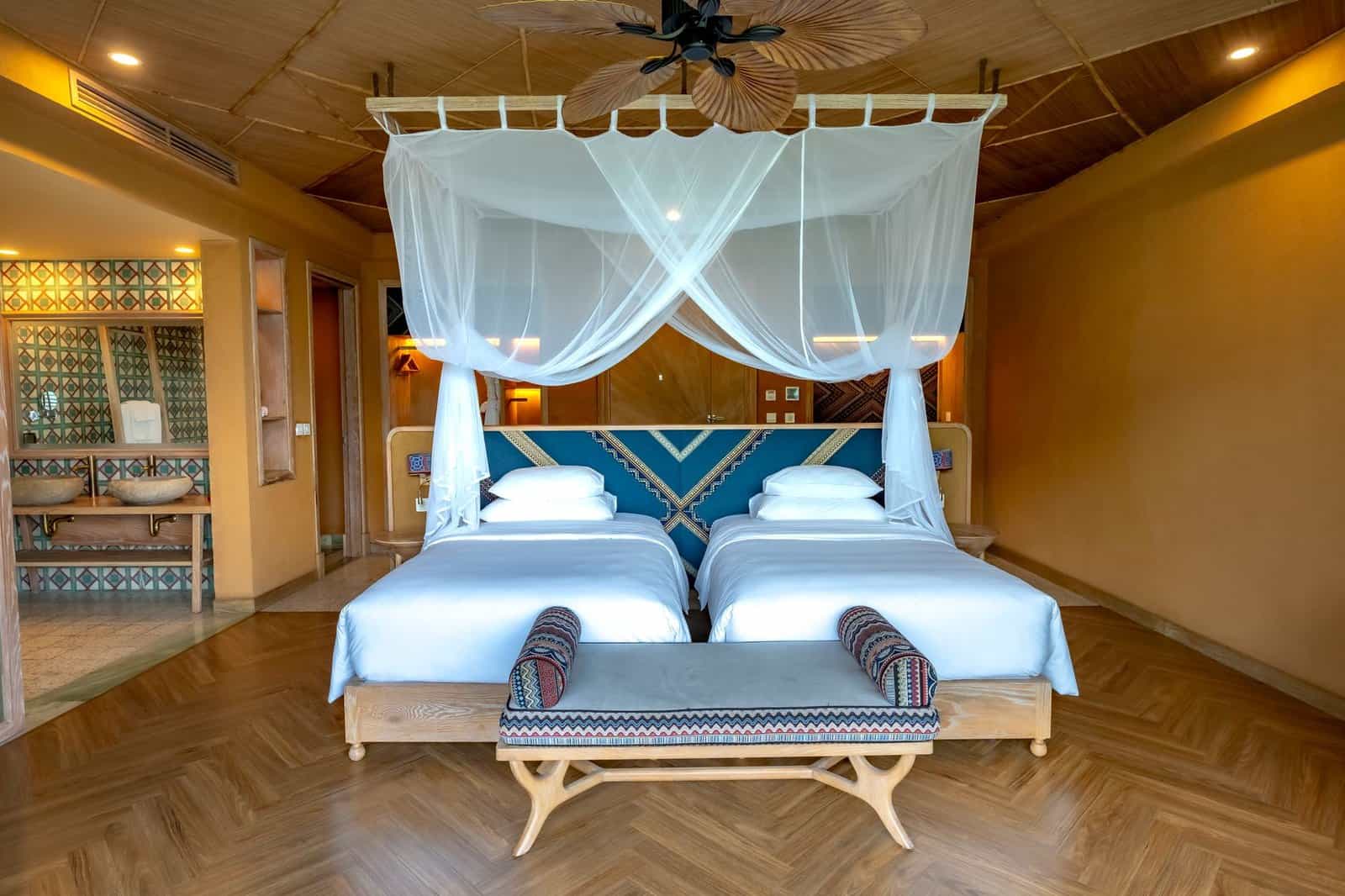
- Lodging: $120 to $200 a night at a mid-range hotel near the airport or downtown in summer, and $90 to $140 off-season. Bar Harbor, by comparison, often runs $250 and up in July and August.
- Food: $12 to $18 for a casual lunch, $25 to $45 per person for dinner at a sit-down restaurant, and more if you order lobster.
- Gas and parking: Bangor to Bar Harbor is about 50 miles, so a round trip uses roughly $12 to $20 in fuel. Downtown Bangor parking is cheap or free in most places.
- Acadia entrance: Park passes are charged per vehicle and valid for several days, commonly around $30 to $35. Confirm the current fee and any vehicle-reservation rules before you go.
Why Bangor works as a base
Bangor sits on I-95 and the Penobscot River, with an airport that has direct flights from several East Coast cities. Rental cars are easier to get here than on the coast, and hotels are plentiful. The city is also close to the University of Maine in Orono, which adds a steady student presence and a handful of good casual restaurants.
If your plan is to spend three or four days in Acadia, a Bangor base saves money on lodging but costs time. You will usually spend an hour to an hour and 15 minutes each way, and Acadia traffic in July and August can add more. Many visitors split the difference: two nights in Bar Harbor or Ellsworth, then two in Bangor.
Beyond Stephen King
Stephen King’s presence is hard to miss. His red Victorian house on West Broad Street, with its wrought-iron fence of bats and spiders, is a stop for fans, though it is a private home and visitors should photograph from the sidewalk and keep their distance. King has also supported local causes, including the Bangor Public Library and the minor-league baseball field known as Shawn Mansfield Stadium, a gesture noted by residents.
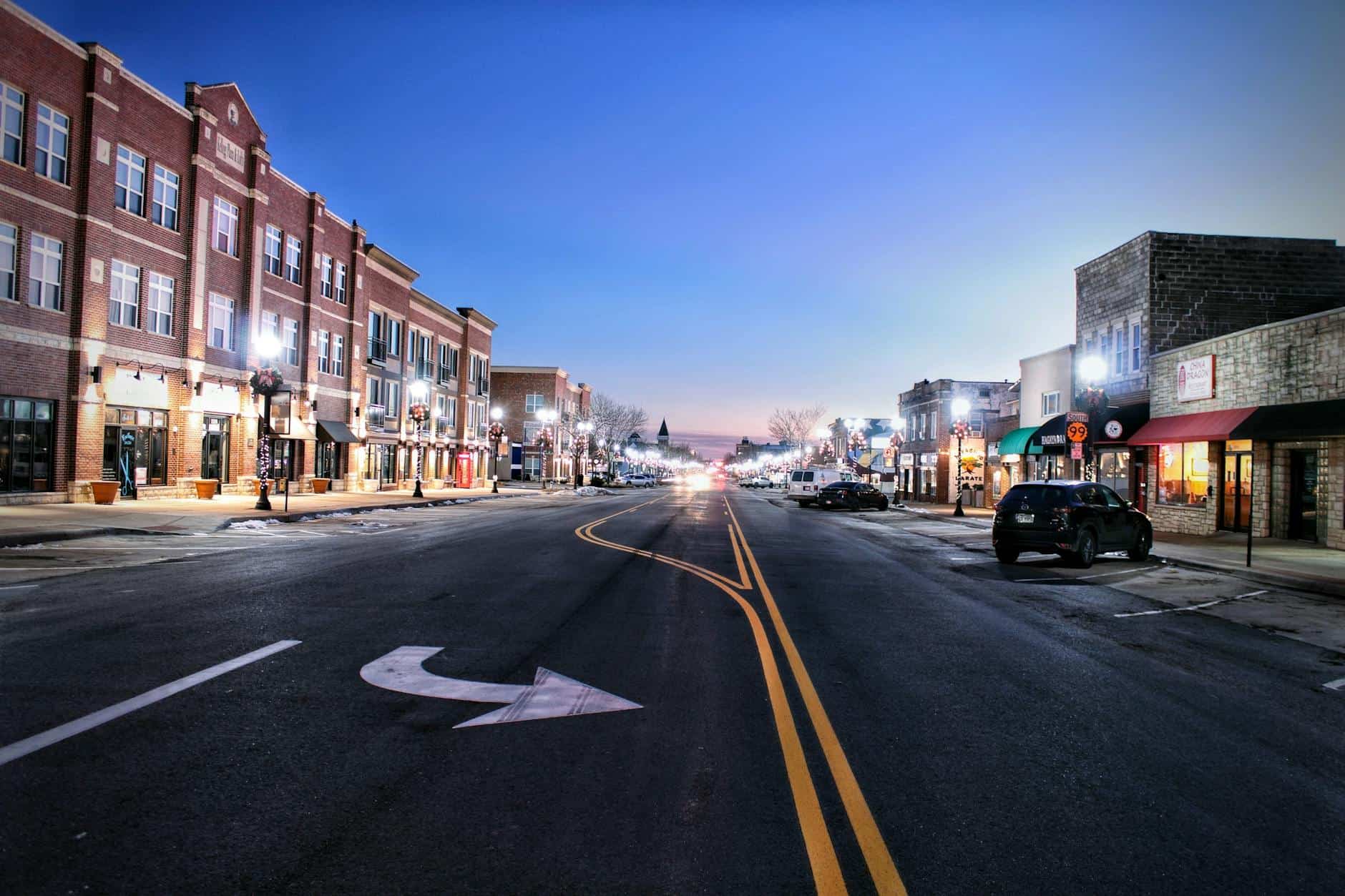
But Bangor offers more than horror tourism. The city has a downtown with historic brick buildings, independent shops and restaurants, and a waterfront along the Penobscot River with a concert venue that hosts national acts in summer. Its past as a lumber capital in the 19th century left a legacy of grand houses and a handful of landmarks, including a 31-foot Paul Bunyan statue on Main Street, built in 1959.
Free and cheap things to do
You can fill a day without spending much:
- Walk the Kenduskeag Stream Trail and the Bangor Waterfront.
- Visit Mount Hope Cemetery, an 1834 garden cemetery, for its monuments and history.
- Tour the Thomas A. Hill Standpipe, a 19th-century water tower that opens occasionally.
- Browse the Bangor Public Library and the downtown bookshops.
- Take a short trip to the University of Maine campus in Orono for its museums and trails.
The Acadia Math
Acadia National Park is the reason most visitors come to this part of Maine, and the cost of reaching it is the main variable in a Bangor budget. Mount Desert Island is about 50 miles from Bangor on Route 1A and Route 3, and the drive takes roughly an hour in normal conditions.
If you drive in daily, expect gas, the park fee, parking in Bar Harbor and meals to add up to about $60 to $120 per person per day beyond what you spend in Bangor. Summer traffic is the hidden cost. Between late June and early September, the Park Loop Road and Bar Harbor streets can be backed up, and parking lots at Jordan Pond and Cadillac Mountain can fill early, so start by 7 a.m. if you want to hike without crowds.
Cheaper alternatives to the coast
If Acadia is crowded or too expensive, the Bangor region offers other outdoor options within an hour or two:
- Baxter State Park, about two hours north, is home to Mount Katahdin and the end of the Appalachian Trail. It is more remote and has strict entry rules and reservations for popular areas.
- The Penobscot River and the Maine Woods offer fishing, paddling and moose watching, especially around Greenville and Moosehead Lake.
- Camden and Belfast, on Penobscot Bay, are about an hour and a half away and make good coastal alternatives to Bar Harbor with smaller crowds.
Food, Lodging and Local Habits
Bangor’s food scene is practical rather than precious. Expect diners, brewpubs and a handful of chef-driven restaurants downtown, with lobster rolls priced a bit lower than Bar Harbor’s and local beers on tap. The Maine whoopie pie, blueberry pancakes and a bowl of chowder are standard menu items, and lobster prices change with the season, so ask before ordering.
For lodging, you will find chain hotels near the airport and the Hogan Road shopping corridor, plus a handful of downtown inns and bed-and-breakfasts. Weekdays are cheaper in summer, and rooms fill on weekends with concerts at the waterfront and events at the Cross Insurance Center. Book at least a month ahead for July and August, and earlier for the Bangor State Fair in late July.
When to Visit
Summer is the busiest season, with warm days and crowded Acadia trails. Early fall is a sweet spot for many travelers: crowds thin after Labor Day, foliage peaks in early to mid October, and lodging rates fall. Winter is cold and snowy, with fewer open attractions, but Bangor stays active and a few winter events draw locals. Spring is mud season and generally the least appealing, though lodging is cheapest.
A Three-Day Bangor Plan
A sample schedule shows how the money works. On day one, arrive and check into a downtown or airport-area hotel, walk the waterfront and eat dinner in the Park Street and Central Street area. Cost for two: roughly $200 to $300 including your share of lodging. On day two, drive to Acadia early, hike one of the shorter peaks such as the Beehive or Gorham Mountain, eat a picnic lunch and return to Bangor for dinner. Cost for two: about $200 to $350 including park fee, gas and meals.
On day three, sleep in, visit the Bangor Historical Society or the Maine Discovery Museum if you have children, and leave by early afternoon for the airport or I-95. Cost: $80 to $150 plus lodging. Notice that only the Acadia day is expensive, and most of that is the optional restaurant meals. A picnic lunch and an early start can cut that day’s cost by a third.
What Locals Say About Visitors
Residents often describe Bangor as a place people pass through on the way to somewhere else, and that is both a complaint and a selling point. The city is not built for tourists, which means prices are set for locals and service tends to be unhurried and straightforward. A friendly question about where to eat usually gets a candid answer.
One practical consequence is that downtown hours can be short, especially on Sundays and Mondays. Check before you go, and plan your biggest sightseeing days on Thursday through Saturday when more businesses are open.
A note on the economy
Bangor’s economy centers on healthcare, education, retail and services for a wide region, not tourism. Hospitals, the university and the area’s retailers provide most of the jobs. That is why the city feels steady in the off-season and why lodging rates are less volatile than on the coast, where a single summer can account for most of a hotel’s annual income.
What the Numbers Mean for Visitors
A city of 32,000 can look small beside the national parks that surround it, but it is the practical center of a large region. It has a hospital, an airport, grocery stores and rental cars, and that infrastructure is what makes a budget trip possible. Visitors who treat Bangor as a destination rather than a parking lot get both the savings and a city with real character.
The bottom line is simple. Bangor will not give you ocean views from your window, but it will put hundreds of dollars back in your budget, offer a handful of surprisingly good things to do and keep Acadia within reach. Plan for the drive, book early in summer and give the city at least one evening of your own.