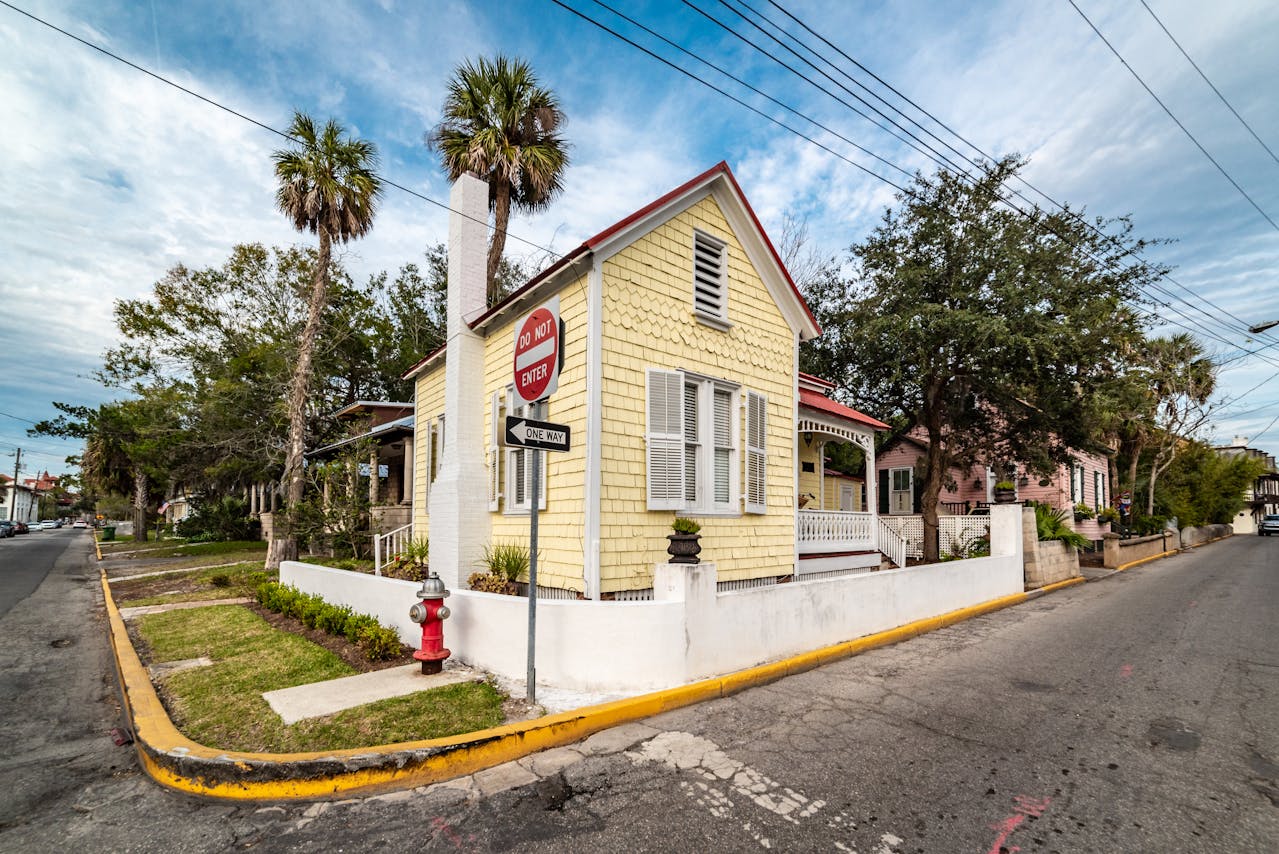
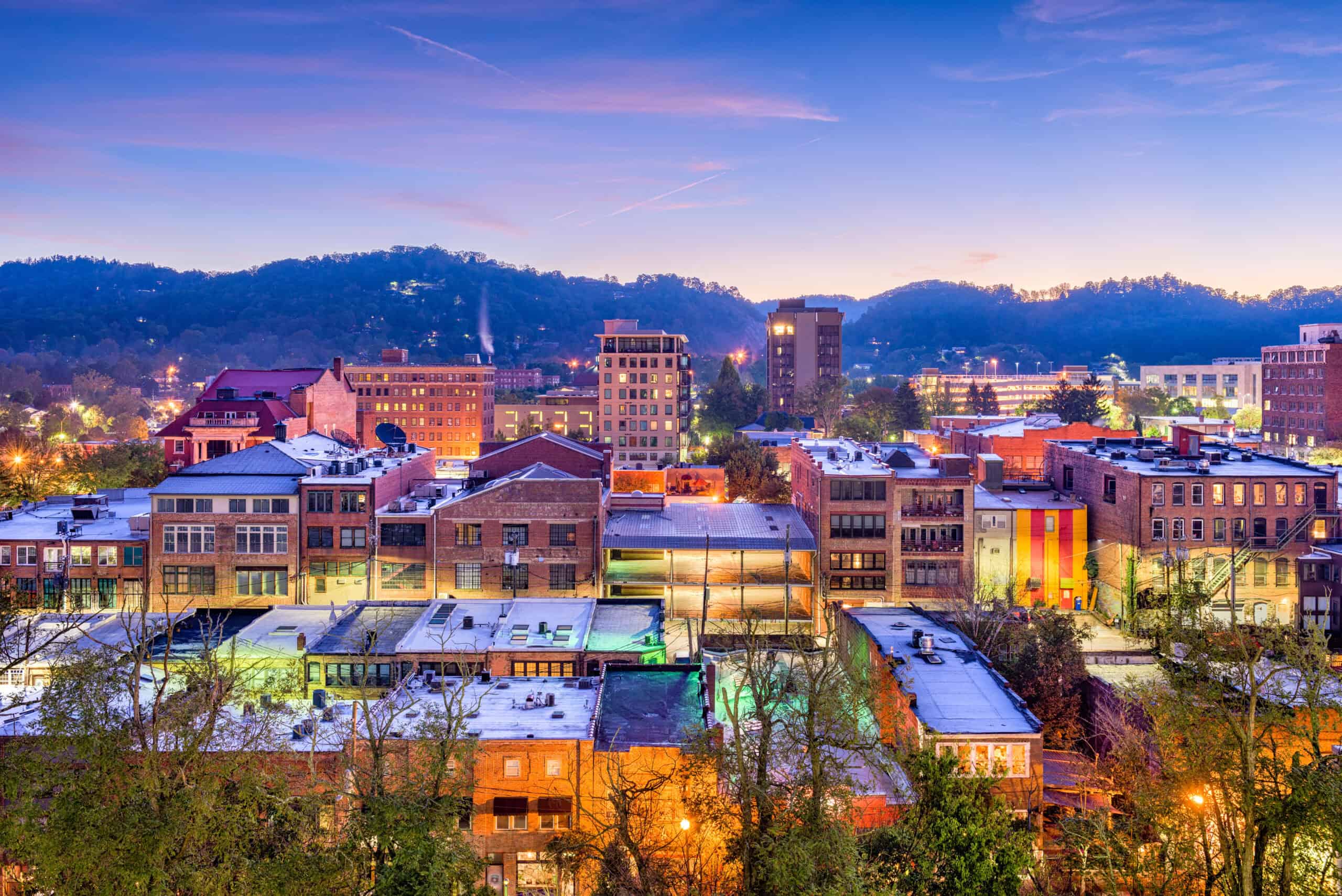
American Towns That Went Viral Overnight — and What Actually Happened to Them Afterward
We may earn money or products from the companies mentioned in this post. This means if you click on the link and purchase the item, I will receive a small commission at no extra cost to you ... you're just helping re-supply our family's travel fund.
This article contains affiliate links. If you book or buy something through our links, we may earn a small commission at no extra cost to you.
Somewhere in America right now, a resident of a small town is filming a thirty-second video. Maybe it’s a waterfall that looks impossible for a landlocked state. Maybe it’s a main street so perfectly preserved it looks like a movie set. Maybe it’s a food item — a specific pie at a specific diner — that happens to have the right color palette for a close-up shot.
The video gets posted. It gets shared. It gets picked up by an aggregator account with 4 million followers. By the following Saturday, the waterfall has a parking problem. The main street is gridlocked. The diner has a two-hour wait and is out of pie by 10 a.m.
The town was not ready. It had no reason to be.
How It Starts: One Video, One Weekend, One Disaster

The mechanics of a viral small-town moment have become predictable enough that there’s a template. It starts with a genuine thing — a landscape, a structure, a food, a tradition — that photographs or films well and that most people outside the region haven’t seen. Someone shares it without much thought, or sometimes with plenty of thought, because they made a business out of finding these things.
The share accumulates views. An algorithm decides it’s interesting. A larger platform amplifies it. Travel bloggers who were not there for the original moment publish listicles titled something like “This Hidden [State] Town Is Absolutely Blowing Up Right Now.” The SEO machinery picks it up. A travel website with high domain authority runs the story, and suddenly the place is indexed everywhere.
This process can take weeks. It can also happen in 72 hours.
A small waterfall in a rural midwestern state that had approximately 400 visitors a year for the previous decade received, by its local official’s estimate, more than 8,000 visitors in a single May weekend after a TikTok video accumulated 12 million views in four days. There were no restrooms. There was no parking lot. There was one narrow road, single-lane in places, that served both incoming and outgoing traffic and also the five families who lived on it.
The Towns That Had No Infrastructure for Any of This
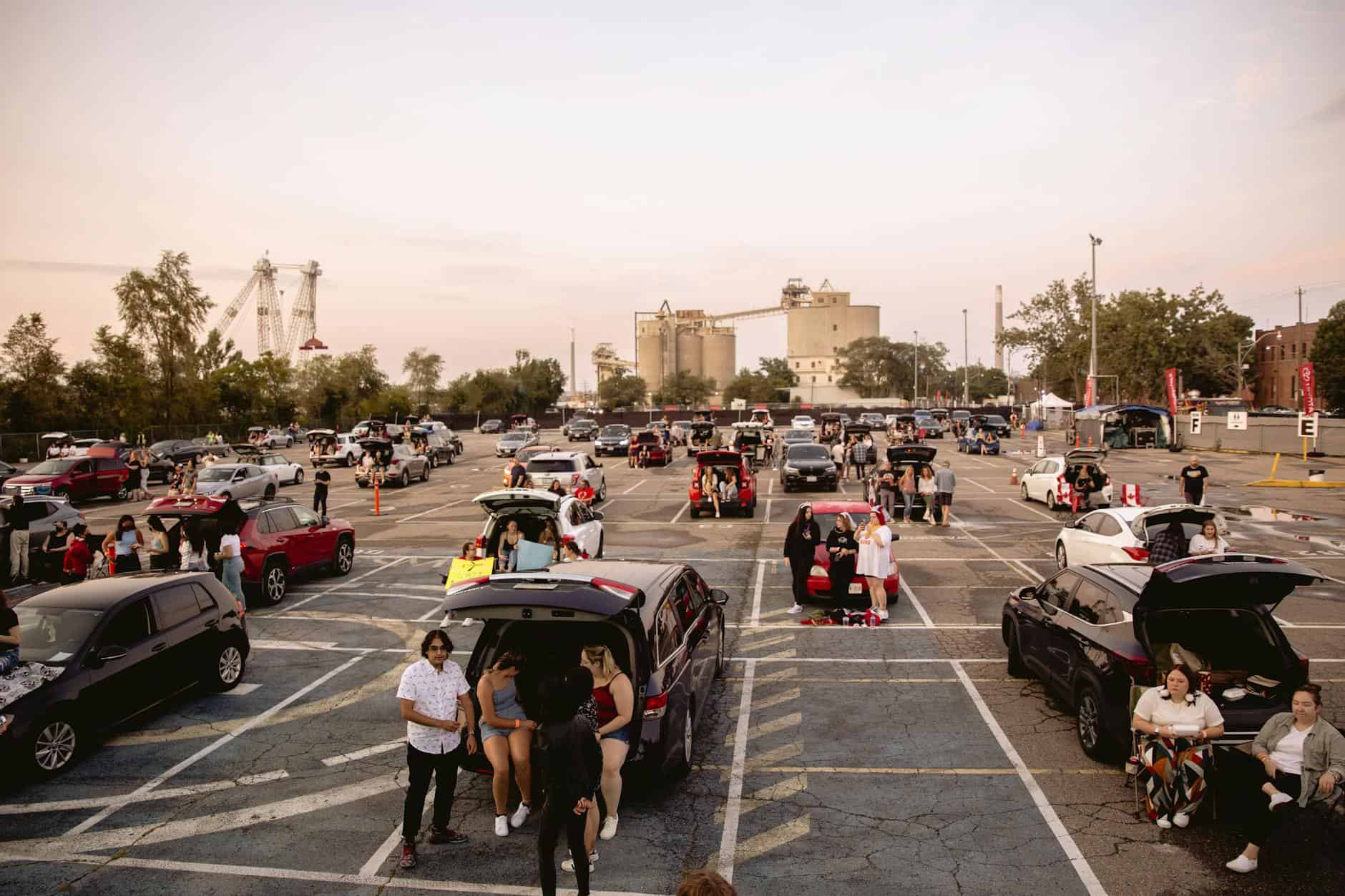
The most common failure mode in viral town moments is a total mismatch between demand and infrastructure. Small towns that were not designed for tourism — that have one gas station, one restaurant, no public restrooms, and a two-lane main road — cannot absorb thousands of weekend visitors without immediate systemic failure.
Traffic backs up for miles. Visitors who can’t park leave their cars in farm driveways, on grass shoulders, and occasionally blocking emergency access roads. The single local restaurant is overwhelmed within hours and either runs out of food, closes early, or both. Visitors who expected a charming experience encounter chaos and leave disappointed, often posting about the chaos in a way that generates more curiosity.
Local emergency services — volunteer fire departments, small police forces — are pulled into traffic management for a phenomenon they have no mandate or budget for. In some cases, roads or sites have been closed by county officials simply because there was no other option.
“We had people parking on my lawn,” said one resident of a small Tennessee town that went viral for a historic downtown. “I’m not exaggerating. I came home and there were three cars on my lawn and someone was taking a photo in my garden. They weren’t being malicious. They just had nowhere to put their car and they didn’t think about where they were.”
What Happened to Prices After the Cameras Arrived

The economic effects of a viral moment are faster-moving than most towns expect. Property values in and near the viral location often begin rising within months — sometimes weeks — of the initial exposure.
In towns with available commercial real estate, outside investors often arrive before local business owners have processed what’s happening. A building that sat empty for three years gets leased almost immediately to a boutique, a specialty coffee operation, or a pop-up shop catering to the new visitor demographic. The local diner that was part of what made the place charming in the original video faces a landlord who has just realized what their property is worth.
Long-term residents on fixed incomes or in rental housing face a version of gentrification that is compressed in time — the same process that plays out over a decade in a city, happening in eighteen months in a small town with limited housing stock.
Food prices, accommodation costs, and the general cost of living in a viral small town can shift measurably within a single tourist season. The people who benefited from the isolation and affordability that made the town livable often find the calculus changed without their consent.
The Residents Who Left — and the Ones Who Cashed In
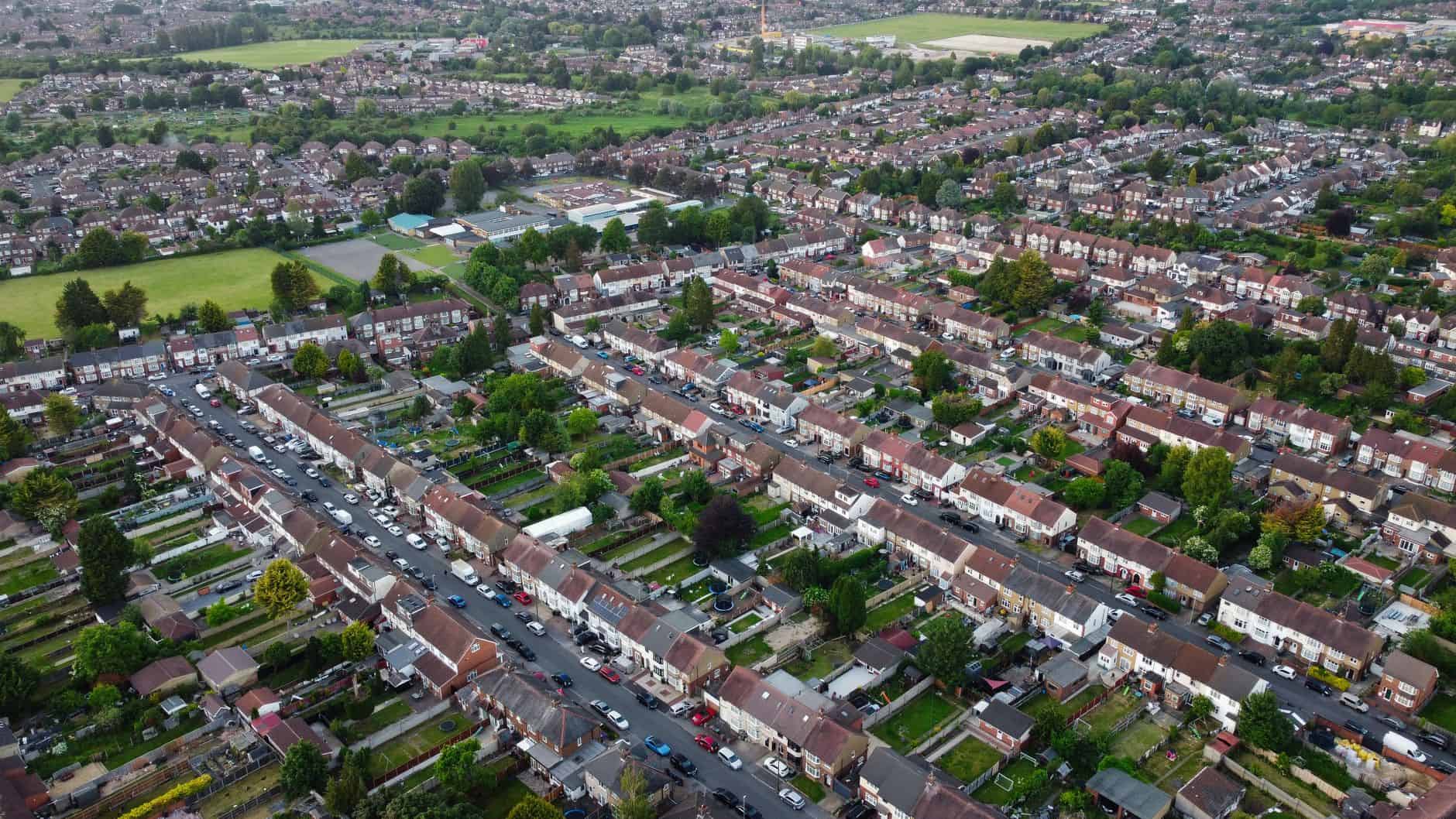
A viral moment creates winners and losers among a town’s existing residents, and the divide doesn’t always follow the lines you’d expect.
Some longtime residents who own property cash out. They sell to investors or relocating tourists, take the money, and move somewhere cheaper. They got something real out of the viral moment, even if they didn’t ask for it.
Small business owners who can adapt benefit if the volume is manageable — a gift shop, a bed and breakfast, a restaurant with capacity to scale. For these residents, the viral moment is essentially a marketing event that would have cost millions to engineer deliberately.
But residents who didn’t own the right assets — renters, retired people on fixed incomes, working families who chose the town for its affordability and rural character — often find the viral moment transforming their community into something that no longer works for them. They weren’t part of the decision. Nobody asked them.
“I’ve lived here for 28 years,” said one resident of a small town in Arkansas that experienced a viral moment after a drone video of its town square circulated widely. “The people who are coming are nice enough. But it doesn’t feel like my town anymore. It feels like someone else’s idea of what a charming small town should look like.”
When the Moment Passes and the Town Is Left Holding It
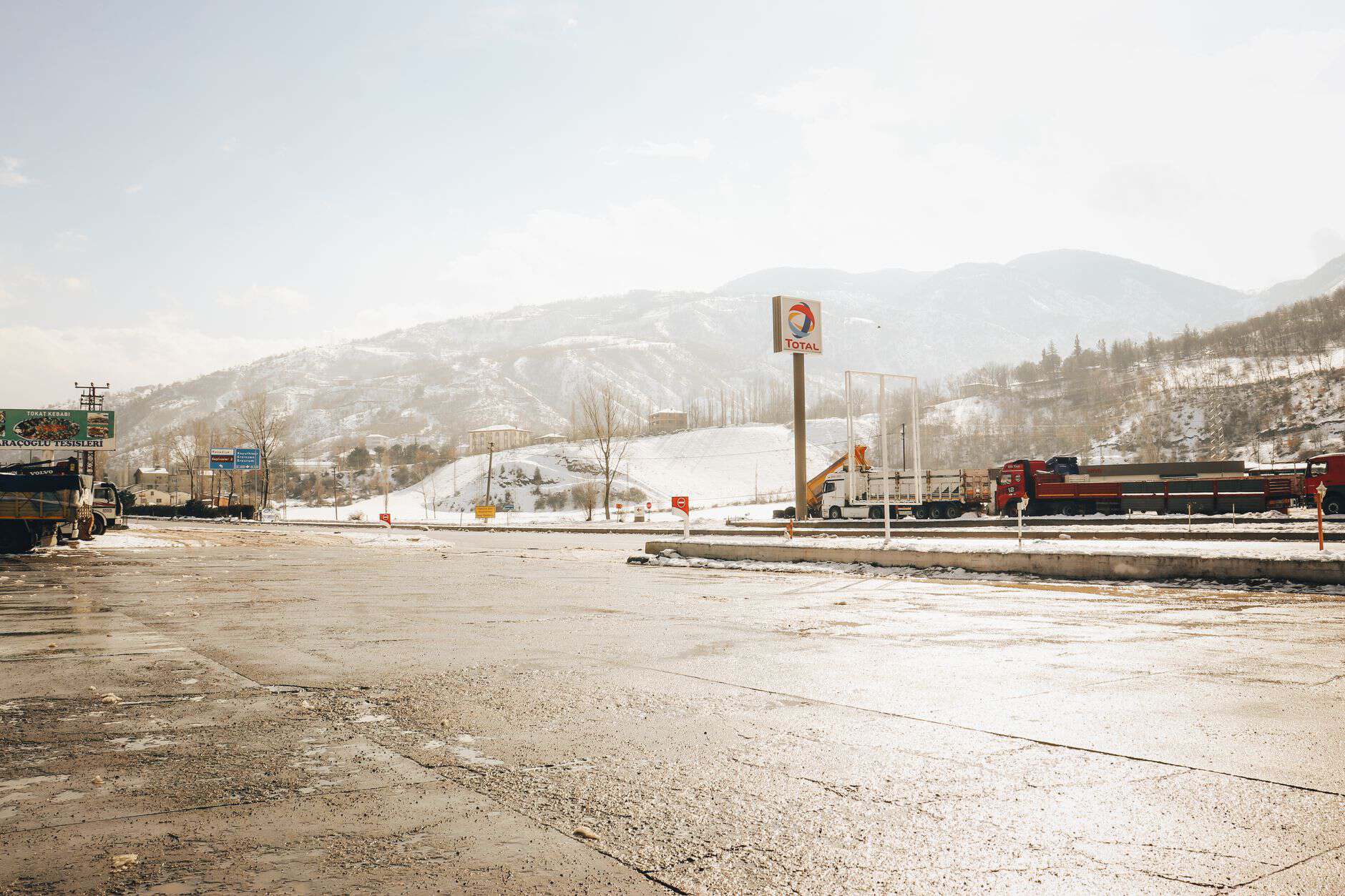
Viral moments, by their nature, are temporary. The algorithm moves on. The next hidden gem gets discovered. The towns that were overwhelmed in May can find themselves with empty storefronts by October — in some cases, businesses that opened specifically to serve the viral traffic, now sitting in shoulder season with no customers.
The infrastructure built for peak viral traffic — expanded parking, added restroom facilities, new signage, hired seasonal staff — represents real expenditure that may not be recoverable if the traffic doesn’t return or stabilize at a sustainable level.
Towns that invested heavily in tourism infrastructure during a viral moment and then experienced sharp decline face a specific kind of fiscal problem: they built for a crowd that turned out to be a temporary phenomenon, and the debt or the unused capacity remains.
The towns that weathered the moment best were, in most cases, the ones that were cautious about infrastructure investment during the peak — that treated the viral traffic as a one-time event rather than a new baseline, and planned accordingly.
The Businesses That Got Built for a Trend That Already Moved On
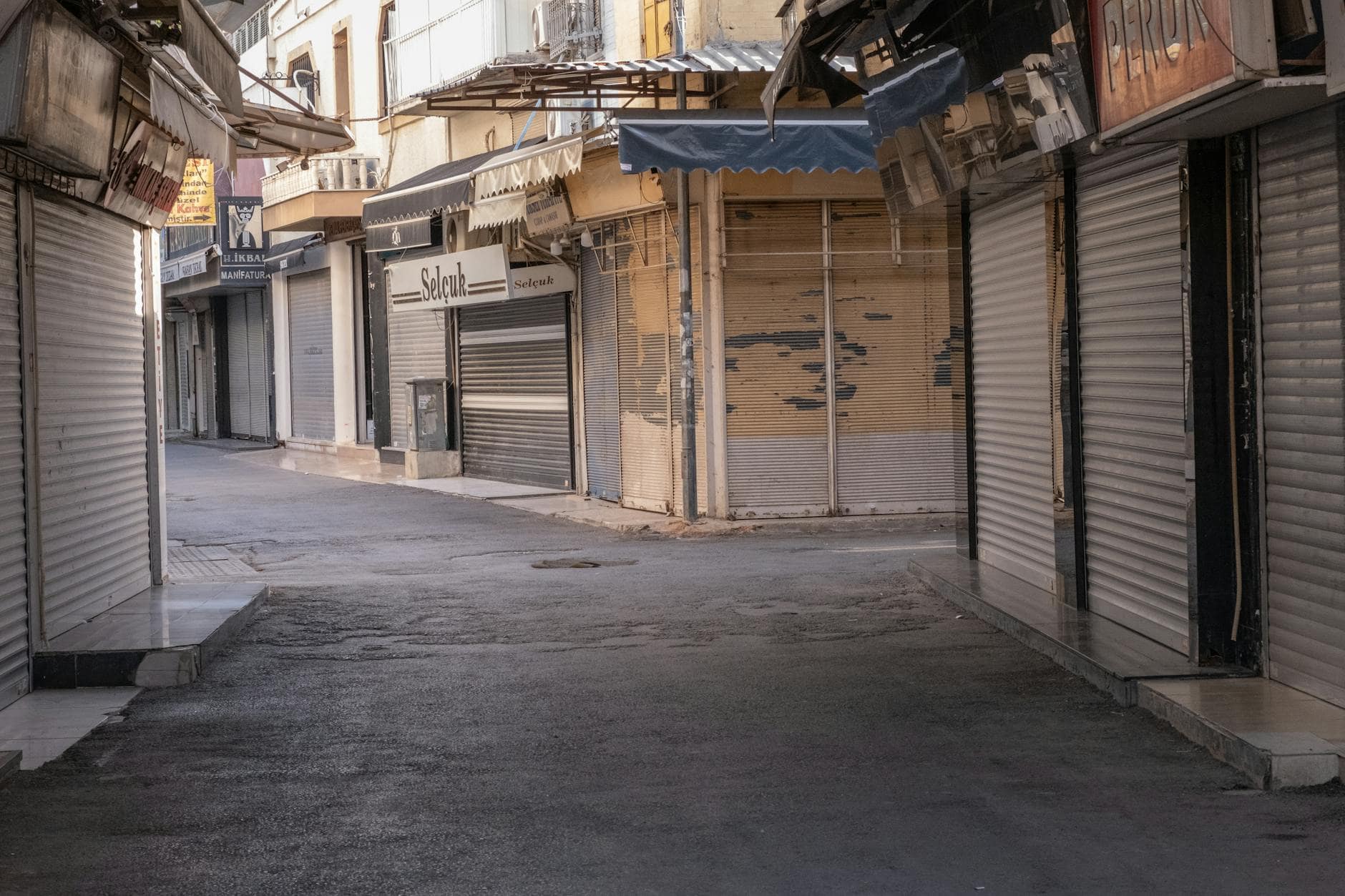
Among the most visible casualties of a viral moment’s aftermath are the businesses that opened specifically to serve it. The vintage market that opened to cater to the aesthetics-driven tourists who came for the Instagram photos. The specialty ice cream shop that appeared downtown six months after the viral moment. The boutique hotel that broke ground while the trend was still warm.
These businesses are opened by people making reasonable bets based on available data: the town is getting visitors, the visitors have money, there’s an unmet need. The bet sometimes pays off. It often doesn’t, because the timing is wrong — by the time the new business is open and operational, the viral moment has already crested.
The economic graveyard of small towns that had viral moments is full of these stories: a business that opened a year after the peak, ran for two tourist seasons, and closed without enough sustained traffic to justify the lease.
What the Towns That Handled It Well Did Differently
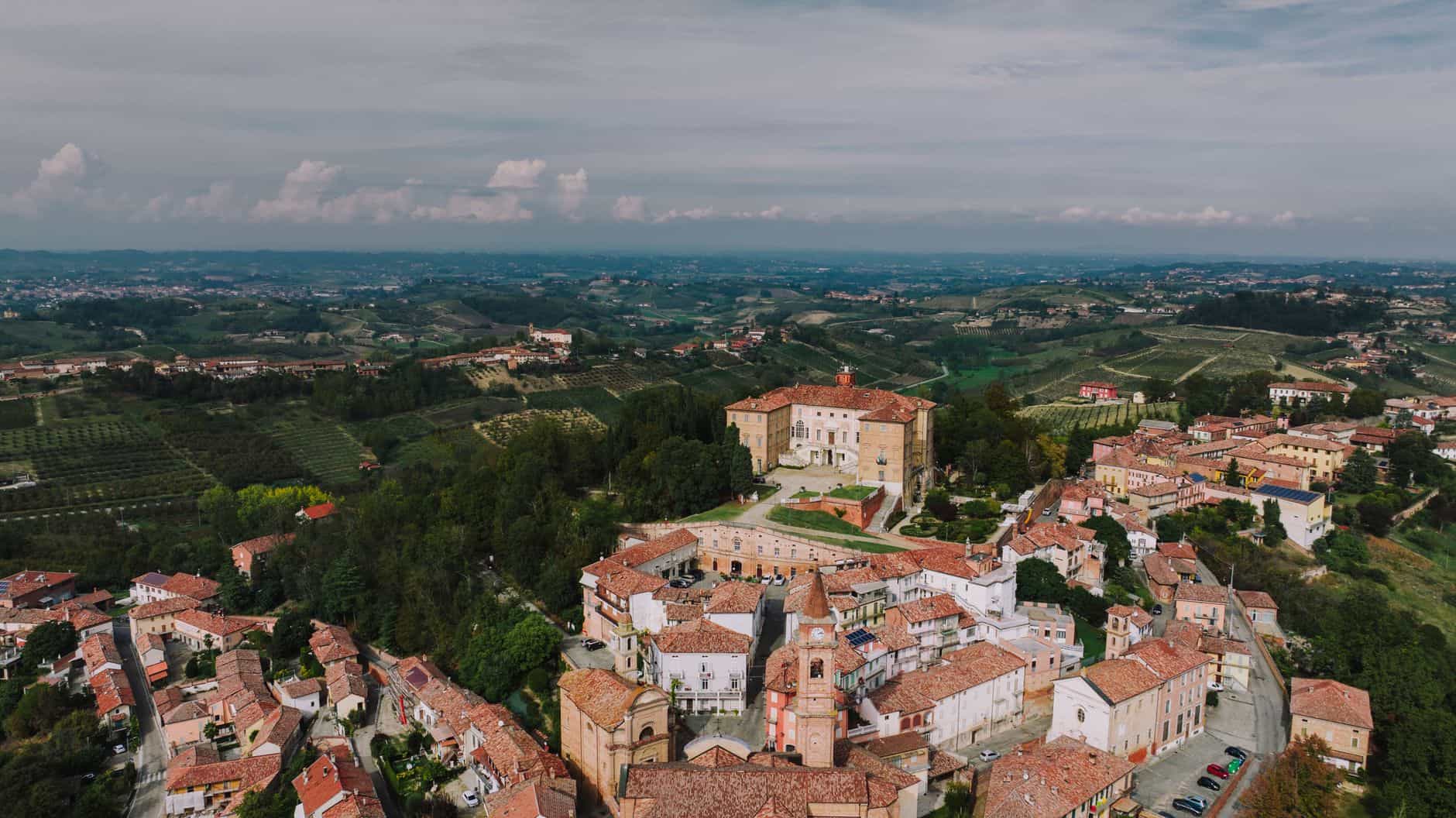
A small number of towns have managed viral moments in ways that produced lasting, sustainable economic benefit without destroying what made the place worth visiting. The common factors are instructive.
First, they moved quickly on basic infrastructure — particularly parking and sanitation — before the first big tourist season. This sounds obvious. Most towns didn’t do it, because they didn’t believe the viral moment was real until they were already in crisis.
Second, they maintained the local character that produced the original viral moment by actively supporting local businesses rather than allowing rapid outside investment to replace them. Some towns did this through zoning, others through deliberate landlord cooperation.
Third, and perhaps most importantly, they distributed the benefits broadly rather than concentrating them. Towns where the viral windfall flowed mostly to a few property owners experienced community fracture. Towns where tourism revenue was reinvested in public infrastructure — parks, community spaces, maintained historic buildings — built something more durable.
The Pattern That Keeps Repeating Across America
What’s striking about the American small town viral moment is how consistent the pattern is across geography, demographics, and type of attraction. A hot springs in Colorado, a ghost town in Arizona, a painted desert overlook in New Mexico, a covered bridge in Vermont — the cycle is nearly identical each time.
This consistency suggests that the problem isn’t specific places making specific mistakes. It’s a structural mismatch between the speed of internet-driven tourism demand and the pace at which small communities can adapt.
There is no national framework for managing this. There is no agency that monitors viral tourism trends and pre-positions resources for the towns about to be hit. Individual communities are discovering the problem in real time, with no playbook and no warning.
The towns that come out okay are the ones with either luck, quick-moving local leadership, or both. The ones that don’t are scattered across the American landscape as cautionary examples that nobody, it seems, is looking at when the next video starts to circulate.