Oregon’s Trail of Ten Falls Is a 7.2-Mile Loop. Here’s How to Hike It in Late Fall
We may earn money or products from the companies mentioned in this post. This means if you click on the link and purchase the item, I will receive a small commission at no extra cost to you ... you're just helping re-supply our family's travel fund.
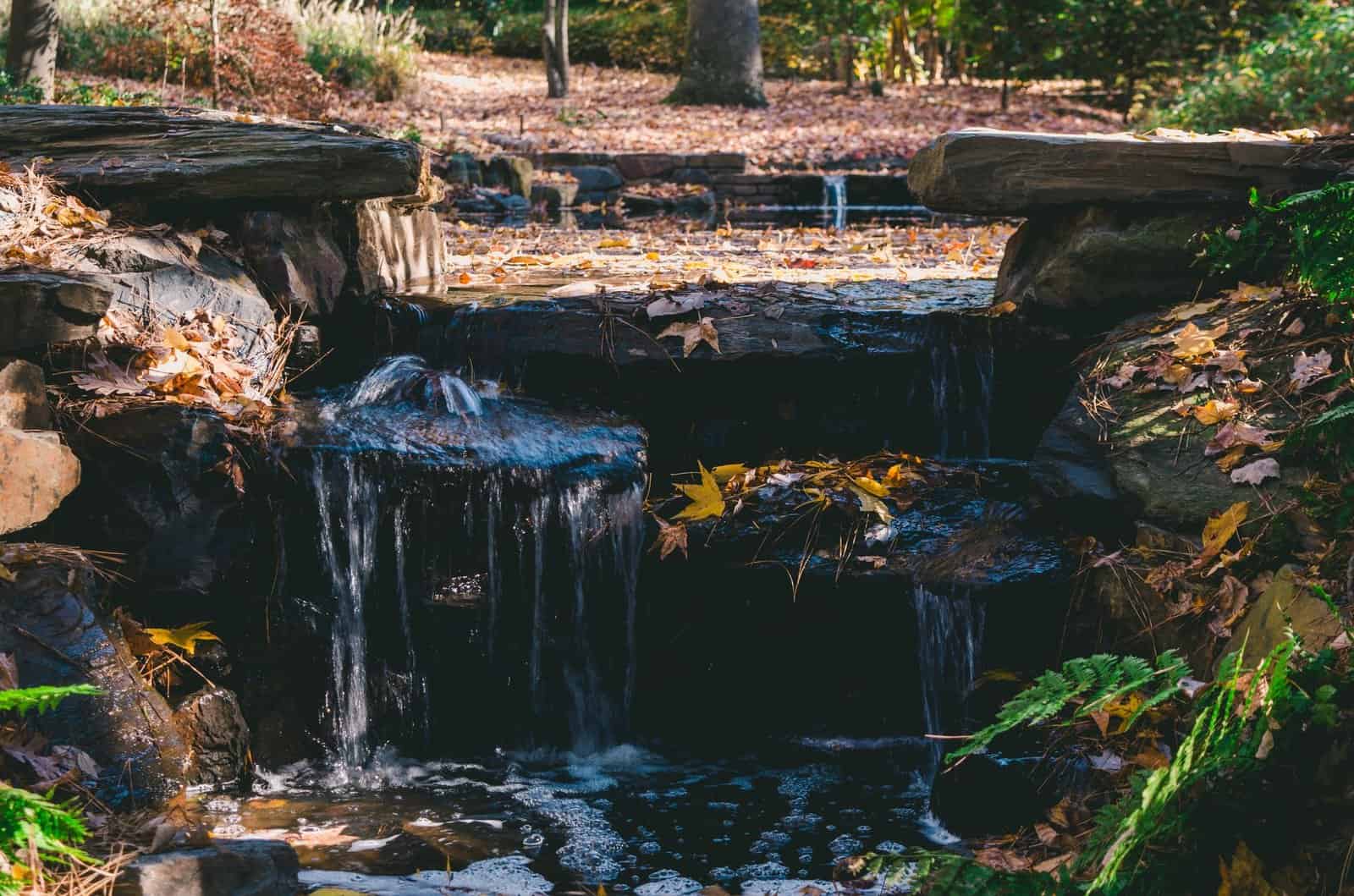
The Trail of Ten Falls at Silver Falls State Park is a 7.2-mile loop with about 800 feet of elevation change, and it passes ten waterfalls along the way. Several of them let you walk behind the falling water. In late fall, after the rains return, the falls are at full power, the bigleaf maples drop gold leaves on the trail, and the summer crowds thin out.
Here is how to hike it in late fall. Start early in the day from the South Falls area, hike the loop in the direction that drops you into the canyon first, and give yourself three to four hours. Wear waterproof boots with good traction, pack rain gear, and check the park’s alerts for storm or ice closures before you leave home. Pay the day-use parking fee at the trailhead.
Silver Falls is Oregon’s largest state park, covering more than 9,000 acres in the foothills of the Cascades about 20 miles east of Salem. It is often called the crown jewel of the Oregon state park system. The Trail of Ten Falls is the reason.
Here’s How to Hike It in Late Fall
Most hikers start at the South Falls day-use area, where you will find the main parking lots, the historic lodge, restrooms, and a café that may keep limited hours in the off-season. From there, follow the signs for the Canyon Trail.
A typical route looks like this:
- Begin at South Falls and descend the paved and then dirt path to the base, walking behind the falls.
- Continue downstream on the Canyon Trail to Lower South Falls, where stairs lead behind the curtain of water.
- Follow the trail up the North Fork of Silver Creek, passing Lower North Falls, Double Falls on a short side spur, Drake Falls, Middle North Falls, and Twin Falls.
- Reach North Falls, where the trail again passes behind the water in a large basalt amphitheater.
- Return along the Rim Trail, passing Winter Falls and Upper North Falls via short side trips if you want them, then back to South Falls.
The Canyon Trail is the scenic heart of the hike. The Rim Trail is easier and quicker, mostly through forest above the canyon.
The Ten Falls, in Order
South Falls
The most famous waterfall in the park drops 177 feet into a broad canyon. The trail passes behind it in a wide basalt overhang. In late fall, the spray can soak you.
Lower South Falls
At 93 feet, Lower South Falls is wide and powerful. The trail descends a set of stairs and passes directly behind the falls.
Lower North Falls
A shorter, broader waterfall that slides over a ledge. It is right beside the trail.
Double Falls
A short side spur leads to Double Falls, the tallest in the park at about 178 feet, falling in two tiers down a narrow side canyon.
Drake Falls
A smaller, 27-foot cascade that is easy to miss but pretty in high water.
Middle North Falls
Middle North Falls drops about 106 feet. A side trail leads behind it, though it can be muddy and slick.
Twin Falls
Twin Falls splits into two streams around a rock outcrop. It sits a little off the trail and is best viewed from an overlook.
North Falls
North Falls drops about 136 feet into a huge amphitheater carved into the basalt. The trail passes behind it, and the roar is impressive in late fall.
Upper North Falls
A short walk past North Falls leads to Upper North Falls, a 65-foot drop into a pool.
Winter Falls
On the Rim Trail, Winter Falls drops 134 feet. It flows mostly in winter and spring, which makes late fall a good time to see it.
When Late Fall Is Best on the Trail of Ten Falls
October, November, and early December bring rain back to the Willamette Valley and Cascades. That rain feeds the falls. In summer, some of them shrink to trickles. In late fall, they roar.
- Early to mid-November often brings the best combination of fall color and strong flows.
- Rainy days produce the biggest falls but the slickest trails.
- Clear days after a storm offer strong flows and better footing.
- Cold snaps can bring ice to the trails and closures.
Check the park’s website and social media for alerts. The park sometimes closes trails for ice, storm damage, or high water.
How Hard Is the Hike
The full loop is moderate. The 800-foot elevation change is spread out, but there are stairs and steep sections near the falls, especially at Lower South Falls and on the climbs back up to the rim. Most hikers take three to four hours, including stops.
If 7.2 miles is too much, shorter options exist. Hike from South Falls to Lower South Falls and back up the Maple Ridge Trail for a loop of a few miles, or start at North Falls for a short walk to North and Upper North Falls.
What to Wear and Bring
- Waterproof hiking boots with good tread.
- A rain jacket and quick-drying layers.
- A hat and gloves on cold days.
- A dry bag or zip bag for your phone.
- Water and snacks.
- Trekking poles for stairs and slick spots.
- A headlamp if you start late, since days are short.
Cotton gets cold when wet, and you will get wet behind the falls.
Rules to Know
Dogs are not allowed on the Canyon Trail, though they are permitted on the Rim Trail and in other parts of the park on leash. A day-use parking permit is required, typically around $10 per vehicle for a daily permit, with annual permits available. Stay on the trail, especially near cliff edges and wet rock.
The Silver Falls Lodge and History
The park’s rustic lodge and many trails were built by the Civilian Conservation Corps in the 1930s. The lodge has exhibits and, in some seasons, food service. Silver Falls became a state park in 1933, and the trails have drawn hikers ever since.
Before that, the area was logged and used for grazing, and a small town called Silver Falls City stood nearby. Early promoters charged visitors to watch stunts at the falls, including pushing old cars over South Falls. The park’s creation protected the canyon from further damage.
Clockwise or Counterclockwise
Hikers debate which direction to walk the loop. Starting at South Falls and dropping into the canyon first, then returning on the Rim Trail, gets the steepest stairs out of the way while your legs are fresh and saves the easy forest walk for the end. It also puts the biggest waterfalls early in the day, when light in the canyon is softer and before other hikers arrive.
Starting at North Falls instead reverses the experience, with the Rim Trail first and the climb out of the canyon at South Falls at the end. That can work well if the South Falls lot is full, since the North Falls trailhead has its own smaller parking area along Highway 214.
Photographing the Falls in Late Fall
Overcast days, common in November, are ideal for waterfall photos because they eliminate harsh shadows and glare. A tripod and a slow shutter speed of around half a second to a couple of seconds will smooth the water into silky ribbons. The spray behind South Falls and North Falls will coat your lens, so keep a microfiber cloth in an outer pocket and wipe between shots.
Bigleaf maple leaves turn yellow and gold in October and early November, and moss on the basalt walls stays bright green through winter. Framing a waterfall with fall leaves in the foreground makes some of the best shots of the year.
Safety on Wet Trails
The trail is well built, but late fall conditions add risk. Basalt and wooden steps turn slick with spray and wet leaves, and some sections near the falls have steep drop-offs. Walk slowly behind the falls, where water drips on the path, and hold handrails where they exist. Turn back if ice forms, which can happen during cold snaps in December. Branches and trees can come down in windstorms, so avoid the canyon during high wind warnings.
Where to Stay
The park has a campground with cabins, and the Silver Falls Lodge and Conference Center sometimes has lodging. Nearby Silverton and Salem offer more options. Silverton, about 15 miles away, is a small town with murals and the Oregon Garden.
Late-Fall Weekend Plan
- Day one: drive from Portland, about an hour and a half away, and check into a cabin or Silverton inn.
- Day two: hike the full loop early, then lunch at the lodge or in Silverton.
- Afternoon: visit the Oregon Garden or Mount Angel, a Bavarian-style town nearby.
The Bottom Line
The Trail of Ten Falls is one of the best waterfall hikes in the country, and late fall is when it is at its best. Start early, wear good boots, hike the canyon first, and check for closures. You will see ten waterfalls in one loop, with several of them close enough to touch.